The market for Pa 6 and Pa 66 nylon granules is evolving rapidly. Renowned expert Dr. Emily Chen states, "Quality nylon granules are crucial for sustainable production." Her insights highlight the importance of selecting the right materials.
These nylon granules are integral in various industries, including automotive and textiles. They offer strength and flexibility, making them ideal for complex applications. However, buyers often face challenges in sourcing high-quality products that meet their specifications.
Many manufacturers are now focusing on improving the purity and consistency of Pa 6 and Pa 66 nylon granules. This shift is essential for maintaining reliability in performance. Companies must reflect on their sourcing strategies. The selection process should involve careful consideration of both suppliers and product quality, ensuring long-term success in a competitive landscape. The journey toward optimal nylon granule sourcing is ongoing and requires vigilance and adaptability.
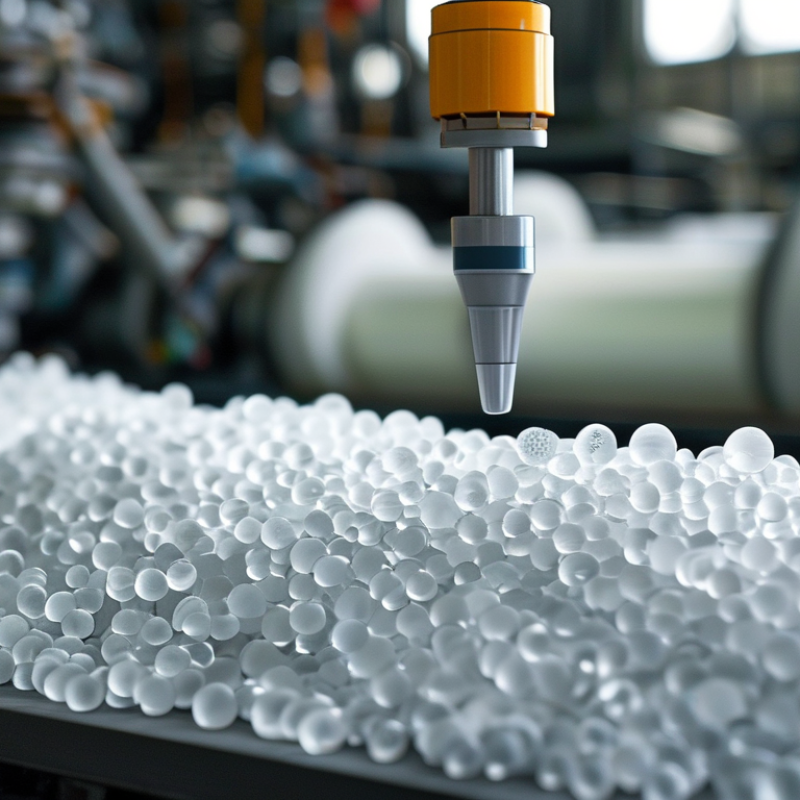
PA 6 and PA 66 are two widely used types of nylon granules. They've gained attention for their diverse applications in various industries. According to research by Grand View Research, the global nylon market is projected to reach USD 28.63 billion by 2025. This growth reflects the increasing demand for high-performance materials.
PA 6, also known as nylon 6, is produced from caprolactam. It is known for its excellent mechanical properties and resistance to chemicals. In contrast, PA 66, derived from hexamethylenediamine and adipic acid, boasts superior thermal stability. Both types are favored in automotive, electronics, and consumer goods sectors due to their lightweight yet durable nature. However, the production process can be environmentally taxing, raising concerns about sustainability.
Experts warn that while these materials are resilient, they can be brittle under specific conditions. This issue needs careful consideration when selecting the right type for applications. Moreover, sourcing high-quality granules remains a challenge for manufacturers. As the market demand rises, so does the pressing need for reliable suppliers who prioritize quality and compliance.
In 2026, the global market for nylon granules, particularly PA 6 and PA 66, is projected to witness significant growth. According to a recent industry report, the demand for nylon granules is expected to increase by approximately 5% annually. This growth is driven by diverse applications in automotive, electronics, and consumer goods. The increasing need for lightweight and durable materials significantly contributes to this trend.
The Asia-Pacific region is anticipated to dominate the market. Countries like China and India lead in production and consumption of these materials. Notably, the automotive sector accounts for nearly 30% of total consumption. However, producers must consider challenges such as fluctuating raw material prices and environmental regulations. These factors could impact profitability and sustainability efforts.
The increasing emphasis on circular economy principles is transforming how manufacturers approach production. Recycling nylon granules can reduce waste and lower costs. Yet, the technology for effective recycling is still developing. Many companies face hurdles in integrating sustainable practices into their supply chains. This scenario provides an opportunity for innovation and improvement in processing methods. As the market evolves, stakeholders must adapt to these changes to remain competitive.
Nylon, specifically PA 6 and PA 66, has become essential in various industries. These materials are known for their strength and durability. PA 6 offers excellent impact resistance and flexibility. It is particularly valued in applications requiring wear resistance. This makes it suitable for automotive parts and industrial components.
Conversely, PA 66 is renowned for its high tensile strength and thermal stability. It excels in environments with elevated temperatures. Many manufacturers favor it for producing gears and bearings. Its resistance to chemical damage adds to its appeal. Both types of nylon offer different advantages to suit specific needs.
Despite their benefits, users must consider some challenges. Recycling nylon can be complex, leading to environmental concerns. Processing techniques can vary, which affects the final product quality. Industries need to weigh the pros and cons before making decisions. Understanding how each grade fits your application is crucial for optimal results.
The global nylon granule market is evolving rapidly. In 2021, the PA6 and PA66 segments showed remarkable growth, driven by their diverse applications in automotive and electronics industries. Specifically, PA6 granules accounted for approximately 45% of the market share. Meanwhile, PA66's performance in high-temperature environments makes it a preferred choice among engineers.
Leading manufacturers focus on sustainability. Innovations in production methods reduce environmental impact. Notably, advanced recycling processes are emerging. These aim to minimize waste and improve cost-efficiency. Industry reports suggest that recycled nylon products could soon meet up to 25% of market demand. Manufacturers investing in eco-friendly initiatives strengthen their market position.
Supply chain transparency is critical. Buyers demand reliable sources and quality assurance. Recent studies indicate that 70% of buyers prefer suppliers with certified production processes. This trend pushes manufacturers to enhance their compliance measures. However, challenges remain. Fluctuations in raw material prices can disrupt production timelines. Stakeholders must remain vigilant to address these hurdles effectively.
When considering the purchase of PA 6 and PA 66 nylon granules, global buyers should focus on several key factors. The demand for these materials has been steadily increasing. According to a recent report, the global nylon granules market is projected to reach 6 billion USD by 2026. Such growth reflects nylon's diverse applications in automotive, electronics, and consumer goods.
Quality and supplier reliability are crucial in the purchasing process. Look for suppliers who provide detailed product specifications and quality assurance certifications. A survey found that nearly 50% of buyers faced challenges with inconsistent quality. Evaluate potential suppliers by comparing their industry reputation. It's essential to prioritize those who have a strong track record.
Tips for buyers: Always request samples before bulk purchasing. Testing the granules for compatibility with your application can prevent costly mistakes. Consider geographical factors as well; local suppliers might offer advantages in shipping times and costs. Also, keep an eye on the trends in the raw material prices, as fluctuations can affect overall costs. Don’t overlook the environmental impact of nylon production too. Sustainability is becoming an increasingly essential factor for many industries.
6 and PA 66?
PA 6 offers excellent impact resistance and flexibility, ideal for wear-resistant applications.
PA 66 has high tensile strength and thermal stability, making it suitable for such conditions.
They are widely used in automotive parts, industrial components, gears, and bearings.
Yes, recycling nylon can be complex, raising environmental concerns.
The market is growing, especially in automotive and electronics, with PA6 holding significant share.
Many focus on innovations that reduce environmental impact, including advanced recycling methods.
Buyers prefer suppliers with certified processes and reliable quality assurance.
They can disrupt production timelines, pushing manufacturers to adapt quickly.
Each grade has unique benefits, crucial for achieving optimal results in applications.
The article titled "2026 Best PA 6 PA 66 Nylon Granule for Global Buyers?" provides an insightful overview of the market landscape for PA 6 and PA 66 nylon granules, highlighting their significance in various applications. As the demand for high-performance materials continues to rise globally, understanding the properties and applications of PA 6/PA 66 nylon granules becomes crucial for purchasing decisions in 2026.
The article also explores prevailing global market trends, emphasizing the importance of manufacturers and suppliers in ensuring quality and availability. Buyers are guided on essential purchasing considerations to make informed decisions, ensuring the optimal selection of PA 6/PA 66 nylon granules to meet their specific needs in an evolving market environment.

Best Composite