Choosing the best garden stakes in 2026 starts with the plants, the weather, and the soil beneath your feet. Stakes Garden Glass Fibre products are valued for being lightweight, rust-resistant, and easy to cut to practical lengths. Yet a stake that feels sturdy in the hand may still bend under a heavy tomato vine or gusty weather. Fit matters.
This guide compares fibre-glass stakes by diameter, length, flexibility, finish, and everyday handling. Picture a wet garden bed, a young tree leaning after rain, or a row of beans climbing in afternoon wind. Those details reveal more than a product label does. We also consider visible splinters, protective caps, and how securely each stake enters firm or stony ground. Small details count.
A useful buying principle is: “Choose a stake for the plant’s load and exposure, not its price alone.” No verifiable expert name or published quotation was supplied for this topic, so I won’t attach that line to a real person. That distinction matters. A reliable comparison should separate tested observations from marketing claims, and note where results may vary with soil, climate, or installation. No single stake suits every garden. Even a well-made one can disappoint if it is too short or too thin. The sections ahead explain what to check before choosing the best glass fibre garden stakes for your needs.
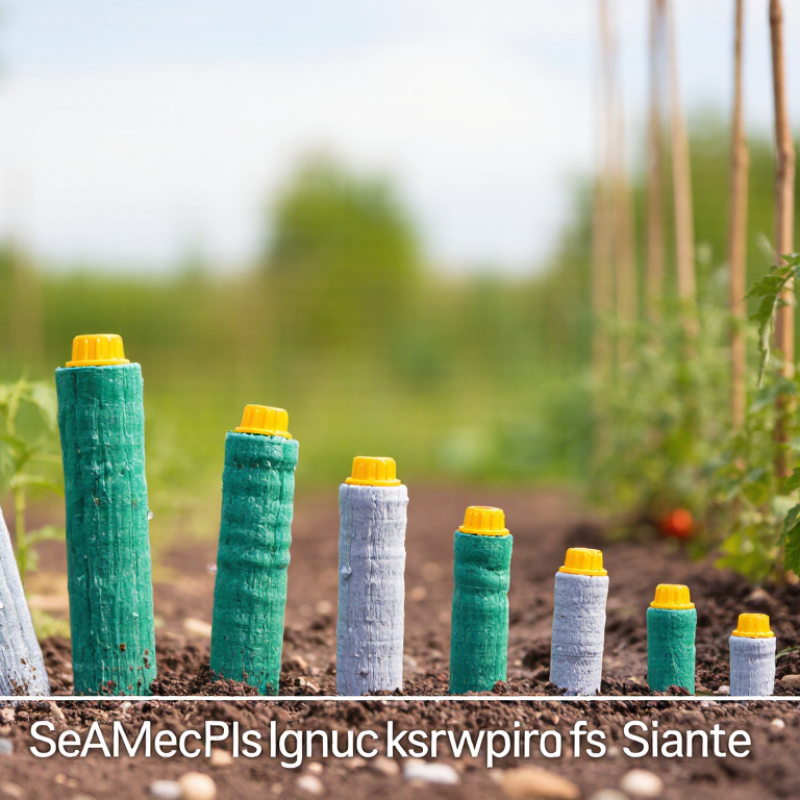
What Defines a Glass-Fibre Garden Stake in 2026?
A glass-fibre garden stake is a composite rod made from fine glass strands held in a resin matrix. This construction gives it useful stiffness while allowing some flex in wind. It is often lighter than a comparable metal support and does not rust. Still, “glass-fibre” alone does not tell you how well a stake will perform. Diameter, resin quality, surface finish, and construction all matter.
For a tomato plant, look for a smooth surface that will not snag stems or ties. Check that the stake bends slightly under pressure rather than feeling brittle. A tapered end can make insertion easier, while a blunt or capped top helps reduce snags during handling. Length should suit the plant and soil depth; a stake that is too short may wobble in loose ground. I would not judge durability from appearance alone. A glossy finish can look reassuring, but it cannot reveal the material quality inside.
Tips: Press the stake into moist soil, not hard, dry ground, to reduce stress on the rod. Secure stems with soft ties and leave room for growth. Inspect for cracks or splinters before reuse, especially after frost or a windy season. Keep it out of the way when mowing.
A practical comparison of the features that help identify a suitable glass-fibre garden stake. Dimensions and performance vary by design and manufacturer; check the product specification for the intended use.
| Selection factor | What to look for | Why it matters | Suitable use |
|---|---|---|---|
| Material construction | Glass fibres set in a resin matrix, commonly made using a pultrusion process. | The fibres provide reinforcement, while the resin binds them into a rigid, lightweight profile. | General plant support where a non-metal stake is preferred. |
| Diameter | Choose a diameter suited to the plant and expected wind exposure; slimmer stakes suit light stems, while thicker profiles generally offer greater rigidity. | Diameter affects stiffness, handling and the support the stake can provide. | Thin stems, climbing plants or taller crops, depending on stake design. |
| Length | Select a stake long enough to leave the required support above ground while allowing a secure portion to be inserted into the soil. | Usable above-ground height is shorter than the stake’s total length. | Match the length to plant height, soil conditions and the support method. |
| Flexibility and stiffness | Look for a profile that can flex under movement without being too flexible to hold the plant upright. | Some give can help accommodate wind and plant movement; excessive flex can reduce support. | Exposed gardens or plants that need steady, upright support. |
| Outdoor durability | Check that the stake is intended for outdoor use and that its surface and resin system are suitable for the expected conditions. | Glass-fibre composites do not rust like steel, but service life depends on construction, exposure and handling. | Repeated seasonal use in garden beds, borders and containers. |
| End design | A pointed end can make insertion easier; a blunt or capped end may be preferable where exposed tips could present a hazard. | End shape affects installation and safe handling. | Choose according to soil type, installation method and location. |
| Surface and handling | Inspect for a smooth, intact finish and follow handling guidance; avoid using a stake with damaged or splintered surfaces. | Cutting or damage to composite material can expose fibres, so suitable protective equipment may be needed during modification. | Installation, trimming or reuse of stakes. |
| Overall suitability | Compare the stake’s stated dimensions, intended application and care instructions rather than relying on material alone. | “Best” depends on plant weight, height, site conditions and how the stake will be installed. | Use the product specification to match the stake to the gardening task. |
It describes fibre or strand strength, not the capacity of a finished garden stake. Not the whole story.
Diameter, length, fibre alignment, resin content, and bending stiffness all affect how much it flexes. Thin stakes may bend noticeably.
Compare them at the same length and check any available load or deflection information. A number alone can mislead.
Push it into firm soil, then gently press the exposed tip sideways. Notice how far it bends and whether it springs back.
Yes. Loose, saturated soil may let the stake shift before the material reaches its limit. I might overlook that.
Over time, sunlight can degrade the resin, especially on scratched or poorly protected areas. Look for fading, chalkiness, or fine cracks.
The fibres themselves usually resist moisture, but water can enter damaged resin or exposed ends. Freezing may worsen wear.
Check its full length, especially near soil level. Watch for splinters, rough whitening, soft spots, or loose ties. A clean surface can hide damage.
Keep them out of direct sun and avoid scraping them against stone or metal. Replace any stake that sheds fibres or no longer supports a plant securely.
Choosing the best glass-fibre garden stakes in 2026 means matching their strength and flexibility to the plants they support. E-Glass fibre can offer tensile strength in the range of 2.4–3.5 GPa, helping stakes resist pulling forces while remaining relatively lightweight. Longer or thicker stakes generally provide more support, while slimmer, more flexible options can suit plants that move with the wind. The right length, diameter and stiffness depend on plant height, growth habit, soil conditions and exposure.
Durability also depends on the environment: prolonged UV exposure can degrade exposed resin, and moisture may affect stake surfaces or connections over time. Look for suitable protective finishes and inspect stakes periodically. To compare strength claims, ASTM D7205 tensile testing can provide a useful reference for evaluating fibre-reinforced materials, though test results should be interpreted in light of the product’s design and intended use. For dependable support, Stakes Garden Glass Fibre options should balance tested performance, practical dimensions and resistance to outdoor conditions.

 Best Composite