Why Choose Fiber Glass Raw Material for Your Manufacturing Needs?

Time:2026-06-07 Author:Mason
0%

In the evolving landscape of manufacturing, selecting the right materials is crucial. Fiber Glass Raw Material stands out for its versatility and durability. As expert Dr. Emily Carter, a materials scientist with over 15 years of experience, states, “Fiber Glass Raw Material offers unmatched strength that can withstand the test of time.” This insight highlights the material's importance for numerous applications.

The benefits of Fiber Glass Raw Material extend beyond just strength. Its lightweight nature allows for easier handling and transportation. This can significantly reduce production costs and improve efficiency. Yet, some manufacturers still overlook its advantages. They may shy away from it due to misconceptions about its applications. Addressing these misunderstandings is essential for progress.

Moreover, choosing Fiber Glass Raw Material can contribute to sustainability in manufacturing. Its long lifespan and recyclability make it an environmentally responsible option. However, some companies may face challenges in sourcing high-quality materials. Establishing reliable suppliers becomes vital for ensuring that the material meets industry standards. Understanding these factors can help businesses make better decisions.
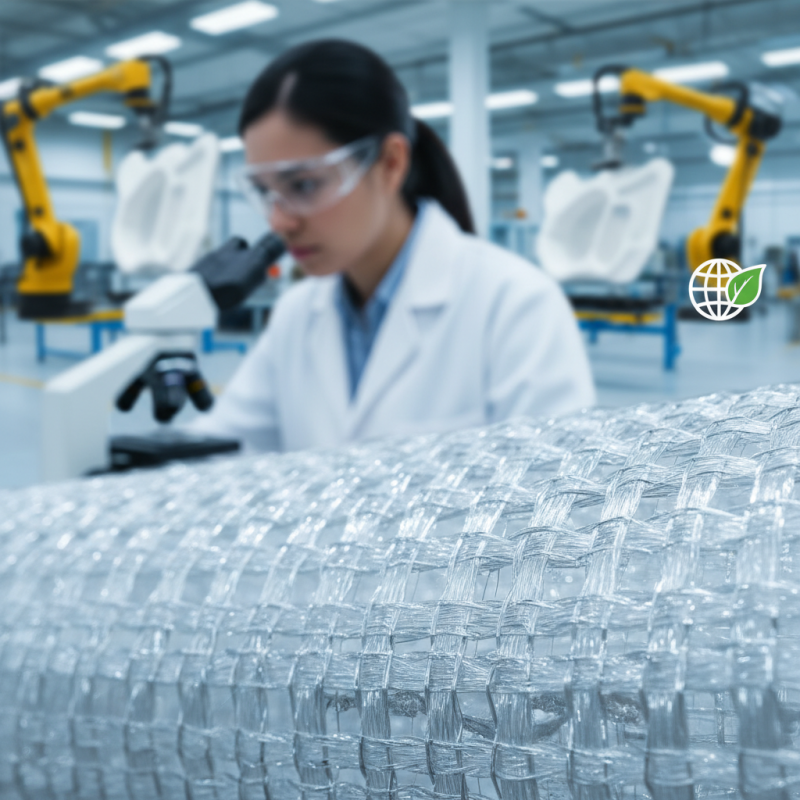
Why Choose Fiber Glass Raw Material for Your Manufacturing Needs?

Benefits of Fiber Glass as a Raw Material in Manufacturing

Fiber glass has become a popular choice for manufacturers seeking durable materials. Its strength-to-weight ratio is impressive, making it a preferred option for various applications. When compared to metals, fiber glass is lighter and resistant to corrosion. This durability is vital for products exposed to harsh environments.

Another benefit is the versatility of fiber glass. It can be molded into complex shapes with ease, allowing for innovative designs. This adaptability makes it suitable for industries ranging from automotive to aerospace. However, the manufacturing process can be intricate. Ensuring the right mix of resin and glass fibers requires expertise.

Fiber glass also offers thermal insulation properties. This can be crucial in applications where temperature control is essential. Moreover, it is less prone to rust or rot compared to traditional materials. Nonetheless, some may find it less aesthetically appealing compared to wood or metal. Overall, fiber glass presents numerous advantages, but the choice depends on specific manufacturing needs and design priorities.

Applications of Fiber Glass in Various Industries

Fiber glass is a versatile material used across multiple industries due to its unique properties. Its lightweight nature, high tensile strength, and resistance to corrosion make it ideal for various applications. In construction, fiber glass is often used for insulation and reinforcement. Its ability to withstand extreme conditions adds value to buildings and structures.

In the automotive sector, fiber glass is widely utilized for manufacturing parts like body panels and interiors. These components reduce overall vehicle weight and improve fuel efficiency. Similarly, in the aerospace industry, fiber glass is crucial for producing lightweight components that enhance aircraft performance.

Tips: When considering fiber glass for your projects, think about the specific requirements. The manufacturing process can affect the final properties. Ensure that you select the right type for your application. Experimenting with different formulations can lead to better outcomes. Consider the environmental impact as well. Recycling options for fiber glass are still developing.

In marine applications, fiber glass is favored for boat hulls and other components. Its resistance to water damage and chemical exposure makes it durable. However, working with fiber glass can be challenging. Proper safety measures are essential during fabrication to avoid potential health risks.

Applications of Fiber Glass in Various Industries

Comparative Analysis: Fiber Glass vs. Other Raw Materials

Fiber glass is increasingly recognized as a superior raw material compared to other options. Its unique properties make it versatile for various manufacturing processes. Fiber glass is lightweight yet incredibly strong. This strength-to-weight ratio is often not matched by metals or plastics. Additionally, fiber glass has excellent resistance to corrosion and temperature extremes. This means fewer failures over time.

When comparing fiber glass to other materials, consider cost-effectiveness. Fiber glass may have a higher initial cost, but it lasts longer. Maintenance and replacement costs can be significantly lower. It is essential to analyze your project's specific needs. Not every manufacturing scenario will benefit from fiber glass.

Tips: Always conduct tests to gauge material performance. This step can reveal insights into long-term reliability. Consider the environmental impact too. Fiber glass can often be recycled, which adds to its appeal over other raw materials. Choose wisely to ensure the best outcome for your manufacturing needs.

Sustainability and Environmental Impact of Fiber Glass Production

The production of fiber glass offers notable sustainability benefits. According to a report by the American Composites Manufacturers Association, fiber glass manufacturing can recycle up to 25% of its raw materials. This initiative reduces waste and promotes a circular economy. Additionally, the energy consumption during fiber glass production is about 20% lower than traditional materials, resulting in lower carbon emissions.

However, there are challenges. The process still generates emissions and waste that require management. Some methods for disposing of waste fibers raise environmental concerns. Researchers are examining methods to reduce these impacts further. Innovative approaches include recycling old fiber glass products into new materials. This not only conserves resources but also limits landfill contributions.

Industry professionals recognize the importance of implementing stricter environmental regulations. This aspect can help ensure that fiber glass production becomes cleaner over time. The push for transparent supply chains is growing. Companies that prioritize sustainability are gaining consumer trust. Reports suggest that 76% of consumers believe a company's environmental commitment influences their buying decisions.

Future Trends in Fiber Glass Manufacturing and Utilization

The future of fiber glass manufacturing is bright and dynamic. Companies are increasingly turning to fiber glass due to its lightweight and durable characteristics. These qualities make it ideal for various applications, from construction to automotive industries. As sustainable manufacturing practices gain traction, fiber glass is evolving to become more eco-friendly. Innovations in production techniques are reducing waste and energy consumption.

Tip: Invest in understanding new fiber glass technologies. Regular training can help staff stay updated and boost efficiency.

Emerging trends suggest a rise in smart materials that incorporate fiber glass. These materials could integrate sensors, enhancing their functionality. In addition, the push for recycling fiber glass is gaining momentum. It addresses waste management issues while promoting sustainability. Still, challenges around the recycling processes persist. Companies must explore methods to improve the recyclability of fiber glass.

Tip: Collaborate with experts in recycling. Their insights can help streamline your processes and reduce costs.

Overall, the future of fiber glass is poised for transformation. As the demand for innovation grows, fiber glass must adapt quickly. Investing in research and development could be key to staying competitive in an evolving market. The road ahead is not without obstacles, but the potential rewards are substantial.

FAQS

: What are the main benefits of using fiber glass in manufacturing?

: Fiber glass offers durability, a lightweight nature, and corrosion resistance, making it suitable for harsh environments.

In which industries is fiber glass commonly used?

Fiber glass is used in construction, automotive, aerospace, and marine industries, among others.

How does fiber glass compare to metals?

Fiber glass is lighter than metals and resists corrosion, which is beneficial for many applications.

What are some challenges associated with fiber glass manufacturing?

The manufacturing process is intricate, requiring expertise to achieve the right mix of resin and glass fibers.

Can fiber glass be molded into various shapes?

Yes, fiber glass can be easily molded into complex shapes, allowing for innovative designs in products.

What are some considerations when using fiber glass?

It's important to think about specific project requirements and select the suitable type for the application.

Are there any aesthetic drawbacks to fiber glass?

Some may find fiber glass less visually appealing compared to natural materials like wood or metal.

How does fiber glass perform in extreme conditions?

Fiber glass withstands extreme conditions well, making it valuable for enhancing the durability of buildings and structures.

What is the environmental impact of fiber glass?

Recycling options for fiber glass are still developing, so consider the environmental factors when choosing this material.

What safety measures are needed when working with fiber glass?

Proper safety measures are crucial during fabrication to minimize potential health risks.

Conclusion

Fiber Glass Raw Material has emerged as a highly advantageous choice for various manufacturing needs, given its unique properties that offer numerous benefits. It is lightweight, durable, and resistant to corrosion, making it ideal for different applications across industries such as automotive, construction, aerospace, and consumer goods. A comparative analysis reveals that Fiber Glass outperforms traditional raw materials like metal and plastic in specific contexts, particularly in terms of strength-to-weight ratio and long-term performance.

Moreover, the sustainability of Fiber Glass production is a crucial consideration, as advancements in manufacturing processes are leading to reduced environmental impact. Industry trends indicate an increasing focus on eco-friendly solutions and the potential for innovative applications of Fiber Glass Raw Material in the future. This aligns with a growing demand for sustainable materials that meet the needs of modern manufacturing while promoting environmental responsibility.


Mason

Mason

Mason is a seasoned marketing professional with a deep expertise in the company's offerings and a passion for driving brand awareness. With a strong background in digital marketing strategies, he has an innate ability to connect with diverse audiences and effectively communicate product benefits.......