Choosing the right fiberglass floor grating can significantly impact your project's success. According to a recent report from the Fiberglass Grating Association, fiberglass floor grating solutions are becoming increasingly popular due to their durability and lightweight properties. This material is known for its resistance to corrosion and chemicals, making it ideal for various industrial settings.
However, not all fiberglass floor grating products are created equal. Varied factors such as load capacity, spacing, and installation method must be considered. A comprehensive understanding of these variables can help prevent costly mistakes. It's essential to evaluate the specifics of your application to select the most suitable option.
In many cases, users overlook the importance of installation and maintenance requirements. For instance, improper installation may lead to reduced performance and safety hazards. The right choice involves not just knowing which product fits but also understanding the long-term benefits it brings. Balancing these factors ensures that your selection meets both current and future needs.
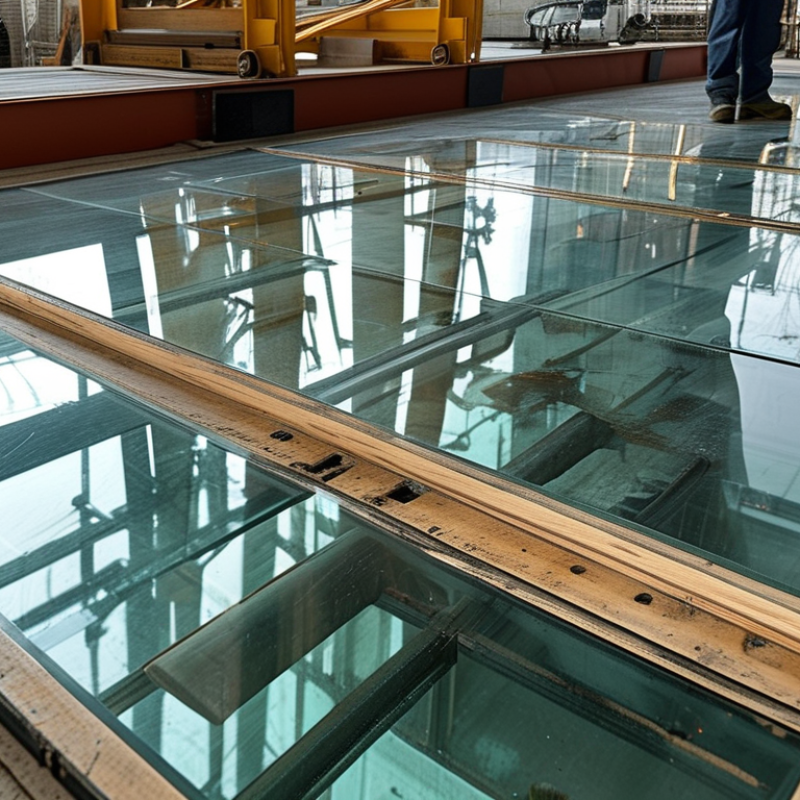
Understanding the Basics of Fiberglass Floor Grating
Fiberglass floor grating plays a crucial role in industrial and commercial settings. It provides a lightweight, durable solution for various applications, including walkways, platforms, and drainage areas. Understanding its core features is essential for making informed choices. Typically, fiberglass grating is made from a composite of glass fibers and resin, offering benefits like corrosion resistance and high strength-to-weight ratios.
Consider the environment where the grating will be installed. Corrosive liquids or heavy equipment may require specialized grating. According to industry reports, fiberglass grating maintains structural integrity in extreme conditions, supporting loads up to 2,000 pounds per square foot. Such specifications are vital for safety and efficiency in hazardous locations.
Tips: Always consult load capacity tables before installation. Take note of the spacing between bearing bars. This can affect safety and durability. For projects with heavy foot traffic, choose grating with a higher slip resistance rating. Regular maintenance checks can also prolong the life of your flooring.
Understanding the various types, such as molded and pultruded grating, can help pinpoint what meets your needs. Molded grating provides a solid surface with excellent slip resistance. Pultruded grating, on the other hand, offers a lightweight option for easier handling. Awareness of these differences can ensure optimal performance in real-world conditions.
Evaluating the Load-Bearing Requirements for Your Project
When selecting fiberglass floor grating, evaluating load-bearing requirements is critical. Load-bearing capacity refers to the maximum weight a material can support without failure. According to industry data, fiberglass grating typically supports loads ranging from 1,500 to 6,000 pounds per square foot, depending on its specifications. Understanding your project’s needs is essential in making the right choice.
Consider factors like the type of traffic on the grating. Light pedestrian traffic requires less capacity than industrial machinery. The American Society for Testing and Materials (ASTM) provides guidelines to help engineers determine appropriate load capacities for various applications. Neglecting these details can lead to inadequate safety measures. In some cases, it may be necessary to increase the thickness or modify the design to meet specific load requirements.
Additionally, environmental conditions impact performance. Gratings installed in corrosive environments must be assessed for material integrity. Awareness of these variables ensures durability and safety. For high-traffic or heavy-load zones, consulting with an engineer may be beneficial. This can help in selecting a grating that meets both the load requirements and environmental conditions.
Comparing Different Types of Fiberglass Grating
When selecting fiberglass grating, it's essential to understand the various types available in the market. Common options include molded, pultruded, and heavy-duty grating. Each type has unique properties suited for different applications. For instance, molded grating is ideal for environments that require slip resistance and corrosion resistance. Pultruded grating, on the other hand, offers superior strength and rigidity, making it suitable for heavy loads.
According to a 2021 industry report, molded fiberglass grating can support up to 1,500 pounds per square foot under certain conditions. In contrast, pultruded grating has proven versatile for industrial applications due to its lightweight and durable nature. However, choosing the right type also depends on your specific needs, such as load capacity, chemical exposure, and installation environment.
Tips for selection: Always consider the load requirements first. Next, evaluate the environment where the grating will be used. If corrosive substances are present, prioritize grating with higher chemical resistance. Finally, don’t overlook the importance of installation. Improper installation can lead to future safety hazards. Not every grating type fits all situations, so conduct thorough research to find the best fit for your needs.
Assessing Environmental Factors and Their Impact
When selecting fiberglass floor grating, understanding environmental factors is crucial. Humidity, temperature, and chemical exposure play significant roles in material performance. High humidity can weaken fiberglass, while extreme temperatures may warp it over time. Evaluate the specific conditions where the grating will be installed.
Consider the type of environment you are working in. For instance, areas with heavy foot traffic require tougher grating. If the grating will face chemicals, ensure it’s resistant to corrosion. It's also essential to think about load capacity. Over time, inadequate support can lead to failure.
Tips: Always conduct thorough research on your local environment. Consult with professionals who can provide insights based on regional challenges. Ensure the grating meets all safety and durability standards. Pay attention to installation methods, as improper fitting can compromise performance. Regular inspections can help identify issues early, saving time and costs later.
Cost Considerations and Budgeting for Fiberglass Grating Solutions
When budgeting for fiberglass floor grating solutions, understanding the costs is essential. Prices can vary based on material quality, size, and application. It’s crucial to identify your specific needs and compare samples. Some products may seem cheaper but lack durability. This can lead to increased maintenance costs down the road.
Consider your installation environment. For high-traffic areas, investing in more robust grating is wise. It may cost more upfront, but it saves money in repairs. Always factor in hidden costs, like shipping and installation. These can significantly influence your overall budget.
Tips for budgeting include starting with a clear list of requirements. Assess total costs, not just initial product price. Look for bulk discounts if purchasing large quantities. Engage with suppliers who understand your needs. They often provide valuable insights into long-term savings and optimal choices. Balancing between immediate costs and future value is key for budget-conscious decisions.
FAQS
: It is commonly used in industrial and commercial settings for walkways, platforms, and drainage areas.
It is made from a composite of glass fibers and resin, providing durability and lightweight benefits.
Type of traffic and environmental conditions significantly impact the load-bearing capacity needed for grating.
Load capacity tables help ensure safety and durability by informing appropriate selection for specific applications.
High humidity or extreme temperatures can weaken or warp the grating, affecting performance over time.
For heavy foot traffic, choose grating with a higher slip resistance rating to ensure safety.
Professionals can provide insights based on unique environmental challenges that may affect grating performance.
Improper installation can lead to performance issues and potential safety hazards over time.
Regular inspections are crucial to identify issues early, which can save time and costs in the long run.
Molded grating offers solid surfaces, while pultruded grating provides lighter options for easier handling.
Conclusion
When selecting the best fiberglass floor grating for your specific needs, it is essential to first understand the fundamental characteristics and benefits of fiberglass material. Evaluating the load-bearing requirements of your project ensures that the chosen grating can support the necessary weight without compromising safety. Additionally, comparing different types of fiberglass grating is crucial, as various designs and shapes can affect durability and performance.
Incorporating environmental factors such as temperature changes, exposure to chemicals, and UV light is vital for long-term use. Finally, considering the overall costs and budgeting for fiberglass grating solutions will help you make a well-informed decision that aligns with your project's financial constraints. By taking these aspects into account, you can effectively choose the right fiberglass floor grating that meets both functional and economic needs.

 Best Composite