Choosing between carbon fiber and glass fiber can be daunting. Both materials have unique properties and applications. Industry expert, Dr. Emily Carter, notes, "Understanding the strengths and limitations of Carbon Fiber Glass Fiber is essential for making informed choices."
Carbon fiber is lightweight and has high tensile strength, making it ideal for aerospace and automotive industries. Glass fiber, on the other hand, offers greater flexibility and is often used in construction and marine applications. However, the decision isn't always clear-cut.
Consider the specific requirements of your project. Evaluate factors such as weight, cost, and durability. Sometimes, carbon fiber might be overkill for certain applications. In other instances, glass fiber may not provide the necessary strength. Reflecting on your needs is crucial before settling on one material over the other.
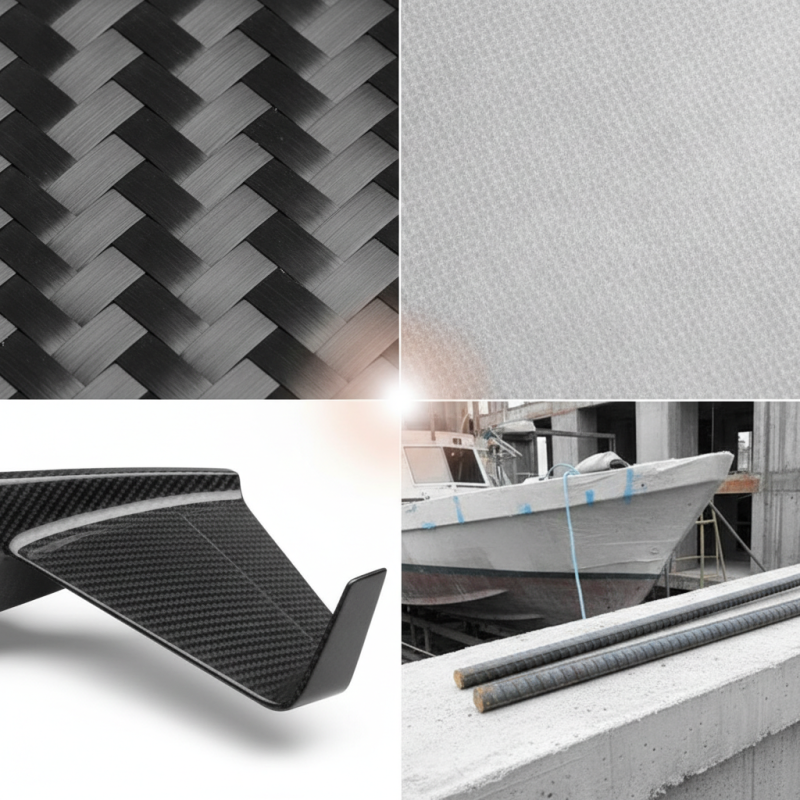
Choosing between carbon fiber and glass fiber requires understanding their fundamental properties.
Carbon fiber is known for its high strength-to-weight ratio, making it a favorite in aerospace and automotive industries.
According to a study by the American Composites Manufacturers Association, carbon fiber composites enhance performance by reducing weight by approximately 30% compared to traditional materials.
This improvement contributes significantly to fuel efficiency.
Glass fiber, in contrast, provides excellent electrical insulation and is generally more cost-effective.
It can be a better choice for applications requiring bulk, like boat hulls.
Research indicates that while glass fiber has lower tensile strength than carbon fiber, it offers impressive bending strength.
Bending strength is crucial for structures exposed to dynamic loads, which could lead to cracking in weaker materials.
Both materials have their drawbacks.
Carbon fiber can be more brittle, leading to failure under certain conditions.
The production process for carbon fiber is also more complex and expensive.
Glass fiber, while cheaper, may require more maintenance over time due to its susceptibility to moisture and UV damage.
Understanding these nuances is critical for effective material selection.
Each project demands careful consideration of these characteristics against the intended use.
When choosing between carbon fiber and glass fiber, considering their mechanical properties is crucial. Carbon fiber is renowned for its high strength-to-weight ratio. It is significantly stronger than glass fiber. This makes carbon fiber ideal for applications requiring high performance, such as aerospace or high-end automotive. However, it is also more brittle, which can lead to sudden failure under stress.
On the other hand, glass fiber offers decent strength with better flexibility. It can absorb energy, making it less likely to shatter upon impact. This property makes glass fiber a popular choice in construction and marine applications. While it weighs more than carbon fiber, its affordability often compensates for this difference in weight.
Both materials come with trade-offs. Carbon fiber may look appealing but consider its fragility. Glass fiber might not be as strong, but it can endure stress better. Your choice depends on what you prioritize: strength or flexibility, durability or cost. Understanding these mechanical properties can guide you toward a more suitable option for your specific needs.
When choosing between carbon fiber and glass fiber, cost-effectiveness plays a key role. According to industry reports, carbon fiber is typically three to five times more expensive than glass fiber. This significant price difference can influence project budgets. For applications requiring lightweight yet high-strength materials, carbon fiber may offer benefits that justify the cost. However, for less demanding projects, glass fiber often suffices.
Consider your specific needs. For instance, if a project needs excellent tensile strength and low weight, carbon fiber is a solid choice. In contrast, glass fiber performs well in applications where high strength is not critical. Data from the Composite Materials Handbook indicates that over 70% of composite projects utilize glass fiber due to its affordability and decent performance properties.
Reflecting on durability, carbon fiber has a longer lifespan in challenging environments. This longevity could mean fewer replacements and repairs, offsetting initial investment costs. However, the risk of brittleness in carbon fiber requires careful consideration. Not all projects will benefit equally, emphasizing the need for thorough analysis before making a decision.
When considering materials like carbon fiber and glass fiber:
durability and environmental resistance are essential factors. Carbon fiber is known for its strength-to-weight ratio, making it ideal for applications demanding high durability. However, its susceptibility to UV damage and moisture can be a concern, especially in outdoor environments.
On the other hand, glass fiber offers excellent resistance to chemicals and moisture. Yet, it may not be as strong as carbon fiber in certain applications.
Tips: Before making a choice, consider the specific environment where the material will be used. Look for signs of wear if you opt for carbon fiber in humid conditions. You might find that glass fiber performs better over time in similar situations.
Balancing durability with environmental resistance often requires compromises. While carbon fiber is lighter and stronger, it can degrade under UV exposure. In contrast, glass fiber maintains its integrity over extended periods. Assessing the operational conditions is vital. How often will the material face harsh conditions? Think about the longevity and maintenance involved.
Tips: Regular inspections can help you catch early signs of wear. Understand the limitations of both materials. Sometimes the most durable option isn’t the best for your specific need. Reflect on whether the long-term benefits outweigh the initial costs.
When choosing between carbon fiber and glass fiber, it's essential to consider specific applications. Carbon fiber is known for its high strength and low weight. It excels in situations where reducing weight is crucial, like aerospace engineering. Glass fiber offers good tensile strength while being more affordable. It’s often used in construction and automotive parts where cost efficiency is vital.
Tips: Identify your project's main requirements. If weight is a concern, lean toward carbon fiber. For more extensive applications with budget constraints, glass fiber may be more suitable. Proper assessments can prevent wasted resources.
Both materials respond differently under stress. Carbon fiber can shatter under sudden impact, while glass fiber tends to bend. This distinction matters in application decisions. Review project needs thoroughly. Not every project will benefit from the superiority of carbon fiber, despite its performance advantages. Balance is vital in materials selection.
| Material | Weight (g/m²) | Strength (MPa) | Cost ($/m²) | Applications |
|---|---|---|---|---|
| Carbon Fiber | 200-500 | 2000-6000 | 20-100 | Aerospace, Automotive, Sporting Goods |
| Glass Fiber | 400-800 | 200-800 | 5-30 | Construction, Marine, Electrical Applications |
| Hybrid (Carbon + Glass) | 300-700 | 800-2000 | 10-50 | Automotive, Sports Equipment, General Purpose |
: Carbon fiber is typically three to five times more expensive than glass fiber.
Choose carbon fiber for projects needing lightweight and high-strength materials.
Glass fiber is adequate for applications where high strength isn't critical.
Carbon fiber lasts longer in tough environments, but can be brittle.
Carbon fiber is vulnerable to UV damage, while glass fiber resists moisture well.
Yes, regular checks can catch early signs of wear on both materials.
Carbon fiber excels in aerospace engineering due to its low weight and strength.
Glass fiber offers good tensile strength at a more affordable price for larger projects.
Carbon fiber can shatter, while glass fiber usually bends under stress.
Not necessarily; each project has unique needs, and glass fiber may be more suitable sometimes.
Choosing between carbon fiber and glass fiber involves understanding their fundamental properties, including mechanical strength and weight differences. Carbon fiber often boasts superior strength-to-weight ratios compared to glass fiber, making it a preferred choice for high-performance applications. However, glass fiber is generally more cost-effective and can be sufficient for less demanding uses.
Durability and environmental resistance are also key factors to consider. While carbon fiber tends to offer better resistance to fatigue and chemical exposure, glass fiber can perform well in various environmental conditions. Identifying the right applications for each material is crucial; carbon fiber is ideal for aerospace and automotive industries, whereas glass fiber serves well in construction and consumer products. Ultimately, the decision hinges on the specific requirements and priorities of your project.

Best Composite