In the realm of construction, the choice of materials plays a vital role. Dr. Emily Carter, a leading expert in composite materials, emphasizes, "The durability of High Property GFRP Rebar can transform project outcomes." Understanding this, selecting the right GFRP rebar becomes essential for the success of modern infrastructure.
High Property GFRP Rebar boasts impressive strength and resistance to corrosion. These characteristics are crucial for ensuring longevity in construction projects. With varying grades and specifications available, the decision can be overwhelming. It's worth noting that not all GFRP rebars meet the industry standards. Flaws in quality may lead to costly repairs later.
When evaluating options, consider factors like tensile strength and load capacity. Experts often recommend rigorous testing and certification compliance. Reflecting on your choices could prevent future challenges. Ultimately, the right High Property GFRP Rebar can significantly enhance structural integrity and project efficiency.
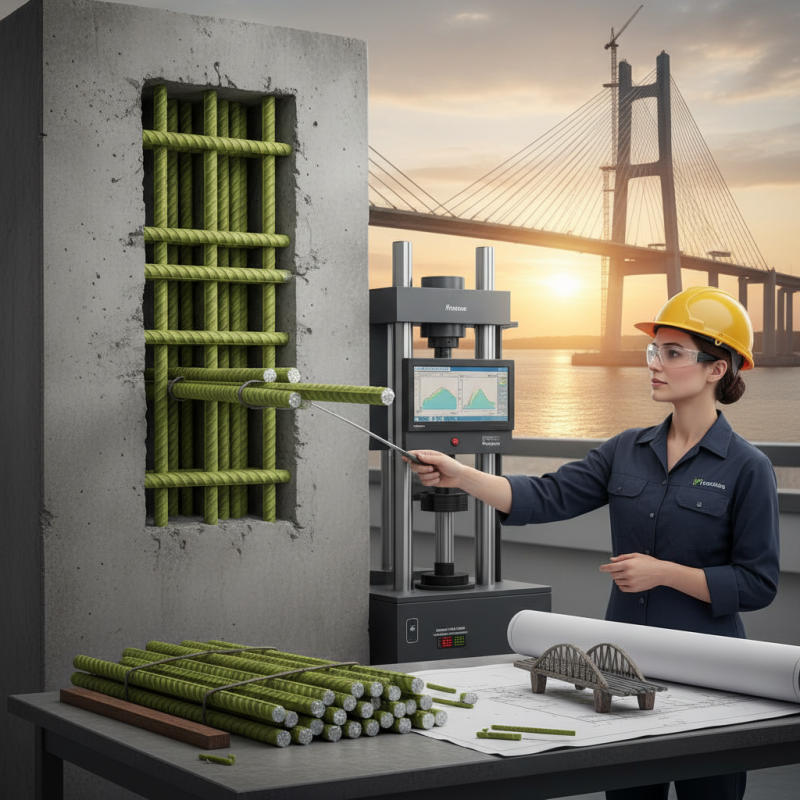
GFRP (Glass Fiber Reinforced Polymer) rebar is changing construction. It offers benefits that traditional steel rebar cannot match. One major advantage is its resistance to corrosion. Unlike steel, GFRP does not rust when exposed to moisture or chemicals. This makes it ideal for structures near water or in harsh environments. Constructions using GFRP can have a longer lifespan with reduced maintenance costs.
Another benefit is its lightweight nature. GFRP rebar is significantly lighter than steel, which can lower transportation costs. Labor savings also occur during installation, as workers can handle it easily. This can speed up project timelines. However, one must be cautious. GFRP may not have the same tensile strength as steel. In certain high-stress applications, it might not perform as expected. Evaluate the project requirements carefully to ensure GFRP is suitable.
The non-metallic nature of GFRP adds additional advantages. It does not interfere with magnetic fields or radar signals. This can be crucial for specific projects like tunnels or bridges. Choosing high-quality GFRP rebar requires understanding material properties and specifications. Each project has unique demands, and thorough evaluation can enhance construction outcomes.
When selecting GFRP rebar for your construction project, several key factors come into play. One crucial consideration is the mechanical properties of the GFRP bars. According to a report by the American Concrete Institute, GFRP rebar can offer a tensile strength of approximately 550 MPa, which is comparable to traditional steel rebar. This strength can significantly enhance the durability of structures, especially in corrosive environments.
Next, consider the bond strength between GFRP rebar and concrete. A study published in the Journal of Composites for Construction notes that bond characteristics can impact the performance of reinforced structures. It highlights that a proper bond prevents slippage and ensures the composite material effectively transfers loads. The bond strength is influenced by both the surface texture of the rebar and the concrete mix used.
Moreover, weigh the environmental benefits against the cost. GFRP rebar boasts a lower carbon footprint compared to conventional materials. However, initial costs can be higher, which may pose a challenge for budget-focused projects. It is essential to analyze both short-term budgets and long-term maintenance savings. Each aspect should be evaluated to ensure that GFRP rebar aligns with the project’s goals and sustainability criteria.
| Factor | Description | Considerations |
|---|---|---|
| Tensile Strength | The maximum resistance of GFRP rebar to being pulled apart. | Choose rebar with high tensile strength suitable for load-bearing structures. |
| Corrosion Resistance | The ability to withstand environmental factors without deteriorating. | Ideal for applications in moist or aggressive environments. |
| Weight | The overall heaviness of GFRP rebar compared to traditional steel. | Lighter rebar can reduce transportation and installation costs. |
| Compatibility | The ability to work well with other construction materials. | Ensure compatibility with concrete and other reinforcements. |
| Cost | The overall expense involved in procuring GFRP rebar. | Evaluate long-term savings vs. initial costs. |
| Thermal Properties | The performance under varying temperature conditions. | Select rebar with suitable thermal expansion coefficients. |
Choosing the right GFRP rebar is crucial for any construction project. Various types are available, each with unique features. Some are designed for high strength, while others prioritize corrosion resistance. Understanding these differences can significantly impact the durability of your structure.
When looking at different options, consider the material composition. Some GFRP rebars use advanced resin systems for better performance. Others may offer less flexibility in applications, which could lead to unexpected issues during installation. It's essential to evaluate your project's specific needs carefully.
Testing is key in selecting the right rebar. Not all GFRP products perform equally under stress or in extreme conditions. Seek out independent tests that validate claims made by manufacturers. Real-world performance can differ from expectations. A misstep in rebar choice can lead to costly repairs later. Investing time in research pays off in the long run.
When it comes to selecting high-quality GFRP (Glass Fiber Reinforced Polymer) rebar for construction projects, evaluating the manufacturer's quality and compliance standards is essential. First, consider their production processes. A reputable manufacturer should have rigorous quality control measures in place. They should perform tests on raw materials and finished products to ensure consistency. Look for certifications that adhere to industry standards. This indicates the manufacturer's commitment to quality.
Another factor is the transparency of their operations. Trusted manufacturers often share detailed information about their testing procedures and results. It's beneficial to ask for documents that verify their compliance with relevant regulations. If a manufacturer hesitates to provide this information, it might signal potential issues. Remember, durability and performance rely heavily on material integrity. It is also critical to examine customer reviews and case studies. Real-world applications can provide insight into how the rebar performs over time.
Engaging with these manufacturers can also reveal their expertise. Conversations about material specifications and applications often uncover valuable knowledge. Experienced manufacturers can offer guidance tailored to specific project needs. However, assess whether their suggestions align with best practices. Sometimes, what seems favorable may not meet project requirements. A thorough evaluation ensures you choose a high-quality product that stands the test of time.
The chart below displays the tensile strength of different GFRP rebar samples measured in MPa. This data helps in evaluating the quality and compliance standards of various manufacturers.
When considering the cost of GFRP rebar compared to traditional reinforcement methods, project managers must review several aspects.
GFRP rebar typically presents a higher initial cost than steel. Research indicates that GFRP can be 1.5 to 2 times more expensive than steel rebar.
Despite this, the long-term benefits often justify the initial investment.
GFRP rebar is immune to corrosion, which translates to lower maintenance costs over the structure's lifespan.
A study from the American Concrete Institute suggests that structures using GFRP can reduce repair costs by up to 80%.
Unlike traditional methods, this can significantly lower lifecycle expenses. Environmental conditions can lead to accelerated deterioration of steel, requiring frequent replacements.
Calculating the total cost of ownership is crucial. While initial costs for GFRP are higher, savings in maintenance and extended service life can make it a viable option.
Decision-makers should carefully weigh these factors.
Reflecting on long-term benefits versus upfront expenditures is vital for ensuring optimal project outcomes.
Recognizing the potential hidden costs in traditional methods can provide clarity in making the best choice for durability and sustainability.
: GFRP stands for Glass Fiber Reinforced Polymer. It is a lightweight, corrosion-resistant alternative to steel rebar.
GFRP rebar resists corrosion, is lighter than steel, and can lower maintenance costs. It may extend the lifespan of structures.
GFRP is ideal for moist or chemically aggressive environments. It does not rust, making it effective in challenging conditions.
Yes, GFRP may lack tensile strength in high-stress applications. Careful evaluation of project needs is essential.
Each type has unique features, such as strength or corrosion resistance. These differences can impact a project's long-term durability.
Not all GFRP products are equal. Independent testing can validate performance claims and prevent costly installation issues.
Yes, GFRP typically costs 1.5 to 2 times more upfront. However, long-term savings on maintenance can make it worthwhile.
Assess the total cost of ownership. Initial costs may be higher, but savings in repairs can provide a compelling case.
Steel can deteriorate quickly due to moisture and chemicals. This leads to frequent replacements and higher maintenance expenses.
Weighing long-term benefits against upfront costs is vital. Reflection on potential hidden costs can guide better choices.
Choosing the right high property GFRP rebar for construction projects involves understanding its advantages, such as corrosion resistance and lightweight characteristics. It is crucial to consider key factors, including tensile strength, durability, and compatibility with project specifications.
When comparing different types of GFRP rebar available in the market, attention should be paid to the manufacturer’s quality and adherence to compliance standards. Additionally, conducting a cost analysis between high property GFRP rebar and traditional reinforcement methods can provide insights into long-term savings and performance advantages, making GFRP a compelling choice for various construction applications.

Best Composite