Sourcing Pp Granules Polypropylene is crucial for many businesses today. Understanding the supply chain and manufacturing processes is essential. Industry expert Dr. Emily Hastings states, “Finding reliable sources for Pp Granules Polypropylene can significantly impact production quality.” Her insights highlight the challenges companies face as they seek high-quality materials.
The polypropylene market is vast, with numerous suppliers available. Yet, not all provide the same standards. Businesses need to assess potential suppliers carefully. This includes understanding their production capacity and quality control measures. The cost of Pp Granules Polypropylene can vary widely. A well-informed choice can lead to significant savings.
Choosing the right supplier requires diligent research. It is also important to develop relationships with vendors. Networking can reveal insights about market trends and pricing. While these efforts demand time, they ultimately ensure a steady supply of quality materials for manufacturing needs.
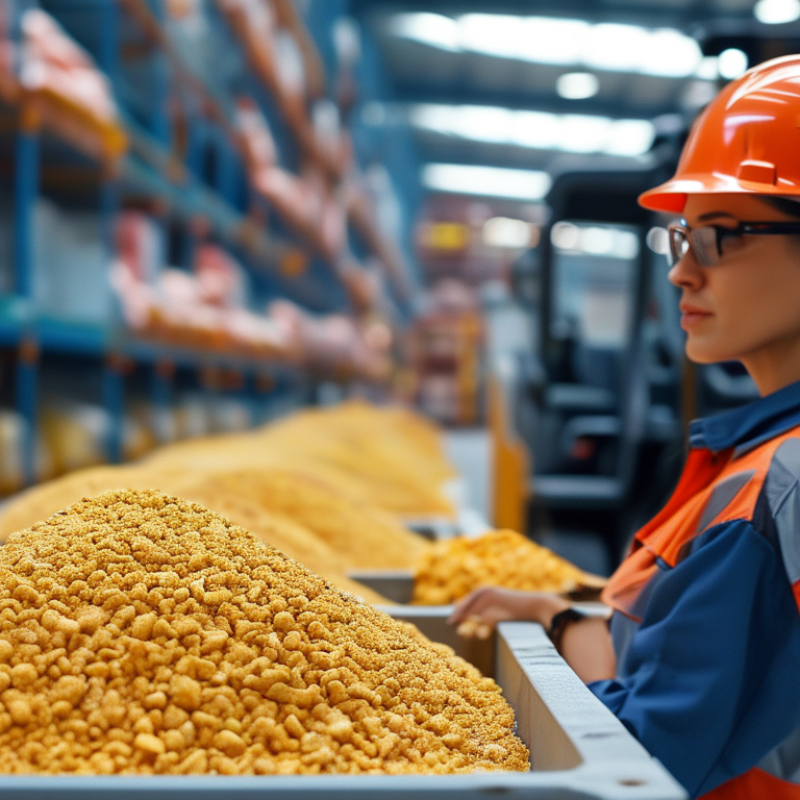
Polypropylene is a versatile thermoplastic known for its lightweight and durable properties. It is widely used in various industries, from packaging to automotive. The polymer's resistance to chemicals and moisture makes it ideal for food packaging. Additionally, polypropylene fibers contribute to the production of textiles, carpets, and insulation materials. Manufacturers value this material for its recyclability, which aligns with sustainable practices.
Understanding the diverse applications of polypropylene is essential for businesses seeking to source PP granules. The material is commonly used in injection molding and blow molding processes. It can be shaped into complex designs effortlessly. This versatility allows companies to create efficient products while minimizing waste. However, sourcing high-quality granules can be challenging. It requires balancing cost and quality, along with considering the supplier's reliability.
In the quest for polypropylene granules, businesses must reflect on their specific needs. Is a consistent supply crucial? Are custom blends more beneficial? These questions guide sourcing strategies and help avoid common pitfalls. Rushed decisions often lead to quality issues. Taking the time to research and connect with reputable suppliers can save time and resources later.
| Application | Description | Typical Uses | Advantages | Disadvantages |
|---|---|---|---|---|
| Packaging | Used for creating flexible packaging due to its lightweight and durable nature. | Food packaging, bags, and wraps | Lightweight, moisture-resistant, recyclable | Lower impact resistance compared to some other materials |
| Automotive Parts | Utilized in manufacturing vehicle components that require strength and resistance to impact. | Bumpers, interior trim | High impact resistance, good dimensional stability | May degrade under UV light without additives |
| Textiles | Fibers produced from polypropylene are used in various textile products. | Carpets, upholstery, and clothing | Stain-resistant, lightweight, and durable | Can be less breathable than natural fibers |
| Construction | Used in various construction applications due to resistance to moisture and chemicals. | Pipes, sheets, and insulation | Resistant to chemicals and moisture, lightweight | Can warp under high temperatures |
| Consumer Goods | Commonly used in making containers and household products. | Containers, toys, and various household items | Durable, versatile, and can be manufactured in various colors | May not be suitable for applications requiring high thermal stability |
: Polypropylene is a lightweight, durable thermoplastic. It resists chemicals and moisture, making it great for packaging.
Polypropylene is used in packaging, automotive parts, textiles, and insulation materials. Its versatility supports many applications.
Reflect on your specific needs, like consistent supply or custom blends. This helps guide sourcing strategies effectively.
Strong supplier relationships lead to better pricing and favorable terms. Clear communication is vital for successful negotiations.
Research market prices and understand supplier costs. Seek volume discounts and flexible payment terms during discussions.
Efficient logistics can reduce costs by up to 25%. Assess transportation methods to balance cost and delivery speed.
Be firm yet flexible. Consider walking away, but evaluate each situation carefully for potential long-term benefits.
Local suppliers can reduce transportation expenses and improve delivery speed. Explore options that exist close to your business.
Rushed decisions can lead to quality issues. Taking time to research suppliers helps in making better choices.
A negotiation journal allows you to refine your approach. It identifies success areas and guides future negotiations efficiently.
Sourcing PP granules polypropylene is essential for businesses involved in various manufacturing sectors. Understanding polypropylene's properties and its wide range of applications can help companies identify the most suitable materials for their specific needs. Once the requirements are clear, it is crucial to find reliable suppliers who can provide high-quality PP granules polypropylene that meet industry standards.
Evaluating these suppliers based on quality certifications, negotiating favorable pricing and terms, and setting up efficient logistics for timely delivery are also vital steps in the sourcing process. By carefully assessing each of these aspects, businesses can ensure a steady supply of PP granules polypropylene, ultimately enhancing their production capabilities and competitiveness in the market.

 Best Composite