Choosing a China-based supplier for Pa6 Plastic Raw Materials requires more than comparing prices online. Buyers should examine technical capability, production consistency, and after-sales support. PA6 pellets may look identical, yet moisture content can affect flow, surface quality, and mechanical strength during molding.
An experienced supplier should provide a clear technical data sheet, certificate of analysis, and batch traceability. Ask about viscosity, tensile strength, melting point, glass-fiber content, and recommended drying conditions. For example, a reliable technical team can explain why PA6 often needs controlled drying before injection molding. Small details matter.
Factory evidence is valuable. Review production lines, laboratory equipment, quality records, and packaging methods. A sealed moisture-resistant bag is not a luxury. It protects material performance during storage and transport. Certifications such as ISO 9001 may support confidence, but certificates alone prove little. Their scope and validity should be checked carefully.
The best supplier depends on your application. Automotive parts, electrical housings, consumer products, and industrial gears require different grades. Request samples and run trials using your actual machine settings. Compare odor, color stability, warpage, and cycle performance. Do not trust every impressive claim.
No supplier is perfect. Even a capable manufacturer may experience shipment delays, raw material changes, or communication gaps. A written quality agreement can reduce these risks. It should define inspection methods, tolerance limits, packaging, complaint handling, and replacement terms. With practical testing and transparent communication, buyers can identify a China PA6 partner that delivers dependable value, not just attractive quotations.
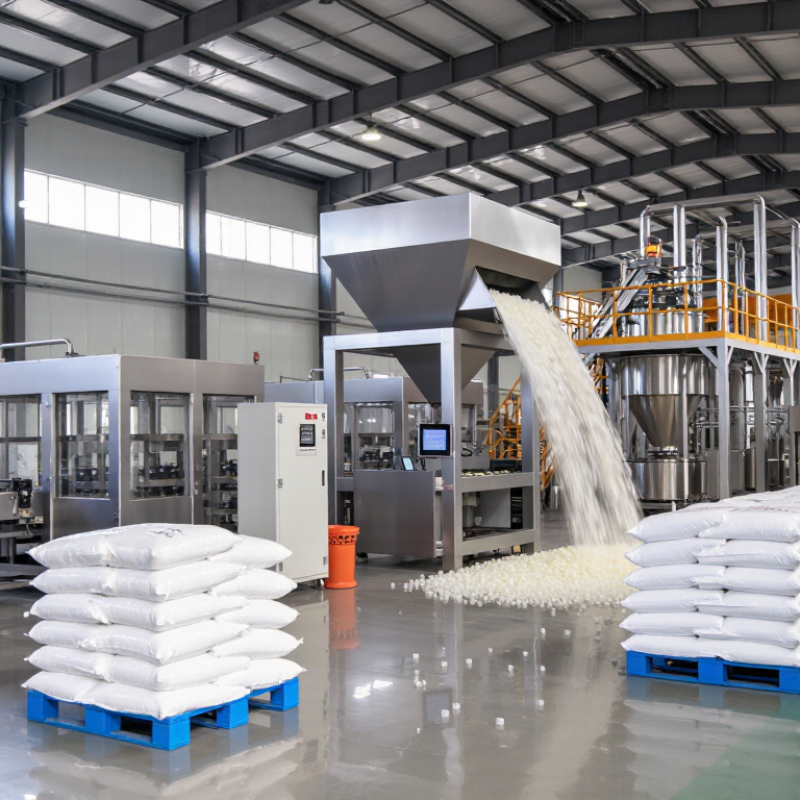
PA6, or polyamide 6, is an engineering plastic produced from caprolactam through ring-opening polymerization. It forms strong, durable parts with a useful balance of stiffness and impact resistance. PA6 also offers good wear performance, chemical resistance, and heat stability for many industrial conditions. It matters. However, the material absorbs moisture from the air, which can change dimensions and mechanical results.
A practical supplier evaluation should examine melt viscosity, moisture content, color consistency, and additive dispersion. These details affect injection molding, extrusion, and fiber production. Proper drying is essential before processing. Wet resin may create bubbles, surface marks, or reduced strength. Processing teams should also review batch traceability, technical data, and relevant quality records. Laboratory testing remains more reliable than appearance alone.
PA6 plastic raw materials support automotive brackets, gears, bearings, cable ties, electrical housings, textile fibers, films, and industrial components. Glass-fiber reinforcement can improve stiffness and dimensional stability, while impact modifiers can increase toughness. The right grade depends on temperature, load, moisture exposure, and manufacturing method. A common mistake is choosing only by price. Performance can suffer later. Engineers should validate samples under real service conditions, because published data may not reflect every production environment.
Choosing a top PA6 raw-material supplier in China requires more than a low quotation. Grand View Research’s 2024 polyamide assessment projects a 6.6% CAGR from 2024 to 2030. Demand is rising. Quality expectations are rising too. A reliable supplier should provide recent batch data for viscosity, moisture, ash, tensile strength, and melting point. Ask for COA records, not samples alone. Request three production lots and compare them through an independent laboratory. For injection molding, slight moisture changes can create silver streaks, brittle parts, or unstable dimensions. The drying guidance should match your resin grade, machine, and packaging conditions.
Capacity matters, but verified capacity matters more. Check extrusion-line records, maintenance logs, traceability codes, and retained samples. ISO 9001 supports process discipline, but it does not guarantee PA6 performance. This distinction is easy to miss. PlasticsEurope reported 400.3 million tonnes of plastics were produced worldwide in 2022, showing a competitive and resource-sensitive market. Ask how the supplier controls additives, recycled content, and lot changes. Confirm delivery times using shipment history, not promises. Independent testing should cover every new grade and formulation change. I would also assess technical response during a failed trial. A quick answer helps. A documented answer is safer. No supplier is perfect, including one with an excellent audit score. The practical choice is a partner that repeats results, explains deviations, and improves when production data challenges its assumptions.
China Top PA6 Plastic Raw Materials Supplier?
How China’s Top PA6 Suppliers Manage Quality and Production
China’s leading PA6 suppliers treat quality as a process, not a final inspection. Production teams monitor polymer viscosity, moisture, color, and pellet size during every batch. Moisture control matters because wet PA6 can produce bubbles, brittleness, and unstable dimensions. Drying systems often record temperature, residence time, and dew point before molding trials.
The 2024 PlasticsEurope report recorded global plastics production at 413.8 million tonnes in 2023. This scale increases pressure on traceability and consistent output. The ISO Survey 2023 reported more than 1.26 million ISO 9001 certificates worldwide. However, certification alone proves little. Strong suppliers connect documented procedures with laboratory data, retained samples, and corrective actions. They test tensile strength, impact resistance, melt flow, and ash content against agreed specifications. Some factories also use online weighing and barcode tracking. Human mistakes still happen. A rushed material change can affect an entire shipment.
Tips
Ask for a recent certificate of analysis, not a template. Check lot numbers, test methods, and sampling dates. Request trial pellets before approving regular supply. Confirm drying conditions, packaging protection, and storage limits. A useful audit should include the laboratory, warehouse, and production floor. Photographs are helpful, but direct evidence is better.
Moisture control is a critical production checkpoint for PA6 because excessive water can cause hydrolysis, lower molecular weight, and reduce mechanical performance during processing.
Typical PA6 processing benchmarks: moisture is commonly controlled at or below 0.20% before processing, with tighter targets of approximately 0.10% after drying and during molding or extrusion. Actual limits vary by grade, application, and equipment.
Choosing a PA6 supplier requires more than comparing price per kilogram. A practical evaluation starts with the application, processing temperature, moisture exposure, and expected service life. Unfilled PA6 offers balanced toughness and surface appearance. Glass-fiber grades, commonly reinforced with 15% to 30% glass, provide higher stiffness and lower creep. Mineral-filled grades can improve dimensional stability, while impact-modified PA6 suits parts exposed to repeated knocks.
Specifications should be checked against real production needs. Review tensile strength, flexural modulus, heat deflection temperature, shrinkage, melt viscosity, and moisture content. A datasheet is not the whole story. During molding trials, pellets should be dried under controlled conditions, because absorbed moisture may cause silver streaks, brittleness, or unstable dimensions. Small differences matter. Lot traceability and retained samples also help identify problems after delivery.
Customization may include black or natural color, UV stabilization, heat stabilization, flame-retardant systems, glass-fiber content, and tailored flow performance. Some projects need easier filling for thin walls; others require stronger weld-line performance. An experienced supplier should provide sample testing, processing guidance, and consistent inspection records. Ask for batch-level data, not only standard values. I have found that selecting the highest-strength grade is not always wise. It can increase warpage, tool wear, or production cost. A better choice balances performance, processability, and repeatable supply.
When evaluating a China-based PA6 raw material supplier, begin with the application, not the sales pitch. Define molding temperature, viscosity range, moisture limit, color, additives, and monthly volume. Request a technical data sheet, safety data sheet, recent certificate of analysis, and batch traceability records. Compare measured values with your specification. A polished website proves little.
Ask for a production-site audit, either in person or through an independent inspector. Check drying equipment, storage conditions, laboratory instruments, and pellet packaging. PA6 absorbs moisture quickly. Sealed bags, desiccant practice, and warehouse humidity records matter. Request samples from a normal production batch, not a specially prepared sample. Test tensile strength, impact performance, melt flow, moisture, and ash content in an accredited laboratory. Test independently. Keep retained samples for comparison. Results may differ from the supplier’s report; investigate calmly instead of accepting either document blindly.
Before purchasing, confirm minimum order quantity, lead time, payment terms, packaging, loading port, and delivery terms in writing. A purchase contract should define inspection rights, rejection criteria, replacement procedures, and document control. Verify export experience and responsive technical support. Ask how complaints are logged and closed. My review habit is imperfect: cost can receive too much attention. Freight, testing, drying losses, and rejected batches may change the real price. Recheck the calculation before approval. Start with a controlled trial order, monitor processing data, and expand only after consistent quality is demonstrated.
PA6 is an engineering plastic made from caprolactam through ring-opening polymerization. It forms strong, durable parts. The material balances stiffness, toughness, wear resistance, and heat stability.
PA6 supports automotive brackets, gears, bearings, cable ties, electrical housings, films, and textile fibers. It also suits many industrial components. The final grade depends on load, temperature, moisture, and processing method.
PA6 absorbs moisture from air. Wet pellets may cause bubbles, silver streaks, surface marks, brittleness, or unstable dimensions. Controlled drying improves strength and molding consistency. Small moisture changes matter.
Review tensile strength, flexural modulus, heat deflection temperature, shrinkage, melt viscosity, and moisture content. Also check impact performance, color consistency, and additive dispersion. A datasheet helps, but it is not the whole story.
Glass-fiber grades improve stiffness and dimensional stability. They can reduce creep under long-term loads. However, higher reinforcement may increase warpage, tool wear, or processing difficulty. The strongest grade is not always the best choice.
Options may include natural or black color, UV stabilization, heat stabilization, flame-retardant systems, and different glass-fiber levels. Flow performance can also be adjusted for thin walls. Weld-line strength may need special attention.
Request technical data, safety data, recent analysis certificates, and batch traceability records. Check drying equipment, storage conditions, laboratory tools, and pellet packaging. Sealed bags matter. An attractive website proves little.
Test samples from a normal production batch. Measure tensile strength, impact performance, melt flow, moisture, and ash content. Use an independent laboratory when possible. Keep retained samples for later comparison.
Start with a controlled trial order. Confirm quantity, lead time, packaging, delivery terms, and inspection rights in writing. Track drying losses, freight, testing costs, and rejected batches. I may focus too much on price. That mistake can become expensive.
Pa6 Plastic Raw Materials are engineering-grade polymers widely used in automotive components, electrical parts, industrial equipment, consumer products, and other applications that require strength and durability. This article explains the basic definition, key properties, and common uses of PA6, including its resistance to wear, impact, heat, and chemical exposure. It also highlights important factors when selecting a supplier in China, such as raw material consistency, production capacity, technical support, quality control systems, testing procedures, and delivery reliability.
The article further discusses how qualified suppliers manage production and maintain stable performance through process monitoring and inspection. It compares different PA6 grades, specifications, reinforcement options, colors, and customization services to help buyers choose materials that match their application requirements. Finally, it provides practical steps for evaluating and purchasing PA6 materials from China, including confirming technical standards, requesting samples, reviewing documentation, testing product performance, negotiating commercial terms, and establishing clear quality and logistics agreements.
Best Composite