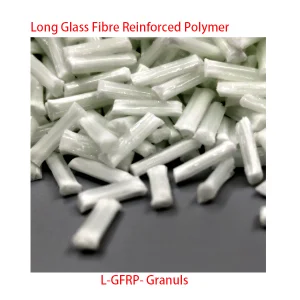
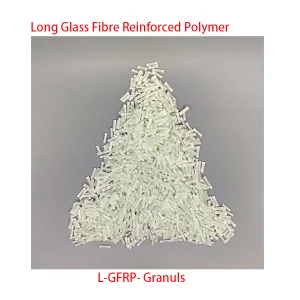
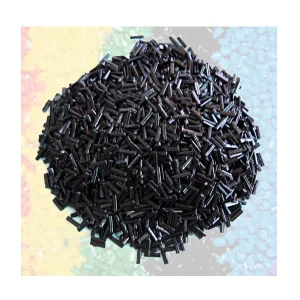
In the contemporary industrial landscape, the selection of polymer materials is not merely a procurement decision but a strategic engineering imperative. As global supply chains shift toward high-performance, lightweight, and sustainable materials, Polypropylene (PP) and Glass Fiber Reinforced Polymers (GFRP) have emerged as the backbone of modern manufacturing. This whitepaper explores the critical applications of these materials, the evolving global landscape, and why partnering with the right manufacturer is essential for competitive advantage.
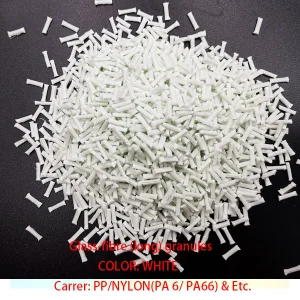
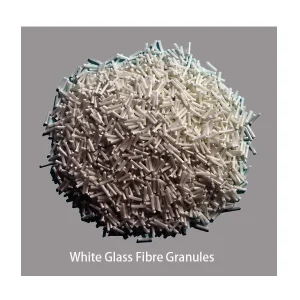
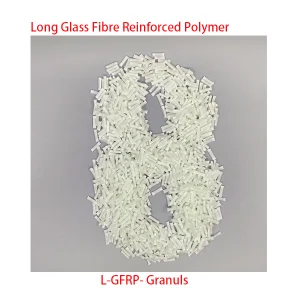
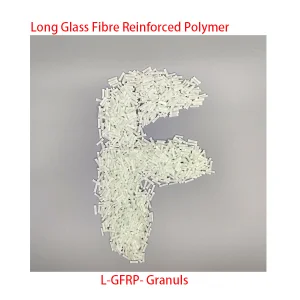
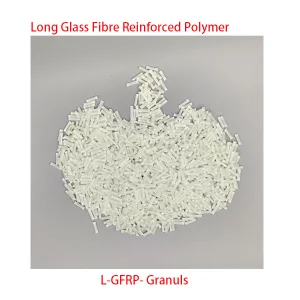
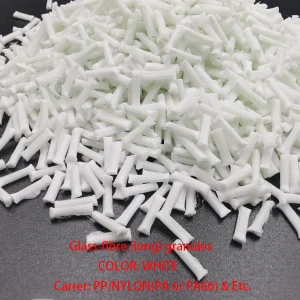
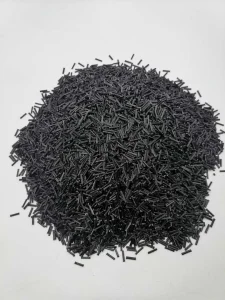
The global push for carbon neutrality and energy efficiency has placed intense pressure on the automotive, electrical, and consumer goods sectors. Lightweighting—the practice of reducing weight to improve efficiency—is where PP-based reinforced composites shine. By integrating long glass fibers into the polypropylene matrix, manufacturers can achieve metallic strength at a fraction of the weight.
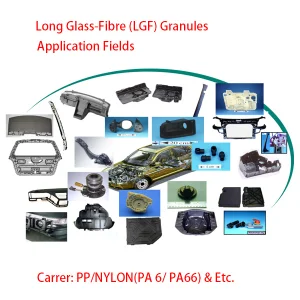
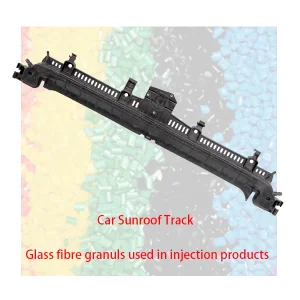
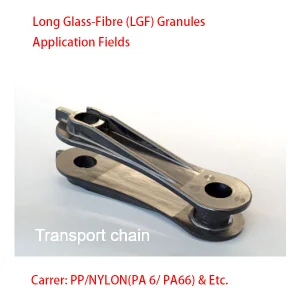
Automotive Sector: From car sunroof tracks to structural interior components, our GFRP materials replace traditional metal counterparts, significantly reducing vehicle curb weight and enhancing fuel economy or battery range in electric vehicles (EVs).
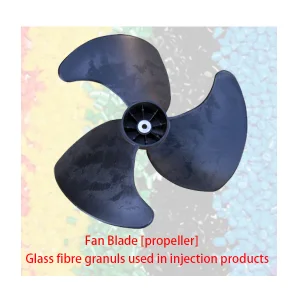
Industrial & Appliances: High-performance granulates are now standard in the assembly of washing machine parts, small kitchen electrical appliances, and heavy-duty industrial housing, providing thermal stability and impact resistance that standard plastics cannot replicate.
The manufacturing landscape is moving towards "Regionalization." While the demand for high-quality polymer granules is global, the supply must be localized and agile. As a leading manufacturer in Jurong City, Jiangsu Province, we leverage the Yangtze River Delta Economic Zone to integrate raw material procurement with efficient logistics. This location allows us to serve both the domestic Chinese market and international exporters with high frequency and reliability, mitigating the risks of global supply chain disruptions.
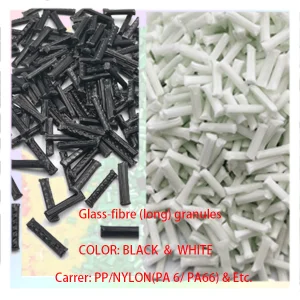
Trust in the polymer industry is built on rigorous testing. Every batch of PA6, PA66, and GFRP granules leaving our facility undergoes strict quality control processes. Our commitment to transparency—demonstrated by our historical client site visits and quality-checking records—proves our reliability. We adhere to international compliance standards, including REACH and RoHS, ensuring that our clients receive products that are not only high-performing but also fully compliant with global import regulations.
The future of PP and GFRP manufacturing lies in circularity and "Smart Materials." We are actively investing in R&D to produce bio-reinforced polymers that maintain the mechanical properties of glass fiber while reducing the carbon footprint. Furthermore, our implementation of AI-driven production line monitoring ensures that every granule produced meets the exact specs of your technical datasheet, reducing waste and increasing batch consistency.
Years Industry Experience
Global Client Partnerships
Quality Compliance Rate
Long glass fiber reinforced PP offers exceptional stiffness, creep resistance, and impact strength compared to short-fiber or unfilled polymers. It is the ideal cost-effective substitute for die-cast metals in structural applications.
We utilize standardized testing protocols including melt flow index (MFI) analysis, tensile strength testing, and moisture content verification. Our factory in Jurong is equipped with the latest monitoring lines to ensure every lot matches the quoted specifications.
Absolutely. We work closely with engineers to adjust fiber content, additives, and matrix materials to ensure the final product meets specific mechanical requirements for automotive, electrical, or industrial usage.
 Best Composite