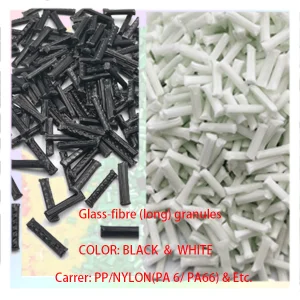
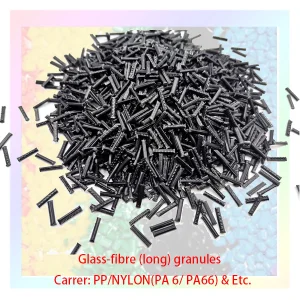
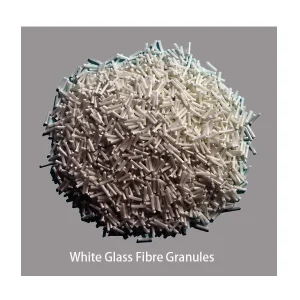
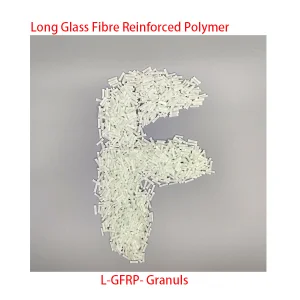
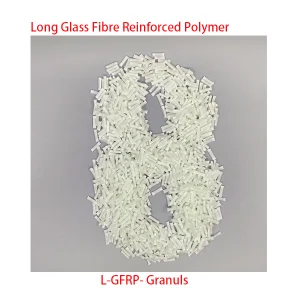
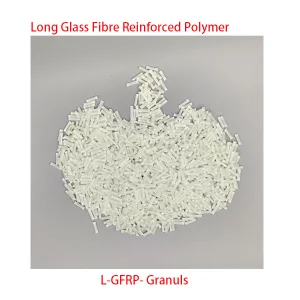
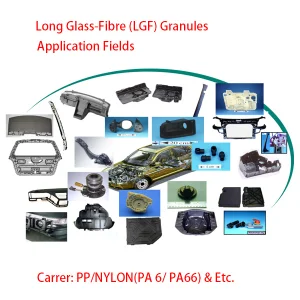
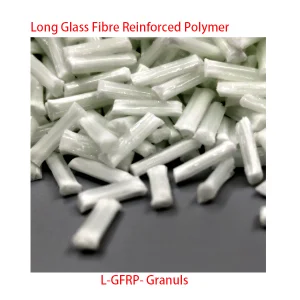
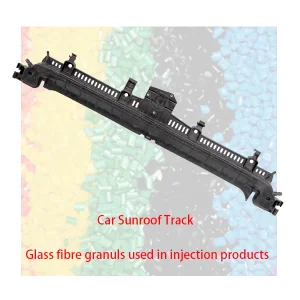
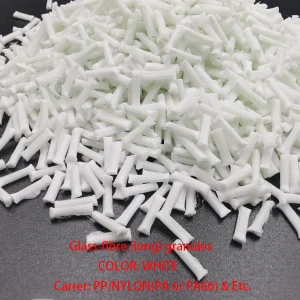
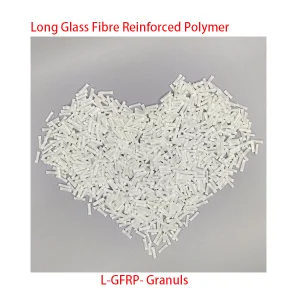
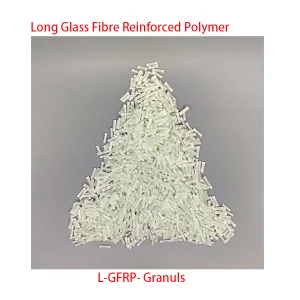
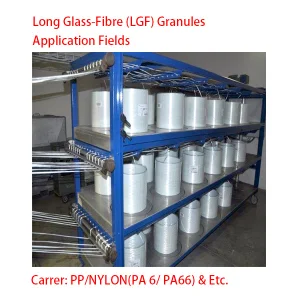
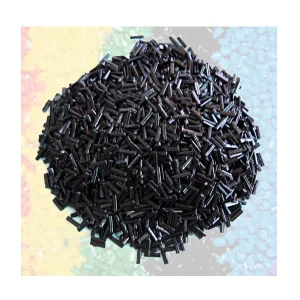
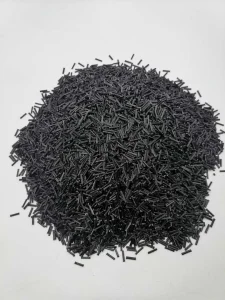
Long Fiber Thermoplastics (LFT) have fundamentally altered the structural engineering landscape. Unlike traditional short-fiber reinforcements, LFT technology preserves fiber length during the injection molding process, resulting in superior impact resistance, creep resistance, and dimensional stability. This material innovation is critical for the automotive, appliance, and structural construction sectors, where metal-to-plastic conversion is a key strategy for lightweighting and sustainability.
Jurong Best Composite Materials Co., Ltd. stands at the intersection of traditional manufacturing expertise and the modern Industry 4.0 revolution. Located strategically in Jiangsu Province, we leverage the robust Yangtze River Delta economic ecosystem. Our factory floor utilizes automated gravimetric feeding systems, precision twin-screw extrusion, and real-time IoT monitoring to ensure every batch of GFRP meets stringent global standards.
Supply Chain Resilience: In an era of global uncertainty, sourcing from a vertically integrated hub ensures stable lead times. Our proximity to major shipping ports (Zhenjiang/Nanjing) and international airport connectivity allows for a seamless logistics pipeline, insulating our clients from upstream volatility.
As we look to 2030, the LFT market is shifting towards high-performance matrix resins and hybrid fiber solutions. Our current R&D focus includes:
For international procurement managers, the challenge often lies in verifying "Quality Consistency" across long-distance supply chains. At Jurong Best Composite Materials, our Quality Control (QC) philosophy follows the E-E-A-T principle: Experience in materials science, Expertise in manufacturing processes, Authoritative testing methodologies, and Trustworthy documentation.
We provide full-spectrum material data sheets, batch-specific COAs (Certificate of Analysis), and rigorous structural integrity testing for every shipment. This commitment to transparency ensures that our clients—whether they are automotive OEMs or precision appliance manufacturers—receive material that behaves predictably in their high-speed production lines.
A: LFT maintains fiber integrity through processing. The longer fibers create a skeletal structure inside the molded part, providing significantly higher impact resistance, better energy absorption, and reduced warping compared to short-fiber alternatives.
A: Absolutely. Our R&D team can adjust fiber content, polymer matrix (PA6, PA66, PP, PPA, etc.), and additive packages (flame retardants, UV stabilizers) to meet your specific mechanical and environmental requirements.
A: We are fully compliant with international shipping regulations and material standards (REACH, RoHS, ISO). Our proximity to major ports in the Yangtze River Delta ensures efficient global logistics.
A: Thanks to our advanced Industry 4.0 facility and streamlined supply chain, we offer some of the fastest turnaround times in the industry. Typically, small-scale samples are dispatched within days, while mass production follows a rigorous but agile schedule based on order volume.
 Best Composite