Explore our structural grade composite granules engineered for extreme mechanical and environmental conditions
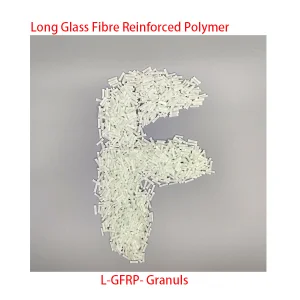
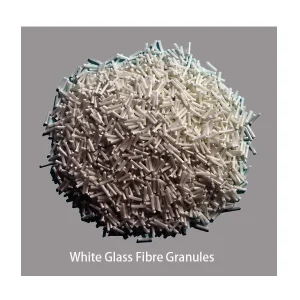
Pioneering engineering polymer matrix composites from the heart of China's advanced manufacturing corridor
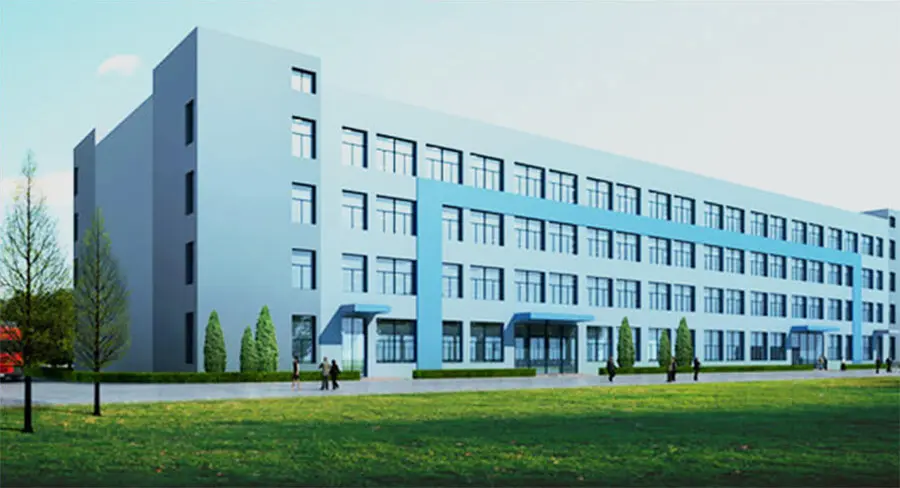
Located in the thousand-year-old historic town of Maoshan, Jurong City, Zhenjiang, Jiangsu Province, Jurong Best Composite Materials Co., Ltd. stands as a premier manufacturing destination in China for High-Performance Long Glass Fiber Reinforced Polyamide and other advanced polymer composites. Positioned directly within the lower reaches of the Yangtze River Economic Corridor, our manufacturing facility sits adjacent to Nanjing and enjoys close proximity to Nanjing Lukou International Airport.
With seamless connectivity afforded by the Jianning-Taicang Expressway and immediate access to shipping nodes through Zhenjiang Port and Nanjing Port, we optimize domestic and international freight pathways. Leveraging the world-class logistics and raw-material infrastructure of the Yangtze River Delta, we guarantee reliable supply chains, expedited custom compound processing, and global distribution.
The microstructural mechanics driving the replacement of structural metals in modern engineering
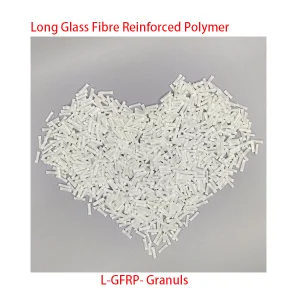
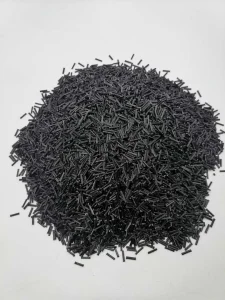
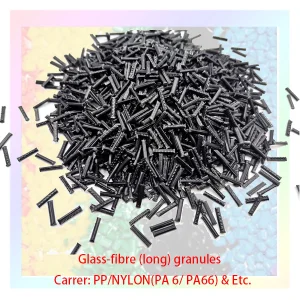
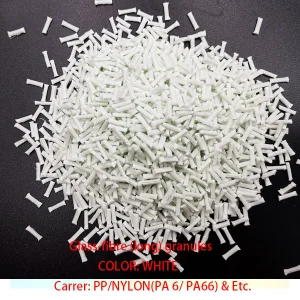
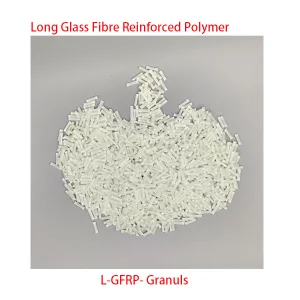
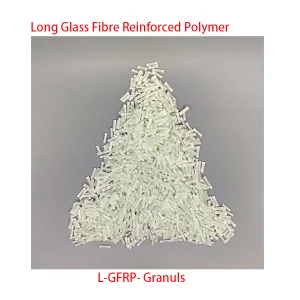
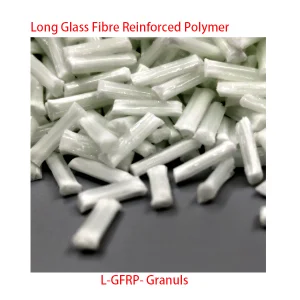
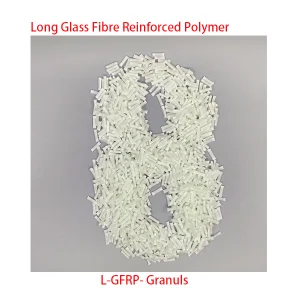
In typical short glass fiber (SGF) reinforced engineering plastics, the typical fiber length inside the molded article ranges between 0.2 mm and 0.4 mm. While this increases the tensile modulus, it falls short of creating an overlapping skeletal network. Long Glass Fiber Reinforced Polyamide (PA-LGF) utilizes pellets containing continuous glass fibers running the full length of the pellet (typically 10 mm to 12 mm or more).
During injection molding, although some fiber attrition is inevitable, the average fiber length in the finished part remains above 1.5 mm to 2.0 mm. This exceeds the critical fiber length (Lc) required for effective stress transfer from the thermoplastic polyamide matrix (PA6 or PA66) to the high-strength glass fibers. The resulting 3D structural internal network offers immense improvements in dynamic mechanical performance, impact resistance, and creep resistance, especially under elevated temperature conditions.
| Performance Indicator | Standard Polyamide 6 (PA6) | Short Glass Fiber PA6 (30% SGF) | Long Glass Fiber PA6 (50% LGF) | Advantage Level (PA6-LGF vs SGF) |
|---|---|---|---|---|
| Tensile Strength (MPa) | 75 - 80 | 160 - 180 | 230 - 250 | ~35% Increase in Ultimate Load |
| Flexural Modulus (GPa) | 2.8 | 8.5 | 15.5 | Excellent Rigidity & Deflection Resistance |
| Notched Impact Strength (kJ/m²) | 5 - 7 | 10 - 12 | 28 - 32 | >200% Improvement in Impact Energy Absorption |
| Dimensional Stability / Shrinkage | High (Isotropic) | Moderate (Anisotropic) | Extremely Low & Isotropic | Reduced Warpage in Large Parts |
| Heat Deflection Temp (HDT @ 1.8 MPa) | 65 °C | 200 °C | 215 - 220 °C | Consistent performance at high temperatures |
Strategic analysis of the industrial shift towards LGF composites and global demand trends
We support various matrices (PA6, PA66, PPA, PBT, PP) to align with specific chemical resistance, moisture absorption, and thermal performance parameters requested by the application profile.
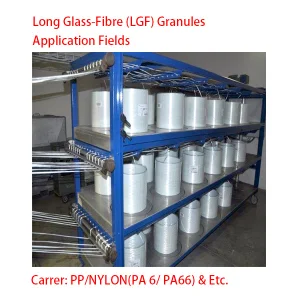
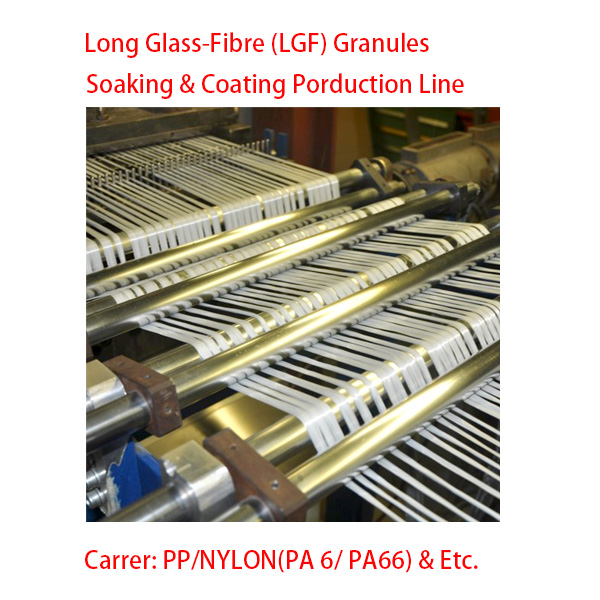
Our updated production line uses advanced crosshead dies to individualize glass fiber strands, allowing the high-viscosity polyamide matrix to wet out every individual filament perfectly.
Global decarbonization initiatives require automotive manufacturers to lightweight vehicular architectures to maximize EV range, leading directly to structural metal replacement in battery trays and brackets.
The technical roadmap of Polyamide + LGF composites involves three critical vectors:
1. Recyclability & Circular Economy: Standard fiberglass composites present challenges during reclamation. We are collaborating with research universities to optimize processes that reclaim fibers from post-industrial PA-LGF scraps without dropping fiber aspect ratios below critical reinforcement thresholds.
2. High-Performance Polyamide Matrices (PPA-LGF): For environments surpassing 150 °C with exposure to oils or aggressive chemicals (such as automotive cooling circuits or chemical process pumps), Polyphthalamide (PPA) coupled with long glass fibers provides structural properties approaching aluminum alloys while remaining corrosion-free.
How global industries apply our LGF polyamide granules to replace cast iron, steel, and aluminum
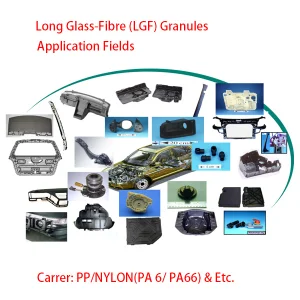
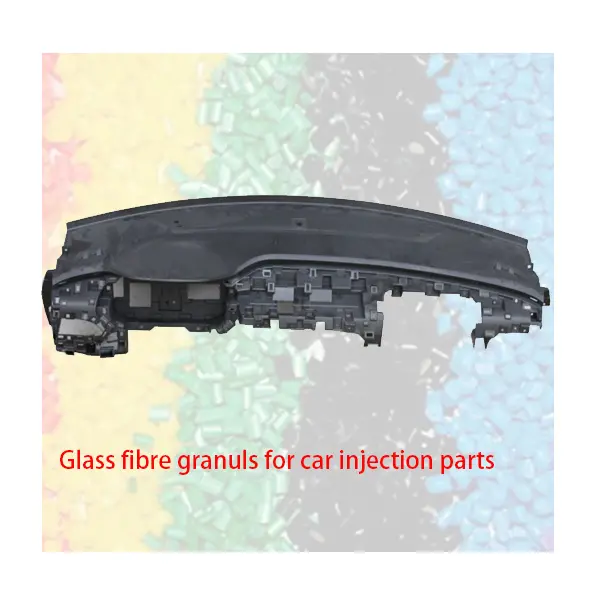
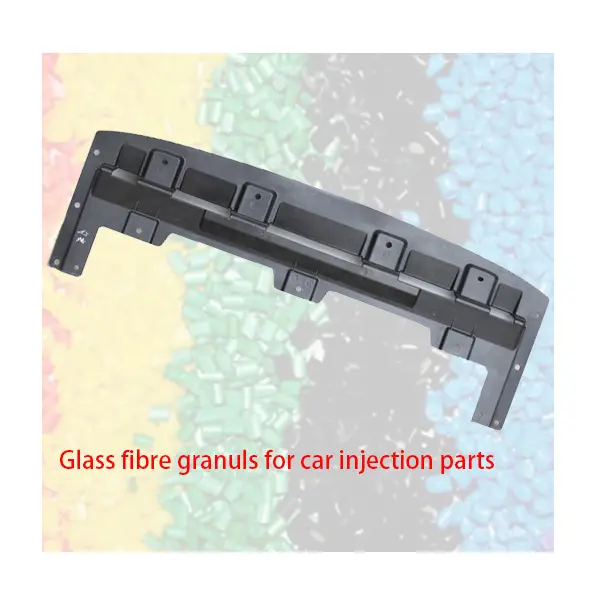
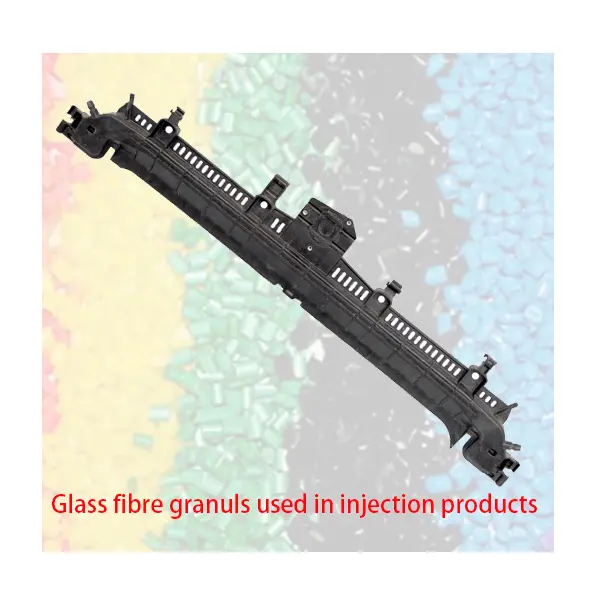
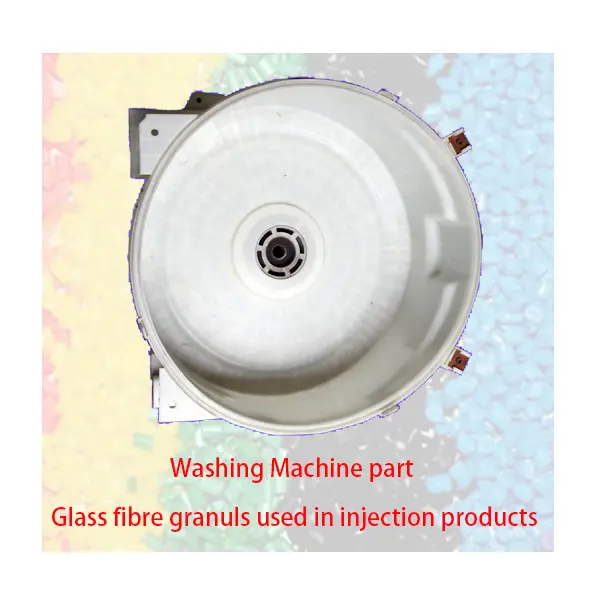
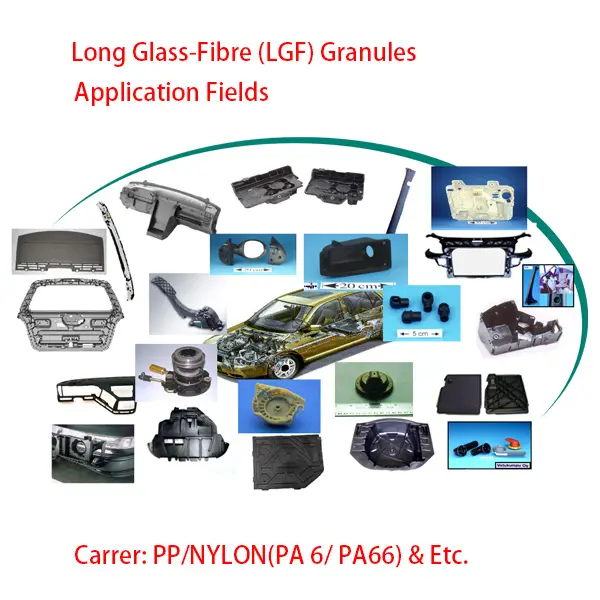
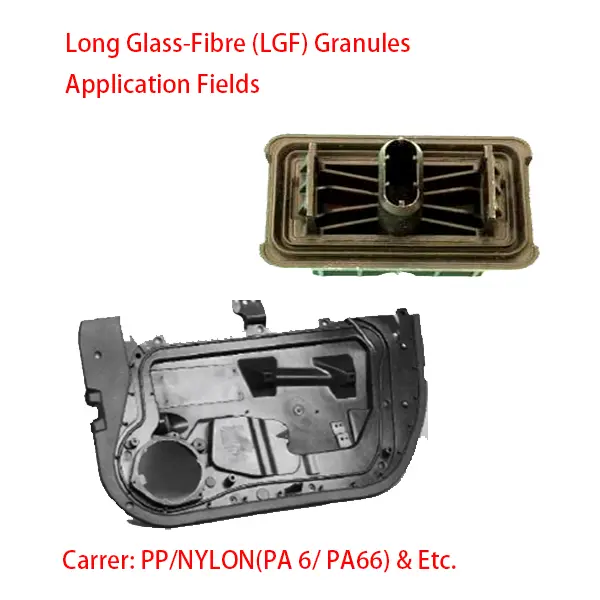
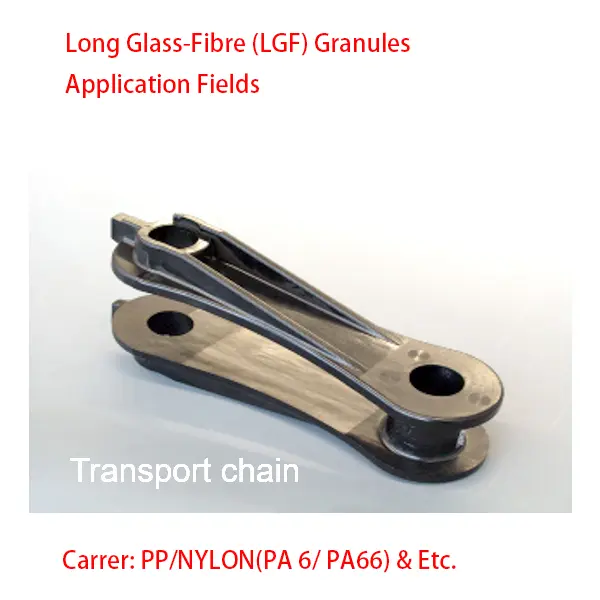
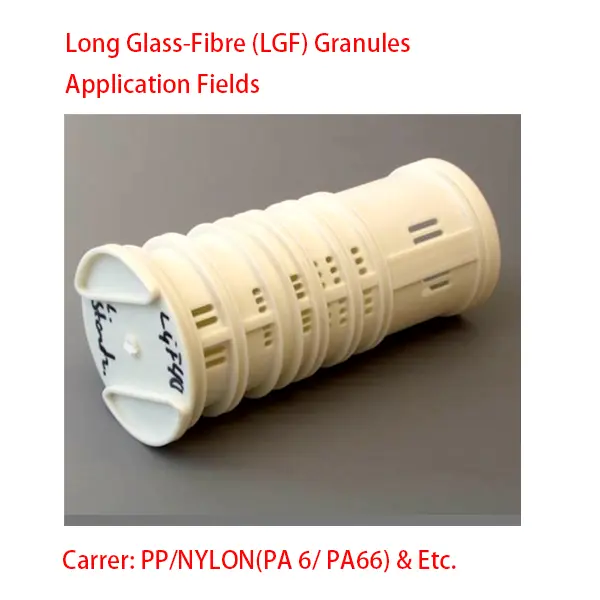
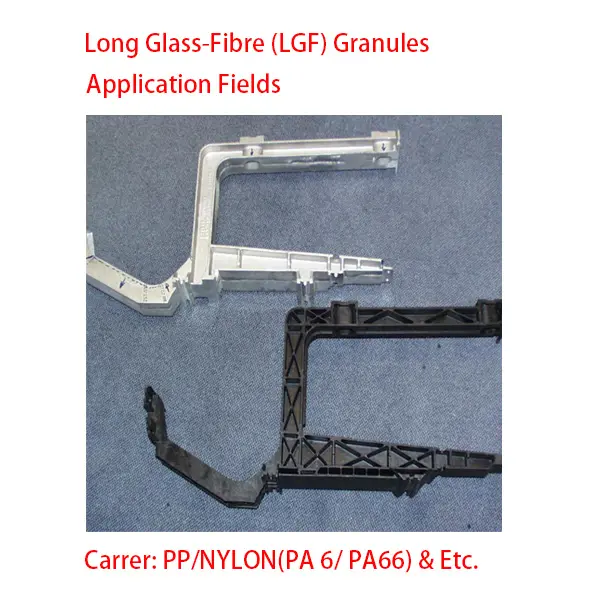
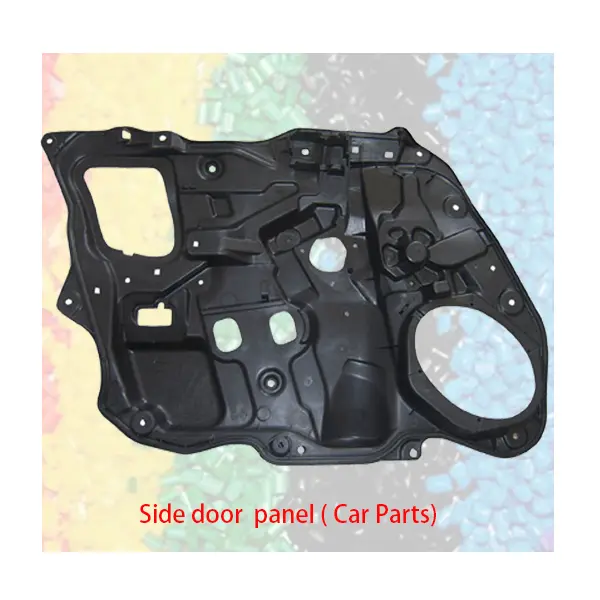
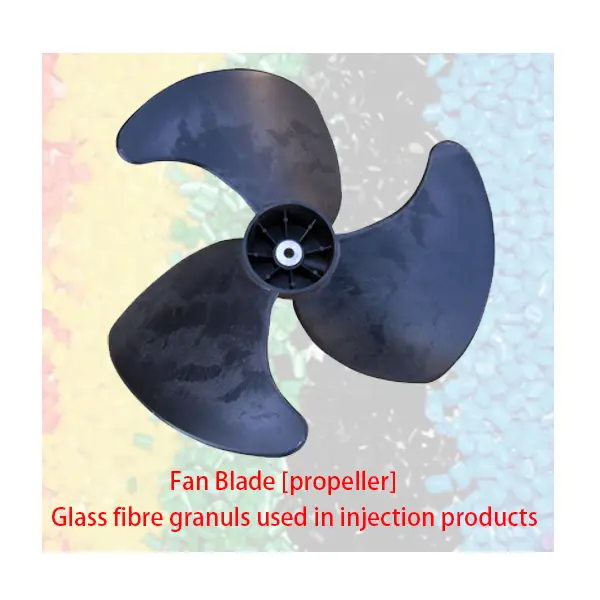
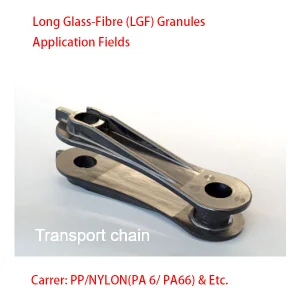
The GFRP granules manufactured in our Jurong facility are used in a variety of industrial and consumer applications. By adjusting fiber loading (typically from 20% to 60%) and modifying the polymer base, we engineer custom grades optimized for tensile stress, extreme drop tests, or constant sub-zero operation.
Common product sectors include:

Real-time updates on our processing capacities and global quality checks
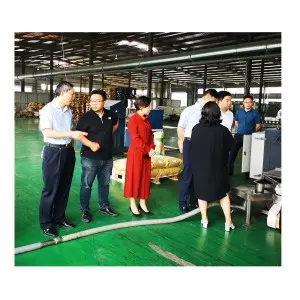
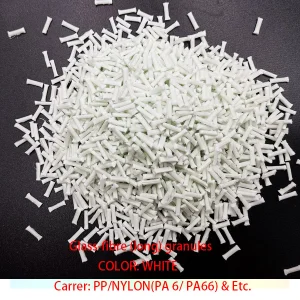
The clients visited our factory today, and had a professional and rigorous inspection for the PA6 and PA66 long GFRP (Glass-Fiber-Reinforced-Polymer) granules. They closely reviewed our raw material drying systems, extruder heating profiles, and cooling baths. Finally, they expressed high satisfaction with our products' quality consistency and quality control processes.
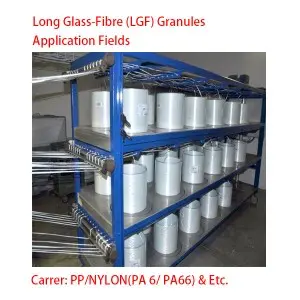
Our company has successfully commissioned and integrated a brand new custom melt-impregnation machine line in our main composite workshop today. The dynamic line has completed its initial calibration trial run. Mechanical performance profiles of the extruded pellets confirm that wet-out ratios and pellet consistency match our highest standards.
Get immediate answers regarding mechanical performance, custom requests, and pricing policies
Review our specialized PPA, PP, and PBT formulations for complex automotive and chemical environments
 Best Composite