Polyamide 66 (PA66), or Nylon 66, remains the bedrock of modern engineering plastics. As we analyze the PA66 Data Sheet landscape, it is evident that global supply chains are shifting toward high-performance, modified materials. Factories are no longer just manufacturers; they are becoming R&D hubs focused on "Information Gain"—providing specific, verifiable technical data that engineers require for safety-critical applications.
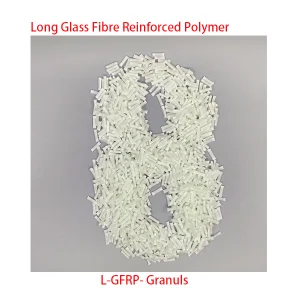
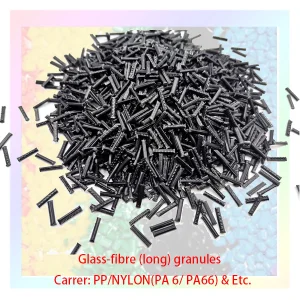
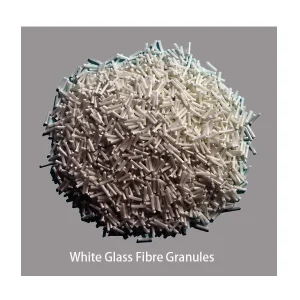
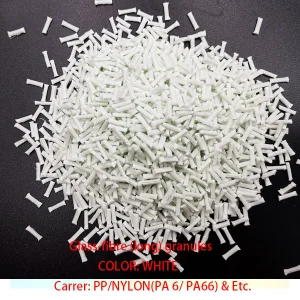
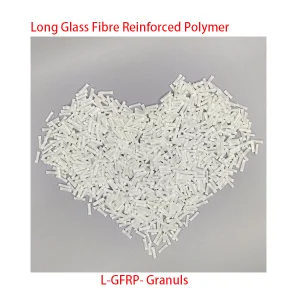
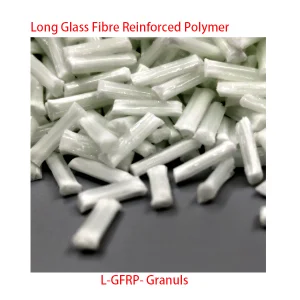
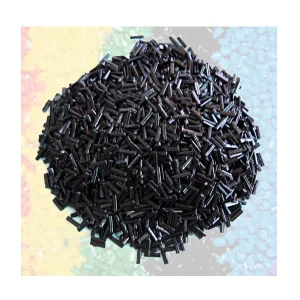
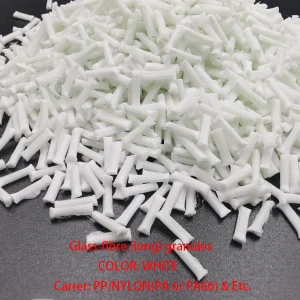
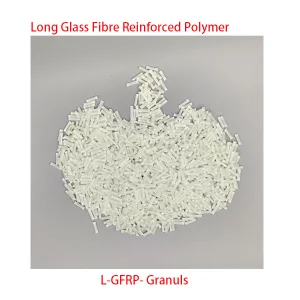
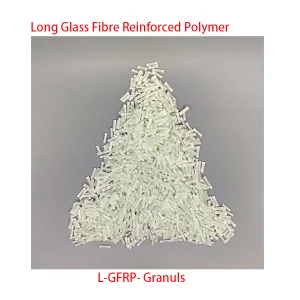
The current industrial trend highlights a pivot toward Circular Economy practices in nylon production. From PA66 polymerization to reinforced granular synthesis, manufacturers are increasingly integrating LGF (Long Glass Fiber) to enhance mechanical properties, thermal stability, and chemical resistance. Our facility in the Yangtze River Delta leverages this geographic advantage to integrate seamless logistics with state-of-the-art compounding technology.
The future of PA66 lies in Molecular Functionalization. By controlling the crystallization kinetics during the compounding process, factories can now dictate the specific density and flexural modulus of the end product. Future outlooks suggest a movement towards bio-based polyamide alternatives without compromising the stringent standards found in current PA66 technical data sheets.
Jurong Best Composite Materials Co., Ltd. is located in the ancient town of Maoshan, which has a history of over a thousand years. The town is part of Jurong City, Zhenjiang, Jiangsu Province. It is situated on the lower reaches of the Yangtze River, adjacent to Nanjing, and is close to Nanjing Lukou International Airport. The Jianning-Taicang Expressway (from Nanjing to Taicang) passes through the area, and the Jurong exit of the Shanghai-Nanjing Expressway connects to Zhenjiang Port and Nanjing Port. Benefiting from the radiation of the Yangtze River Delta Economic Zone, the transportation is very convenient.
Q1: Why is the PA66 Data Sheet critical for industrial procurement?
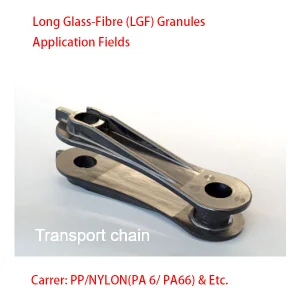
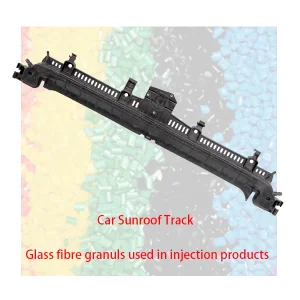
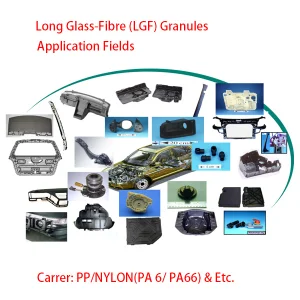
The data sheet provides the "DNA" of the material—tensile strength, elongation at break, and thermal deflection temperature. For engineers, this is not just a document; it is a guarantee of structural integrity for safety-critical parts like automotive sunroof tracks or industrial electrical housings.
Q2: How does LGF (Long Glass Fiber) integration change PA66 performance?
LGF significantly enhances impact resistance and fatigue life compared to short fiber alternatives. By retaining the fiber length within the polymer matrix, we achieve anisotropic properties that mimic metal performance while reducing weight.
Q3: How do we ensure quality in mass production?
Our facility implements rigorous quality controls, including moisture content analysis, fiber dispersion testing, and mechanical property verification, ensuring every batch matches the technical specification sheet provided to the client.
 Best Composite