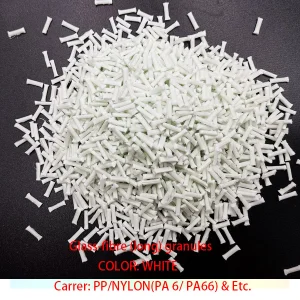
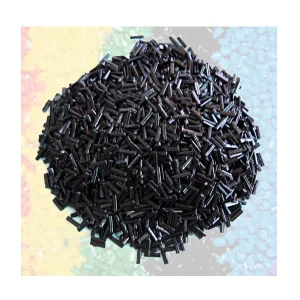
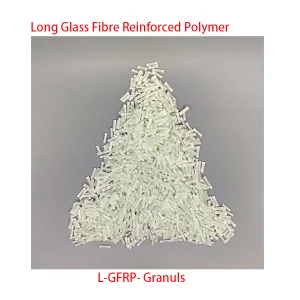
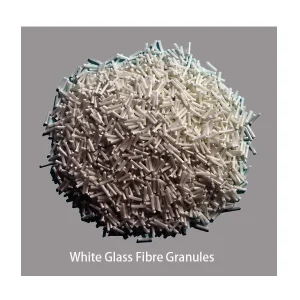
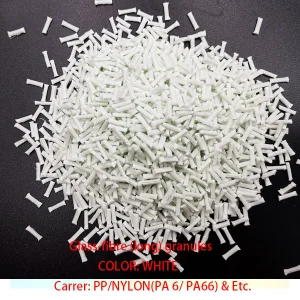
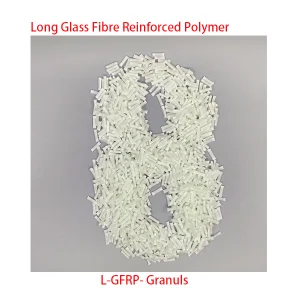
In the evolving landscape of advanced materials, Polypropylene (PP) Copolymer stands as a cornerstone of industrial manufacturing. Unlike its homopolymer counterpart, PP copolymer incorporates ethylene comonomers, which drastically enhance impact resistance, low-temperature ductility, and structural flexibility. This makes it an indispensable asset for sectors ranging from automotive engineering to high-performance consumer appliances.
The global demand for high-grade PP copolymers has shifted significantly towards Asia, particularly China, due to advanced polymerization technologies and mature logistics infrastructures. As procurement managers navigate the complexities of global supply chains, partnering with famous Polypropylene Copolymer factories in industrial hubs like Jiangsu is no longer just about cost-cutting; it is about securing reliable access to specialized, quality-controlled resins.
Jurong Best Composite Materials Co., Ltd., located in the historic and industrially strategic town of Maoshan, exemplifies the efficiency of the Yangtze River Delta manufacturing ecosystem. Proximity to international ports (Zhenjiang/Nanjing) and robust transportation networks (Shanghai-Nanjing Expressway) allows these manufacturers to maintain agile production cycles. Information Gain: By leveraging locally integrated logistics, these factories reduce lead times by an average of 15-20% compared to inland facilities, a critical factor for Just-In-Time (JIT) manufacturing environments.
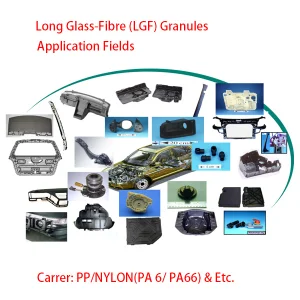
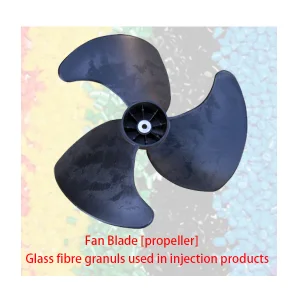
The versatility of these copolymers allows for diverse engineering applications:
The polymer industry is rapidly transitioning toward a "circular economy." Leading PP copolymer manufacturers are investing heavily in:
A: PP Homopolymer offers higher stiffness and tensile strength, whereas PP Copolymer offers superior impact resistance and better performance in low-temperature environments, making it ideal for automotive and structural parts.
A: Quality is ensured through stringent rheology testing, fiber length analysis, and standardized inspection protocols, such as those implemented at our facilities for PA6/PA66 and PP composites.
A: The region offers multi-modal transport options—expressways, deep-water river ports, and proximity to major international airports like Nanjing Lukou—ensuring faster logistics and lower shipping overheads.
 Best Composite