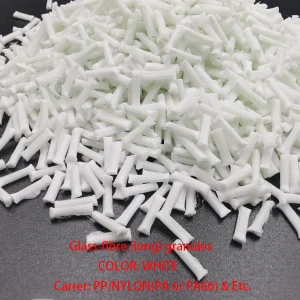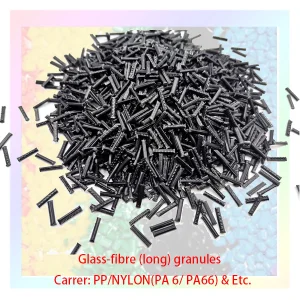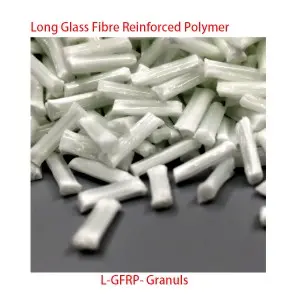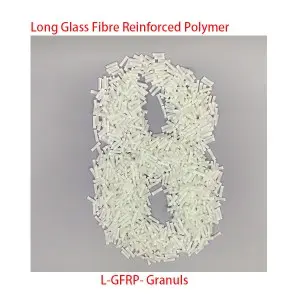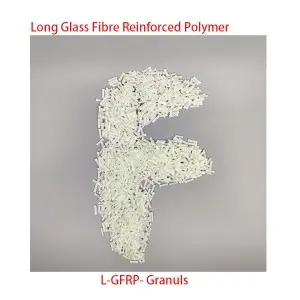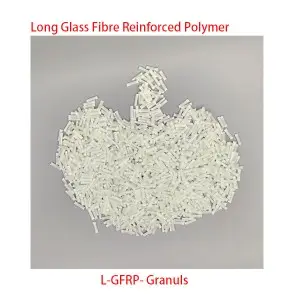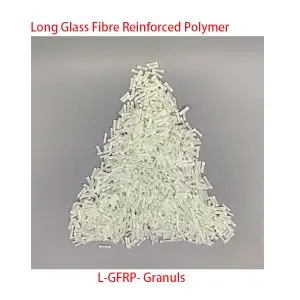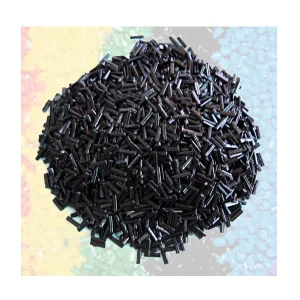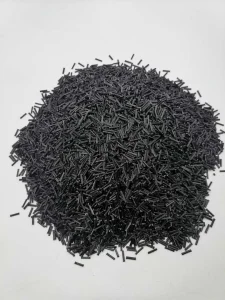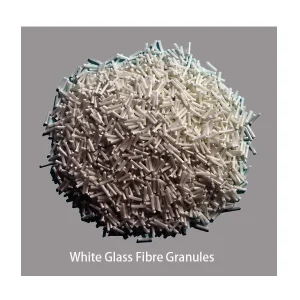
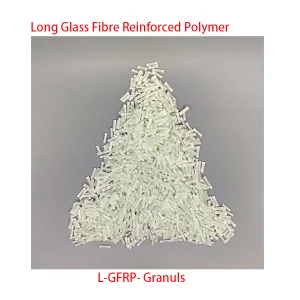
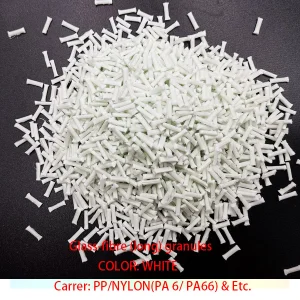
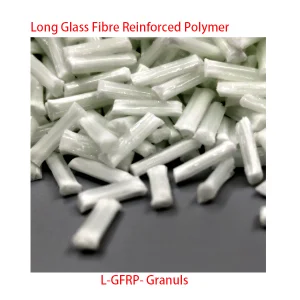
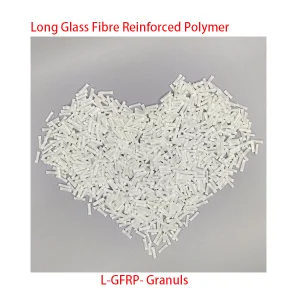
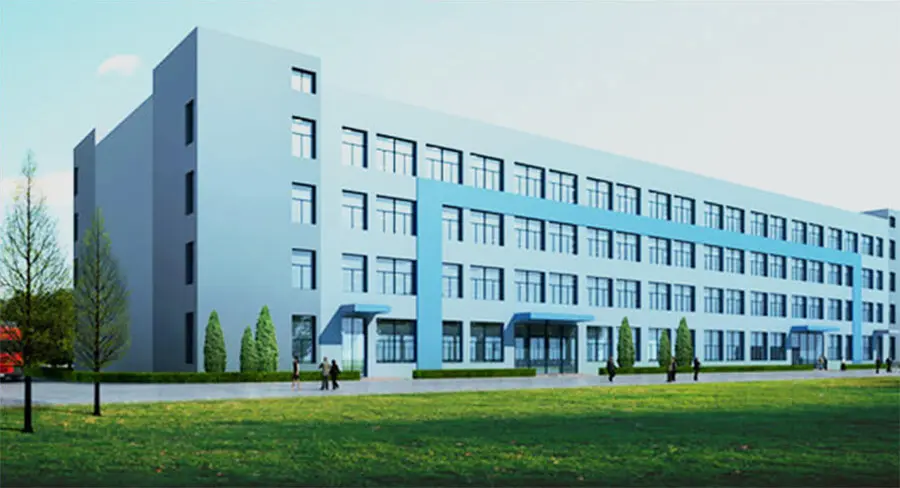
Jurong Best Composite Materials Co., Ltd. is a leading manufacturer specializing in high-performance thermoplastic composite materials. We are located in the ancient town of Maoshan, Jiangsu Province, China. Benefiting from the dynamic industrial radiation of the Yangtze River Delta Economic Zone, our facility is adjacent to Nanjing and close to Nanjing Lukou International Airport, Zhenjiang Port, and Nanjing Port. This unique geographical advantage enables efficient logistics and shipment routes globally.
We focus on the research, development, and supply of Long Glass Fiber (LGF) and Long Carbon Fiber (LCF) reinforced thermoplastic composites, including PP-LGF, PA-LGF, PPA-LGF, and PBT-LGF. Our products are engineered to deliver superior structural properties, serving as critical materials for automotive parts, washing machine components, and high-strength industrial applications.
Our commitment to rigorous quality control processes ensures that all customers receive international-standard structural polymers tailored to dynamic industrial needs.
In modern industrial manufacturing, the demand for lightweight, high-strength materials is accelerating. **Long Glass Fiber Reinforced Polypropylene (PP-LGF)** has emerged as a cornerstone composite, filling the critical gap between standard engineering plastics and high-cost light alloys. By utilizing advanced pultrusion processes, chemical coupling agents, and high-performance polyolefin resins, global manufacturers can yield composite structures that boast remarkable dimensional stability, elevated thermal thresholds, and excellent impact absorption.
Historically, short-fiber thermoplastics (SFT) dominated structural plastic molds. However, SFT fibers are typically under 1 mm in length, which restricts their capacity to absorb dynamic load distributions. In contrast, **PP-LGF** preserves fiber lengths of 10 to 25 mm within the pellets. During the injection molding process, these long glass fibers align and interlock, forming an internal three-dimensional skeletal network. This structural matrix facilitates highly efficient load transfer, delivering mechanical properties that closely approach those of die-cast metals while retaining the cost-effectiveness and design flexibility of standard thermoplastic resins.
From a global macroeconomic perspective, the supply chain for high-performance PP-LGF is highly concentrated in technological corridors where automotive manufacturing, green energy transition, and consumer appliance industries are clustered. Countries like China, Germany, Japan, and the United States lead both production and technical innovations. The local demand in China is especially driven by the rapid expansion of New Energy Vehicles (NEVs) and high-speed rail systems, requiring domestic suppliers to maintain highly standardized, certified production pipelines.
Global supply chains require consistent raw materials. Leading PP-LGF suppliers maintain strict standards for polypropylene base resins, silane coupling agents, and glass fiber roving inputs.
From varying glass fiber percentages (20% to 60%) to structural additives (heat stabilizers, flame retardants, UV stabilizers), modern compounding meets specific application needs.
OEM qualifications require ISO 9001 and IATF 16949 compliance. Our processes are strictly regulated to verify chemical dispersion and fiber length consistency.
Understanding the mechanical properties of Long Glass Fiber Polypropylene is crucial for replacement projects where steel, aluminum, or standard short-fiber polyamide (PA) composites are currently used. By incorporating long glass fibers, the material's impact resistance is enhanced under both ambient and sub-zero temperatures, while creep resistance is maintained under sustained mechanical stress.
The table below provides a comparative analysis of key performance metrics for standard raw polypropylene, PP-LGF30 (30% glass fiber loading), PP-LGF50 (50% glass fiber loading), and nylon-based LGF composites:
| Material Type | Tensile Strength (MPa) | Flexural Modulus (GPa) | Charpy Impact Strength (kJ/m²) | Heat Deflection Temp (°C @ 1.8 MPa) | Relative Density (g/cm³) |
|---|---|---|---|---|---|
| Neat Polypropylene (PP) | 25 – 35 | 1.2 – 1.6 | 3.0 – 5.0 (Notched) | 50 – 60 | 0.90 – 0.92 |
| PP-LGF30 (30% Fiber) | 110 – 125 | 6.2 – 7.0 | 18.0 – 25.0 (Notched) | 140 – 150 | 1.12 – 1.15 |
| PP-LGF50 (50% Fiber) | 150 – 170 | 11.0 – 13.0 | 28.0 – 35.0 (Notched) | 155 – 160 | 1.30 – 1.35 |
| PA66-LGF50 (Polyamide) | 230 – 260 | 15.0 – 17.5 | 30.0 – 42.0 (Notched) | 245 – 255 | 1.52 – 1.58 |
The performance of PP-LGF relies on the quality of the interface between the inorganic glass fibers and the organic polypropylene matrix. Because PP is a non-polar polymer and glass fibers are highly polar, standard mixtures can suffer from poor interface adhesion. Our formulation introduces Maleic Anhydride Grafted Polypropylene (MAPP) as a coupling agent. This chemical bridge links the glass fiber surface directly to the polypropylene chain, maximizing stress transfer across the fiber-matrix boundary and preventing catastrophic micro-cracking under stress.
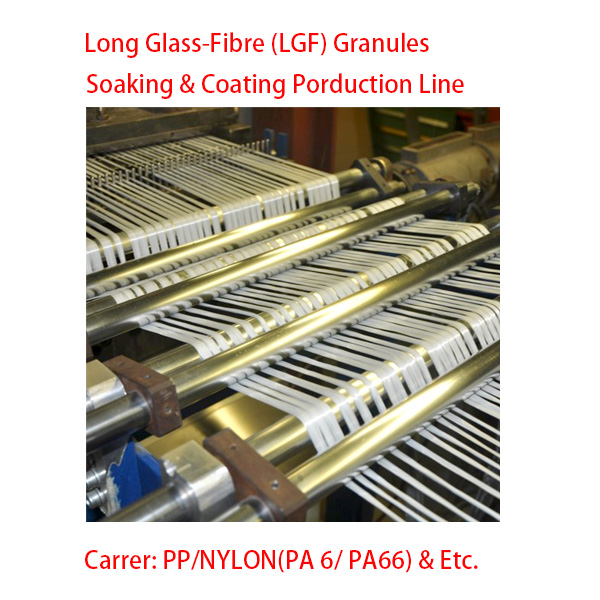
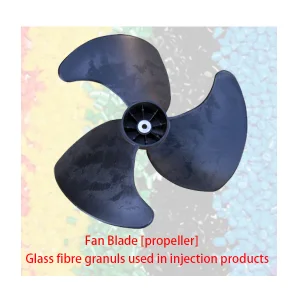
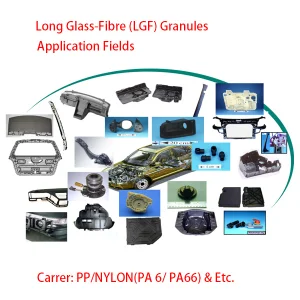
Our long-fiber granules are engineered for structural applications requiring elevated impact resistance and dimensional stability. Designed for compatibility with high-speed automated injection molding systems, these granules can be formed into various parts, such as automotive components, washing machine parts, and small kitchen electrical appliances.
By shifting from standard engineering resins to LGF composites, manufacturers can reduce raw material weight while maintaining key structural characteristics.
LEARN MORE +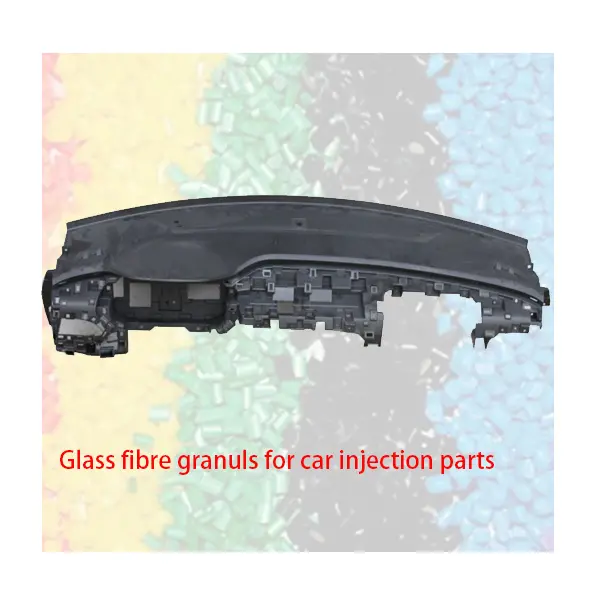
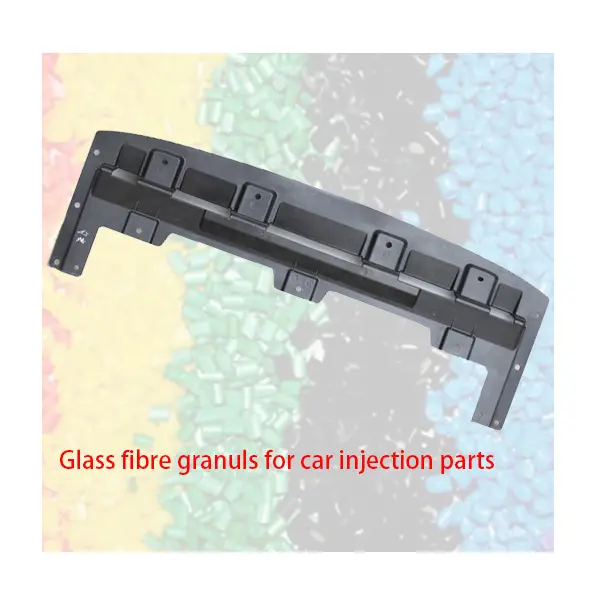
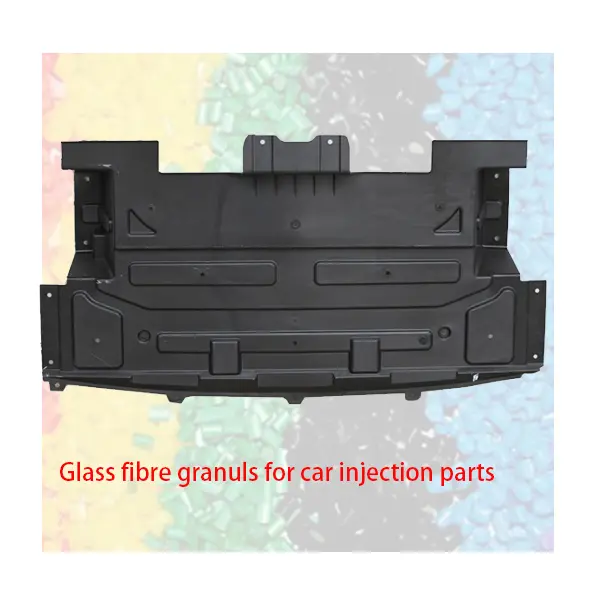
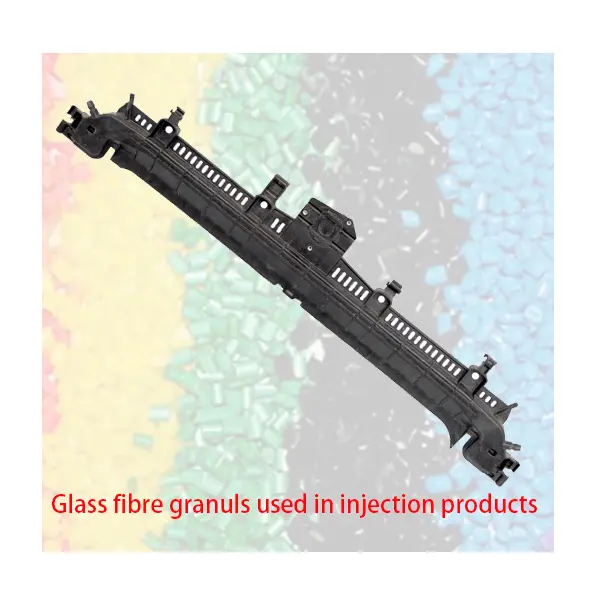
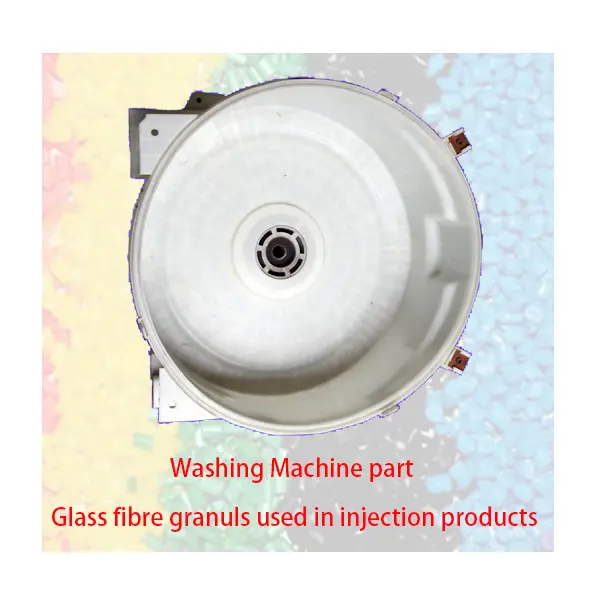
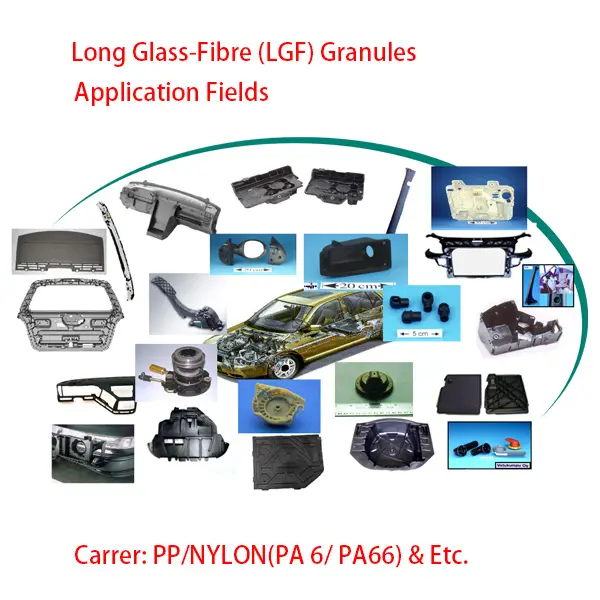
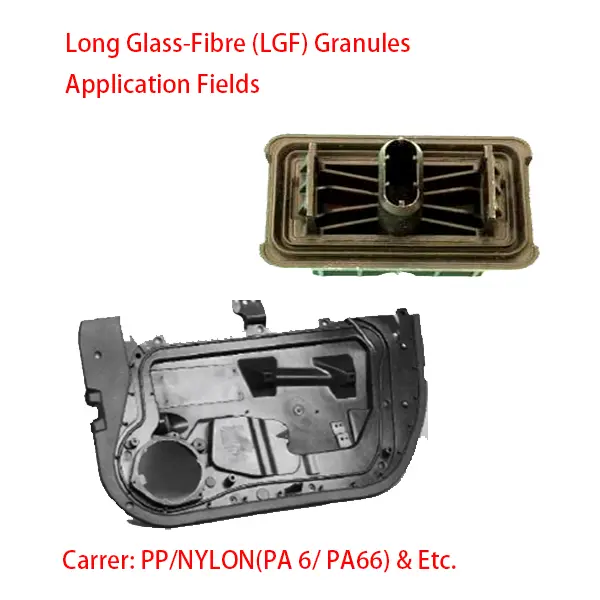
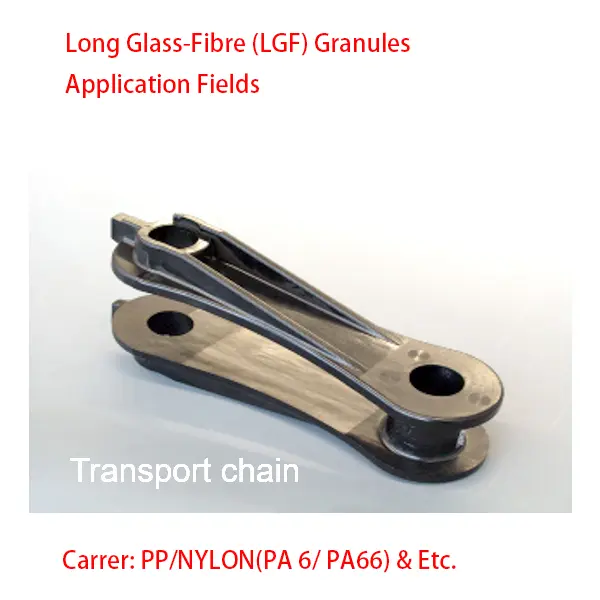
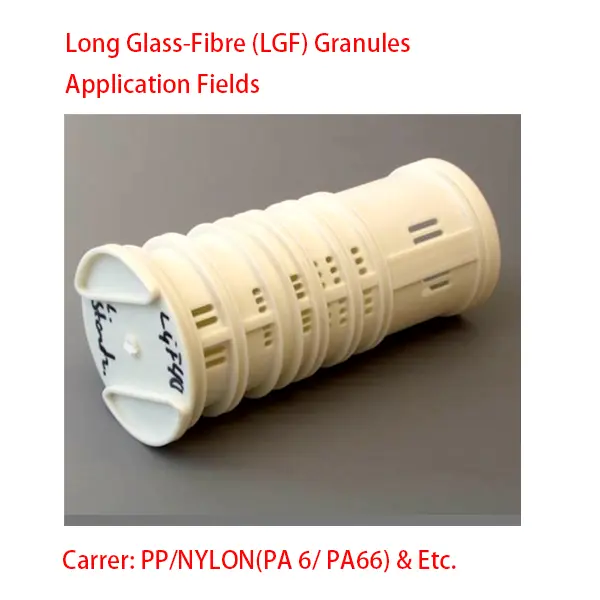
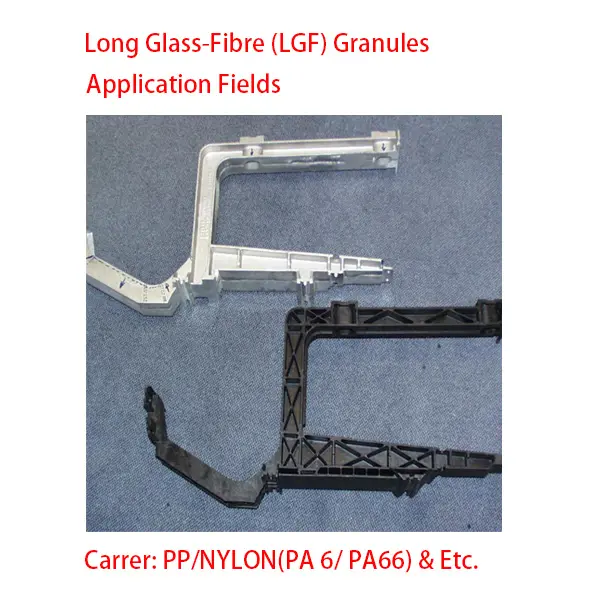
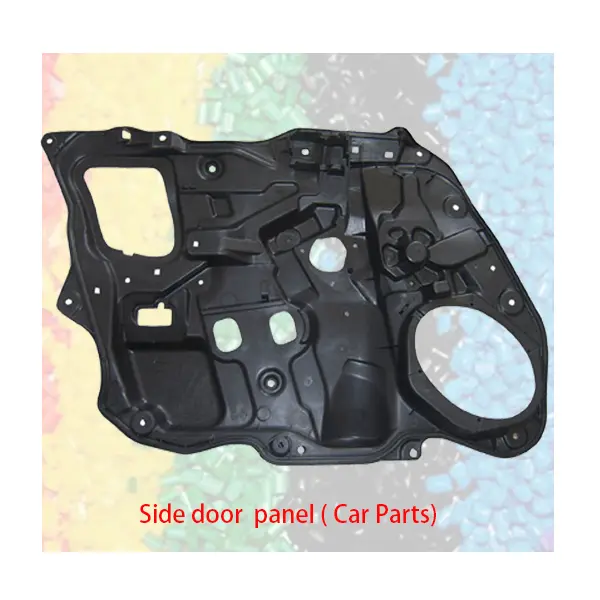
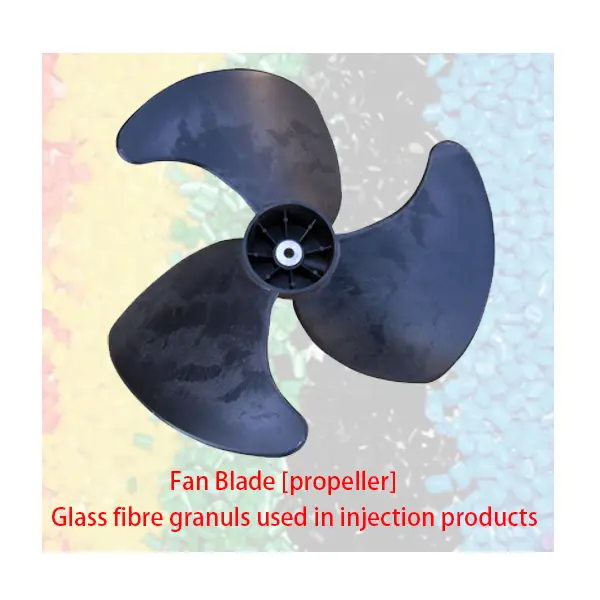
In various industrial sectors, PP-LGF composites are increasingly substituted for traditional materials. Understanding regional application demands helps developers match the appropriate resin matrix and compound formula to the target environment.
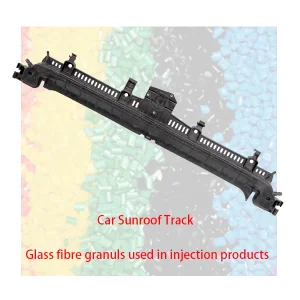
The automotive industry remains the primary consumer of PP-LGF composites. For internal combustion engine (ICE) vehicles and Electric Vehicles (EVs) alike, reducing component mass helps lower fuel consumption and extend battery range. Key applications include:
Modern washing machines, dishwashers, and dryers operate under dynamic physical loads and humid conditions. PP-LGF is used in washing machine drums, outer tubs, and water pump casings due to its excellent water resistance and mechanical properties. Unlike cast aluminum or standard plastics, PP-LGF components maintain dimensional stability over long cycles of thermal expansion and contraction, reducing operational vibration and noise.
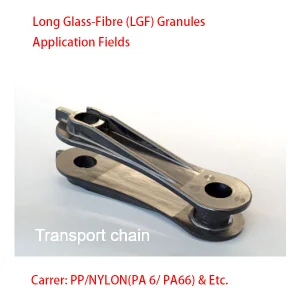
In materials handling, structural parts like industrial pallets, storage crates, and transport frames must withstand continuous loads. High-performance PP-LGF compounds offer excellent fatigue resistance, allowing these components to sustain loads under outdoor environmental conditions without structural failure.
The next generation of high-performance thermoplastic composites is shifting toward sustainable formulations, hybrid reinforcements, and optimized processing techniques. As global standards for material circularity tighten, manufacturers must adapt their raw materials and production processes.
Historically, recycling glass-fiber composites led to significant fiber degradation. Modern recycling systems employ specialized regrinding and compounding to maintain sufficient fiber lengths, enabling the reuse of post-industrial PP-LGF scrap.
By blending long glass fibers with high-modulus continuous glass fiber tapes or long carbon fibers (LCF), manufacturers can tailor mechanical properties, optimizing strength and cost.
Research into bio-polypropylene (derived from plant oils or biomass waste) coupled with natural or basalt fibers is expanding. This helps reduce the carbon footprint of structural plastics.
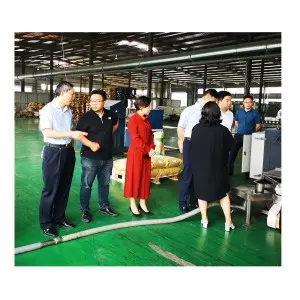
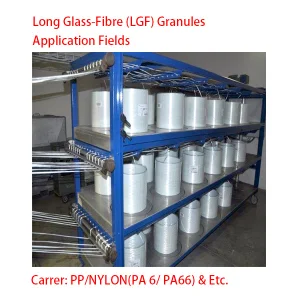
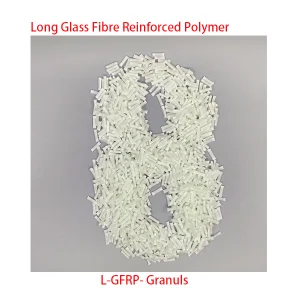
The clients visited our factory today, and conducted a professional and rigorous inspection for the PA6 and PA66 long GFRP (Glass-Fiber-Reinforced-Polymer) granules. They were satisfied with our product quality and quality control processes. Reported by Lu.
VIEW MORE +Our company has set up a new production line in the workshop, which began operations today. The equipment is functioning normally and output capacity is matching target targets.
VIEW MORE +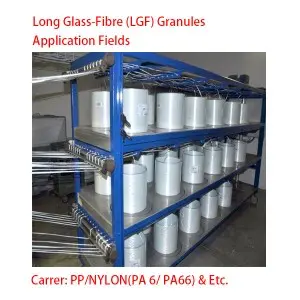
The main difference is the fiber length within the molded part. Short glass fibers are typically under 1 mm, whereas long glass fibers retain a length of 10 to 25 mm in the pellet, forming a three-dimensional fiber network inside the injection-molded component. This structure significantly increases impact strength, creep resistance, and dimensional stability under load.
Polypropylene is hydrophobic and has negligible moisture absorption (typically under 0.05% at saturation). In contrast, Polyamide (PA) is hydrophilic and can absorb up to 2-8% moisture, which can degrade its tensile strength and alter its dimensions. PP-LGF is often preferred for applications exposed to moisture or humid environments.
To preserve fiber length, processors should use a low-compression screw (compression ratio 2.0:1 or lower) with deep flight channels and avoid check-valves with restrictive designs. Gate sizes should be optimized (typically 2.0 mm or larger) and sharp bends or restrictions in the runner system should be avoided.
The density of PP-LGF30 is approximately 1.12 to 1.15 g/cm³, compared to cast aluminum at about 2.7 g/cm³. This difference allows for structural component weight reductions of 40-50% in applications such as front-end brackets and motor covers.
Yes, PP-LGF is fully recyclable as a thermoplastic. However, recycling processes can shorten the glass fibers. To maintain structural performance, recycled PP-LGF is typically blended with virgin material at specified ratios, or used for non-structural, lower-spec components.
 Best Composite