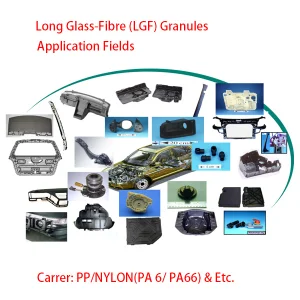
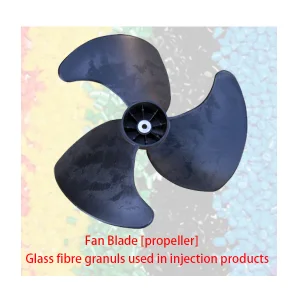
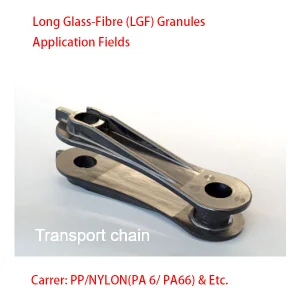
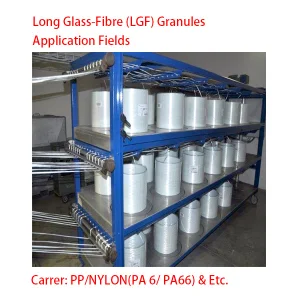
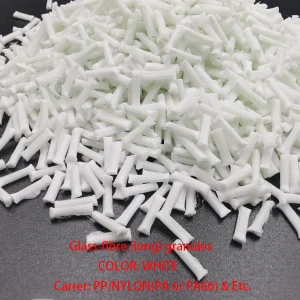
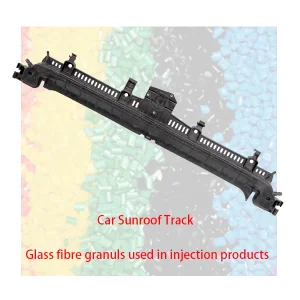
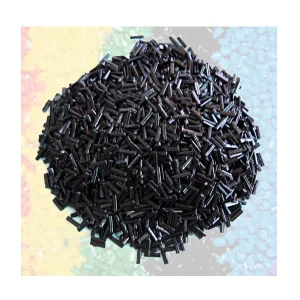
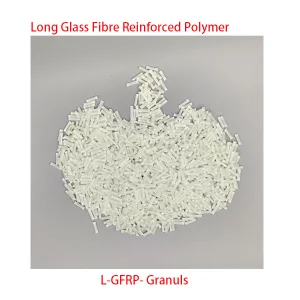
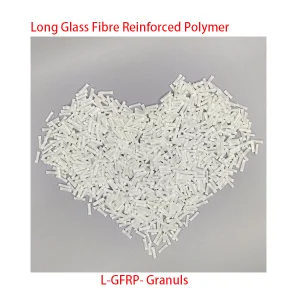
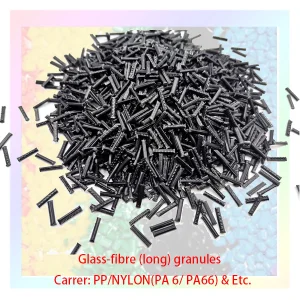
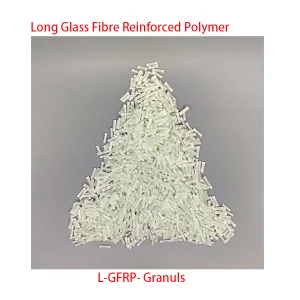
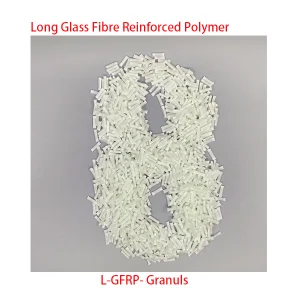
In the evolving landscape of European manufacturing, Long Glass-Fibre Reinforced Granules (LGF) have emerged as a critical material for high-performance applications. Belgium, characterized by its robust automotive clusters (such as those centered around Ghent and Antwerp) and its ambitious transition toward green energy and circular economy, represents a high-value market for advanced polymer composites.
The Belgium Market Landscape: Belgian manufacturers are increasingly pivoting towards "Lightweighting." Whether it is the automotive industry looking to replace heavy metal components with high-strength plastic alternatives to improve electric vehicle (EV) battery range, or the wind energy sector requiring durable, heat-resistant components, LGF granules provide the necessary mechanical properties—high impact resistance, structural rigidity, and thermal stability—to meet these demands.
Enterprises like Jurong Best Composite Materials Co., Ltd. are bridging the gap between global material requirements and supply chain efficiency. Based in the heart of China's chemical and material processing hub, Chinese manufacturers offer distinct advantages:
Replacing metal in chassis, front-end modules, and pedal boxes to reduce weight.
Reinforced components for wind turbine housings and solar panel mounting systems.
Heavy-duty gears, pumps, and housings that require extreme durability.
Global procurement managers are shifting away from transactional sourcing toward long-term strategic partnerships. The modern requirement is not just for a "supplier," but for a "co-development partner." Belgian firms are actively seeking suppliers who offer:
Q: What makes LGF granules better than short glass fiber?
A: LGF granules feature a long, skeleton-like fiber structure after injection molding, which provides superior impact resistance, creep resistance, and dimensional stability.
Q: How does Jurong Best ensure quality for international clients?
A: Our QC process includes rigorous testing of fiber dispersion, tensile strength, and notch impact testing, followed by ISO-standard certification.
Q: Is it difficult to ship to Belgium?
A: Not at all. We leverage the established trade routes between the Yangtze River Delta and major European ports, handling all necessary documentation for seamless customs clearance.
 Best Composite