Initial Structural Solutions Configured for Exceptional Dynamic Load Retention and Extreme Thermal Endurance
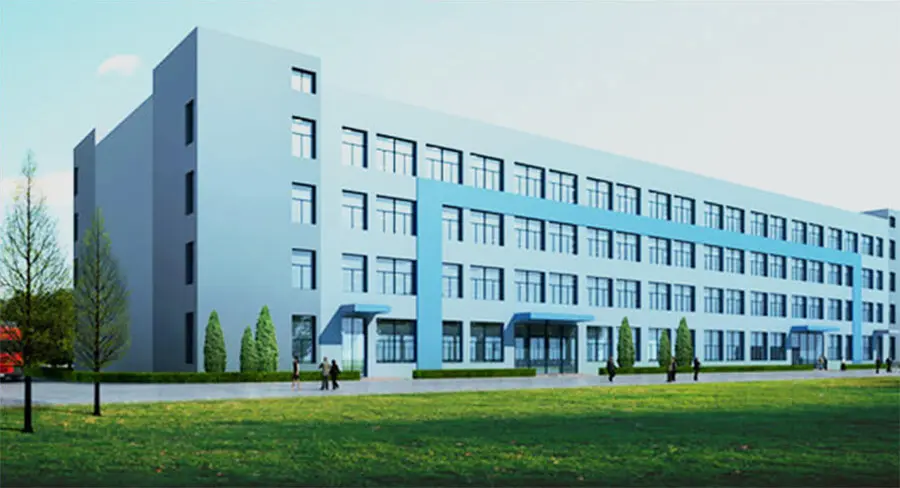
Jurong Best Composite Materials Co., Ltd. is strategically located in the ancient town of Maoshan, which has a deeply rooted industrial history of over a thousand years. The modern manufacturing facility is an integral part of Jurong City, Zhenjiang, Jiangsu Province. Positioned dynamically on the lower reaches of the Yangtze River, adjacent to the logistics capital of Nanjing, the factory is in exceptionally close proximity to Nanjing Lukou International Airport.
Logistical fluidity is guaranteed via the Jianning-Taicang Expressway (spanning from Nanjing to Taicang) which passes directly through the industrial area, alongside the Jurong exit of the Shanghai-Nanjing Expressway which links seamlessly to the deepwater maritime facilities of Zhenjiang Port and Nanjing Port. Benefiting directly from the industrial radiation and supply chain clustering of the Yangtze River Delta Economic Zone, our transport infrastructure ensures rapid, cost-optimized deployment of high-performance composite resins to international shipping routes serving West Africa and global processing plants.
An Analytical Assessment of Material Science Adaptations to the Sahelian Climate and Industrial Modernization
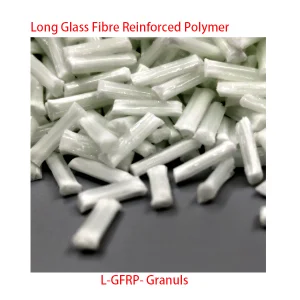
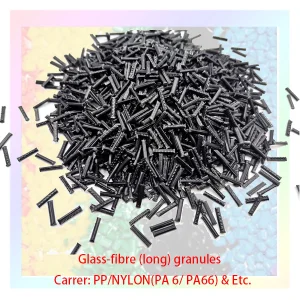
Long Glass-Fibre Reinforced Polybutylene Terephthalate (LGF-PBT) represents a paradigm shift in structural engineering plastics. Unlike conventional short glass fiber materials where fiber lengths fall below 1mm, LGF-PBT retains a continuous, interlinked three-dimensional skeletal matrix within the molded component, with fiber lengths typically ranging from 5mm to 25mm. This structural internal network allows for highly efficient mechanical stress distribution throughout the polymer matrix.
The choice of PBT as the crystalline base polymer provides inherent advantages: exceptional chemical resistance to hydrocarbons, dimensional stability under severe hydric fluctuations, and excellent electrical insulating properties. When cross-linked with optimized long glass fiber internal skeletons, the composite achieves a tensile modulus that approaches die-cast metal alloys, while eliminating corrosion vulnerability and drastically reducing dead-weight constraints.
Retains superior structural integrity at elevated ambient temperatures exceeding 45°C without structural sagging or creeping over extended load periods.
Engineered specific matrix chemistry ensures resistance against the seasonal high humidity spikes characteristic of the sub-Saharan monsoon transitions.
The continuous fiber mesh network disperses mechanical energy rapidly, preventing sudden catastrophic brittle failure under shock loading stresses.
Mali's industrial and economic framework is undergoing a profound structural evolution. Driven by robust capital investments in gold mining infrastructures across regions like Kayes and Sikasso, combined with massive state-backed solar electrification rollouts, the demand for extreme-environment materials has escalated significantly. Traditional metals face acute challenges in the region due to corrosive mineral processing chemicals, high atmospheric dust abrasion, and intense UV exposure.
The implementation of LGF-PBT within Mali’s domestic and regional supply chains satisfies a critical engineering need: the mitigation of mechanical downtime in remote industrial installations. From deep-well agricultural pump impellers to photovoltaic panel support brackets and heavy mining instrumentation housings, this material ensures system longevity. Its high thermal deformation threshold allows tracking systems and structural field gear to operate flawlessly under intense desert solar radiation conditions without experiencing dimensional warping.
Global supply chain managers are shifting away from over-engineered metallic components toward advanced composite polymers to lower total cost of ownership (TCO) and reduce carbon footprints during maritime transport. For West African industrial enterprises operating in Mali, sourcing directly from specialized compounding centers is essential for maintaining project viability.
Procurement metrics focus on chemical batch uniformity, fiber-to-resin boundary adhesion consistency, and long-term price stability. By consolidating purchasing portfolios into specialized structural composites like LGF-PBT, LGF-PP, and LGF-PA, regional infrastructure developers can simplify their spare parts tracking and design universal injection molds that operate reliably across multiple severe application environments.
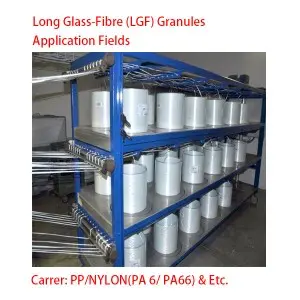
The production of premium-grade long-fiber composites requires precise control over the continuous pultrusion melt-impregnation process. Jurong Best Composite Materials Co., Ltd. embodies the Factory 4.0 paradigm by integrating automated real-time tension control, ultrasonic matrix wet-out monitoring, and precision pelletizing lines. This closed-loop manufacturing architecture minimizes structural fiber shearing, ensuring every batch delivered to the international market features consistent aspect ratios and optimal fiber orientation.
Furthermore, our geographic position within the Yangtze River Delta cluster provides unparalleled supply chain resilience. Even during periods of global logistics volatility, our direct links to the deep-water container terminals of Zhenjiang Port and Nanjing Port enable rapid transport coordination to major West African maritime hubs like the Port of Dakar or Port of Abidjan, ensuring stable overland transit directly to Bamako. This integration protects your operations from long lead times and prevents inventory stock-outs.
Where Advanced Composite Engineering Solves Concrete Sub-Saharan Industrial Challenges
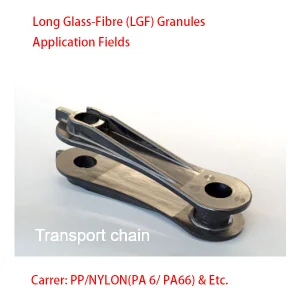
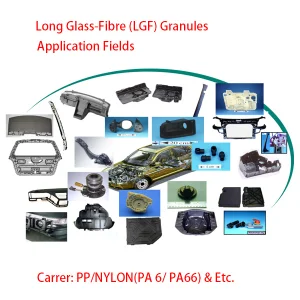
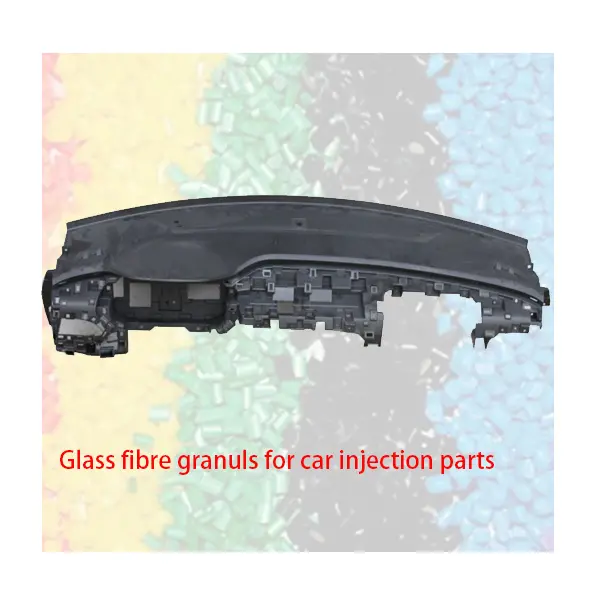
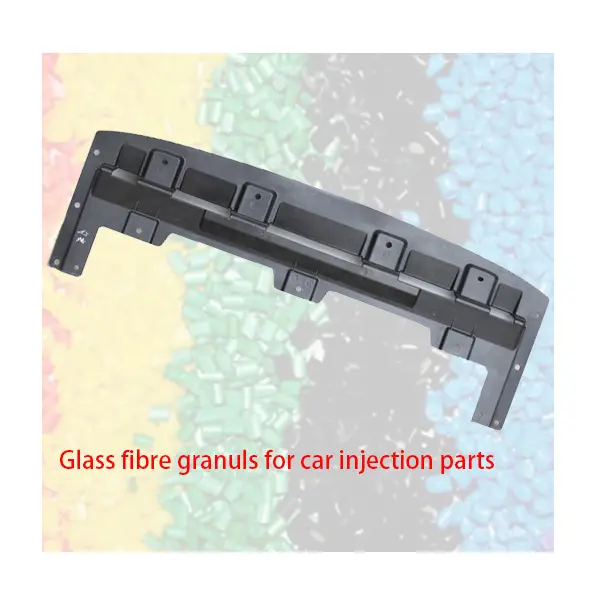
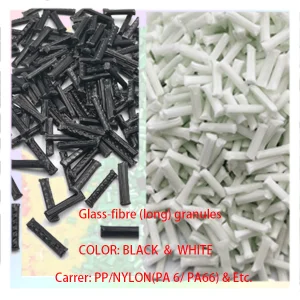
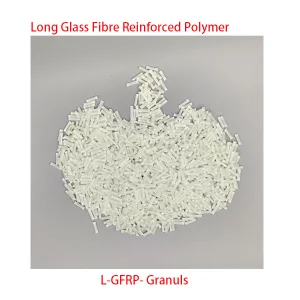
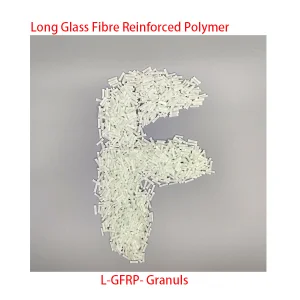
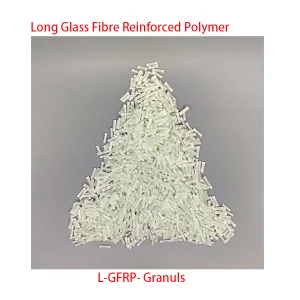
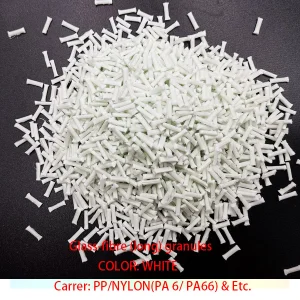
The specialized high-modulus GFRP granules manufactured in our facility are engineered to produce a wide range of critical components requiring advanced load-bearing profiles. These include modern automotive structural parts, durable commercial washing machine components, heavy-duty industrial valves, fluid management components, and high-reliability structural enclosures for outdoor electronic instrumentation.
In municipal and industrial contexts, these granules serve as direct structural replacements for cast iron and aluminum housings, delivering substantial weight reductions while maximizing lifecycle performance under tough operating environments.

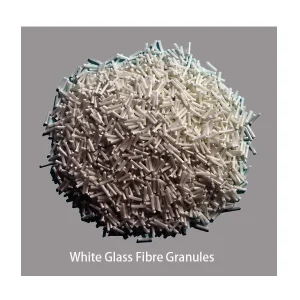
Fully Traceable Structural Granules Configured for Global Deployment and Heavy Industrial Injection Processing
Transparent Verification of Our Continuous Technological Evolution and Strict Quality Control Benchmarks
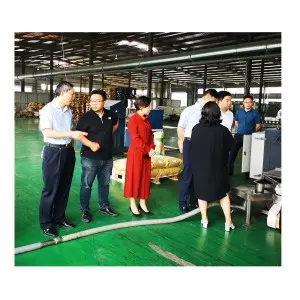
Our processing site hosted an international client inspection team for a technical audit of our PA6 and PA66 long GFRP (Glass-Fiber-Reinforced-Polymer) production runs. The delegation conducted strict mechanical testing, cross-sectional fiber dispersion analysis, and tensile modulus evaluation. The audit concluded with exceptional marks for our continuous pultrusion line stability and batch-to-batch consistency. (Reported by Lu)
We successfully brought online our newest high-speed continuous GFRP composite machine line. This advanced system integrates laser fiber alignment and automated resin viscosity adjustments. It met all initial throughput targets and engineering tolerances, boosting our production capacity for international structural projects by 35%.
Addressing Crucial Material Engineering Questions from Procurement Officers and Structural Engineers
A: Short glass fiber compounds typically feature internal fiber lengths of less than 1mm, which can lead to localized stress concentration points under high loads. LGF-PBT preserves an internal 3D structural mesh with fiber lengths between 5mm and 25mm. This continuous mesh allows for efficient mechanical load transfer across the component, resulting in higher flexural strength, superior creep resistance under constant pressure, and significantly improved impact resistance at both low and high operating temperatures.
A: LGF-PBT is specifically engineered to resist thermal degradation and warping under high atmospheric heat. It maintains a high Heat Deflection Temperature (HDT) up to 210°C, ensuring excellent structural stability even when components are exposed to direct solar radiation and extreme daytime-to-nighttime temperature shifts. Its low moisture absorption coefficient (<0.08%) also protects it from hydrolytic breakdown during sudden seasonal humidity shifts.
A: Every batch undergoes rigorous quality testing, including automated pellet length and diameter uniformity inspection, matrix-to-fiber adhesion analysis via scanning electron microscopy, melt flow index (MFI) verification, and standard ASTM testing for tensile, flexural, and Izod impact properties. This ensures our materials deliver dependable performance through international shipping and demanding injection molding processes.
A: Yes, our LGF-PBT granules are designed for standard injection molding equipment. However, to preserve the long-fiber advantages within the finished component, engineers should optimize processing parameters by using low back-pressure settings, reduced screw speeds, and generous gate profiles to minimize fiber breakage during plasticization.
A: By leveraging our strategic position within the Yangtze River Delta logistics cluster, shipments are rapidly routed from Zhenjiang Port or Nanjing Port to primary West African ocean ports such as Dakar or Abidjan. From there, coordinated rail and road freight transport handles inland transit to the Bamako industrial zone. Total transit times normally range between 35 and 45 days, depending on shipping line schedules and customs clearings.
Whether you are designing heavy mining equipment parts for the West African gold corridor, manufacturing durable structural electronics housings, or developing modern agricultural fluid systems, our experienced engineering team is ready to provide tailored compounding solutions that match your specific project requirements.
 Best Composite