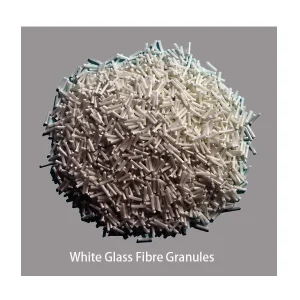
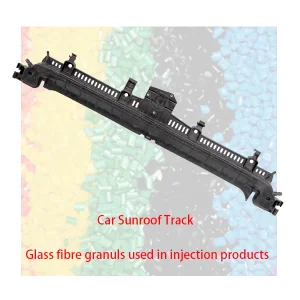
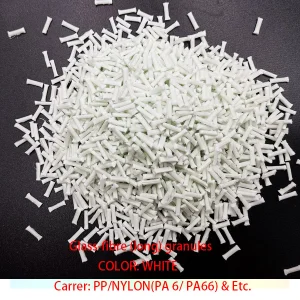
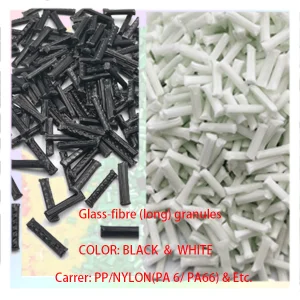
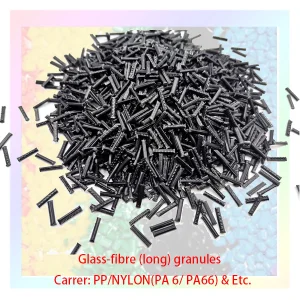
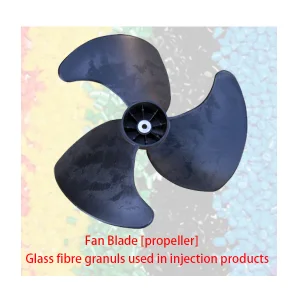
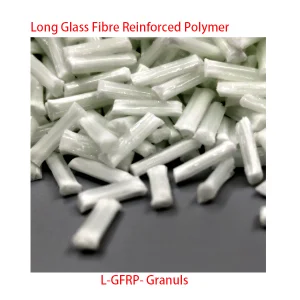
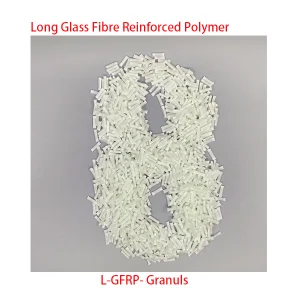
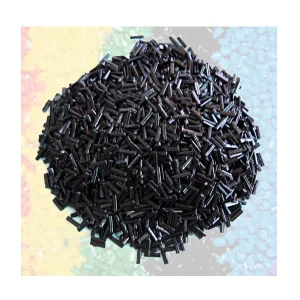
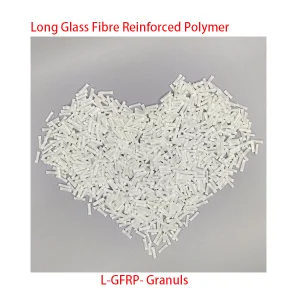
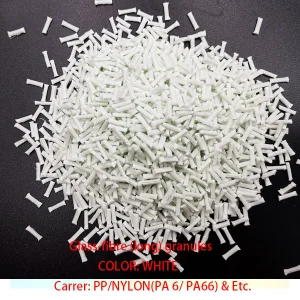
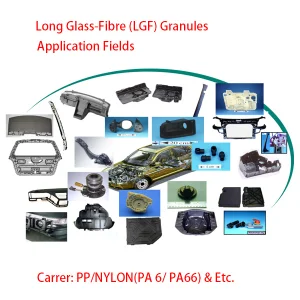
Turkey stands as a pivotal bridge between Europe and Asia, possessing a robust automotive and white goods manufacturing sector. As the Turkish automotive industry accelerates toward electrification—led by national initiatives like Togg—the demand for high-performance thermoplastic composites, specifically Long Glass-Fibre Reinforced PBT (Polybutylene Terephthalate), is skyrocketing.
Our LGF-PBT materials provide the necessary thermal stability, chemical resistance, and mechanical strength required for under-the-hood components, connectors, and structural housings. For the Turkish market, we offer not just materials, but a strategic partnership.
In an era of global volatility, supply chain security is paramount. Our manufacturing facility in Jiangsu, China, integrates Industry 4.0 standards to ensure every batch of LGF-PBT meets global automotive specifications.
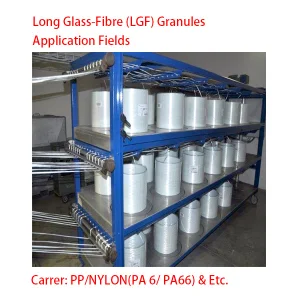
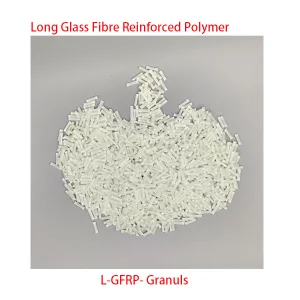
We leverage automated fiber-impregnation lines and real-time data monitoring to eliminate variability. By optimizing the "Fiber Length Retention" technology, we ensure that our PBT granules deliver superior impact resistance compared to standard short glass fiber alternatives, providing Turkish OEMs with significant weight-reduction and cost-efficiency advantages.
A: LGF-PBT offers an optimal balance of stiffness, toughness, and thermal stability. In Turkish automotive manufacturing, where parts are subjected to diverse climatic conditions, PBT's resistance to hydrolysis and chemicals makes it the material of choice over standard glass-filled resins.
A: Absolutely. We have extensive experience navigating international quality standards and can provide the necessary documentation (CE, ISO, SGS) required for importing into Turkey, ensuring compliance for your manufacturing supply chain.
A: We optimize our logistics strategy to utilize the most efficient sea and rail freight routes connecting Jiangsu, China, to major Turkish ports, ensuring lead times are minimized while maintaining cost-effectiveness.
 Best Composite