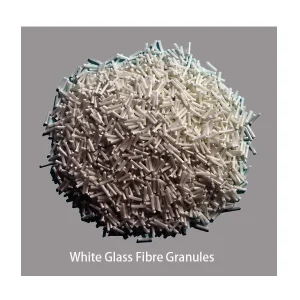
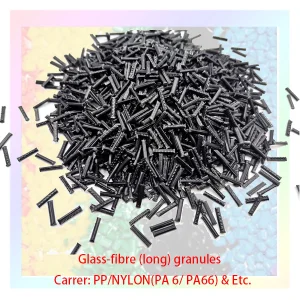
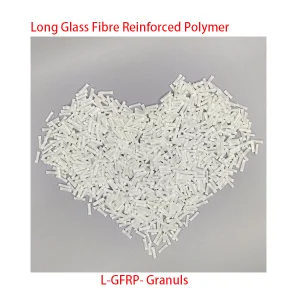
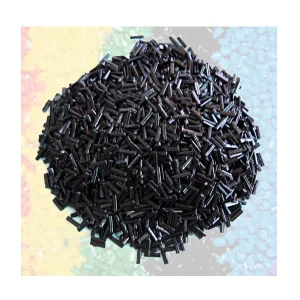
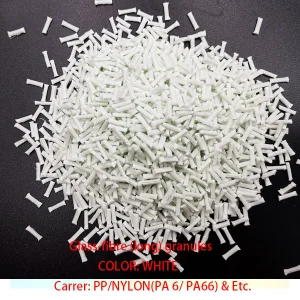
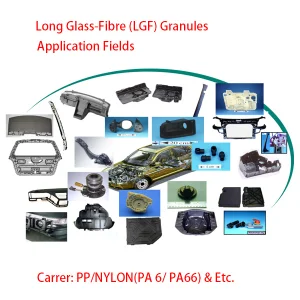
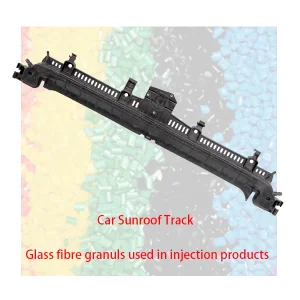
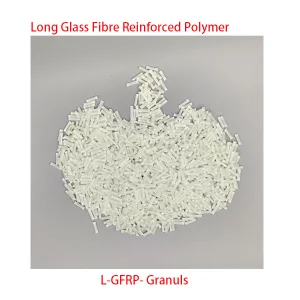
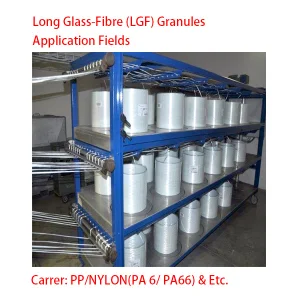
As Azerbaijan continues to diversify its industrial base beyond the energy sector, the demand for high-performance engineering thermoplastics, specifically Long Glass-Fibre Reinforced Polybutylene Terephthalate (LGF-PBT), is witnessing unprecedented growth. This material is critical for automotive components, electronic connectors, and structural parts that require extreme thermal stability and dimensional accuracy.
With infrastructure projects in Baku and the expansion of domestic automotive assembly, there is a shift toward "lightweighting." LGF-PBT offers the structural rigidity of metal at a fraction of the weight, making it the preferred choice for modern vehicle chassis components and industrial housing.
Our manufacturing facilities operate on Industry 4.0 standards. By integrating IoT-driven quality monitoring, we ensure that every batch of LGF-PBT exhibits consistent fiber length distribution. This precision is the "Information Gain" that reduces your rejection rates during injection molding.
In a global market, reliability is the new currency. We maintain strict supply chain protocols, ensuring that logistical bottlenecks do not impede your production schedules in Azerbaijan. From raw material sourcing to shipping, our processes are optimized for global resilience.
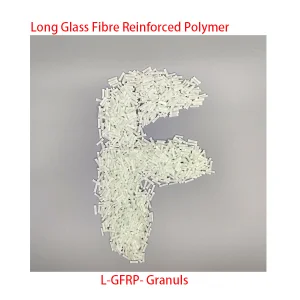
Unlike standard short-glass fibers, Long Glass-Fibre Reinforced PBT provides a distinct mechanical advantage due to the fiber-skeleton network formed during injection molding. This structure creates superior:
A: Yes, we specialize in international logistics and provide full export documentation and support for businesses operating in Azerbaijan.
A: The "Long" fiber length creates an internal skeletal structure, resulting in significantly higher impact strength, creep resistance, and dimensional stability compared to short-fiber alternatives.
A: Absolutely. Our technical team works with clients to engineer the precise fiber percentage (typically 20%-50%) required for your specific injection molding needs.
 Best Composite