Engineered composites for extreme industrial requirements.
In the realm of advanced structural materials, Elastic Modulus (Young's Modulus) is the defining parameter for performance. It measures a material's resistance to elastic deformation under load. For carbon fiber, this modulus isn't just a number—it's the foundation of aerospace safety, automotive efficiency, and sports performance.
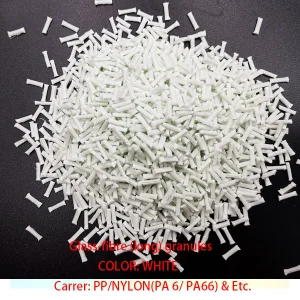
As a leading Carbon Fiber Elastic Modulus manufacturer, we specialize in tailoring the atomic alignment of carbon layers to achieve specific stiffness profiles. Whether you require Standard Modulus (SM) for general structural use or Ultra-High Modulus (UHM) for satellite components, our manufacturing process ensures consistency across every filament.
How Carbon Fiber Elastic Modulus is shaping the 2025-2030 industrial landscape.
The global push for Net-Zero is forcing industries to reduce weight. High elastic modulus composites allow for thinner, lighter structures without sacrificing structural integrity, reducing energy consumption in transport by up to 30%.
Electric Vehicle battery enclosures now require materials with high specific stiffness (Modulus/Density) to protect battery cells during impact while minimizing the "range-killing" weight of traditional steel.
Global suppliers are seeing a 40% increase in demand for carbon fiber reinforced polymers (CFRP) in bridge and seismic retrofitting, where high-modulus strips provide external reinforcement to aging concrete.
As wind turbine blades exceed 100 meters, glass fiber reaches its physical limits. Only high-modulus carbon fiber can prevent blade "droop" and maintain aerodynamic efficiency under high torque.
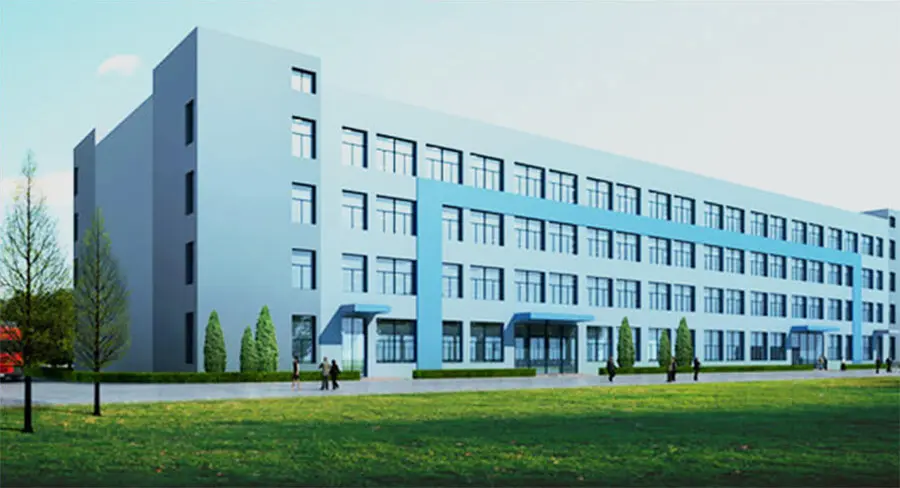
Jurong Best Composite Materials Co., Ltd. is located in the ancient town of Maoshan, which has a history of over a thousand years. The town is part of Jurong City, Zhenjiang, Jiangsu Province. It is situated on the lower reaches of the Yangtze River, adjacent to Nanjing, and is close to Nanjing Lukou International Airport.
Benefiting from the radiation of the Yangtze River Delta Economic Zone, the transportation is very convenient via the Jianning-Taicang Expressway and Shanghai-Nanjing Expressway. We leverage this strategic location to serve as a premier supplier of high-performance composite granules.
Our 5-step engineering process to guarantee material consistency.
We utilize high-purity PAN (Polyacrylonitrile) precursors, ensuring the molecular chain is optimized for high-temperature carbonization.
By heating fibers up to 3,000°C, we control the crystal orientation. Higher temperatures result in higher elastic modulus but require precise atmospheric control.
Oxidation treatment improves fiber-to-resin bonding, ensuring that the high modulus of the fiber translates effectively to the final composite part.
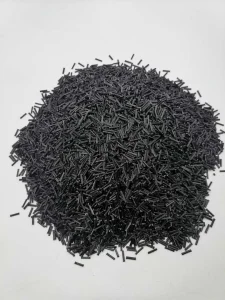
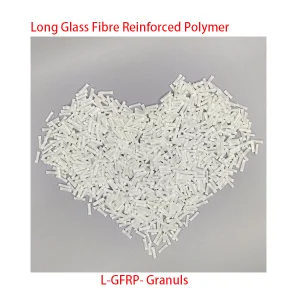
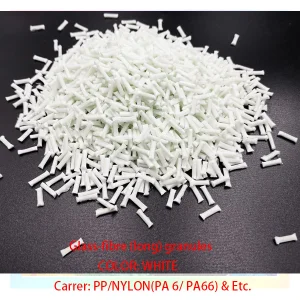
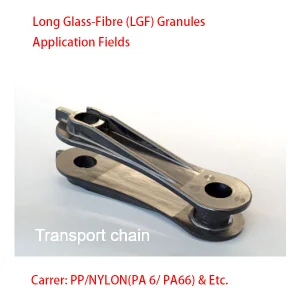
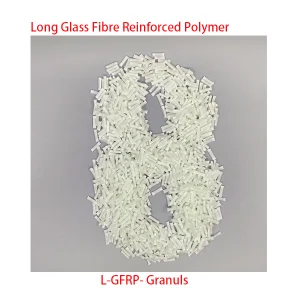
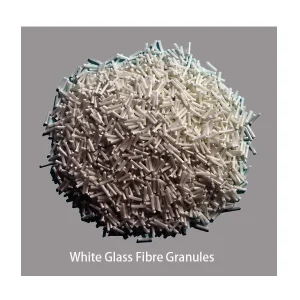
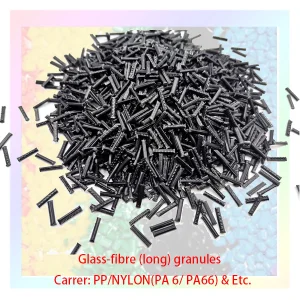
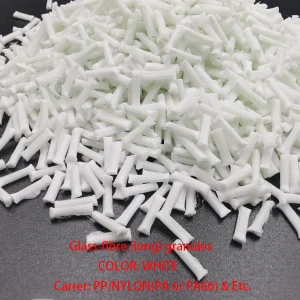
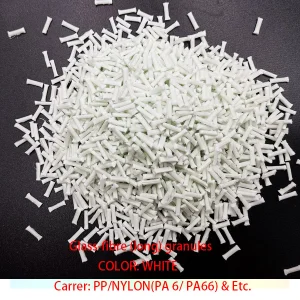
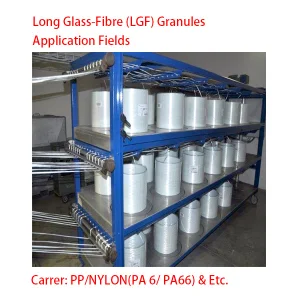
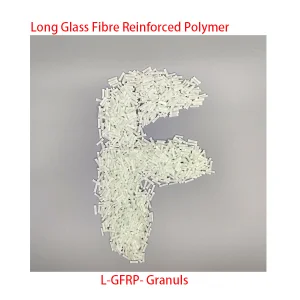
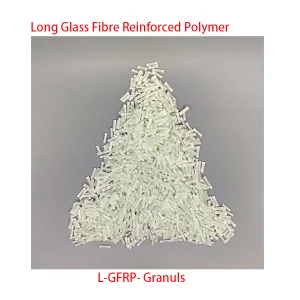
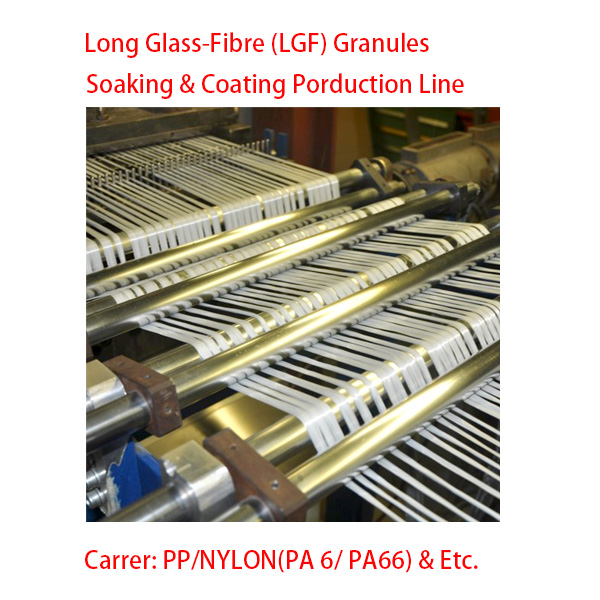
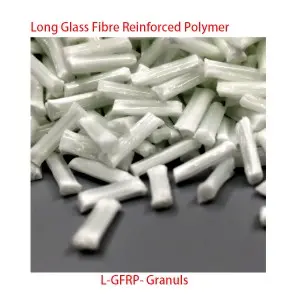
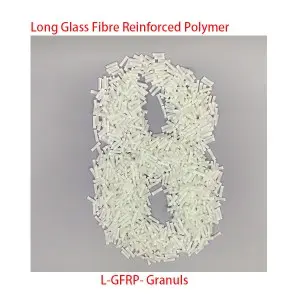
Our Long Glass/Carbon Fiber technology ensures fibers remain intact during injection molding, preserving the "Modulus Advantage."
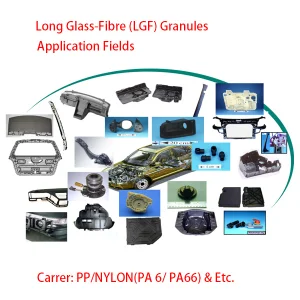
From high-speed rail to consumer electronics, here is where our modulus expertise matters.
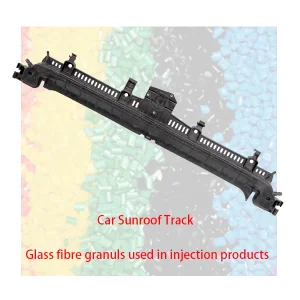
Replacing steel sunroof tracks with our GFRP-PA6 composites reduces weight by 45% while maintaining the exact stiffness needed for smooth mechanical operation.
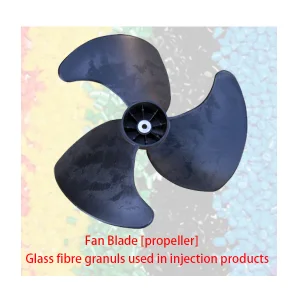
Washing machine internal supports and high-speed pump impellers utilize our high-modulus granules to resist fatigue and prevent vibration-induced failure.
Internal frames for high-end laptops and drones require ultra-thin walls. High-modulus carbon fiber allows these frames to stay rigid even when only 0.8mm thick.
As a forward-thinking manufacturer, we don't just supply raw materials; we provide integrated engineering solutions. Our vision for 2030 includes the integration of Smart Composites—fibers embedded with sensors to monitor modulus changes in real-time, predicting structural failure before it happens.
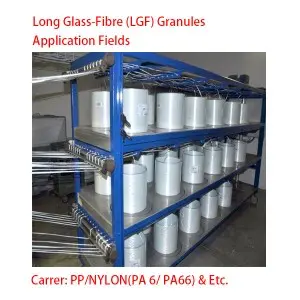
Our new GFRP machine line is now fully operational, increasing output by 150% to meet global demand for high-stiffness PA66 granules.
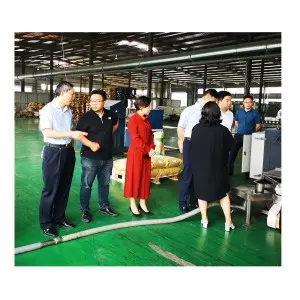
International clients recently completed a rigorous inspection of our PA6/PA66 production processes, certifying us for aerospace-grade supply chains.
Expert answers to the most common technical inquiries.
Get in touch with our material engineers today for a custom quote on high-modulus carbon fiber and glass fiber granules.
 Best Composite