Material Overview
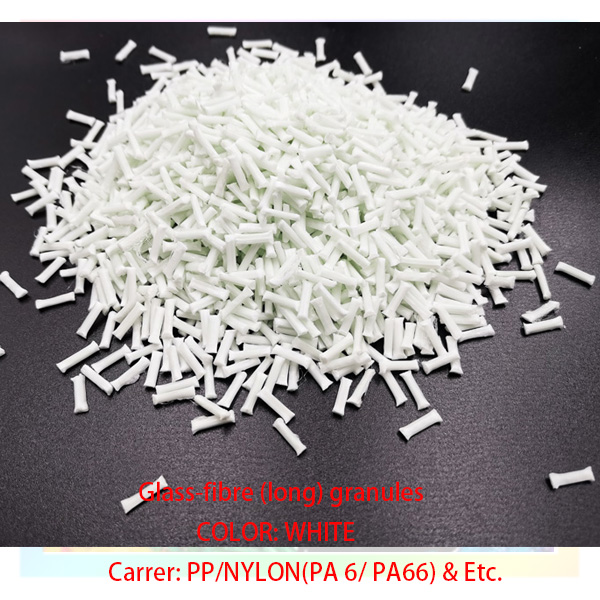
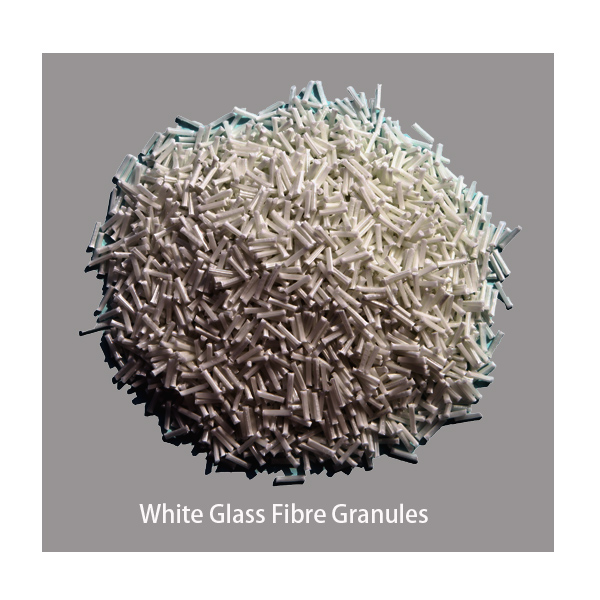
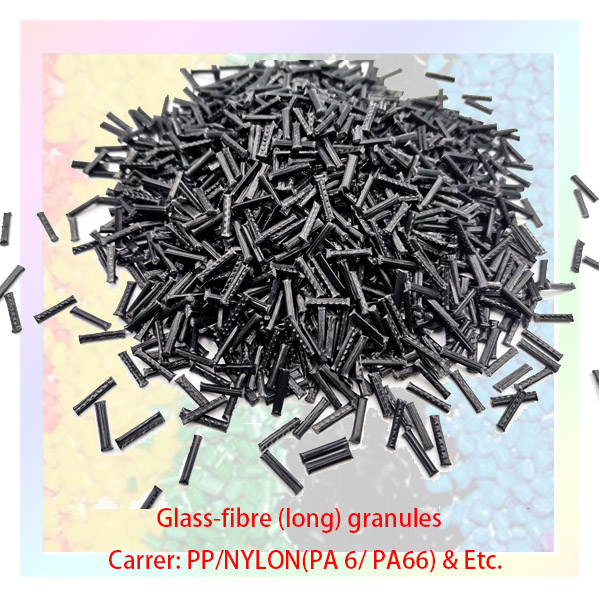
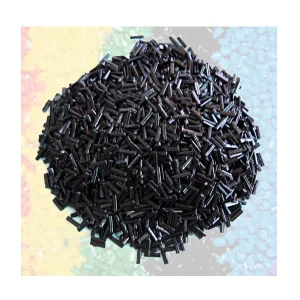
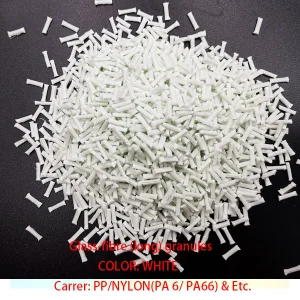
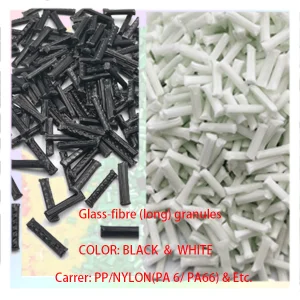
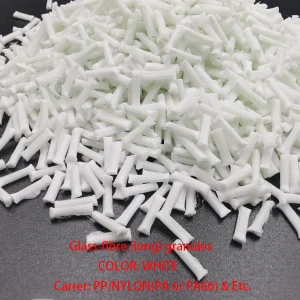
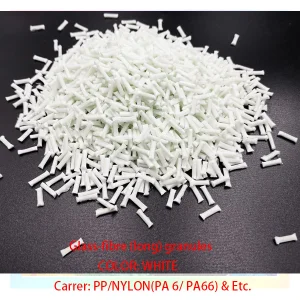
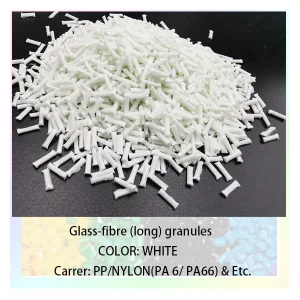
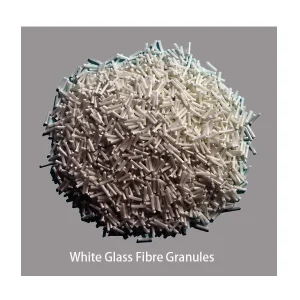
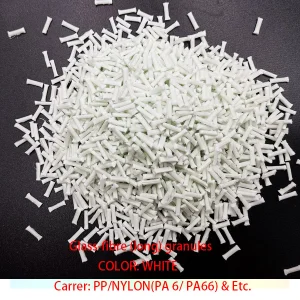
Long Glass Fibre Reinforced Granules-Thermoplastic Polyurethane-TPU offers a powerful combination of performance metrics. Specifically, Long Glass Fiber Reinforced Polypropylene provides fatigue strength at high temperatures of 120°C that is twice that of short glass fiber reinforced PP, and even exceeds the heat resistance of glass fiber reinforced nylon by 10%.
Max Added Percentage: 30% Long Glass-Fiber
Carrier Materials: PP / PE / NYLON 6 & 66 / PTB / TPU / PPS / PPA
Key Advantages
✓
Lightweight & Non-Corrosive: Ideal for modern industrial demands and long-term durability.
✓
Easy Integration: Simplifies assembly processes by allowing parts to be integrated efficiently.
✓
Dimensional Stability: Outstanding strength and stability even in complex thin-walled structural components.
✓
Design Freedom: Excellent flow properties allow for high design flexibility in manufacturing.
Application Fields
Automobile Parts
(Bumpers, Instruments, Side Doors)
Communication Devices
(Cell Phone Shells)
Household Appliances
(Kitchen Mixers, Fan Parts)
Washing Machine
Components
Frequently Asked Questions
● What is the maximum fiber content available in these granules?
The maximum added percentage of Long Glass-Fiber in these thermoplastic granules is 30%.
● How does LGF PP perform under high-temperature conditions?
LGF PP exhibits exceptional heat resistance; its fatigue strength at 120°C is twice that of short glass fiber reinforced PP and 10% higher than glass fiber reinforced nylon.
● What are the benefits of using LGF PP in automotive assembly?
LGF PP is lightweight, non-corrosive, and allows for the easy integration of parts, which significantly simplifies the vehicle assembly process.
● Which carrier materials can be used with these reinforced fibers?
Compatible carrier materials include PP, PE, NYLON 6 & 66, PTB, TPU, PPS, and PPA.
● Is this material suitable for thin-walled components?
Yes, the material offers high flow characteristics and outstanding dimensional stability, making it excellent for thin-walled structural components and complex designs.
● What common household products use these materials?
Typical applications include kitchen mixer shells, blade gears, fan parts, and various washing machine components.
 Best Composite