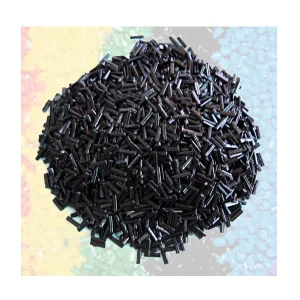
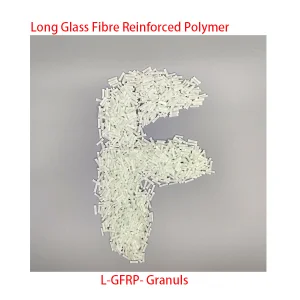
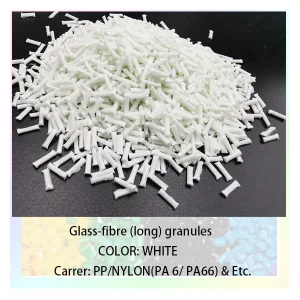
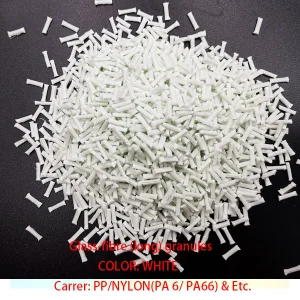
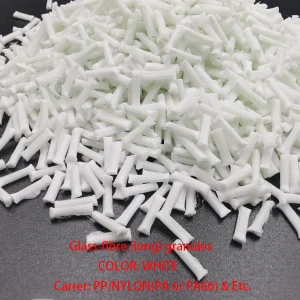
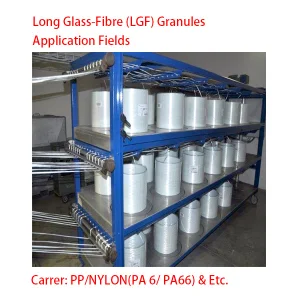
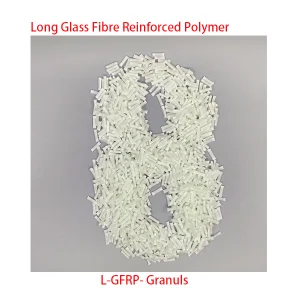
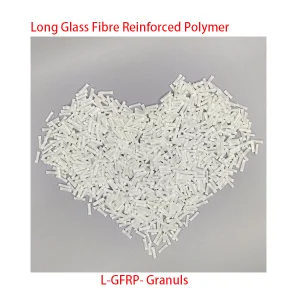
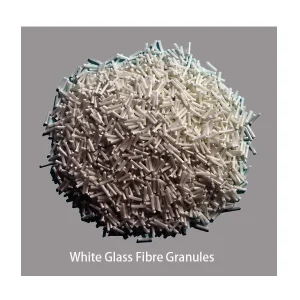
In the contemporary industrial landscape, the shift from traditional metal components to high-performance, high-impact strength plastics represents a paradigm shift in engineering. Materials such as LGF (Long Glass Fiber) reinforced polymers are no longer just alternatives; they are now primary drivers of innovation in sectors ranging from automotive to consumer electronics.
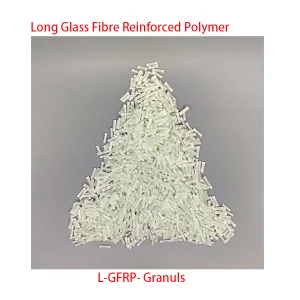
The global demand is moving decisively toward weight reduction without compromising structural integrity. High-impact strength composites—specifically long glass fiber reinforced PA6/PA66 and PP—provide the necessary mechanical properties to withstand harsh environments while significantly lowering the carbon footprint of the final product. Information Gain: Manufacturers are increasingly integrating nanotechnologies with glass fiber reinforcements to achieve "isotropic" strength, where the material maintains its performance regardless of the loading direction, a historic challenge in composite engineering.
The manufacturing ecosystem in the Yangtze River Delta, particularly companies like Jurong Best Composite Materials Co., Ltd., exemplifies the "China 4.0" transition. By integrating advanced production lines with digital quality monitoring, these factories offer:
Sourcing high-impact plastic granules requires more than checking a price list. Procurement professionals must evaluate:
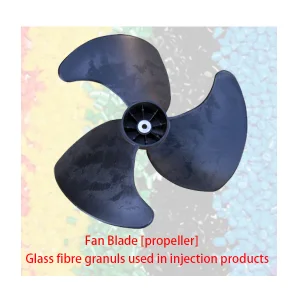
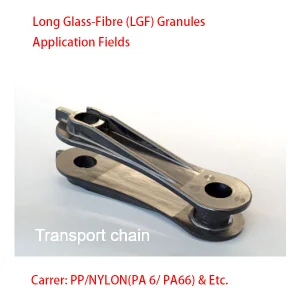
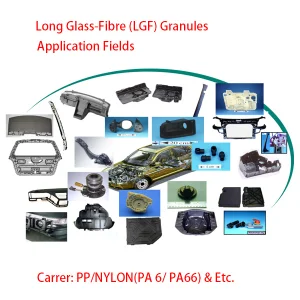
High impact strength plastics are currently revolutionizing these key sectors:
A: LGF offers a significantly higher aspect ratio, which creates a three-dimensional skeletal network within the plastic matrix. This provides superior impact strength, creep resistance, and dimensional stability, making it ideal for structural load-bearing applications.
A: By utilizing standardized production lines, strictly controlling fiber loading percentages, and performing rigorous inspection protocols (e.g., visual and mechanical testing) before batch approval, ensuring consistency for international clients.
A: PA6, PA66 (Nylon), and PP (Polypropylene) are the most common due to their excellent compatibility with glass fibers and wide range of end-use applications, from automotive to household goods.
 Best Composite