High-Quality Long Glass Fibre Reinforced Granules-Polyphenylene Sulfite-PPS Manufacturers, Pricelist

Product Description

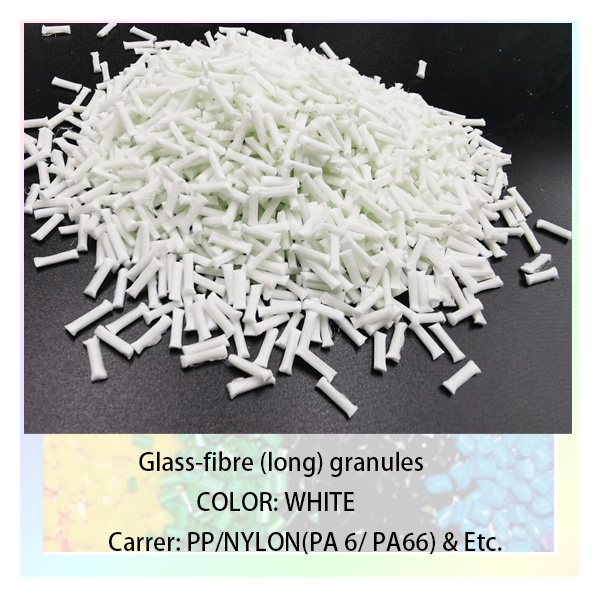
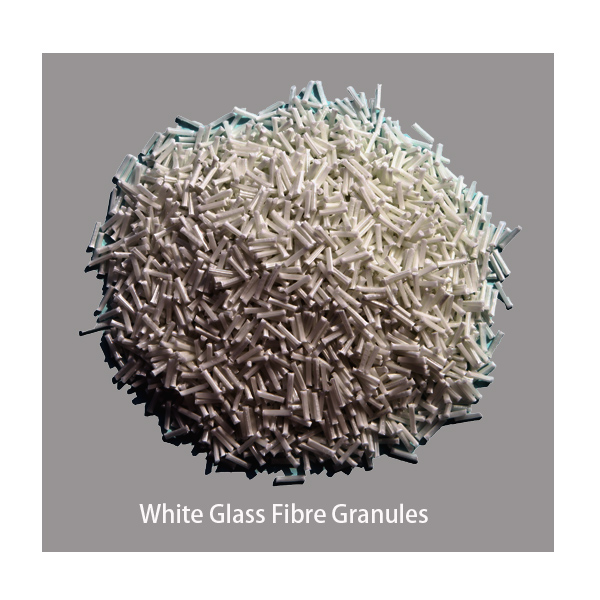
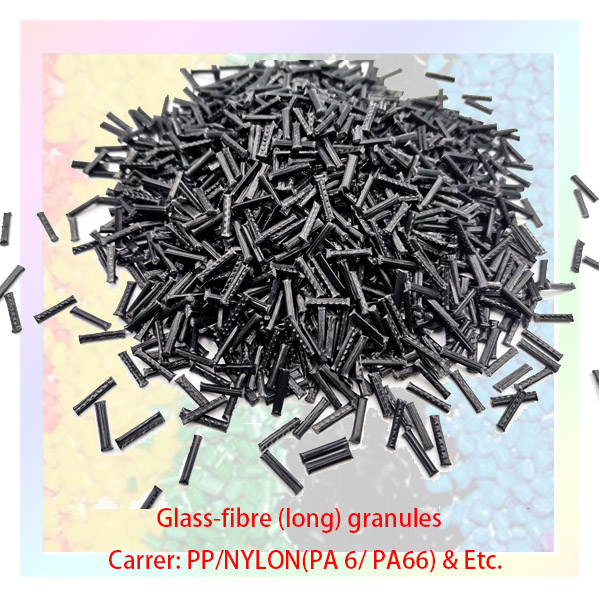
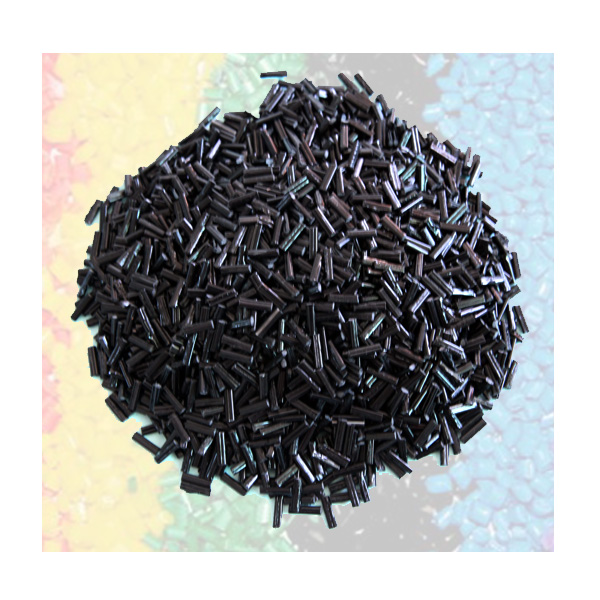
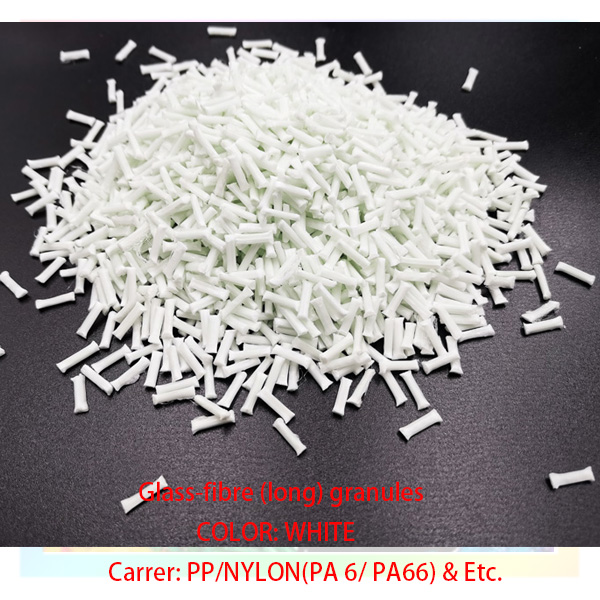
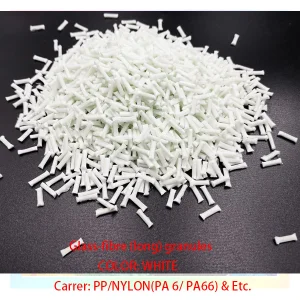
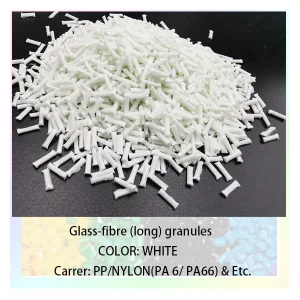
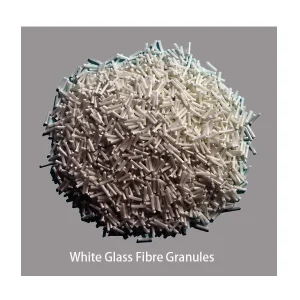
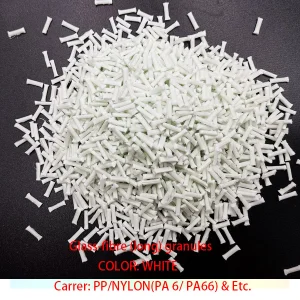
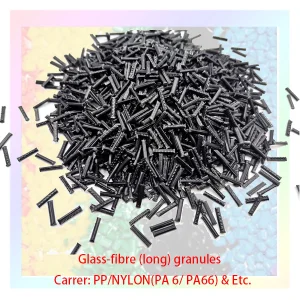
💎 Long Glass Fibre Reinforced Granules - PPS

Long Glass Fiber Max. added percentage: 30%

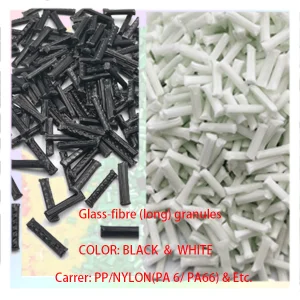
Carrier material options: PP / PE / NYLON 6 & 66 / PTB / TPU / PPS / PPA

Long Glass Fiber Reinforced Polypropylene (LGF PP) offers a powerful combination of performance metrics. Key technical advantages include:

🔥 Thermal Resistance

The fatigue strength at a high temperature of 120°C is twice that of short glass fiber reinforced PP, and even higher than the heat resistance of glass fiber reinforced nylon by 10%.

⚖️ Physical Properties

LGF PP is lightweight, non-corrosive, and easy to integrate parts, which significantly simplifies assembly processes while offering outstanding strength and dimensional stability.

🛠️ Design Freedom

Features high flow for thin-walled structural components and provides excellent design freedom for complex engineering needs.
🚀 Application Fields
  • Automotive Industry: Specialized car parts including bumpers, instrument panels, side door components, and more.
  • Communication Devices: High-durability structures like Cell Phone shells.
  • Household Appliances: Kitchen Mixer shells, blade gears, fan parts, and washing machine components.
  • Industrial Sectors: Various other specialized business and engineering fields.
Frequently Asked Questions
What is the maximum percentage of long glass fiber that can be added? The maximum added percentage for Long Glass-Fiber in these granules is 30%.
How does LGF PP compare to short glass fiber reinforced PP? At high temperatures of 120°C, the fatigue strength of LGF PP is twice that of short glass fiber reinforced PP.
What types of carrier materials are available for these granules? Available carrier materials include PP, PE, NYLON 6 & 66, PTB, TPU, PPS, and PPA.
Is this material suitable for thin-walled components? Yes, LGF PP offers high flow characteristics, making it excellent for manufacturing thin-walled structural components.
What are the main benefits for the automotive industry? It is lightweight, non-corrosive, and allows for easy part integration, which simplifies the overall vehicle assembly process.
Can it be used in household appliances? Yes, it is widely used for kitchen mixers, fan parts, washing machine components, and gear mechanisms.

Related Products