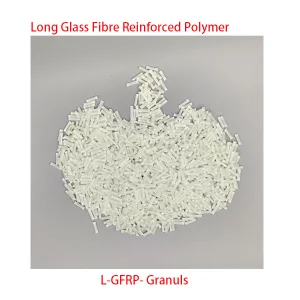
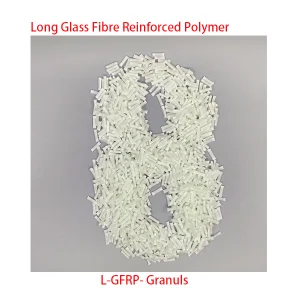
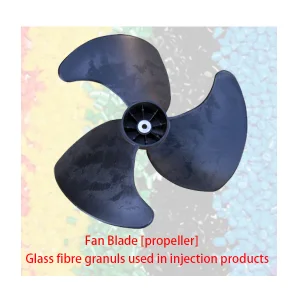
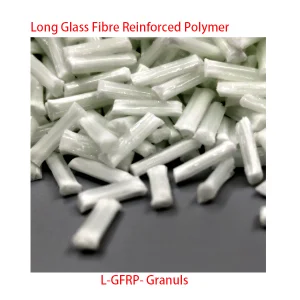
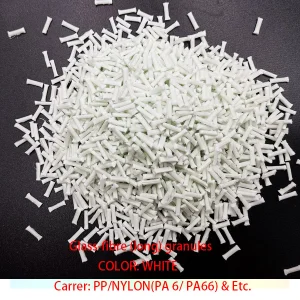
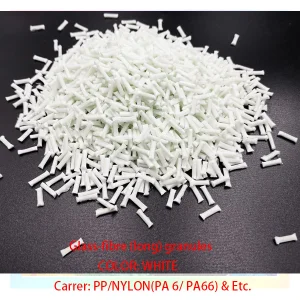
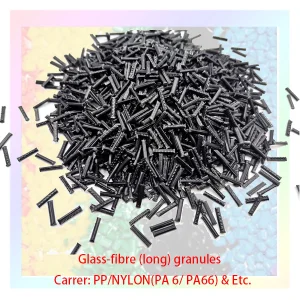
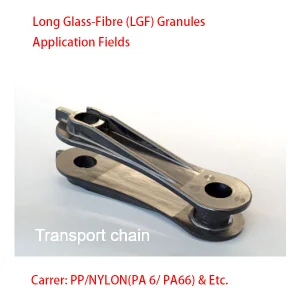
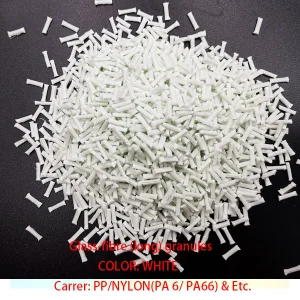
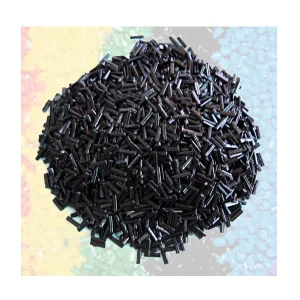
The global manufacturing landscape is undergoing a paradigm shift towards lightweighting and high-performance structural integrity. As a CE-certified manufacturer, we recognize that Carbon Fiber and Long Glass Fiber Reinforced Polymers (GFRP) are not merely components; they are the backbone of next-generation engineering. From aerospace to automotive sectors, the demand for materials that reduce fuel consumption and enhance durability has positioned GFRP as a strategic imperative.
In the international market, "CE Certification" is more than a label; it represents rigorous adherence to Health, Safety, and Environmental protection standards. Our facility in Jurong City, Jiangsu Province, leverages its proximity to major ports (Zhenjiang/Nanjing) to provide streamlined logistics, ensuring that our compliance-verified products meet European and global industrial benchmarks consistently.
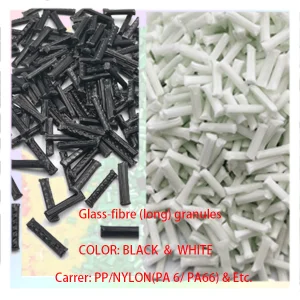
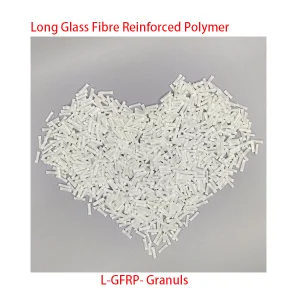
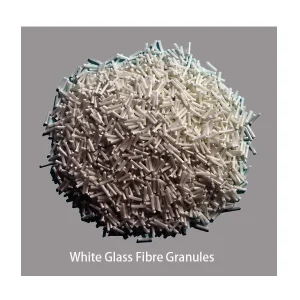
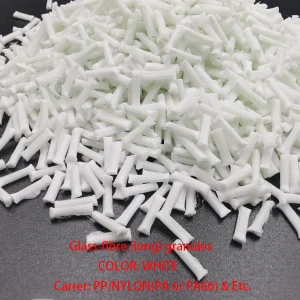
Our GFRP granules are critical for reducing vehicle curb weight, directly impacting CO2 emission targets and range expansion for electric vehicles (EVs).
We provide flame-retardant and high-thermal-stability composites suitable for intricate housing and internal structural components in smart appliances.
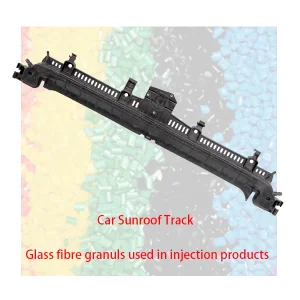
Our materials offer superior fatigue resistance, essential for parts undergoing continuous cyclic stress, such as mechanical gears and sunroof tracks.
Our R&D department is focused on the next horizon of polymer science. By optimizing the fiber-matrix adhesion technology, we are achieving higher tensile strength and modulus consistency. Our future roadmap includes:
CE Certification indicates that our products conform to essential health, safety, and environmental requirements, allowing for seamless circulation within the European Economic Area (EEA) and serving as a quality benchmark globally.
Through strict batch monitoring, advanced testing equipment (as seen in our recent client quality inspection reports), and adhering to standardized ISO manufacturing protocols.
Yes, our R&D team provides customized GFRP/Carbon Fiber formulations based on specific modulus, heat deflection temperature, and impact resistance requirements.
 Best Composite