High-tensile composite materials engineered for structural integrity, extreme temperature resilience, and localized industrial compliance.
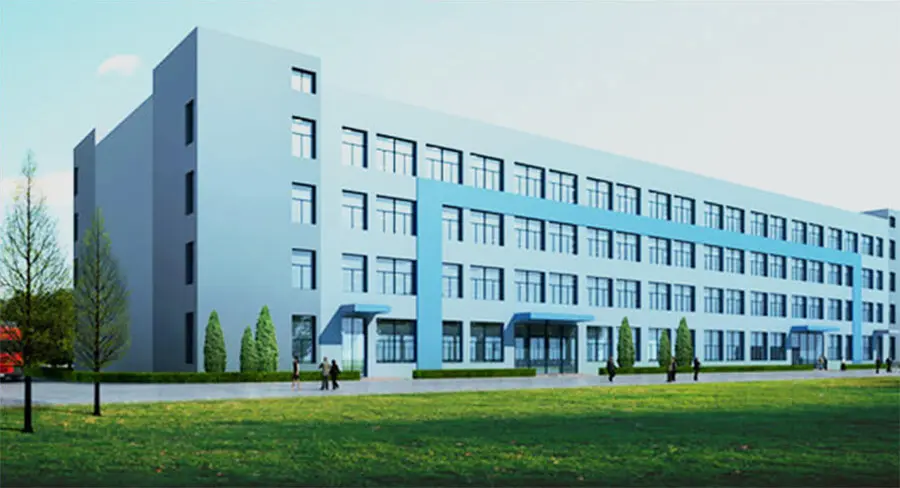
Jurong Best Composite Materials Co., Ltd. is strategically located in the ancient town of Maoshan, which has a historical lineage spanning over a thousand years. This primary industrial hub is situated in Jurong City, Zhenjiang, Jiangsu Province, positioned on the highly developed lower reaches of the Yangtze River. Geographically adjacent to Nanjing, our facility sits in close proximity to the Nanjing Lukou International Airport, facilitating fast international logistics.
The Jianning-Taicang Expressway connects directly to our logistics pathways, and the Jurong exit of the Shanghai-Nanjing Expressway ties our operations straight to Zhenjiang Port and Nanjing Port. Benefiting from the dynamic economic clustering of the Yangtze River Delta Economic Zone, our supply chain and distribution networks guarantee minimal lead times and exceptional transport convenience for global buyers.
Decoding the evolutionary path from standard Short-Fiber Thermoplastics (SFT) to Advanced Long-Fiber Thermoplastics (LFT) and Green Hybrid Composites.
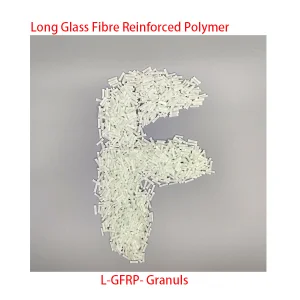
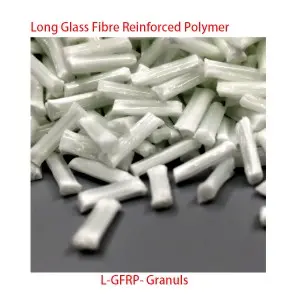
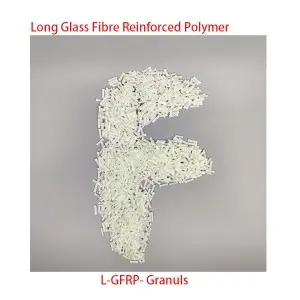
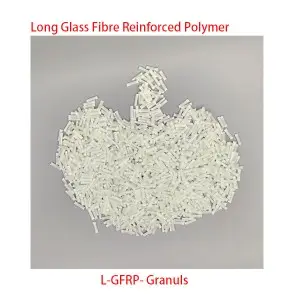
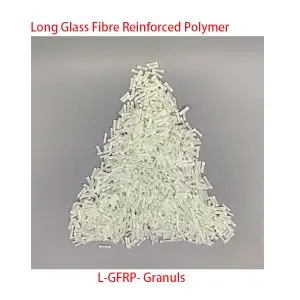
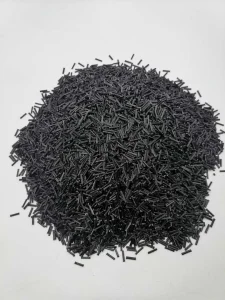
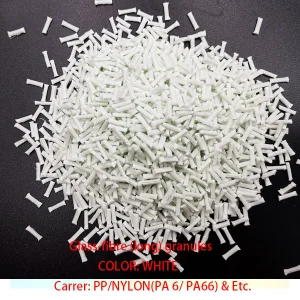
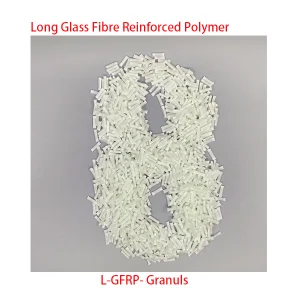
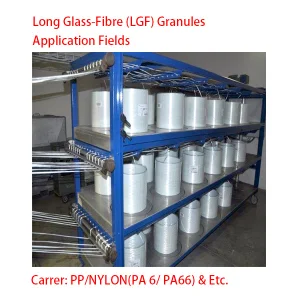
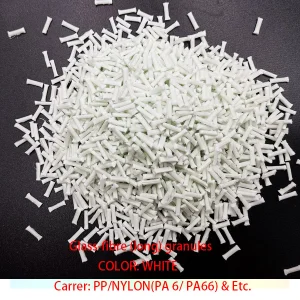
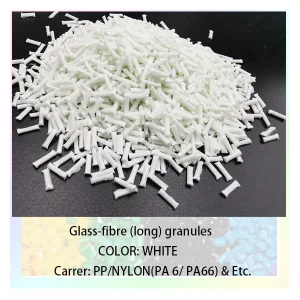
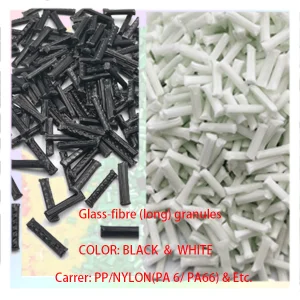
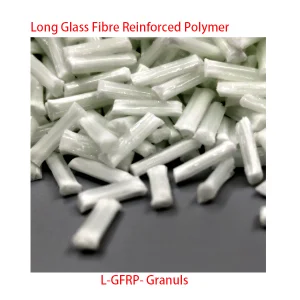
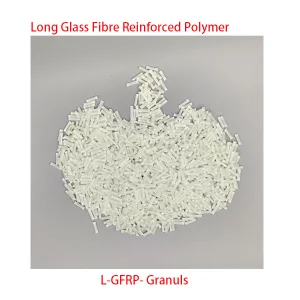
During the pultrusion manufacturing process, glass filaments run continuously throughout the pellet. This prevents fiber breakdown during plasticization. In injection-molded parts, this continuous skeleton evenly disperses stress, minimizing deformation and maximizing resistance to cyclic loads.
By reinforcing matrices like Polyamide (PA6, PA66) or Polyphenylene Sulfide (PPS) with glass fiber content from 30% up to 60%, the Heat Deflection Temperature (HDT) is significantly increased. This makes the compounds suitable for demanding, high-load environments like automotive engine compartments.
Modern technical roadmaps prioritize bio-based polyamides and post-consumer recycled PP matrices reinforced with glass fibers. Our R&D department is focused on preserving fiber aspect ratios through multiple recycling steps to support circular manufacturing initiatives.
| Polymer Matrix Base | Glass Fiber Reinforcement (%) | Tensile Strength (MPa) | Flexural Modulus (GPa) | Notched Impact Strength (kJ/m²) | CE Certification Criteria Status |
|---|---|---|---|---|---|
| Polypropylene (PP) LGF | 30% - 50% | 110 - 145 | 6.5 - 10.5 | 18 - 25 | Compliant (EN ISO 179) |
| Polyamide 6 (PA6) LGF | 30% - 60% | 160 - 235 | 8.5 - 16.5 | 22 - 35 | Compliant (EN ISO 527) |
| Polyamide 66 (PA66) LGF | 35% - 50% | 185 - 260 | 10.0 - 17.0 | 20 - 32 | Compliant (EN ISO 527-2) |
| Polyphenylene Sulfide (PPS) LGF | 40% - 50% | 190 - 240 | 12.0 - 18.0 | 15 - 22 | Compliant (UL94 V-0 Rated) |
How global industries integrate CE-certified GFRP granules to achieve light-weighting goals and exceptional mechanical performance.
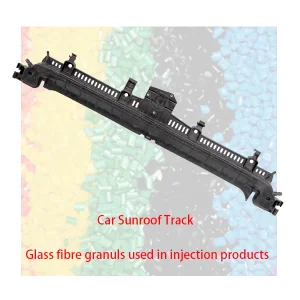
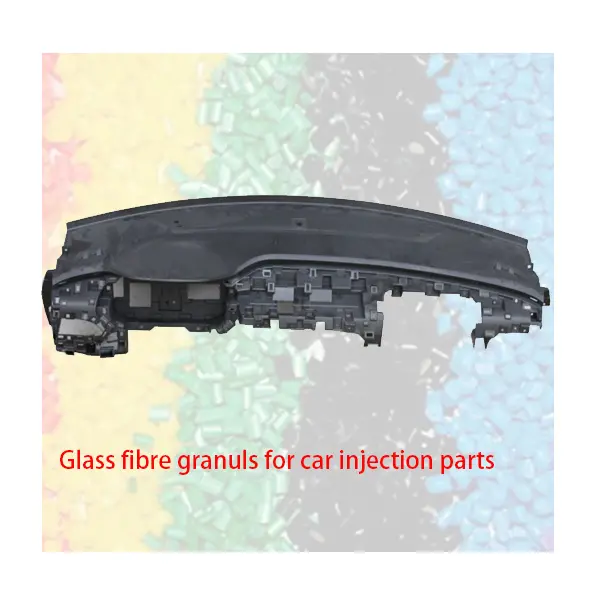
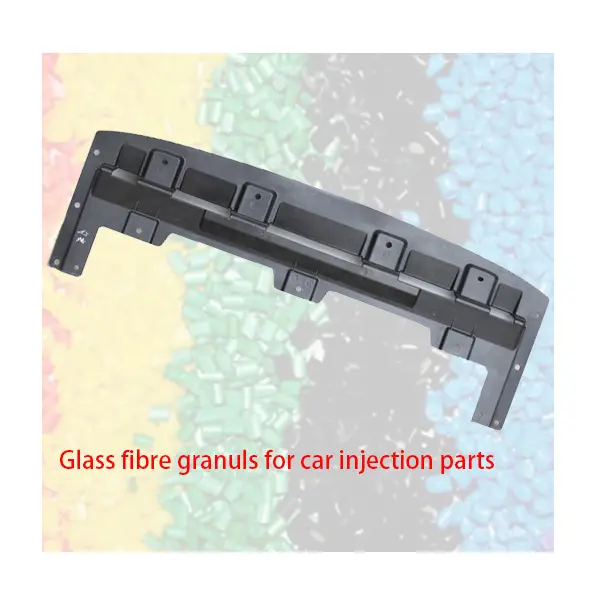
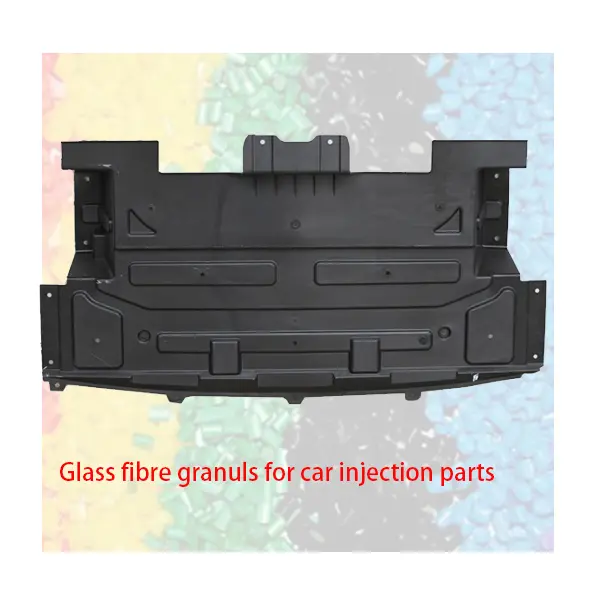
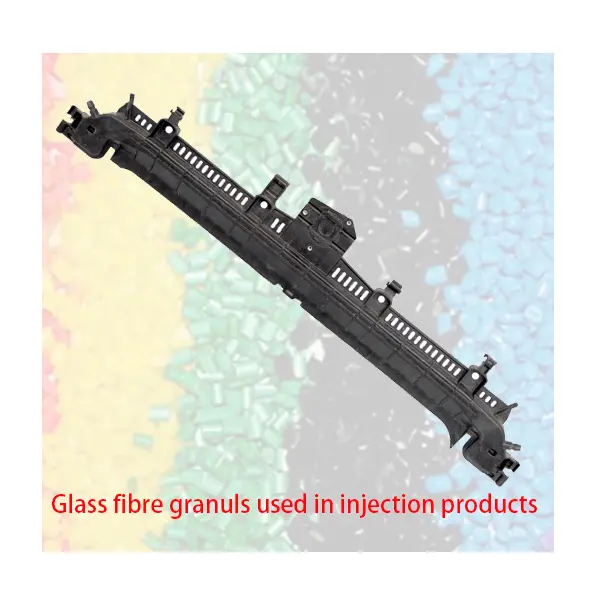
Used in components such as sunroof tracks, front-end modules, bumper structures, pedal boxes, and battery trays. Long glass fiber PA6/PA66 compounds replace metal alloys to reduce weight by up to 40% while maintaining crash-worthiness.
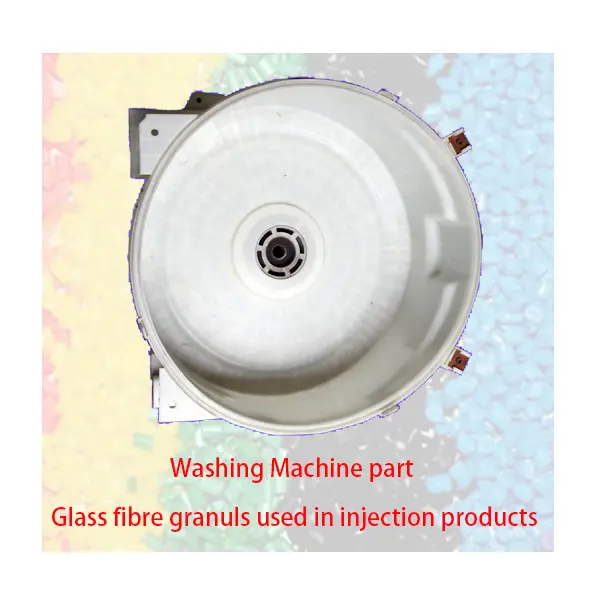
Designed for washing machine tubs, dryer drums, pump casings, and high-torque motor mounts. The material provides excellent chemical resistance to detergents and maintains structural integrity under continuous water contact and vibration.
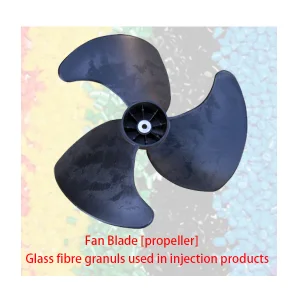
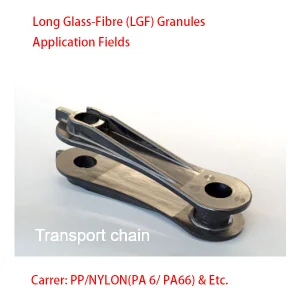
Integrated into industrial cooling fan blades, warehouse storage racks, and logistics pallets. The high flexural modulus prevents sagging and structural failure under long-term static load conditions.
Applied in hand drill housings, weed trimmers, outdoor sports gear, and structural clips. Offers drop impact protection and ergonomic weight distribution, improving the service life of tools in cold weather environments.
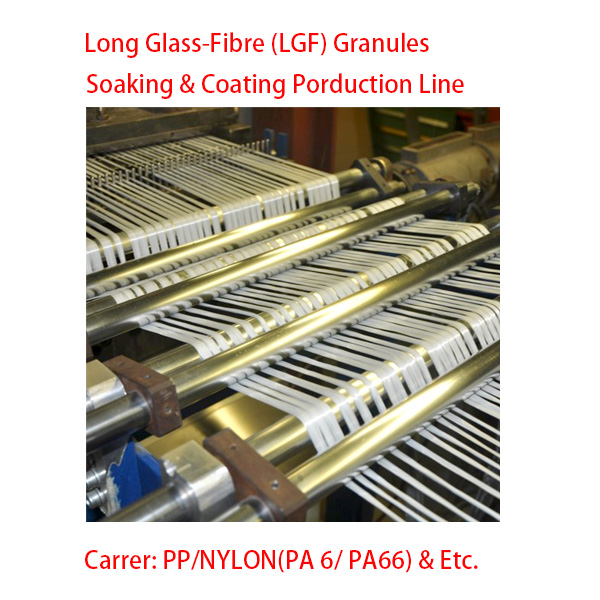
Our proprietary formulation process ensures that the glass filaments are fully impregnated with the base polymer. This advanced processing window minimizes fiber clustering and guarantees excellent cosmetic finish and fiber distribution in injection-molded parts.
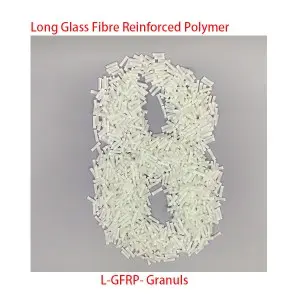
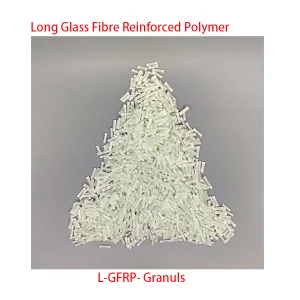
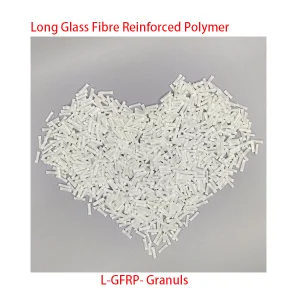
These high-grade GFRP granules are engineered for demanding structural components across industries, including automotive systems, washing machine assemblies, and structural parts for kitchen appliances.
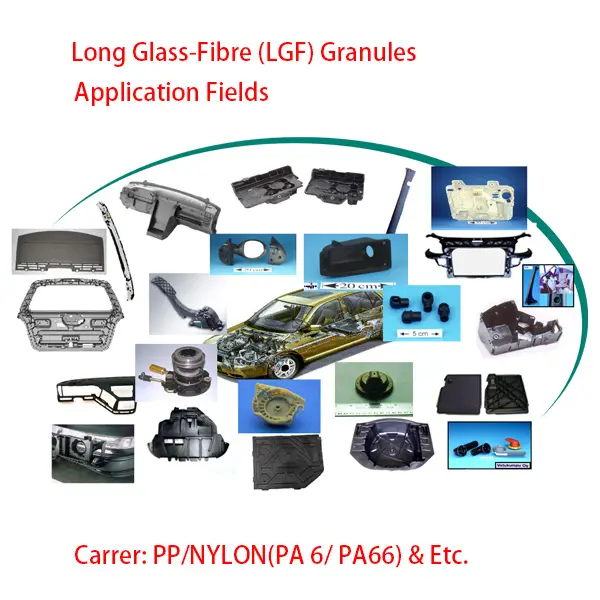
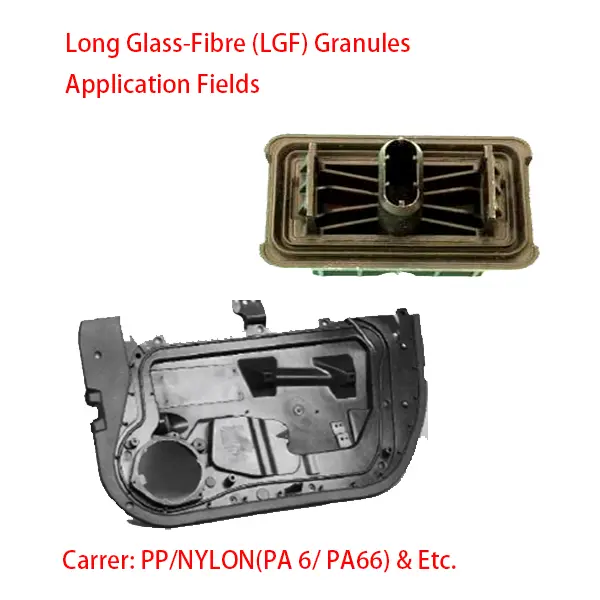
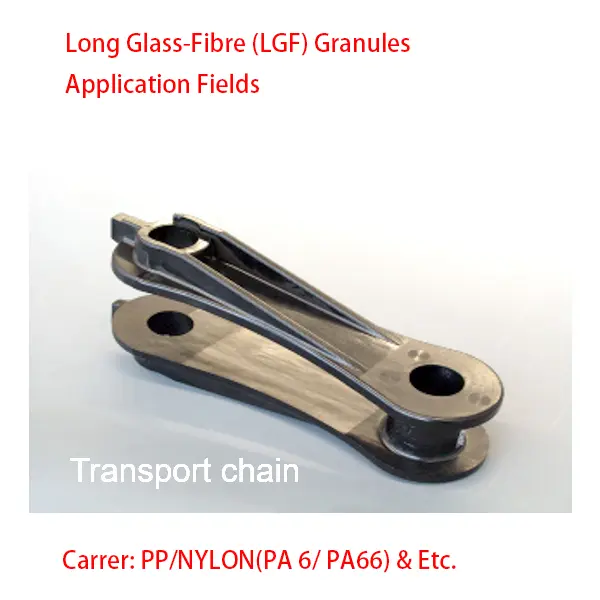
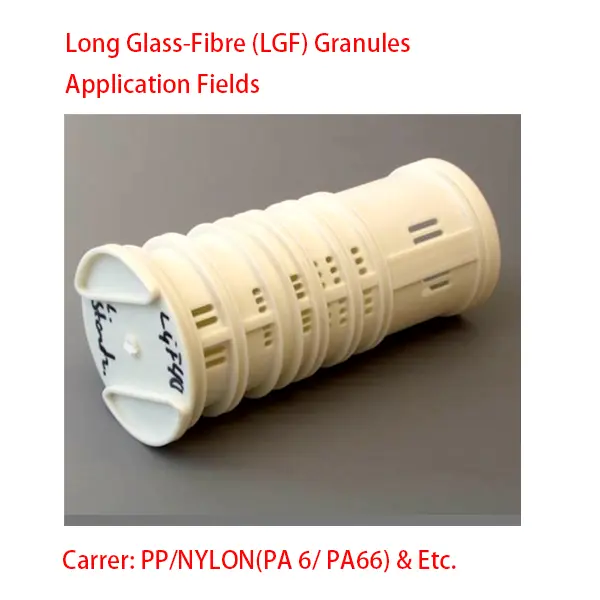
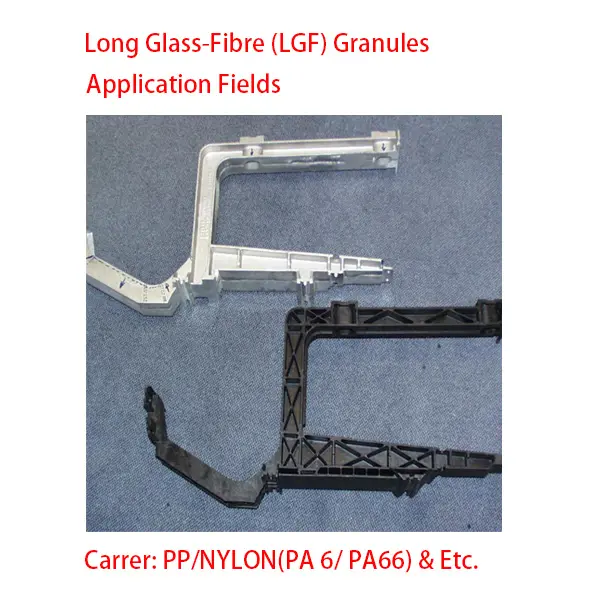
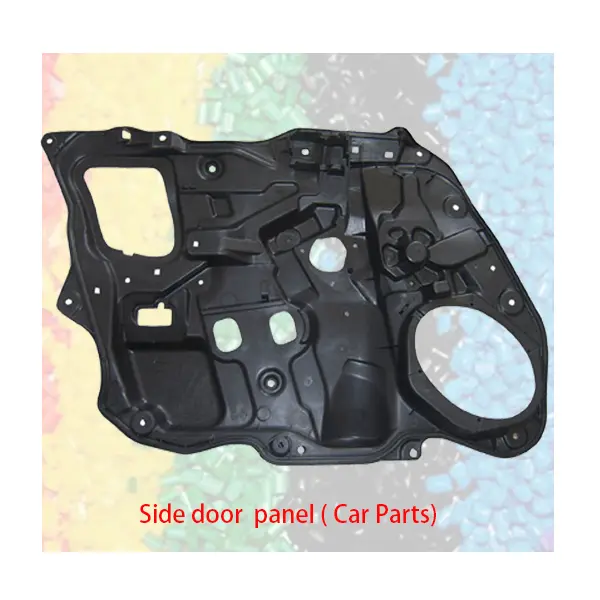
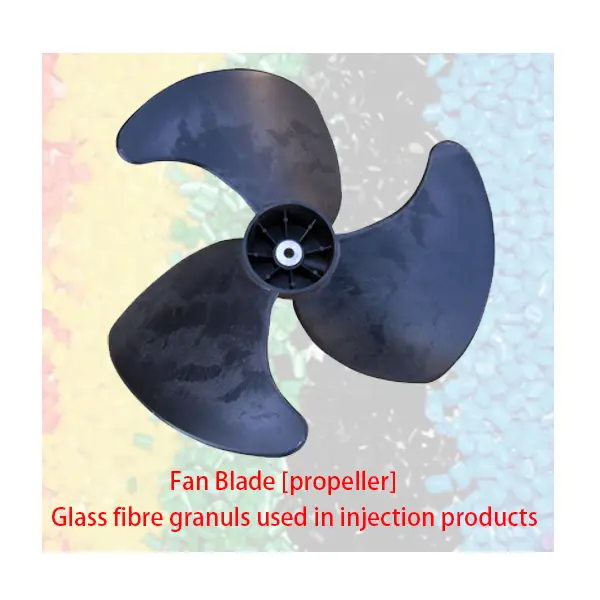
Leveraging deep industrial ecosystems, vertical integration, and advanced logistics hubs in the Yangtze River Delta to secure your production lines.
By partnering with local chemical suppliers in Jiangsu and Zhejiang provinces, we secure high-quality polyamide and polypropylene resins at stable price points, insulation from global upstream price spikes.
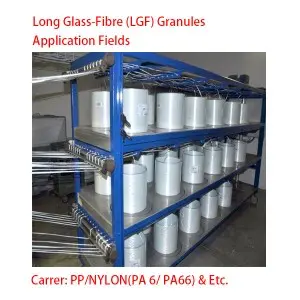
Our manufacturing facility operates multiple continuous compound extruders, utilizing real-time gravimetric feeding systems to ensure consistent glass-to-polymer ratios across batches.
With close proximity to both Nanjing Port and the Port of Shanghai, our international ocean freight enjoys streamlined custom clearings, minimizing transshipment fees. For fast-track orders, our proximity to Nanjing Lukou International Airport ensures rapid air freight delivery to European and North American industrial hubs.
Industry-favored formulations designed for extreme performance requirements, available with custom glass fiber percentages.
Highlighting our latest quality inspection audits, capacity scaling, and technical workshop milestones.
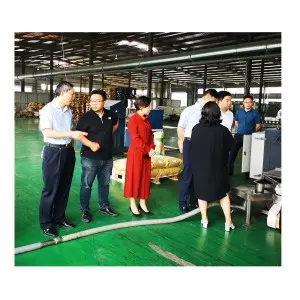
On-site quality assessment for the PA6 and PA66 long GFRP (Glass-Fiber-Reinforced-Polymer) granules. The inspection validated our quality control processes and compliance with CE mechanical standard certifications.
VIEW REPORTWe commissioned a new compounding machine line to increase output capacity for long glass fiber compounds, helping to stabilize lead times during high-demand quarters.
VIEW DETAILSExpert answers addressing the regulatory, mechanical, and logistical questions of industrial engineers and procurement managers.
CE Certification confirms that the compounding formulation, mechanical reliability, and hazardous substance levels (such as RoHS/REACH compliance) meet European Union safety, health, and environmental requirements. This certification allows direct import, customs clearance, and integration of the material into European automotive, electronics, and construction applications.
The core difference is the aspect ratio of the fibers in the final molded component. Short Glass Fiber compounds typically have fiber lengths below 1mm, which can lead to rapid stress accumulation. Long Glass Fiber compounds (typically 10mm to 25mm long) form an entangled 3D internal fiber network during injection molding. This structure provides higher impact resistance, lower creep under load, and reduced warpage.
Our location in Jurong City, Zhenjiang, Jiangsu Province, puts us in close proximity to the Jianning-Taicang and Shanghai-Nanjing expressways. This allows us to deliver goods directly to deep-water shipping terminals at Zhenjiang Port and Nanjing Port. It also connects us to international air freight routes via Nanjing Lukou International Airport, helping us avoid shipping delays to global destinations.
Yes, we offer custom formulations. We can formulate compounds with glass fiber contents from 20% to 60% based on your specific requirements for tensile strength, impact resistance, flowability, and surface finish. Contact our technical team to discuss custom formulations for your application.
Select from our complete range of certified polymers for injection molding applications.
 Best Composite