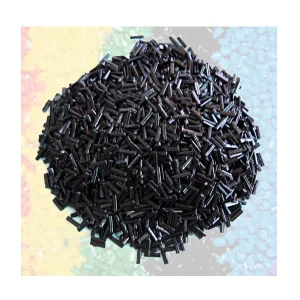
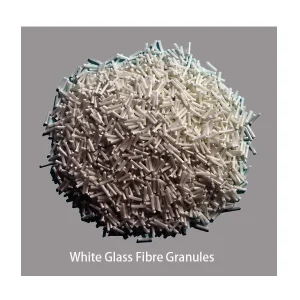
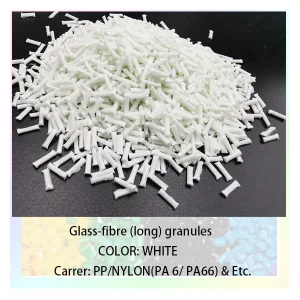
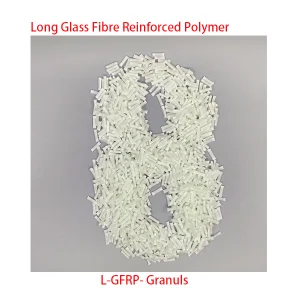
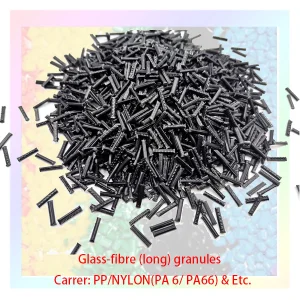
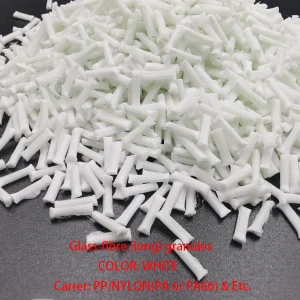
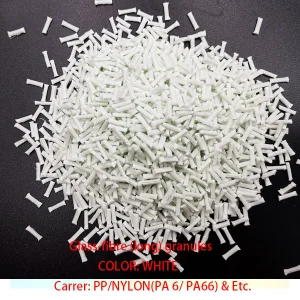
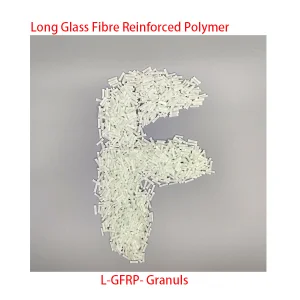
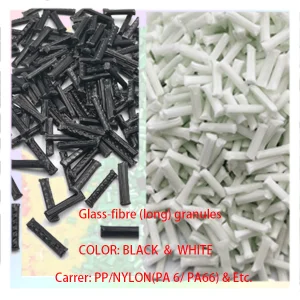
In the contemporary landscape of polymer science, Polypropylene (PP) has transcended its traditional role as a simple commodity plastic. As a premier CE Certified PP Material Supplier, we observe that the industry is undergoing a paradigm shift driven by the "Lightweighting" mandate in automotive engineering and the rigorous safety standards of the European Union (CE Marking). Our commitment is to provide not just material, but an integrated engineering solution that satisfies the complex requirements of modern industrial manufacturing.
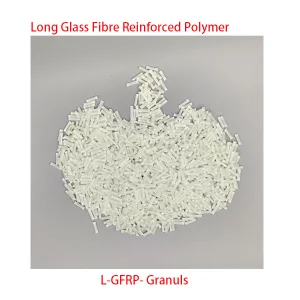
The global reinforced PP market is witnessing a compounded annual growth rate (CAGR) driven by the electric vehicle (EV) sector and sustainable infrastructure development. The primary trend is the transition from short-glass fiber to Long Glass Fiber (LGF) Reinforced Polypropylene. This transition enhances the structural integrity, impact resistance, and thermal stability of end-use products, making them suitable replacements for heavy metal components in automotive under-the-hood applications and structural frames.
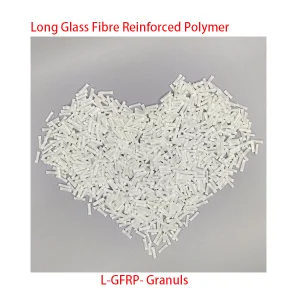
Why choose LGF-PP over standard glass-filled PP? The secret lies in the fiber length. While short glass fibers break easily under stress, the longer fiber skeleton in our LGF-PP creates a sophisticated internal network that absorbs and dissipates energy, preventing catastrophic failure.
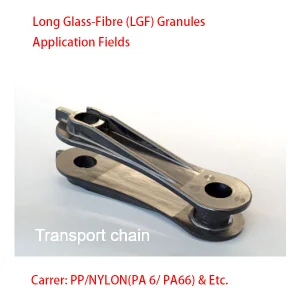
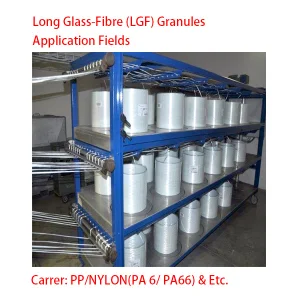
Our materials serve a diverse array of industries. In China's robust industrial zones, we supply customized granules for:
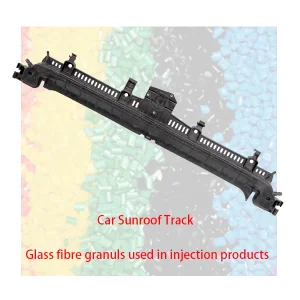
Automotive: Sunroof tracks, door modules, and dashboard supports.
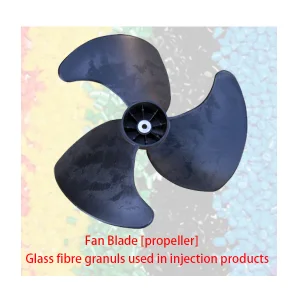
Appliance Manufacturing: Drum pulsators for washing machines, pump housings, and fan blades.
Infrastructure: High-durability connectors and structural fasteners that require fatigue resistance.
A: CE certification implies that our manufacturing processes have been audited and comply with essential EU health and safety requirements. For global buyers, this minimizes customs risks and guarantees that the polymer formulation is consistent and traceable.
A: Pricing is subject to volatility in raw oil prices and fiber glass costs. We utilize a dynamic pricing model based on volume, custom glass fiber percentage (e.g., 20%, 30%, 40%), and shipping incoterms. Please subscribe or contact us for a real-time quote.
A: Utilizing our state-of-the-art production lines, we typically fulfill standard orders within 15-20 business days. Specialized formulations requiring R&D tuning may require an additional week for testing.
A: We employ a multi-stage inspection process, from raw polymer verification to final tensile strength testing in our laboratory, ensuring every batch meets international standards.
 Best Composite