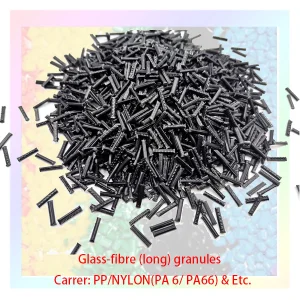
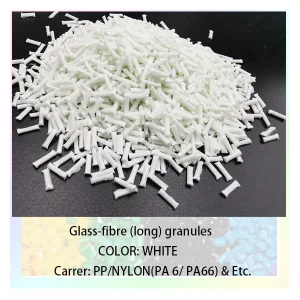
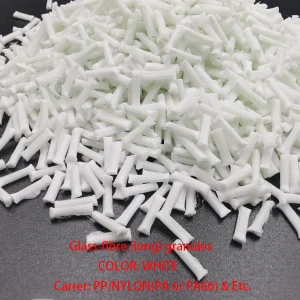
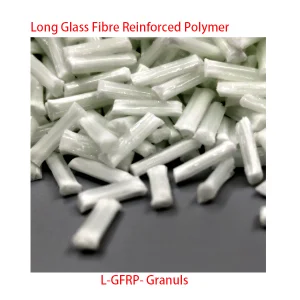
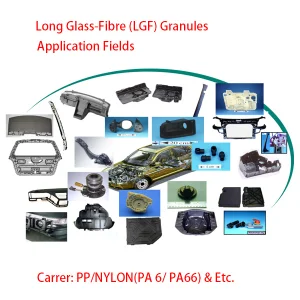
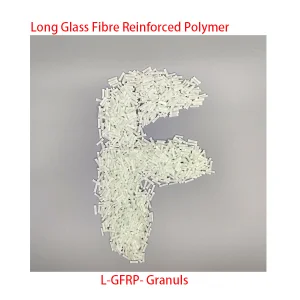
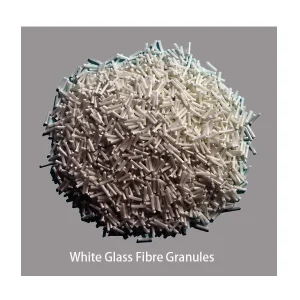
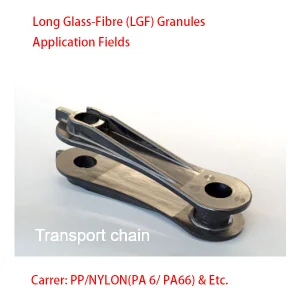
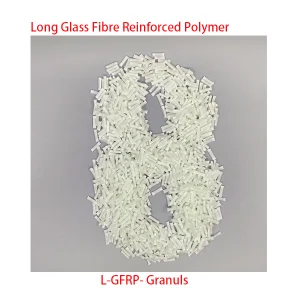
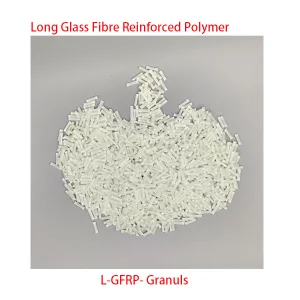
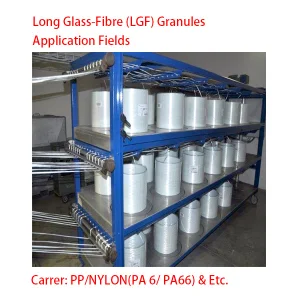
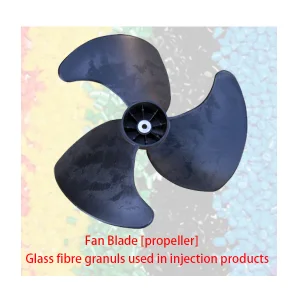
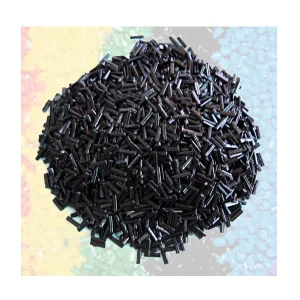
In the contemporary automotive industry, the transition toward Electric Vehicles (EVs) and high-performance internal combustion engines requires a radical re-evaluation of material science. Automotive polymers, specifically Long Glass Fiber (LGF) reinforced composites, are at the epicenter of this transformation. As a sourcing professional, understanding why manufacturers are shifting from metal to engineered plastics is crucial for long-term supply chain viability.
Weight reduction is the primary driver of range efficiency. By replacing heavy metal components with advanced PA6/PA66 and PP-GFRP composites, engineers can achieve a 20-30% weight reduction without compromising structural integrity or heat resistance.
The manufacturing ecosystem is currently prioritizing materials that balance cost-effectiveness and mechanical resilience. Our factory analysis reveals a trend toward high-crystalline structures that offer improved fatigue resistance for under-the-hood applications. Future roadmaps focus on:
Navigating the global market for Cheap Automotive Polymer Suppliers requires more than just price comparisons. True value lies in the intersection of compliance, supply consistency, and technical support. When evaluating factory partners, consider the following E-E-A-T framework:
LGF provides a superior skeleton structure within the plastic matrix, leading to higher impact strength, improved creep resistance, and better energy absorption in collision scenarios.
True cost savings in automotive polymers come from optimized logistics and efficient manufacturing scale. Always request trial samples for independent mechanical testing.
Proximity to key transport hubs like the Yangtze River ports and international airports ensures rapid lead times and reduced shipping overhead for global procurement.
Yes, specific grades of our Polyamide and PP-GFRP granules offer the necessary dielectric strength and thermal management properties for modern EV battery protection.
 Best Composite