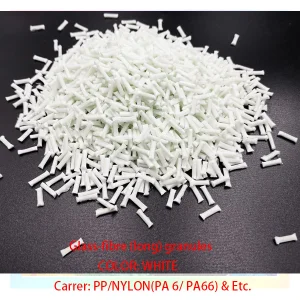
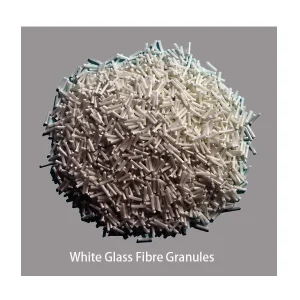
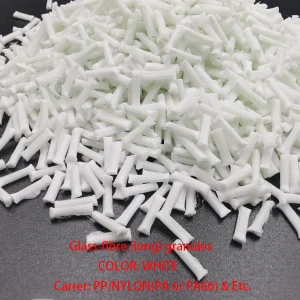
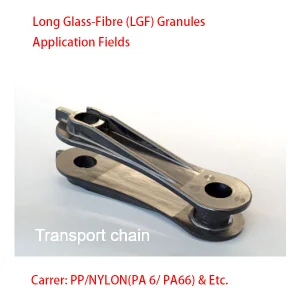
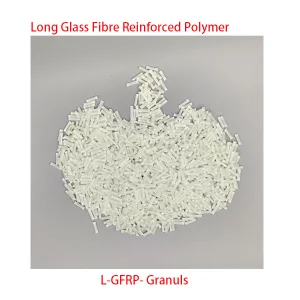
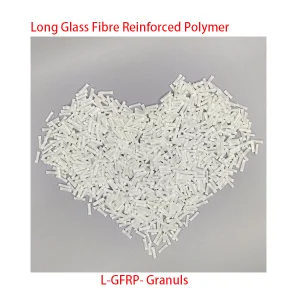
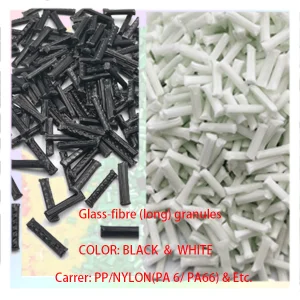
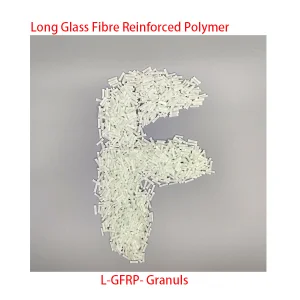
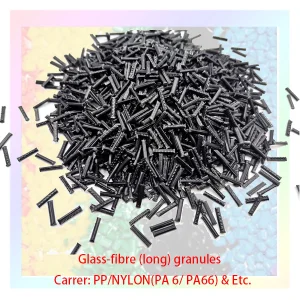
In the quest for fuel efficiency and performance, the automotive industry has undergone a radical transformation. While Carbon Fiber Sheets remain the gold standard for high-performance supercars, manufacturers are increasingly pivoting toward High-Performance Glass Fiber Reinforced Polymers (GFRP) for mass-market vehicle components. This shift is driven by the need for cost-effective weight reduction without compromising structural integrity.
China has established an unrivaled ecosystem for composite materials. Leveraging the massive manufacturing clusters in the Yangtze River Delta, companies like Jurong Best Composite Materials Co., Ltd. benefit from integrated supply chains, advanced logistics, and R&D capabilities that reduce the "Time-to-Market" for automotive suppliers.
Modern automotive design rarely relies on a single material. The trend is moving toward "Hybrid Architecture":
Jurong Best Composite Materials Co., Ltd. is located in the ancient town of Maoshan, Jurong City, Jiangsu Province. Our location is strategically chosen for its logistical advantage—near the Yangtze River and major transport hubs like Nanjing Lukou International Airport, enabling efficient global export.
Situated on the lower reaches of the Yangtze River, we leverage regional industrial integration to ensure competitive pricing for our global partners.
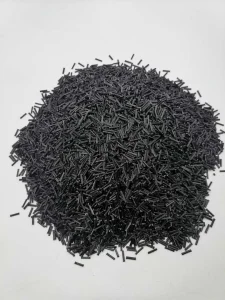
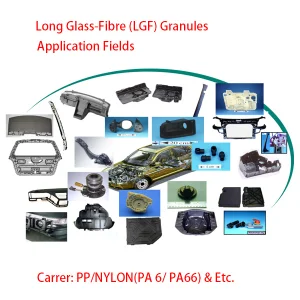
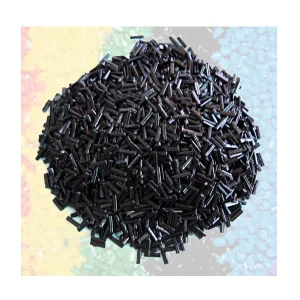
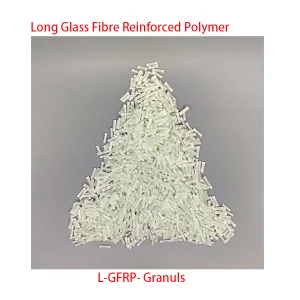
Rigorous testing of PA6 and PA66 long GFRP granules ensures that every batch meets the stringent requirements of international automotive brands.
Continuous investment in new production lines ensures we can meet volume demands, from R&D prototypes to mass production requirements.
A: Yes, for non-primary structural components. GFRP offers excellent strength-to-weight ratios, chemical resistance, and significantly lower production costs, making it ideal for large-scale automotive manufacturing.
A: We utilize advanced compounding technologies and conduct rigorous mechanical, thermal, and chemical stress tests to ensure our materials meet global automotive standards.
 Best Composite