Advanced Material Engineering: Engineering the Future of Automotive Light-weighting
In the contemporary automotive landscape, the transition toward Electric Vehicles (EVs) and hybrid platforms has accelerated the demand for high-performance composite materials. As a leading China Carbon Fiber Auto Manufacturer, we observe a critical paradigm shift: the movement from heavy, traditional metallic components to advanced, fiber-reinforced polymer composites that offer superior strength-to-weight ratios.
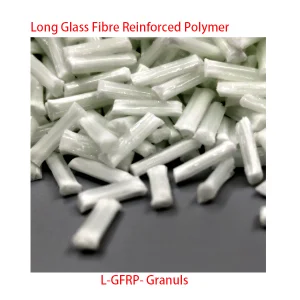
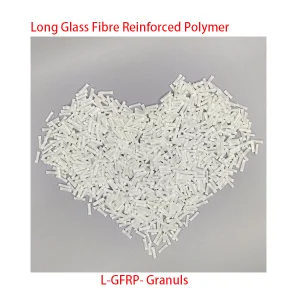
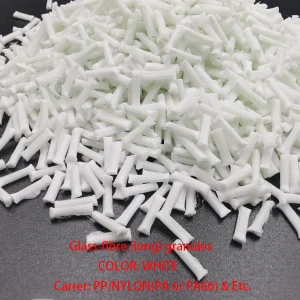
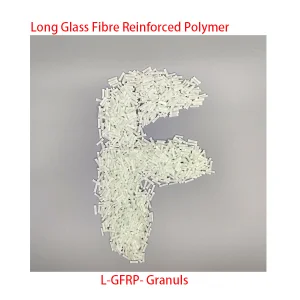
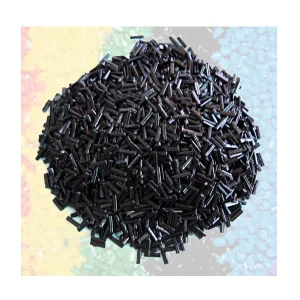
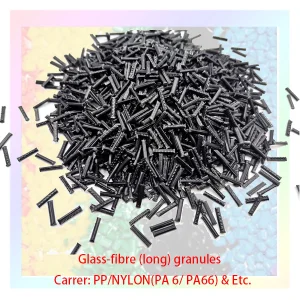
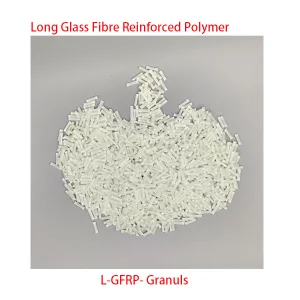
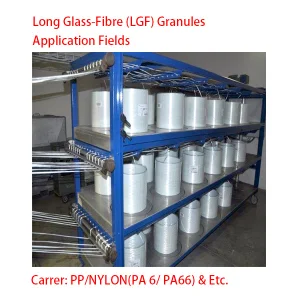
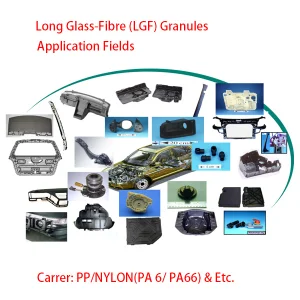
Modern automotive design requires materials that not only reduce vehicle mass—thereby extending EV range—but also maintain structural integrity under extreme thermal and mechanical loads. Our R&D department focuses on the rheology of polymers like PA6, PA66, and PBT. By utilizing Long Glass Fiber Reinforced Polymer (LGF) technology, we achieve a skeletal structure within the plastic matrix that mimics the performance of die-cast metal, but with a fraction of the weight.
Located in the Yangtze River Delta, the hub of China's advanced manufacturing, our company benefits from a mature industrial cluster. This proximity to logistical infrastructure (Nanjing and Zhenjiang ports) allows us to serve the global automotive market with reduced lead times. This isn't just about manufacturing; it's about a macro-solution for the automotive supply chain, offering quality-controlled, CE-certified granular materials that serve as the backbone for critical auto parts, from interior dashboards to structural engine bay housing.
China has optimized the production cycle for glass and carbon fiber reinforced polymers. By integrating raw material processing directly with granule compounding, manufacturers in the Yangtze Delta region provide unmatched price-to-performance ratios while maintaining rigorous international quality standards.
Weight reduction is the primary factor in battery efficiency. LGF materials offer high impact resistance and rigidity, allowing automotive engineers to replace heavy metal components, directly resulting in lighter chassis architectures and improved energy density efficiency.
 Best Composite