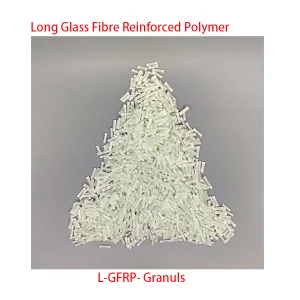
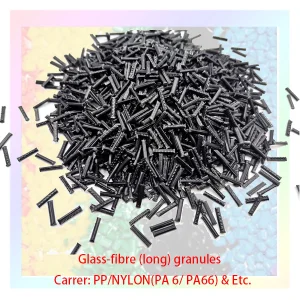
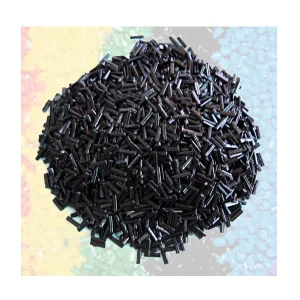
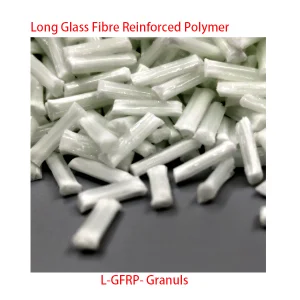
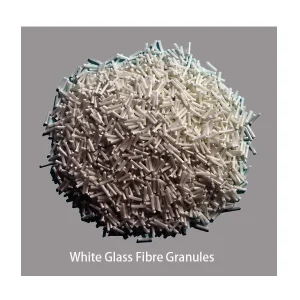
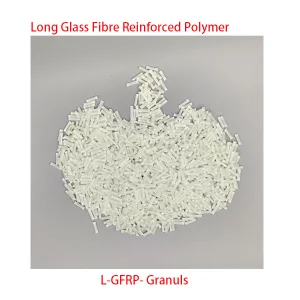
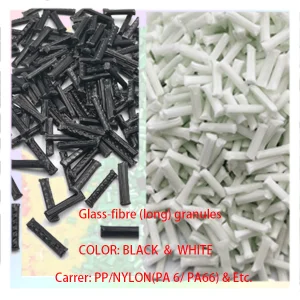
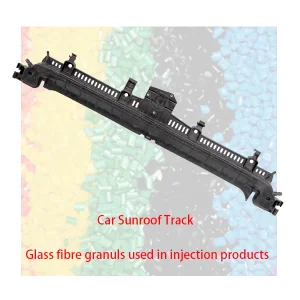
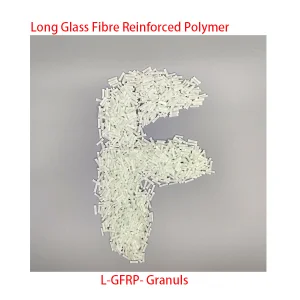
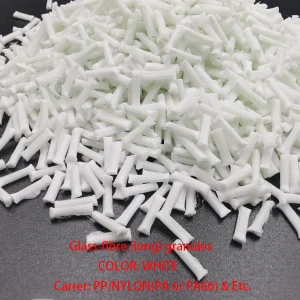
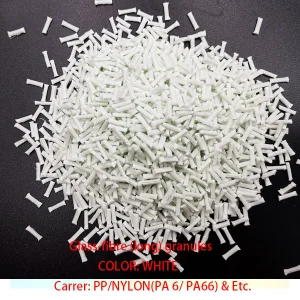
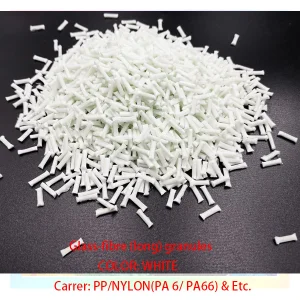
In the global materials science landscape, Glass Fiber Reinforced Polymers (GFRP) have transitioned from niche structural components to foundational elements in modern industrial manufacturing. As a premier provider, Jurong Best Composite Materials Co., Ltd. leverages the deep industrial heritage of the Yangtze River Delta to deliver high-performance PA6, PA66, and PP-based composites.
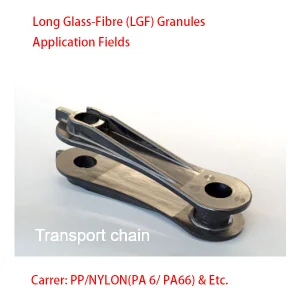
The core advantage of long glass fiber reinforced materials lies in their structural integrity. Unlike short fiber composites, long fibers form an internal skeleton, significantly enhancing impact resistance, thermal stability, and tensile strength. This structural shift is critical for OEMs looking to replace metal components with lightweight, corrosion-resistant polymers.
China's composite material sector offers a unique trifecta of logistical efficiency, technological maturity, and supply chain resilience. Our facility in Jurong is strategically positioned to minimize lead times for international shipping through the proximity of Nanjing and Zhenjiang ports.
Key drivers of our operational excellence include:
Looking toward 2030, the technical roadmap for glass fiber structures focuses on sustainability and multi-material integration. We are currently innovating in the following areas:
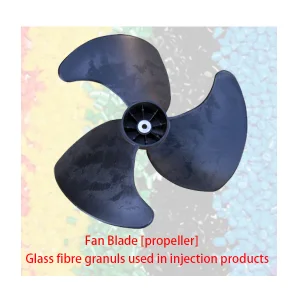
Our commitment is not just to sell materials but to provide application-specific engineering support, helping manufacturers optimize their injection molding processes.
A: Our long glass fiber technology provides superior energy absorption and structural rigidity compared to short-fiber alternatives, making them ideal for heavy-duty load-bearing components.
A: Absolutely. We collaborate with clients to formulate specific polymer matrices (e.g., PA6, PBT, TPU) tailored to your exact mechanical and chemical requirements.
A: We welcome third-party quality inspections and regularly assist clients in auditing our factory, ensuring full transparency in our quality control processes.
 Best Composite