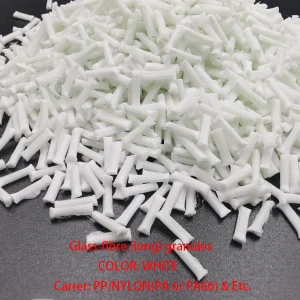
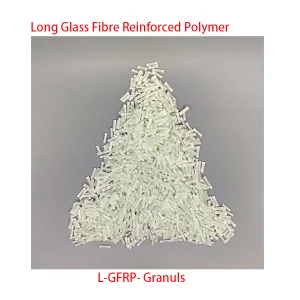
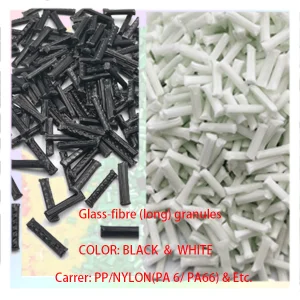
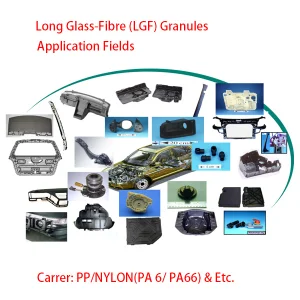
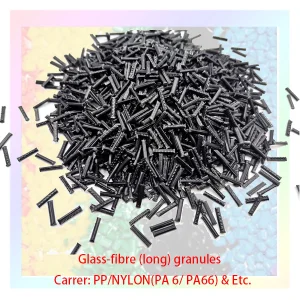
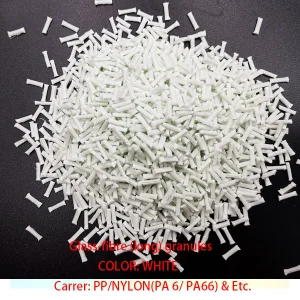
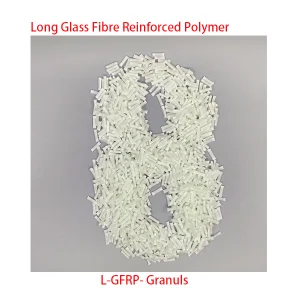
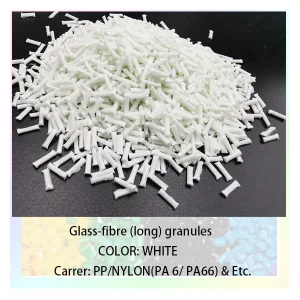
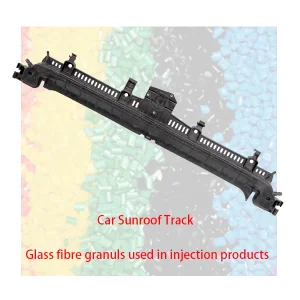
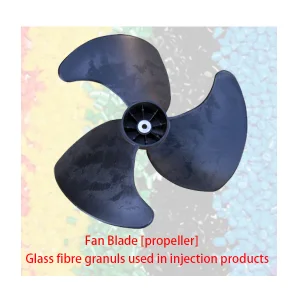
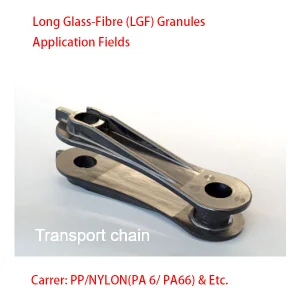
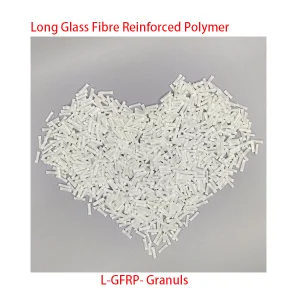
In the modern manufacturing ecosystem, durability is no longer just a luxury—it is a baseline requirement. As global industries shift towards lightweight, high-performance materials, the demand for long-fiber reinforced polymers (GFRP and Carbon Fiber composites) has skyrocketed. At Jurong Best Composite Materials Co., Ltd., we bridge the gap between advanced material science and cost-efficient industrial production.
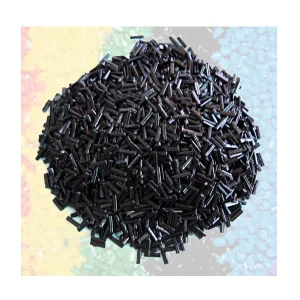
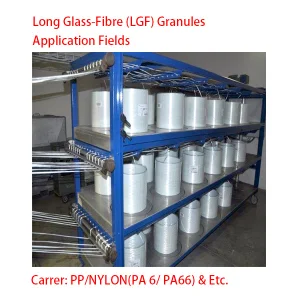
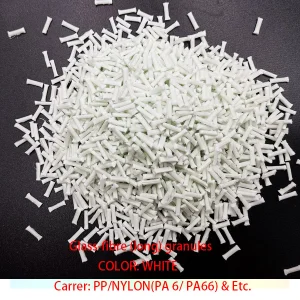
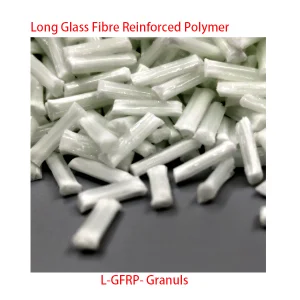
What defines the durability of carbon fiber and glass-reinforced polymers? It is a synergy of fiber length, matrix-to-fiber adhesion, and crystalline structure integrity. Our proprietary injection-molded granules are engineered to maintain structural stability under extreme thermal stress and mechanical fatigue. Unlike standard short-fiber alternatives, our long-fiber technology ensures that energy is dissipated more efficiently throughout the material, preventing crack propagation and increasing the lifespan of the end-product by up to 40%.
Leveraging our location in the heart of the Yangtze River Delta, we utilize advanced logistics and integrated supply chains to offer competitive pricing without sacrificing the "Made in China" quality standard. Our proximity to key transportation hubs allows us to streamline the export of raw granules and custom-molded parts to global markets, ensuring that your production line never stalls.
Whether you are in automotive manufacturing, consumer electronics, or heavy industrial machinery, selecting the right supplier is paramount. Our solutions cater to:
We provide transparent quotes and full technical datasheets for every batch, ensuring that procurement officers have the necessary E-E-A-T (Expertise, Authoritativeness, Trustworthiness) documentation to satisfy quality control audits.
A: While both offer exceptional strength, Carbon Fiber provides a higher stiffness-to-weight ratio, making it ideal for aerospace and high-speed automotive applications. GFRP (Glass Fiber Reinforced Polymer) offers superior cost-efficiency for industrial components, consumer appliances, and structural parts where weight reduction is necessary but extreme modulus is not the primary requirement.
A: We employ rigorous testing protocols, including thermal gravimetric analysis (TGA) and mechanical tensile strength testing. Each production line is monitored in real-time, and we provide sample testing reports to our partners before bulk shipment.
A: Absolutely. Our R&D department specializes in modifying the polymer matrix (e.g., adding UV stabilizers, heat-resistant additives, or impact modifiers) to meet the unique environmental challenges of your application.
 Best Composite