In the rapidly evolving landscape of advanced materials, the term "Apa Itu Carbon Fiber" (What is Carbon Fiber) has moved beyond academic curiosity to become a cornerstone of modern industrial manufacturing. Unlike traditional materials, carbon fiber—and its complementary cousin, Glass Fiber Reinforced Polymer (GFRP)—represents a shift towards extreme performance, lightweighting, and sustainability. Our facility, Jurong Best Composite Materials Co., Ltd., sits at the nexus of this revolution, bridging the gap between raw chemical potential and finished, high-performance industrial components.
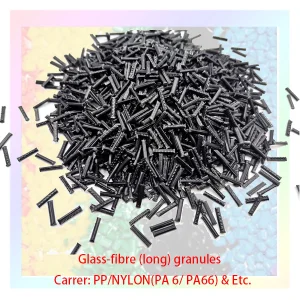
Carbon fiber is a polymer characterized by fibers about 5–10 micrometers in diameter, composed mostly of carbon atoms. These fibers are bundled together and woven or aligned to create composites with an incredible strength-to-weight ratio, surpassing steel and aluminum in specific load-bearing scenarios. Understanding the material science is only the first step; the true "famous" quality comes from the precision of the manufacturing process—how the polymer matrix (like PA6, PA66, or PP) is infused with fibers to ensure structural integrity.
As global procurement trends shift, the "China Factory 4.0" model has emerged as the gold standard for composite material production. Located in the heart of the Yangtze River Delta, our operations leverage sophisticated supply chain integration. Unlike outdated assembly lines, our facility utilizes automated compounding, rigorous quality control protocols, and smart logistics to ensure that the "Apa Itu Carbon Fiber" market receives consistent, high-grade material.
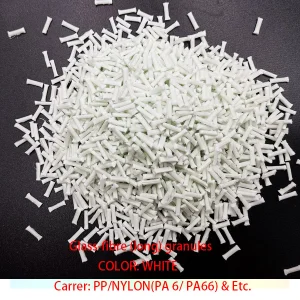
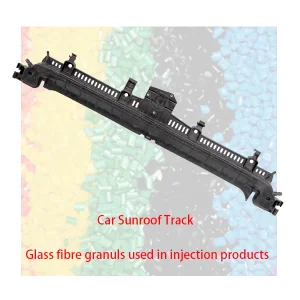
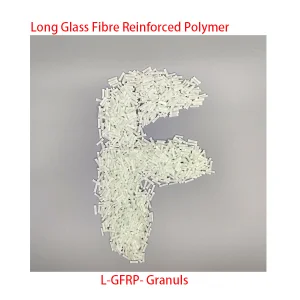
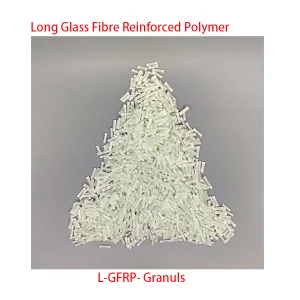
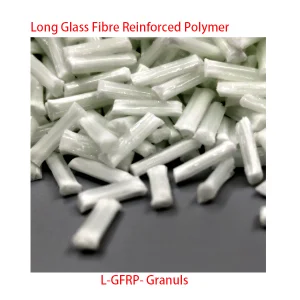
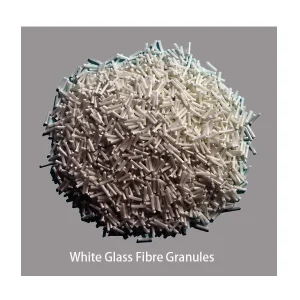
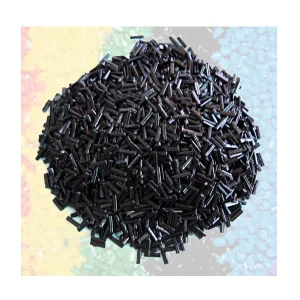
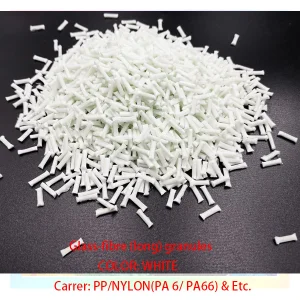
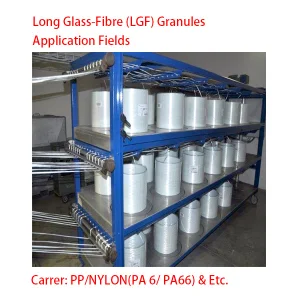
Supply chain resilience is no longer just about location; it is about digitalization. By implementing IoT-enabled machinery, we monitor the temperature, fiber alignment, and pellet uniformity in real-time. This ensures that every granule—whether it is GFRP for automotive sunroofs or advanced PBT for electrical components—meets the strict international specifications required by our global partners.
The global demand for high-performance polymers is driven by three primary sectors: Automotive, Electronics, and Green Energy. The transition toward electric vehicles (EVs) has made lightweighting an existential requirement rather than a luxury. By replacing heavy metal components with specialized GFRP or carbon-infused polymers, manufacturers can extend battery life, increase range, and reduce manufacturing costs through injection molding efficiency.
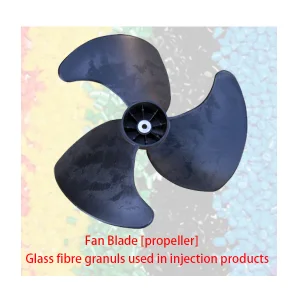
Local application scenarios are diverse. From the intricate tracks of a car sunroof (PA6/GFRP) to the housings of small kitchen electrical appliances, our materials provide the heat resistance, dimensional stability, and impact strength that legacy plastics fail to achieve. The market is shifting toward "smarter" materials—polymers that are not just strong, but recyclable and optimized for carbon footprint reduction.
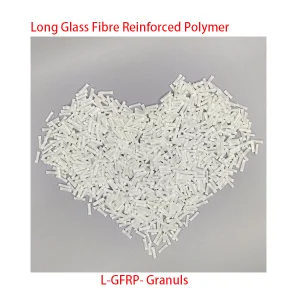
While both are composite materials, Carbon Fiber offers higher stiffness and lower weight but comes at a significantly higher cost. GFRP (Glass Fiber Reinforced Polymer) provides excellent cost-effectiveness, high strength, and electrical insulation, making it the preferred choice for general industrial and automotive applications where extreme structural stiffness is not the primary constraint.
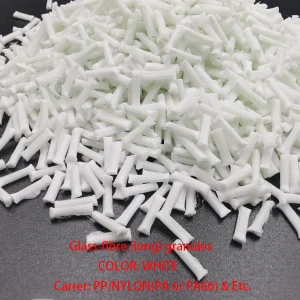
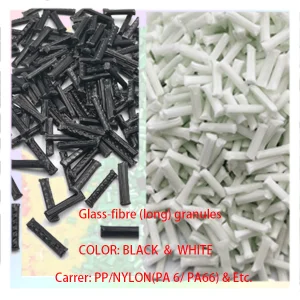
The choice depends on the end-use environment. PA6/PA66 is excellent for mechanical parts requiring high abrasion resistance and heat stability. PP (Polypropylene) is ideal for cost-sensitive, high-volume injection molding, while PBT offers superior chemical resistance and electrical properties. Our technical team at Jurong Best Composite Materials provides consultation to match the polymer to your specific engineering requirements.
The region offers unparalleled logistics and supply chain maturity. Our proximity to Nanjing and Zhenjiang ports allows for rapid raw material sourcing and efficient global export, ensuring short lead times and reduced shipping costs compared to inland manufacturing hubs.
 Best Composite