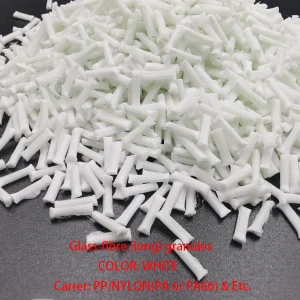
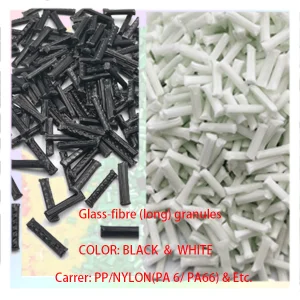
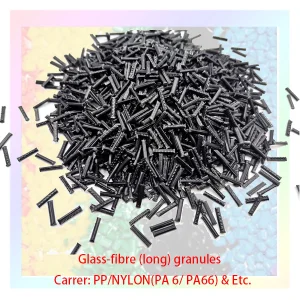
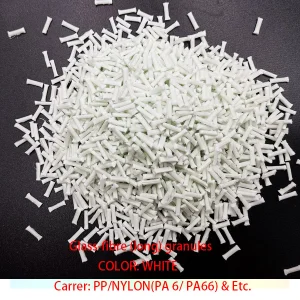
Engineered to deliver exceptional strength-to-weight ratios, chemical resistance, and dimensional stability.
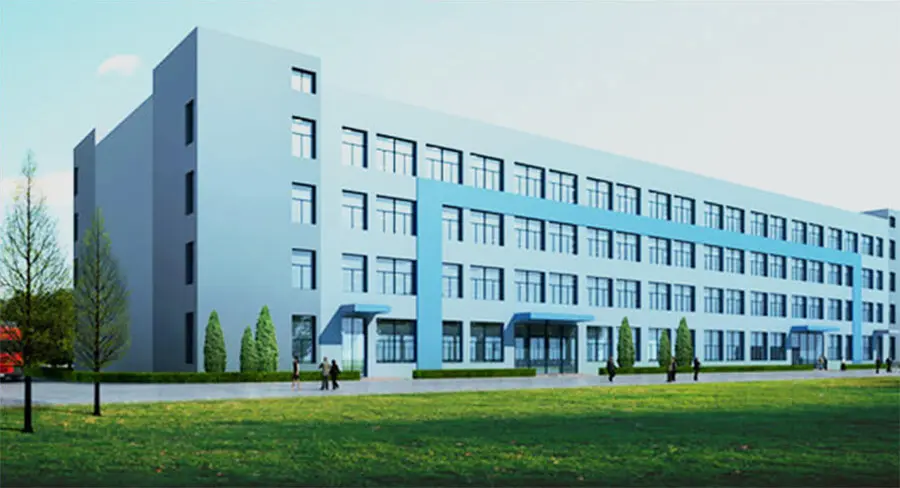
Jurong Best Composite Materials Co., Ltd. is strategically situated in the historical and ancient town of Maoshan, Jiangsu Province. With a history stretching back over a thousand years, Maoshan serves as an inspiring backdrop to our modern industrial endeavors. As a premier provider of high-grade fiberglass and fiber reinforced polymer solutions, we cater directly to demanding sectors including automotive engineering, electronic architecture, and high-load infrastructure components.
Our location within Jurong City, Zhenjiang, positions us uniquely at the lower reaches of the Yangtze River. We are directly adjacent to Nanjing, providing seamless connection points for international clients. With Nanjing Lukou International Airport close at hand and the Jianning-Taicang Expressway passing right through the region, logistics are simplified. Our quick access to the Shanghai-Nanjing Expressway facilitates rapid container dispatch to Zhenjiang Port and Shanghai Port, allowing us to serve as a reliable global exporter with short lead times.
Understanding the structural physics of fiber-reinforced polymer profiles is critical for modern industrial procurement. True structural resilience depends directly on the critical fiber length ($L_c$) retained inside the final matrix.
Traditional short glass fiber compounds undergo severe fiber breakage during compounding, resulting in a low aspect ratio. Long Glass Fiber Reinforced Polymers (LGF-RP) maintain a three-dimensional skeletal network of fibers that interlock during injection molding, providing superior creep resistance and tensile strength under extreme cyclic loads.
We supply diverse matrix variants customized to environmental stressors: PA6 and PA66 for high mechanical toughness and continuous use at high temperatures; PP (Polypropylene) for hydrolytic stability, lightweight requirements, and chemical resistance; and PPS for unparalleled thermal threshold parameters.
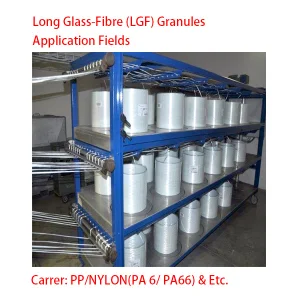
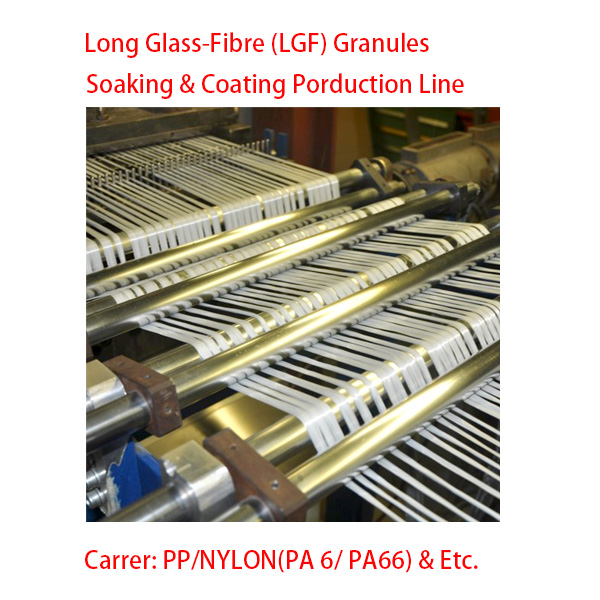
Through advanced pultrusion melt-impregnation dies, we ensure the matrix completely coats each individual fiberglass strand. The result is zero dry fibers, minimizing stress concentration points and ensuring anisotropic reliability in the final profile or injection-molded components.
The most sought-after composite material specifications for premium applications.
Purchasing agents seeking long-term cooperation must look beyond raw prices. Standardizing structural formulations requires stability, scale, and supply chain control. Jurong Best Composite Materials Co., Ltd. sits at the center of the Yangtze River Delta Economic Zone, linking petrochemical refineries, fiberglass drawing facilities, and logistics hubs.
Global automotive and electrical brands require detailed materials documentation. We provide complete material data sheet parameters (MDS), including tensile modulus, flexural strength, ash content, and density tolerances. By maintaining batch consistency, we help clean energy companies and automotive tier-1 suppliers keep their injection lines running smoothly with minimal down-time.
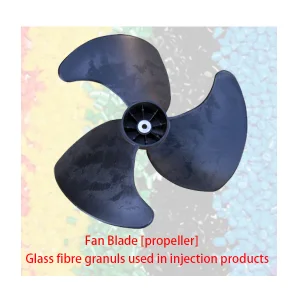
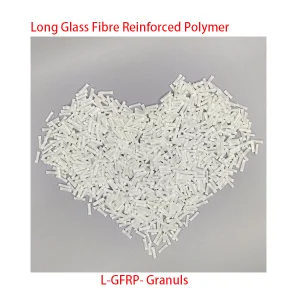
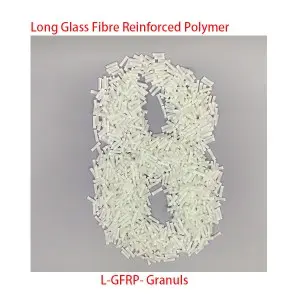
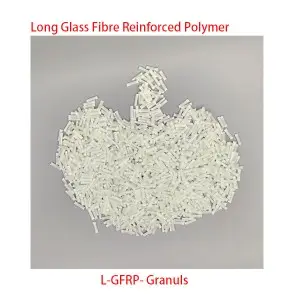
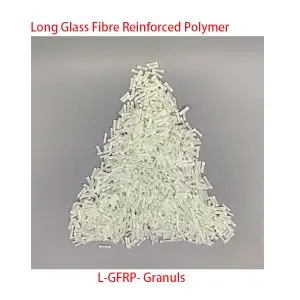
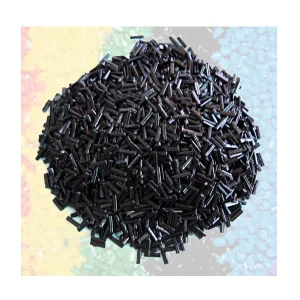
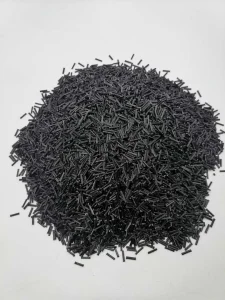
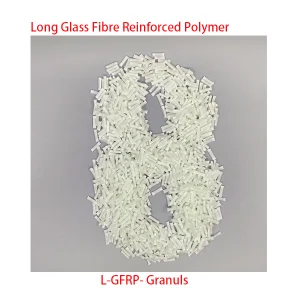
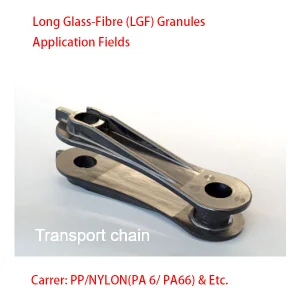
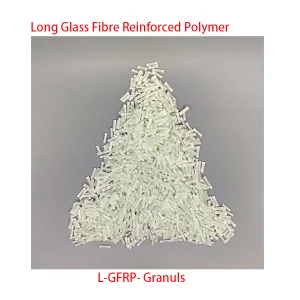
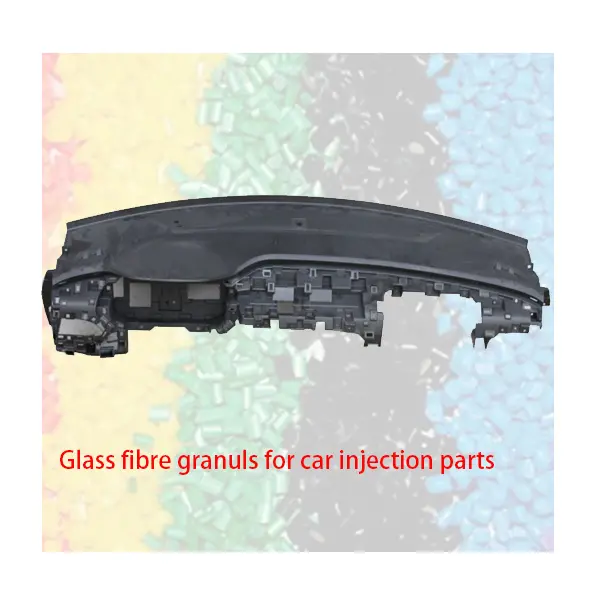
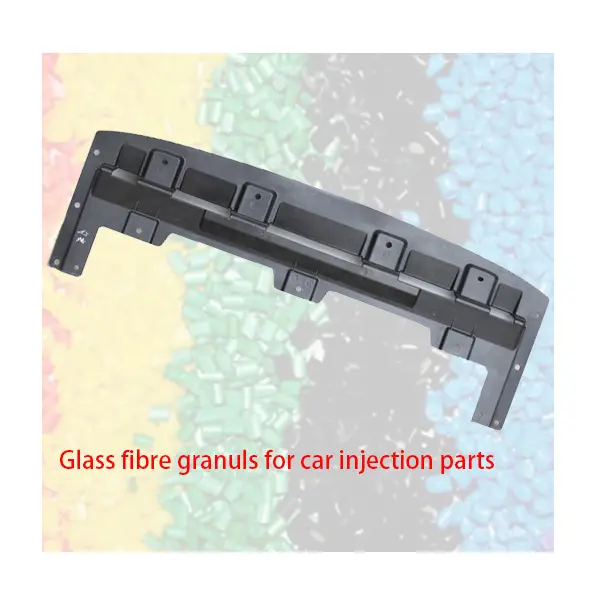
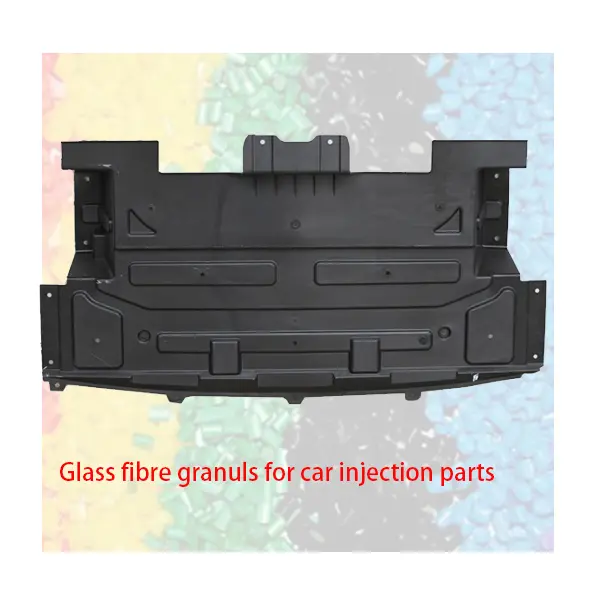
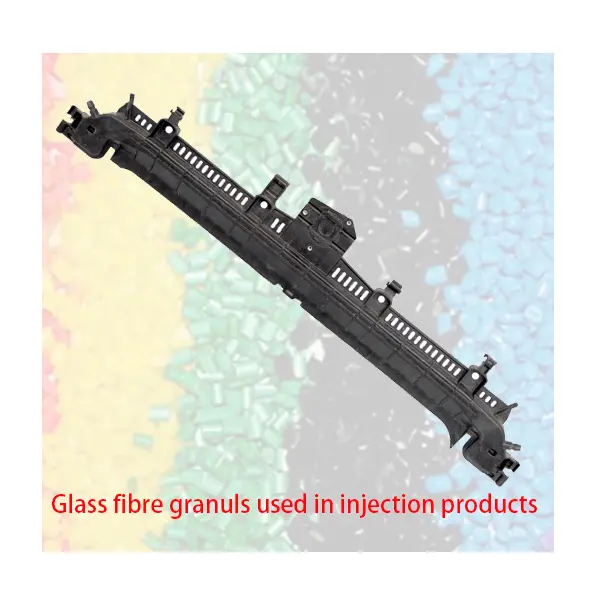
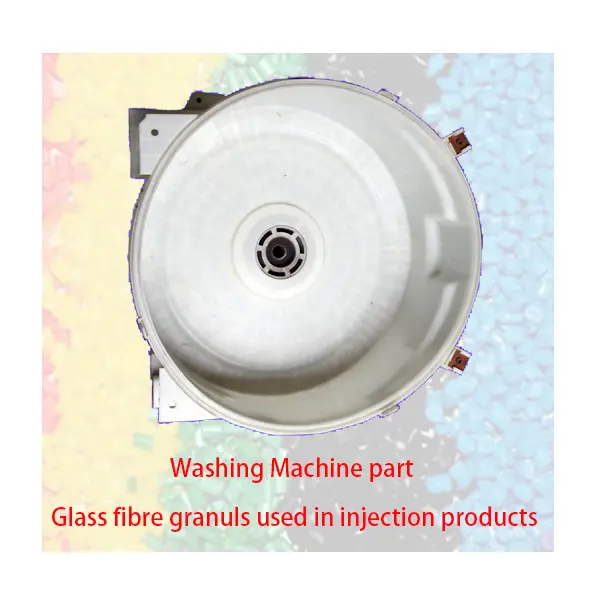
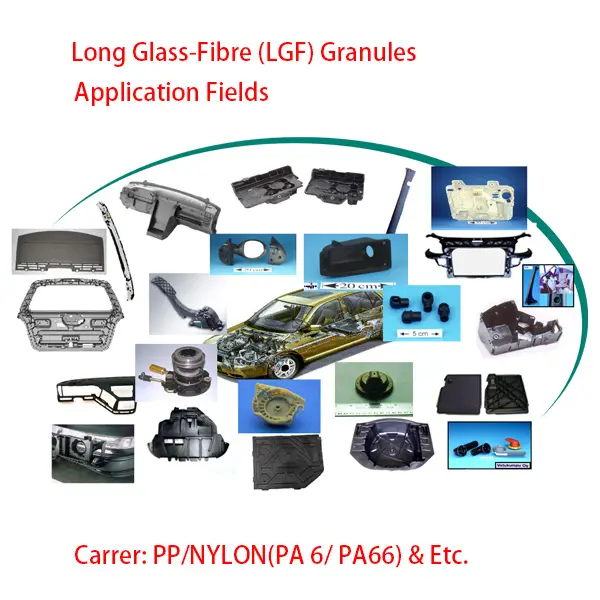
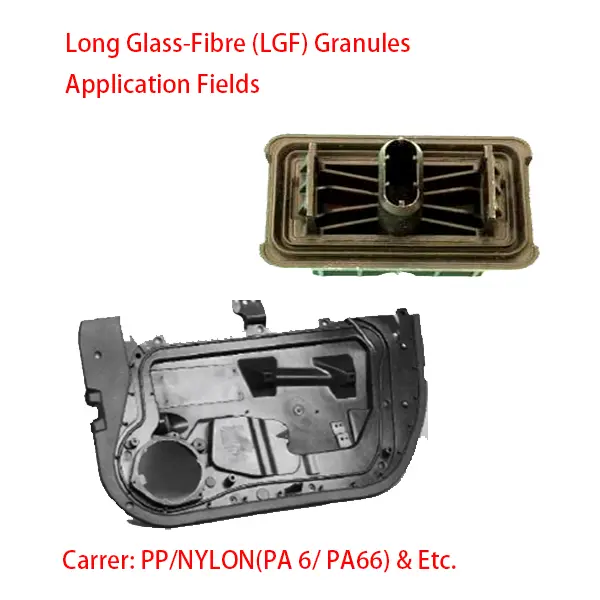
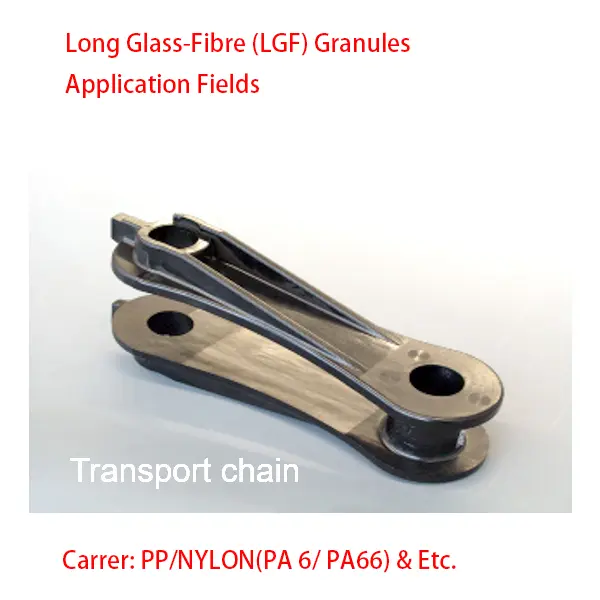
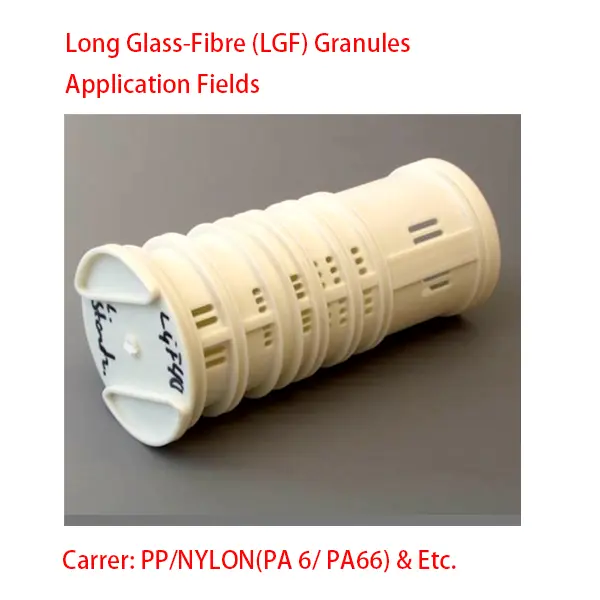
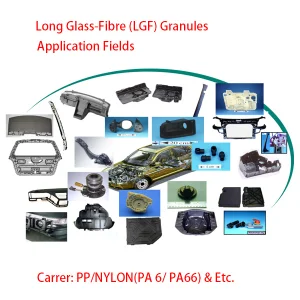
Our high-performance GFRP granules are engineered for demanding injection molding applications. Ideal for structural automotive parts, durable washing machine drums, structural brackets, and various high-stress daily appliance housings.
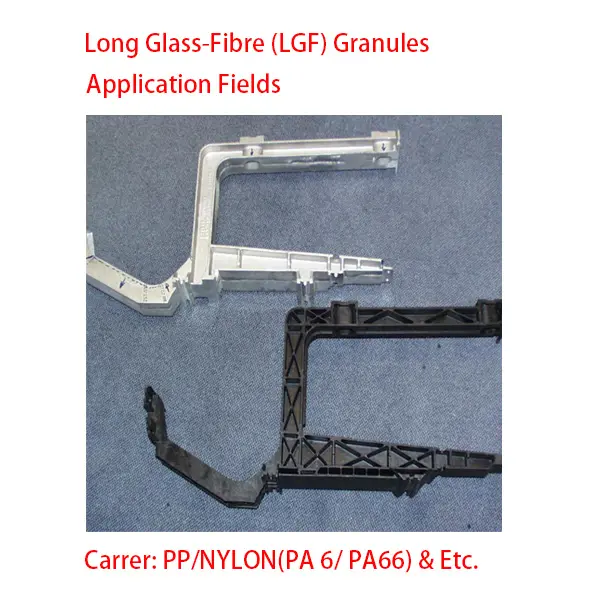
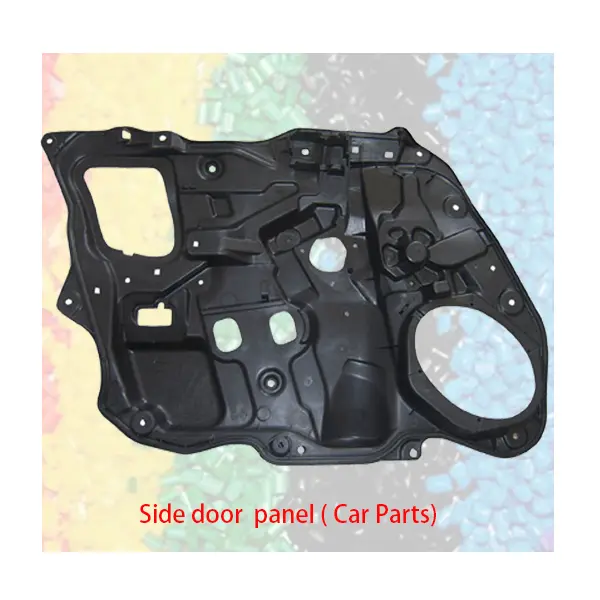
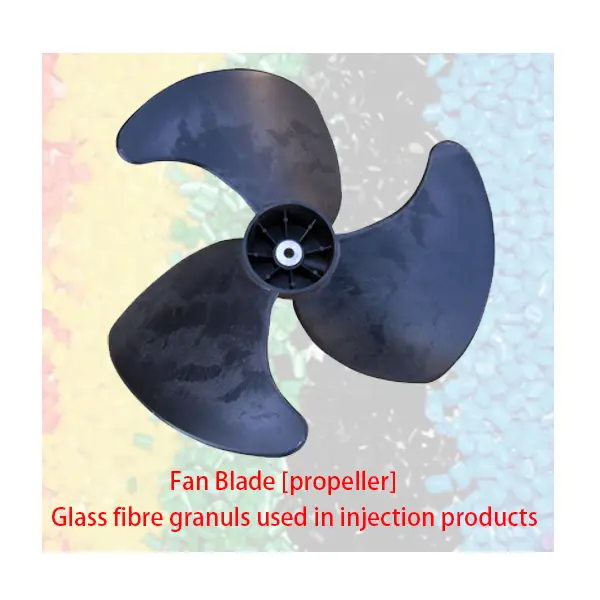
As a global exporter of fiberglass and FRP profiles, Jurong Best Composite Materials Co., Ltd. ensures full compliance with international standards. Global regulations dictate the use of plastics and structural parts, and our engineering team monitors international regulatory changes closely.
Our polyamide (nylon) and polypropylene based glass-fiber granules carry full CE Certification. We comply with EU Directive guidelines for mechanical load bearing criteria, guaranteeing that our materials can be integrated into European consumer products and building components.
We ensure that toxic heavy metals and restricted plasticizers are absent from our compounding processes. This makes our structural components suitable for sensitive consumer goods and home electronics.
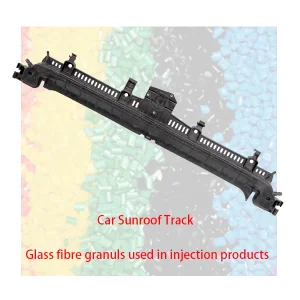
We offer customized formulations that meet automotive requirements, including low VOC emission limits, low odor values, and high impact performance under sub-zero temperatures. These properties are critical for parts like car sunroof tracks.
Fiberglass profiles and composite compounds are replacing metal in many industries. Their high performance under load, resistance to corrosive environments, and low density make them ideal for modern engineering challenges.
Replacing steel and aluminum structural elements with high-performance GFRP compounds reduces weight, which helps improve the driving range of electric vehicles. Components like sunroof guides, pedal modules, front-end structures, and battery enclosures benefit from the dimensional stability of long fiber nylon matrices.
In municipal waste plants and chemical factories, metal structures corrode quickly. Pultruded fiberglass profiles provide long-term service with virtually zero maintenance. They are used for structural ladders, walkways, handrail assemblies, and cable trays.
Washing machine drum mounts and small kitchen appliances require dynamic fatigue resistance. Glass fiber reinforced polypropylene prevents fatigue failure and avoids issues with rust or moisture absorption.
The composites industry is moving toward circular-economy thermoplastic matrices that can be shredded and remolded at the end of their service life. Ongoing development focused on hybrid formulations—combining glass and carbon fibers—aims to achieve high modulus performance at lower raw-material costs.
Keeping our global partners informed of process upgrades and structural investments.
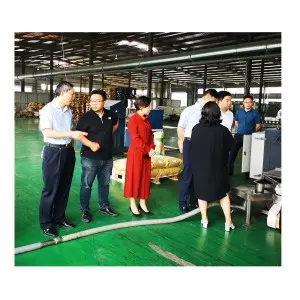
International clients visited our production site for an inspection of our PA6 and PA66 long GFRP (Glass-Fiber-Reinforced-Polymer) granules. The audit confirmed the consistency of our quality control processes.
We commissioned a new high-speed pultrusion line to meet rising international demand. The line is operating at full capacity, ensuring stable lead times for bulk purchase orders.
Detailed explanations to help engineers and procurement teams make informed material choices.
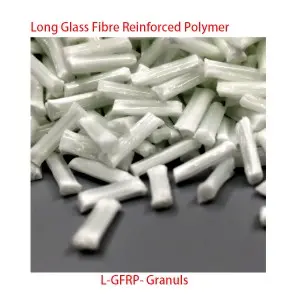
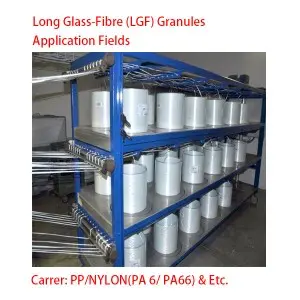
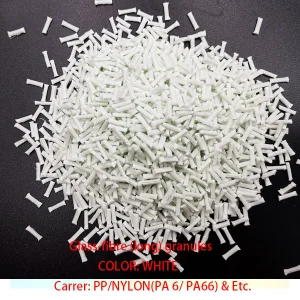
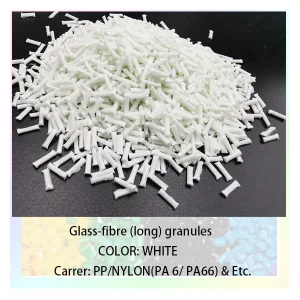
During compounding, long glass fibers are pulled through a pultrusion die rather than being sheared by twin screws. This process keeps the fibers at their original length (typically 10mm to 12mm) inside the granules. When injection molded, they form an overlapping structural skeleton. This network increases impact energy dissipation, tensile strength, and creep resistance, especially under elevated temperatures.
The choice of matrix depends on the environment the part will face. Polypropylene (PP) is lightweight, highly resistant to moisture absorption, and chemically stable, making it ideal for automotive under-the-hood enclosures and washing machine tubs. Polyamides (PA6, PA66) offer higher load-bearing limits and better heat deflection temperatures, but they can absorb moisture over time, which must be considered in wet conditions.
Our quality assurance includes testing at every stage. We inspect raw materials, run continuous check-points during pultrusion extrusion, and verify final batch parameters (density, fiber content, moisture content, tensile strength, and impact values) in our lab. Each shipment is dispatched with a Certificate of Analysis (COA).
To preserve fiber length, processors should use a low back-pressure configuration, low screw speeds, and a reverse temperature profile (higher at the nozzle, lower at the feed). We recommend using a high-flow nozzle design and avoiding sharp turns in gates and runners to reduce fiber shear.
Yes. We offer flame-retardant (FR) additives that help materials meet UL 94 V-0 requirements. These formulations are commonly used in railway interiors, electrical grids, and aerospace brackets where fire safety is a key priority.
Subscribe to our newsletter to receive the latest whitepapers, product notifications, and pricing updates directly in your inbox.
Subscribe to NewsletterBrowse our full range of reinforced polymer solutions engineered for global export.
 Best Composite