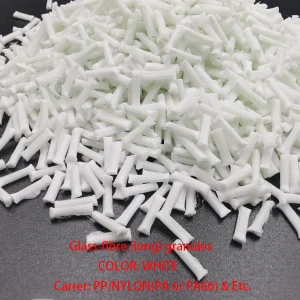
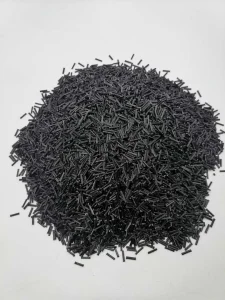
Direct global procurement for ISO & CE certified Long Glass Fiber (LGF) and High-Performance Carbon Fiber matrix thermoplastic systems.
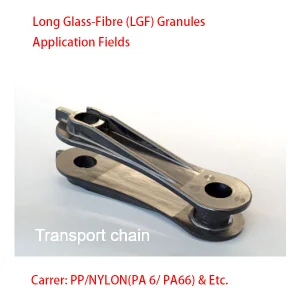
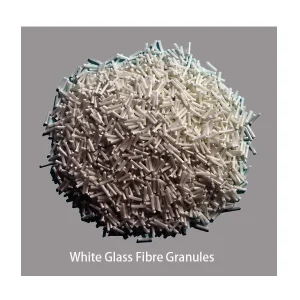
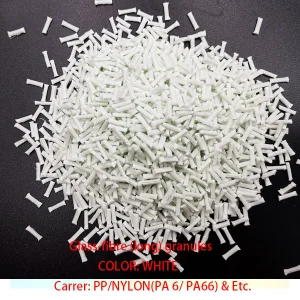
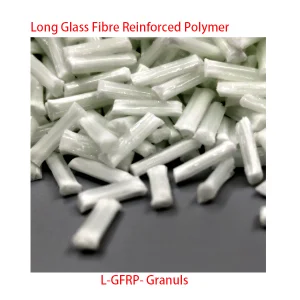
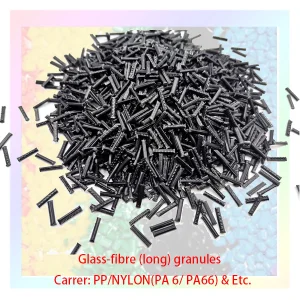
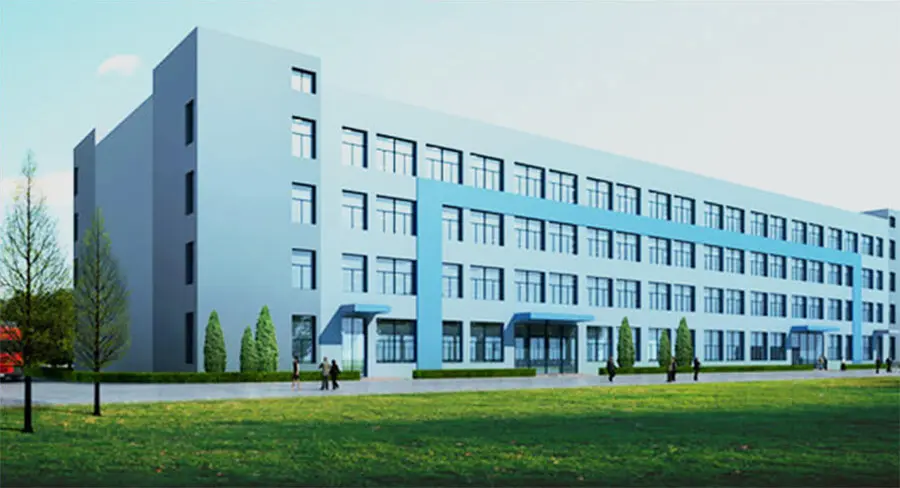
Strategically headquartered in the historic district of Maoshan, Jurong City, Jiangsu Province, Jurong Best Composite Materials Co., Ltd. stands as a premier global beacon for the research, design, and production of ultra-high-performance composite materials. Operating within the economically vibrant lower reaches of the Yangtze River, our manufacturing facility enjoys direct logistical connectivity. With adjacent proximity to the Nanjing Lukou International Airport and the arterial Jianning-Taicang Expressway, our raw and finished composite products seamlessly flow directly to crucial hubs like Zhenjiang Port and Nanjing Port, ensuring rapid global transit pipelines.
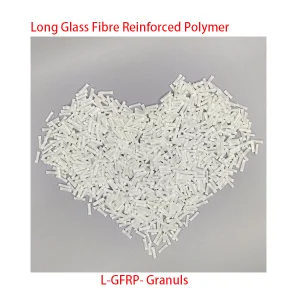
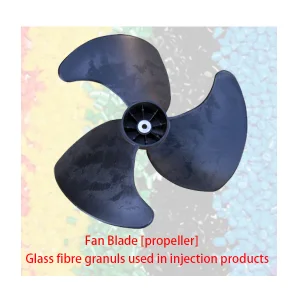
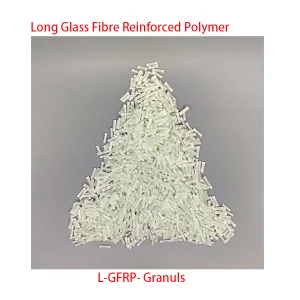
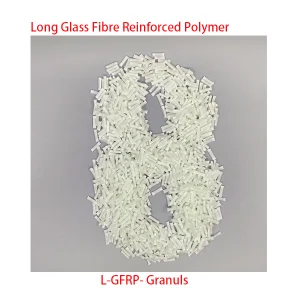
By leveraging more than a decade of research into high-density structural polymer matrices—including Long Glass Fiber Reinforced Polymers (GFRP) and hybrid Carbon Fiber systems—our organization serves critical fields across industrial machinery, automotive frameworks, electronics, and precision engineering sectors. Every metric of our production capacity is fine-tuned to deliver profound information gain and material integrity to our procurement partners worldwide.
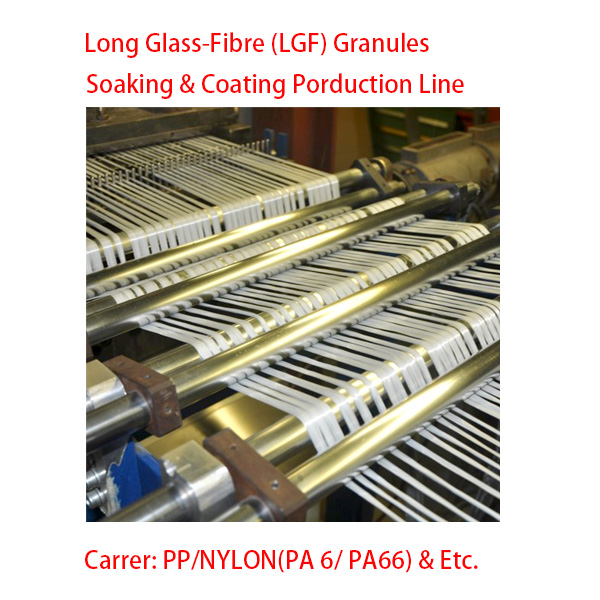
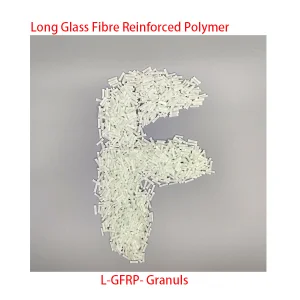
Modern engineering demands advanced materials that offer high structural efficiency and minimized payload weight. While standard metal alloys have historically dominated primary load-bearing applications, the emergence of high-strength carbon fiber materials and long glass-fiber-reinforced polymer matrices has fundamentally shifted this paradigm. Industries like aerospace, electric vehicles (EV), and high-frequency consumer electronics require lightweight matrices capable of resisting extreme thermal, dynamic, and mechanical loads.
At Jurong Best Composite Materials Co., Ltd., our engineering teams construct custom composite systems that blend the ultimate rigidity of premium carbon structures with the highly cost-effective, high-impact attributes of specialized polymer families. Understanding when to deploy carbon fiber matrix components versus optimized GFRP granules is the core objective of our industrial partnership pipeline.
| Polymer Composite Matrix | Tensile Strength (MPa) | Flexural Modulus (GPa) | Typical Fiber Fraction (%) | Primary Industrial Applications |
|---|---|---|---|---|
| PA6-LGF (Long Glass Nylon) | 210 - 245 | 11.5 - 14.0 | 30% - 60% | Automotive structural shells, wash-basin frames, high-impact mounts |
| PA66-LGF (Ultra-Rigid Nylon) | 230 - 275 | 13.0 - 16.5 | 30% - 60% | Heavy-duty electrical conduit, high-load gear mounts, automotive manifolds |
| PP-LGF (Lightweight Polypropylene) | 110 - 145 | 7.0 - 9.5 | 20% - 50% | Integrated dash frames, front-end modules, dynamic door modules |
| PBT-LGF (Polyester Matrix) | 150 - 180 | 9.5 - 12.0 | 30% - 50% | Precision pump impellers, dimensional-stable electronic casing |
| PPS-LGF (Extreme Temperature Poly) | 190 - 220 | 14.0 - 18.0 | 30% - 50% | Chemical processing valves, under-the-hood EV thermal connectors |
| Carbon Fiber Hybrid Matrices | 350 - 680 | 28.0 - 55.0 | 20% - 40% | Aerospace sub-frames, premium sporting goods, high-torque industrial shafts |
*Data compiled from rigorous in-house internal quality audits, engineering mechanical test beds, and validated ISO certifications. Exact mechanical properties can be engineered dynamically based on customer matrix specifications.
Deploying advanced long-fiber reinforced polymers into the global industrial market requires robust regulatory compliance. Every country has distinct standards governing chemical formulation, occupational safety, and physical properties. Jurong Best Composite Materials Co., Ltd. guarantees full compliance with global structural frameworks:
Our long glass-fiber and carbon fiber integrated formulations maintain comprehensive CE Certification, enabling smooth customs and compliance procedures throughout the European Economic Area.
For sensitive daily supplies and home kitchen electrical appliances, our structural PA6, PA66, and PP granules are formulated to meet EU REACH and RoHS environmental standards, ensuring no toxic off-gassing.
From the moment chemical precursors and glass filaments enter our Maoshan facility until finished granules exit shipping, our ISO-certified quality control protocols record all relevant structural batches.
By coordinating custom formulations that address regional requirements—such as regional flame retardance standards (UL94 V-0, V-1) and high-load mechanical safety margins—our technical teams ensure that global buyers face zero friction during target product qualification runs.
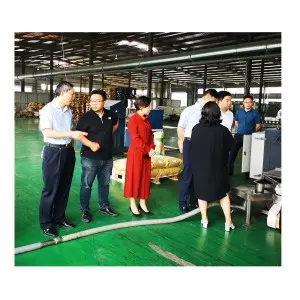
To demonstrate structural composite expertise, we provide open access to documented manufacturing milestones, verifying that our advanced composite formulations perform exactly as engineered in high-demand industrial scenarios.
The engineering roadmap at Jurong Best Composite Materials Co., Ltd. points toward hybrid composite systems and green polymers. The composites industry is focused on three main research areas:
By blending high-strength carbon fibers with impact-resistant long glass filaments in a single polymer matrix, we create hybrid materials. These composites deliver exceptional structural performance at cost-effective price points.
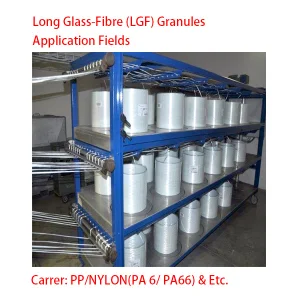
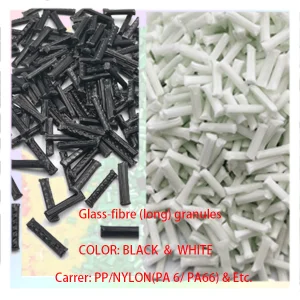
Unlike standard thermoset resins, which are difficult to recycle, our thermoplastic polymer systems (PA6, PA66, PBT, PP) can be shredded and re-extruded. This helps global partners meet circular economy goals.
We are refining our continuous yarn pulltrusion methods. This guarantees maximum alignment of continuous long fibers, preventing fiber breakage and maximizing structural load limits.
Deep industry technical details answered by the structural composite materials engineering group at Jurong Best.
Specialized thermoplastic formulations engineered to replace metals, lower weight, and improve strength across high-temperature applications.
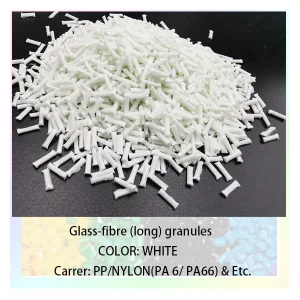
 Best Composite