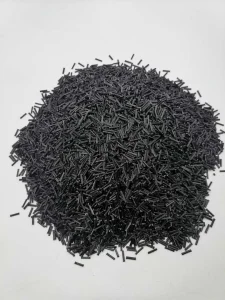
Explore our elite range of Glass Fiber Reinforced Polymer (GFRP) structural materials engineered to bypass standard steel limitations.
Jurong Best Composite Materials Co., Ltd. is strategically located in the ancient town of Maoshan, which boasts a rich history of over a thousand years. Nestled within Jurong City, Zhenjiang, Jiangsu Province, our facility sits in the lower reaches of the Yangtze River, immediately adjacent to the metropolitan hub of Nanjing and in close proximity to Nanjing Lukou International Airport.
Our logistical layout is premier: the Jianning-Taicang Expressway (from Nanjing to Taicang) runs directly through the area, and the Jurong exit of the Shanghai-Nanjing Expressway links seamlessly to Zhenjiang Port and Nanjing Port. Benefiting from the massive manufacturing and distribution capacity of the Yangtze River Delta Economic Zone, our shipping, customs, and transport capabilities are highly optimized.
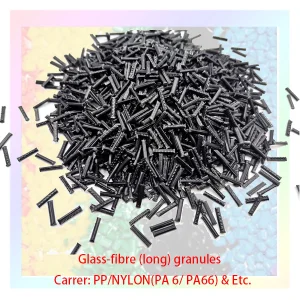
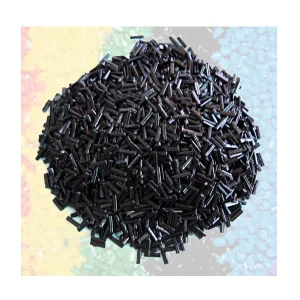
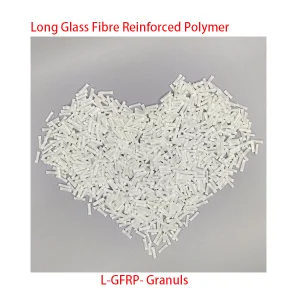
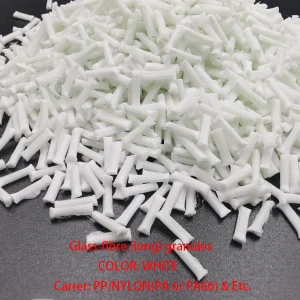
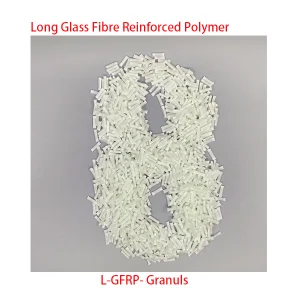
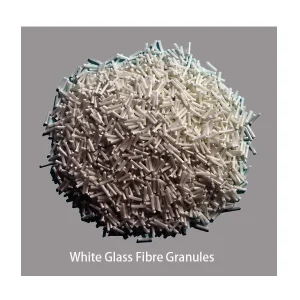
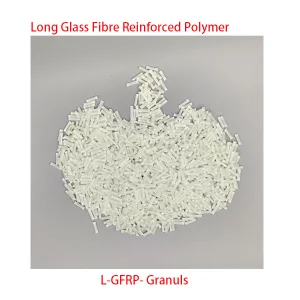
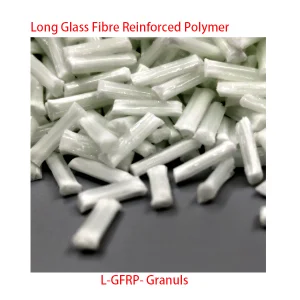
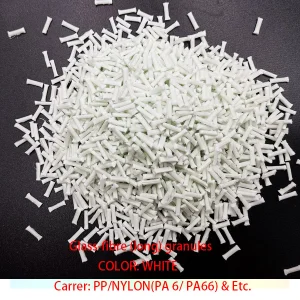
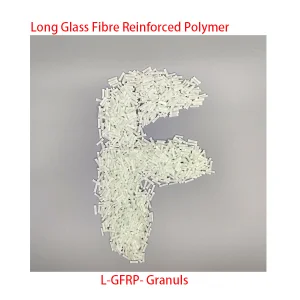
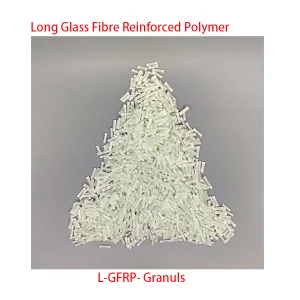
As a leading developer, we specialize in high-strength, structural composite materials. By focusing on Long Glass Fiber Reinforced Polymer (GFRP) Granules, we empower downstream manufacturers globally to produce high-strength glass fiber reinforced rebars, automotive elements, high-pressure conduits, and complex industrial structural materials.
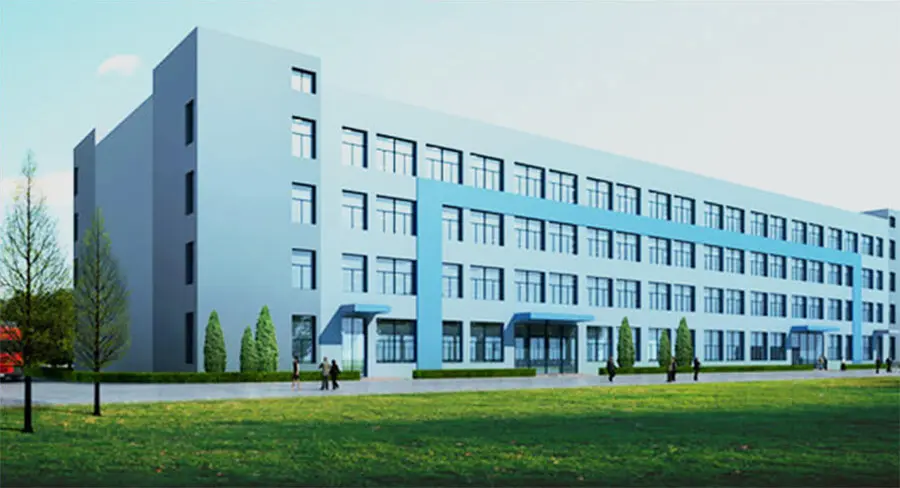
Our plant combines raw material consolidation, technological automation, and strict global compliance to deliver cost-competitive, high-performance structural materials.
Located within the Yangtze River Delta, we leverage low-cost, high-grade silica sand extraction, direct-source polymer resins, and state-of-the-art pultrusion manufacturing lines, ensuring highly reliable raw material pipelines and rapid production turnaround.
Unlike standard short-fiber configurations, our proprietary pultrusion compounding technology ensures fibers are continuous and unidirectionally aligned. This generates a much higher modulus of elasticity, comparable to steel but at one-quarter of the weight.
We test and trace every single batch. Our structural products conform strictly to international benchmarks, including ASTM D7957 (standard specification for solid GFRP bars for concrete reinforcement), ISO 9001, and SGS environmental directives.
The global construction and civil infrastructure sectors are undergoing a massive transition. Structural degradation caused by steel rebar corrosion costs global economies billions of dollars annually in maintenance and structural failures. Under aggressive exposure environments—such as marine splash zones, salt-treated highways, wastewater treatment units, and chemical processing facilities—traditional steel reinforcement degrades rapidly.
Fibre Glass Rebars (GFRP) are now the primary substitute designated by engineers worldwide. Formed by compounding high-strength glass fiber filaments with thermosetting or high-performance thermoplastic matrices (such as Nylon PA6, PA66, PP, and PBT), GFRP offers complete chemical inertness. It is completely rust-proof, electrically non-conductive, and thermally insulating.
As a seasoned supplier, we understand that a high-quality glass fiber rebar is only as strong as its binding polymer matrix. Our specialized granules play a crucial role:
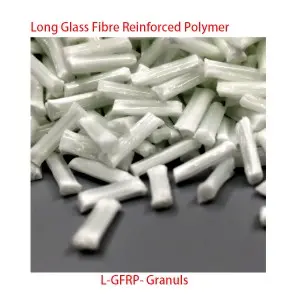
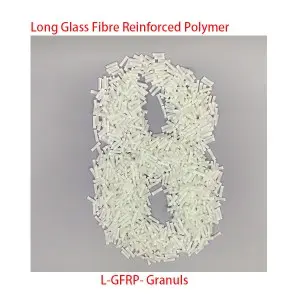
NYLON-PA6-PA66-GFRP-Granules
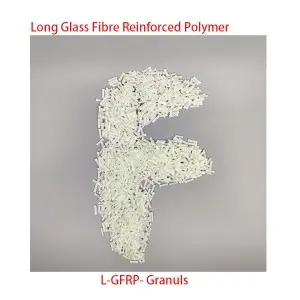
PP-PA6-PA66-GFRP-Granules
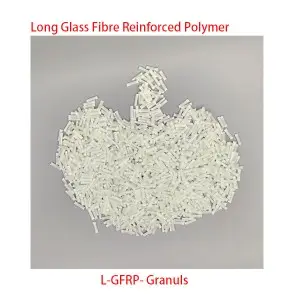
GFRP-PP-PA6-PA66-Granules
PA6-Long-Glass-Fiber
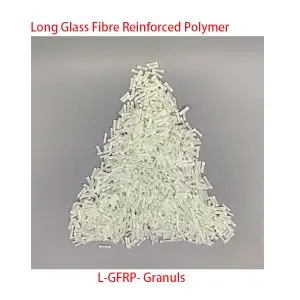
Long-Glass-Fiber-Reinforced
Where steel fails, our structural Glass Fiber Reinforced materials provide centuries of maintenance-free performance.
Seawalls, jetties, docks, and coastal building foundations are constantly assaulted by high-salinity seawater. Fibre glass rebars eliminate internal rust expansion, preventing concrete spalling and maintaining the integrity of coastal defenses for generations.
De-icing salts applied in winter destroy highway rebar grids within decades. GFRP rebars inside bridge decks, toll booth lanes, and rapid transit foundations withstand chemical assault while eliminating electromagnetic interference in train detection loops.
For temporary tunnel walls and soft-eye excavations (TBM launch shafts), steel reinforcement is difficult and expensive to mill through. GFRP rebars are easily cut by Tunnel Boring Machines, drastically accelerating construction timelines.
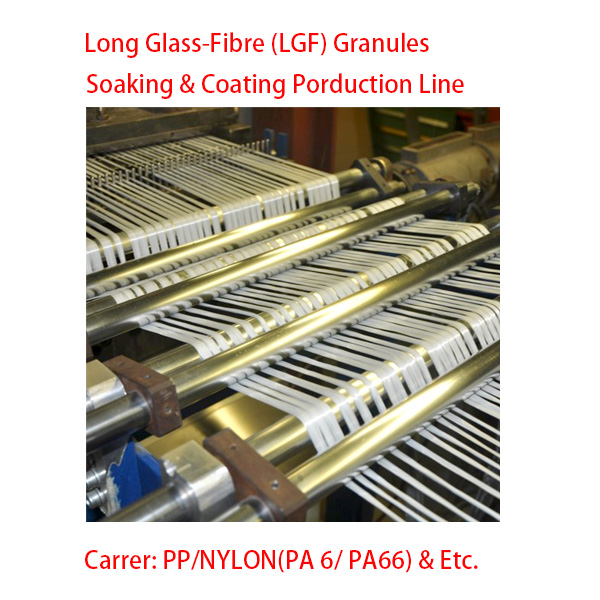
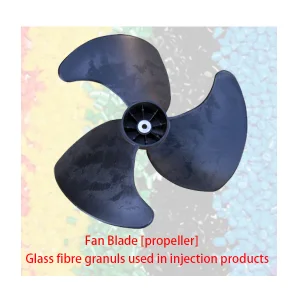
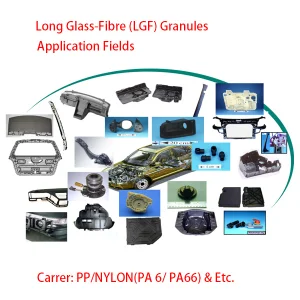
Our premier GFRP granules can be used to make many kinds of specialized, high-durability products. From critical automotive components requiring lightweight stiffness to washing machine components, small kitchen electrical appliances, and robust municipal construction profiles.
Our granules ensure optimal fiber length preservation post-injection molding or extrusion, giving your finished products the structural strength they need to withstand continuous cyclic loads.
We enforce a multi-stage Quality Management System (QMS) that tracks processing parameters from initial polymer feedstocks to final product dispatch. In our internal laboratories, we test for continuous fiber density, tensile strength, elasticity metrics, and long-term chemical resistance in alkaline concrete environments.
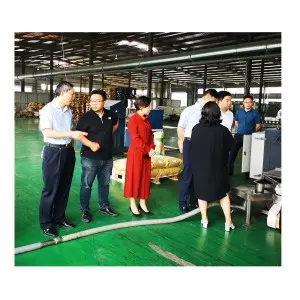
Clients regularly perform rigorous audits on our PA6 and PA66 long GFRP compounding lines. These inspections confirm our products' quality and quality control processes meet global compliance benchmarks.
Clients completed a professional inspection of our PA6 and PA66 long GFRP (Glass-Fiber-Reinforced-Polymer) granules. The audit verified compliance of our manufacturing methods and quality control protocols. (Reported by Lu)
Our production floor successfully brought a new automated GFRP machine line online. The line's output matched expectations, raising our yearly shipping capacity for global infrastructure projects.
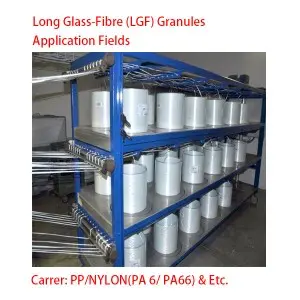
Technical responses for structural engineers, procurement managers, and construction firms.
GFRP rebars are completely corrosion-resistant and 75% lighter than steel, significantly reducing logistics and handling costs. They possess high tensile strength (often double that of structural steel) but have a lower modulus of elasticity, which engineers account for during structural concrete design calculations.
The standard is ASTM D7957 (Standard Specification for Solid Round Glass Fiber Reinforced Polymer Bars for Concrete Reinforcement). This specification sets rigorous benchmarks for tensile properties, fiber content, moisture absorption, and shear resistance, which our materials support.
Because GFRP is a thermoset material once cured, it cannot be bent on-site. All bends, hooks, and custom shapes must be specified before manufacturing. We supply precise custom profiles directly from the factory based on engineering drawings.
Yes, we customize our resin bases using heat-resistant polymers like PA66 or PPS for projects with high thermal requirements. This guarantees long-term durability in challenging chemical environments.
Our high-capacity production lines supply developers and infrastructure groups globally. Browse our core catalog.
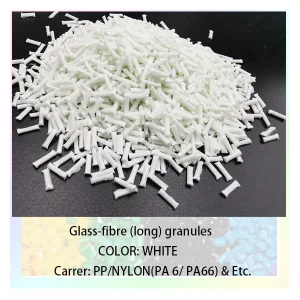
For inquiries about our specialized polymer products, custom rebars, or pricing catalogs, please leave your contact info below. Our engineering team will respond within 24 hours.
 Best Composite