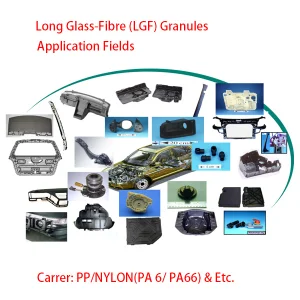
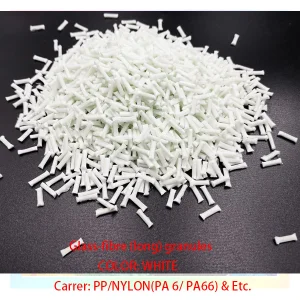
In the contemporary landscape of polymer science, Polypropylene Impact Copolymer (PP-IC) stands as a testament to engineering excellence. Unlike standard homopolymers, impact copolymers are synthesized through a multi-stage process, typically involving the polymerisation of propylene followed by the introduction of an ethylene-propylene rubber (EPR) phase within the polypropylene matrix. This heterophasic structure grants the material an extraordinary balance of stiffness and low-temperature impact strength, making it indispensable for high-stress industrial applications.
The global demand for PP Impact Copolymer is surging, driven primarily by the automotive, packaging, and consumer goods sectors. As industries pivot towards sustainability and energy efficiency, the role of lightweight, high-performance thermoplastics has never been more critical. Currently, the market is witnessing a shift from traditional materials like metal and heavier plastics to advanced PP copolymers reinforced with Long Glass Fibers (LGF).
Asia-Pacific remains the largest producer and consumer, with China leading the charge in infrastructure and automotive manufacturing. Jurong Best Composite Materials Co., Ltd., strategically located in the Yangtze River Delta, serves as a pivotal node in this global supply chain, leveraging local logistical advantages and advanced R&D capabilities to meet international quality standards.
Utilizing state-of-the-art gas-phase or bulk polymerization techniques to ensure uniform rubber distribution across the polymer matrix.
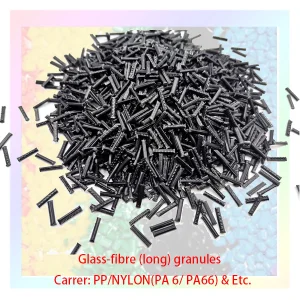
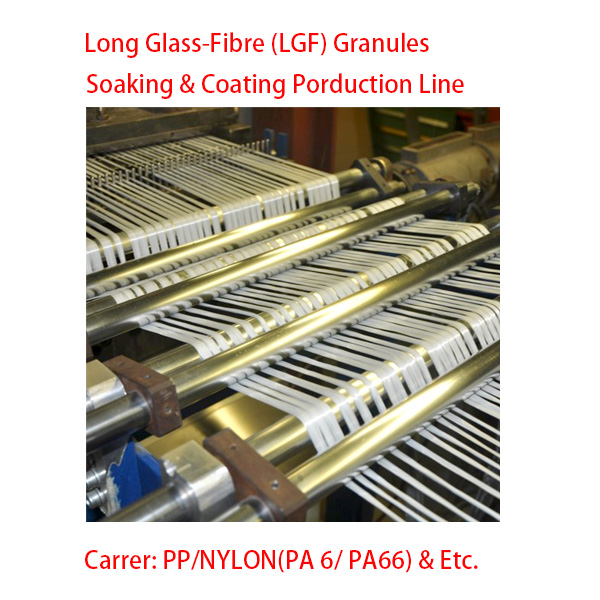
Integration of Long Glass Fiber (LGF) technology to enhance structural integrity, creep resistance, and dimensional stability.
PP-IC materials are 100% recyclable, aligning with the "Circular Economy" goals of global environmental regulations.
The trajectory of the PP Impact Copolymer industry is defined by three major trends:
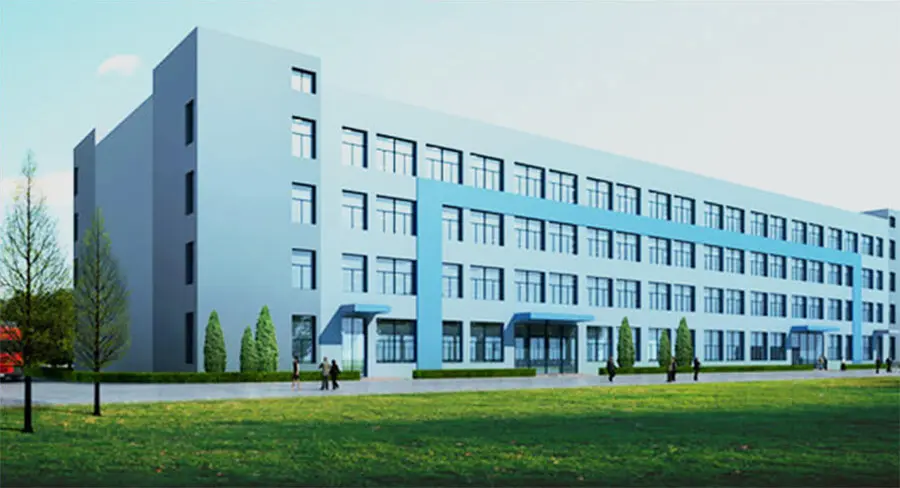
Jurong Best Composite Materials Co., Ltd. is located in the ancient town of Maoshan, Jiangsu Province. With over a thousand years of heritage, our location isn't just a point on the map; it's a strategic hub at the lower reaches of the Yangtze River. Close to Nanjing Lukou International Airport and major expressways, we offer unparalleled logistical efficiency to Zhenjiang and Nanjing Ports.
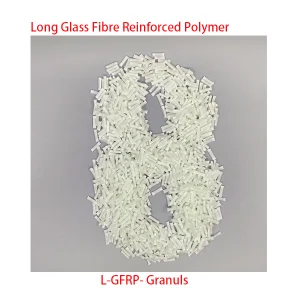
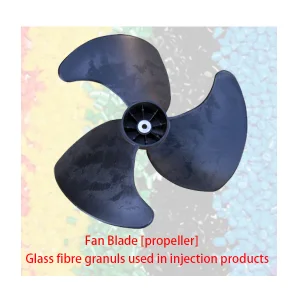
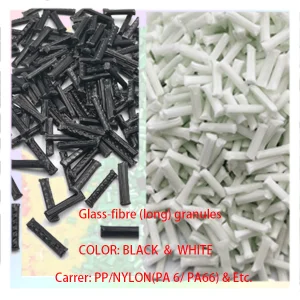
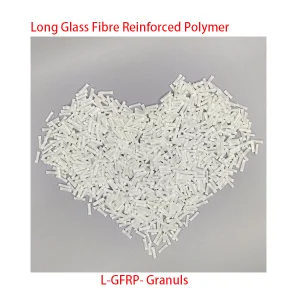
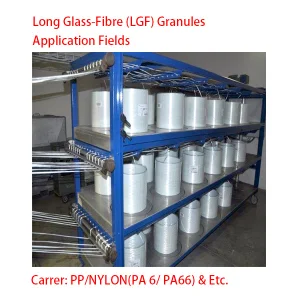
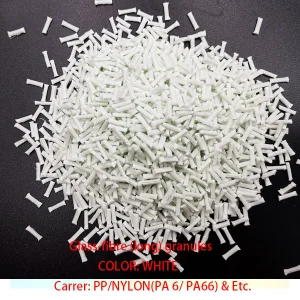
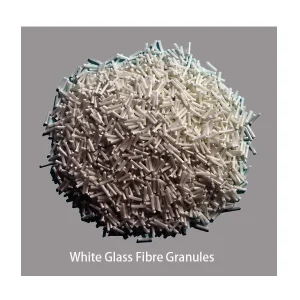
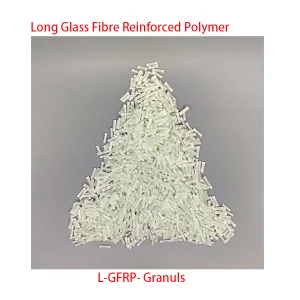
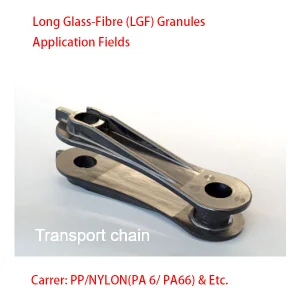
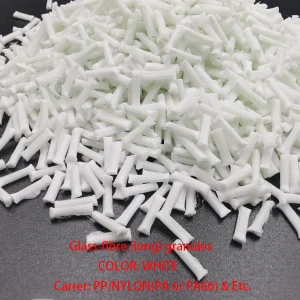
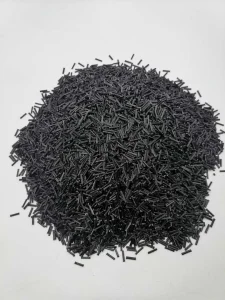
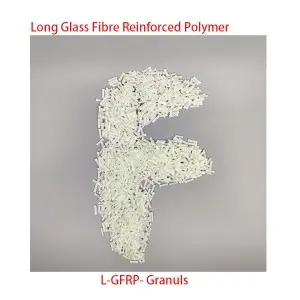
We specialize in LONG GFRP (GLASS-FIBER-REINFORCED-POLYMER) GRANULES. Our granules are engineered for high-performance applications, including automotive structural parts, washing machine components, and sophisticated kitchen appliances.
Front-end modules, door modules, and under-the-hood components where vibration damping and impact resistance at extreme temperatures are vital.
Durable tubs for washing machines and heat-resistant frames for ovens, utilizing the chemical resistance of PP copolymers.
Power tool housings that require high drop-test performance and ergonomic surface finishes.
Our R&D department is focused on the "Phase-Transition" technology of impact copolymers. By optimizing the size and dispersion of the elastomer phase (EPR), we can achieve a "No-Break" performance even at -40°C. Our roadmap includes:
2024-2025: Implementation of ultra-high-flow PP-IC for thin-wall injection molding to reduce material usage by 15%.
2026-2027: Hybridization of glass fiber and carbon fiber in a PP matrix for aerospace-grade lightweighting.
2028 & Beyond: Development of bio-based Polypropylene Impact Copolymers derived from renewable feedstocks.
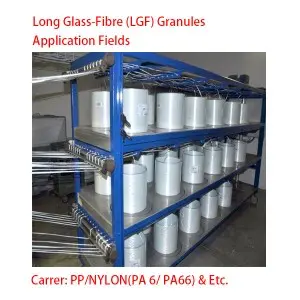
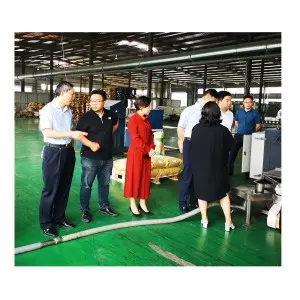
We don't just sell granules; we provide a total solution. This includes Mold Flow Analysis (MFA), Mechanical Stress Testing, and Process Optimization. For instance, when a client visited our company for quality checking, they rigorous inspected our PA6 and PA66 long GFRP production lines. The result was a customized solution that improved their assembly line efficiency by 22%.
Subscribe to our newsletter for the latest white papers on polymer engineering and market trends.
 Best Composite