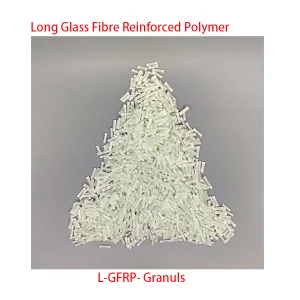
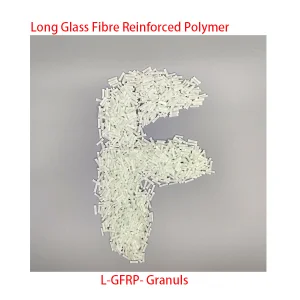
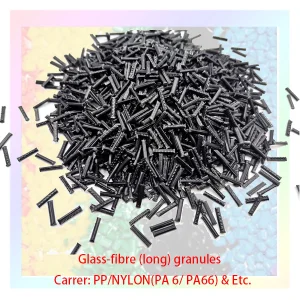
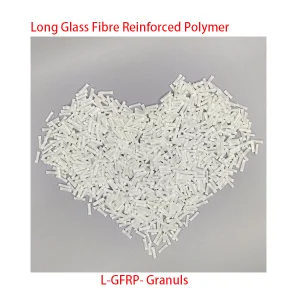
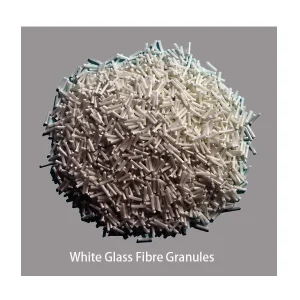
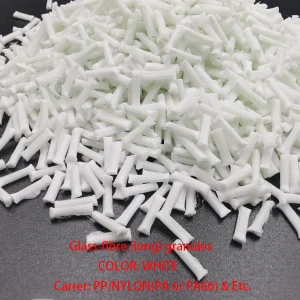
Explore our premium grade selection of long glass fiber reinforced polymer components engineered for civil and industrial structural rebar applications.
Understanding the tectonic shifts in modern composite material sourcing, structural engineering requirements, and international trade corridors.
In the contemporary structural engineering matrix, Glass Fiber Reinforced Polymer (GFRP) rebar has transitioned from an experimental alternative to a primary specifying agent. Driven by the critical degradation problems associated with traditional black steel reinforcement, global civil projects are moving decisively toward non-corrosive alternatives. Marine retaining walls, bridge decks, highway slabs under aggressive de-icing salts, and underground tunneling projects represent a few sectors experiencing double-digit year-over-year increases in composite materials utilization.
Economically, the global GFRP rebar market is projected to reach unprecedented valuation over the coming decade. As sovereign infrastructure acts emphasize longevity, carbon lifecycle cost reduction, and localized sourcing, the role of a wholesale glass fiber rebar company becomes highly critical. Production is no longer localized within single markets; rather, a resilient global supply chain integrates high-quality raw polymer synthesis with specialized domestic fabricators. Strategic production regions leverage localized transport hubs to feed demanding projects across the Americas, EMEA, and Asia-Pacific regions.
How the compound structure of Long Glass Fiber Reinforced Polymers translates to physical tensile performance and structural reliability.
The core structural profile of any GFRP rebar relies heavily on the quality of its resin matrix. Utilizing advanced compounds such as polyamide (PA6, PA66), polypropylene (PP), and specialty thermoplastic polyurethane (TPU), structural engineers can tailor composite rebars to withstand high alkaline environments, extreme thermal fluctuations, and continuous fatigue stresses without degradation.
Unlike short fiber fillers, Long Glass Fiber (LGF) reinforcement preserves the aspect ratio during pultrusion and injection. This continuous skeletal network within the polymer matrix provides exceptional load distribution. It increases ultimate tensile strength, limits micro-crack propagation, and elevates impact resistance in both precast and cast-in-place concrete structures.
For research institutes, healthcare facilities featuring MRI machines, high-voltage substations, and automated rail infrastructure, metallic interference is a critical failure point. GFRP solutions guarantee 100% electromagnetic transparency, preventing stray currents, induction heating, and interference with signal-sensitive systems.
Deploying GFRP rebars decreases logistics emissions by up to 70% compared to heavy structural steel. The low density of glass composites reduces structural deadweight, leading to slimmer concrete dimensions and lower raw cement expenditures. It provides a double-action carbon reduction strategy that satisfies strict green building ratings and infrastructure mandates globally.
Charting the evolutionary timeline of polymer composites in global civil works and heavy industrial manufacturing.
The transition toward sustainable infrastructure requires systemic solutions. When developers assess wholesale glass fiber rebar companies, they look beyond product catalogs; they require integrated engineering protocols. Future technical roadmaps indicate that thermoplastic GFRP composites will dominate the market due to their full recyclability, post-cure thermal forming capabilities, and faster cycle times compared to legacy thermoset resins (such as epoxy and vinyl ester).
| Performance Characteristic | Traditional Structural Steel Rebar | Thermoset GFRP Rebar | Thermoplastic LGFRP Rebar (Next-Gen) |
|---|---|---|---|
| Tensile Strength (MPa) | 400 - 550 | 600 - 1000 | 800 - 1200+ |
| Corrosion Resistance | Poor (High rust potential) | Excellent | Maximum (High chemical/acid resistance) |
| Bending & Forming | Excellent (Easy field bend) | Impossible (Must pre-order shapes) | Feasible (Post-cure thermo-forming) |
| Recyclability & Circularity | High (Energy intensive) | Extremely Low (Landfill destined) | 100% Recyclable and Re-moldable |
| Specific Weight (g/cm³) | 7.85 | 1.9 - 2.1 | 1.8 - 2.0 |
Our long-term technical roadmap targets the synthesis of bio-based resins and advanced surface bonding enhancements (sand-coated and ribbed profiles) to maximize mechanical interlocking in high-performance concrete. By using advanced polyamides like PA12, PBT, and PPA, our research group guarantees structural components remain stable under continuous dynamic loads and chemical exposures.
An Industry-leading producer of high-performance polymer compounds located in Jiangsu Province, China.
Jurong Best Composite Materials Co., Ltd. is located in the ancient town of Maoshan, which has a history of over a thousand years. The town is part of Jurong City, Zhenjiang, Jiangsu Province. It is situated on the lower reaches of the Yangtze River, adjacent to Nanjing, and is close to Nanjing Lukou International Airport. The Jianning-Taicang Expressway (from Nanjing to Taicang) passes through the area, and the Jurong exit of the Shanghai-Nanjing Expressway connects to Zhenjiang Port and Nanjing Port. Benefiting from the radiation of the Yangtze River Delta Economic Zone, the transportation is very convenient.
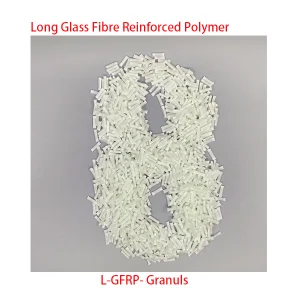
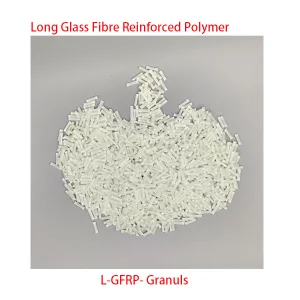
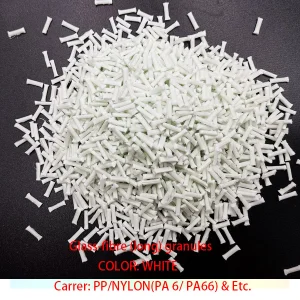
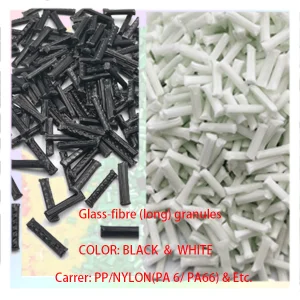
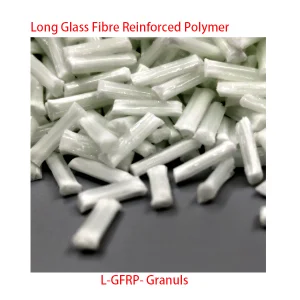
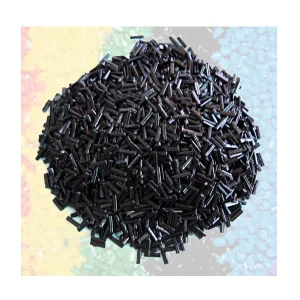
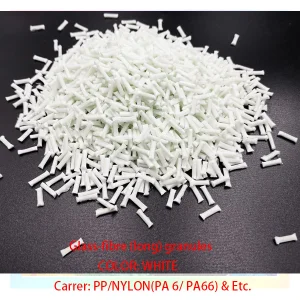
By optimizing compound formulas, including PA6, PA66, and PP long glass fiber reinforced polymer (GFRP) granules, Jurong Best Composite Materials Co., Ltd. serves international clients seeking materials with superior mechanical performance, thermal resistance, and structural longevity. We focus on reliable material sourcing, strict quality control procedures, and high-capacity manufacturing lines to support major infrastructure developments worldwide.
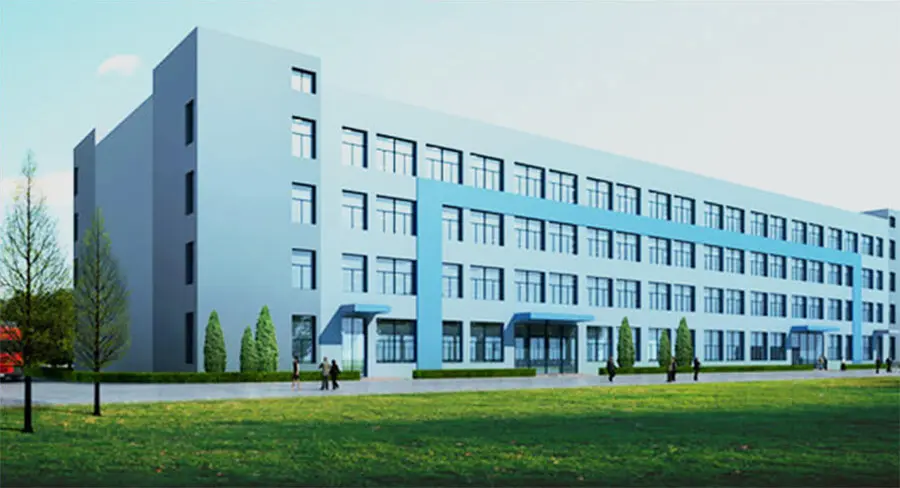
Advanced Production Center
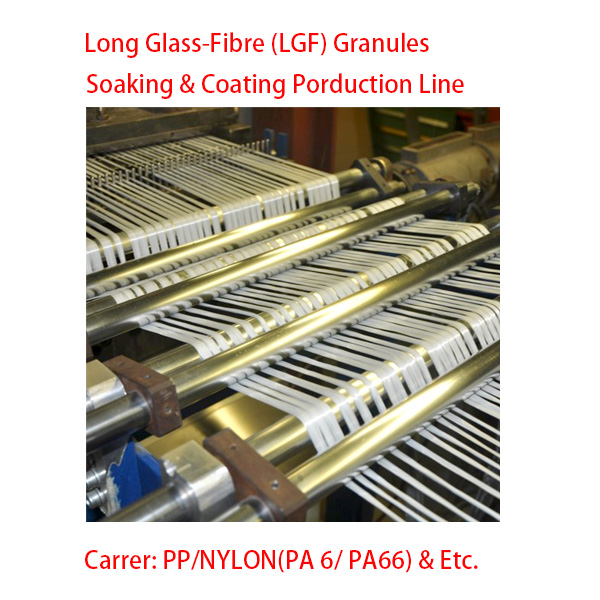
Precision Material Extrusion
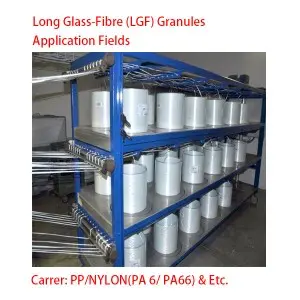
High Capacity Output Line
Explore our most popular long glass fiber reinforced polymer compounds and architectural application components.
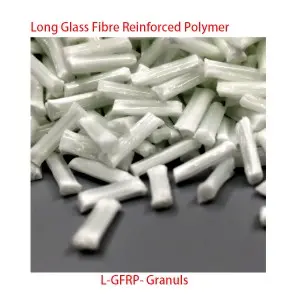
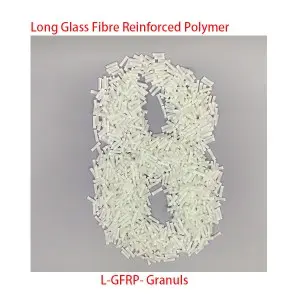
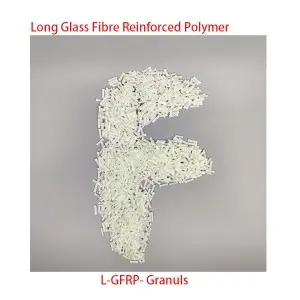
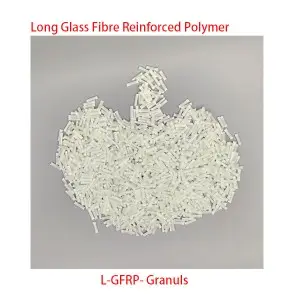
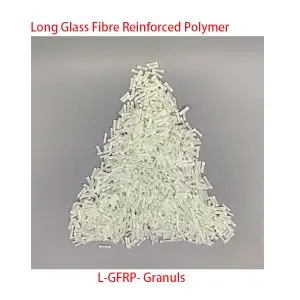
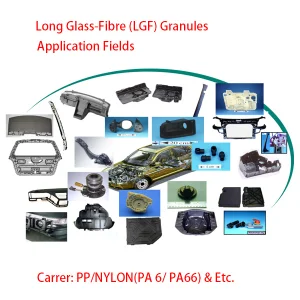
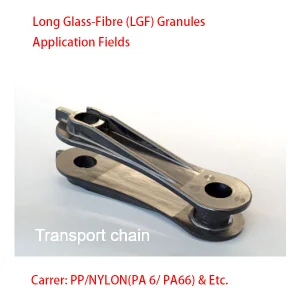
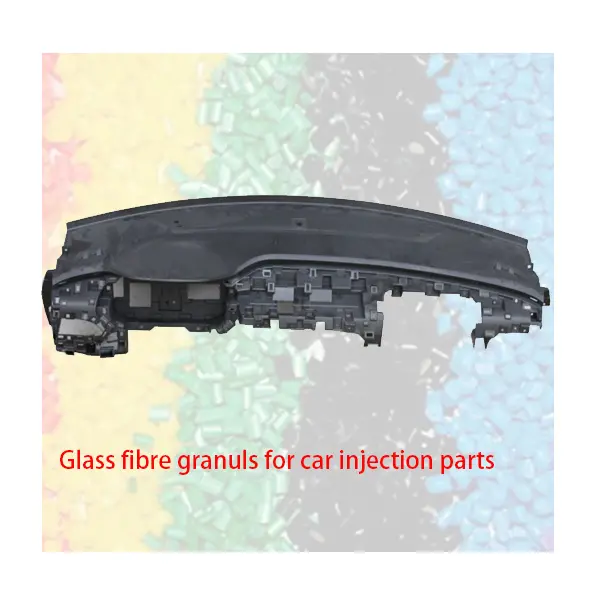
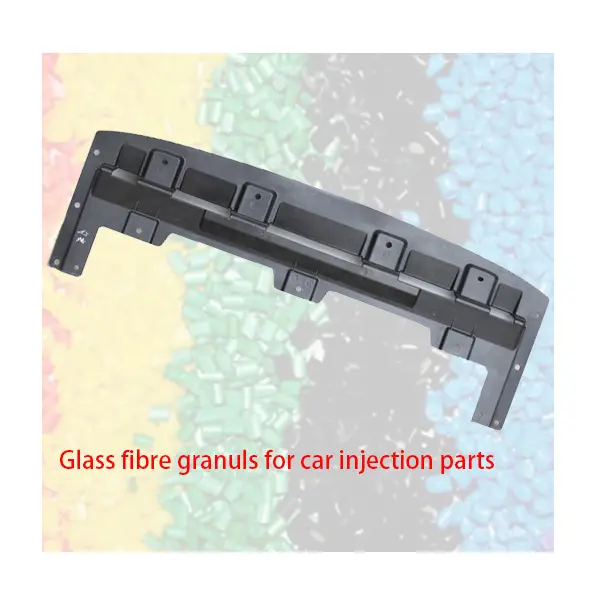
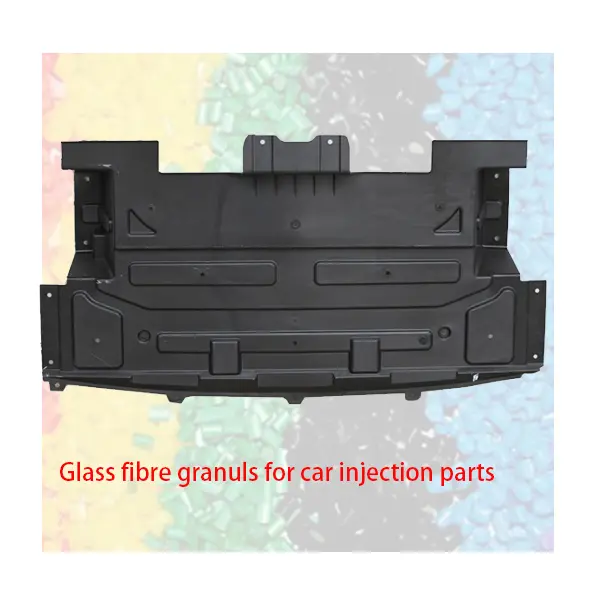
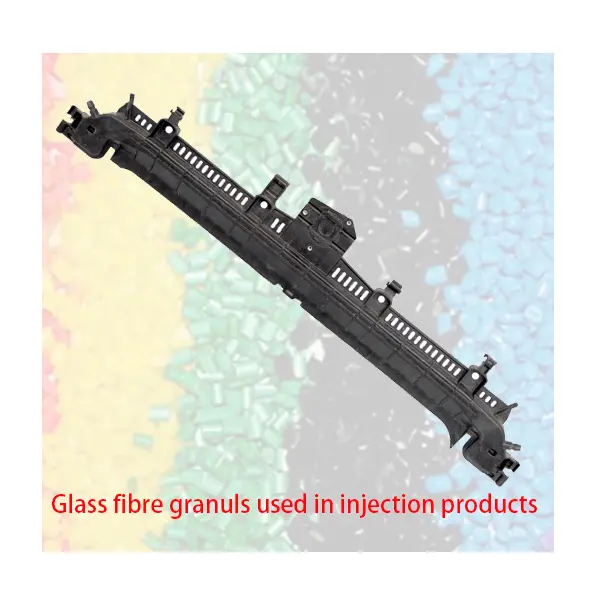
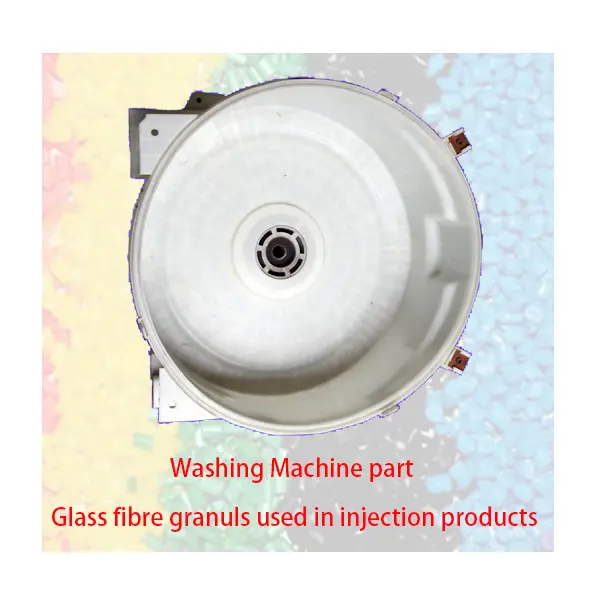
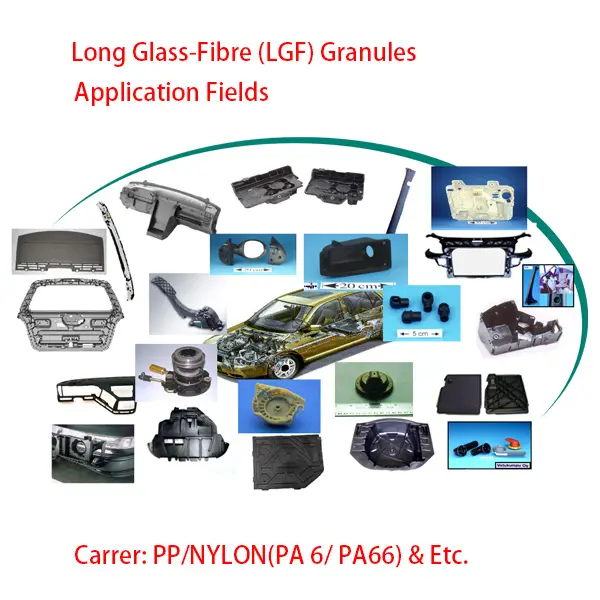
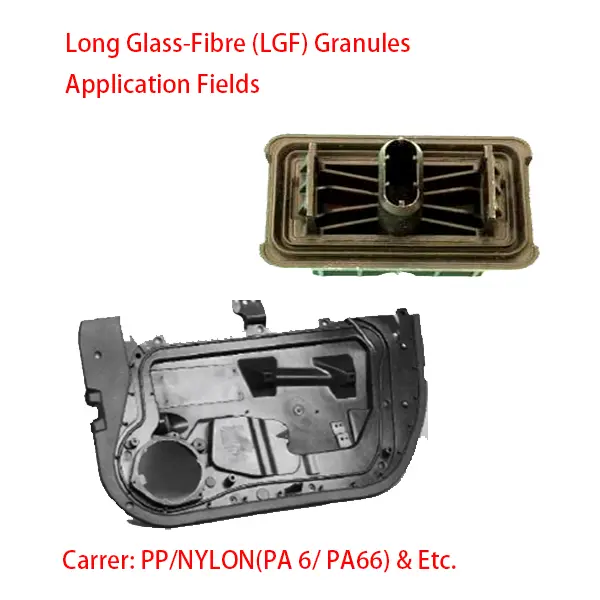
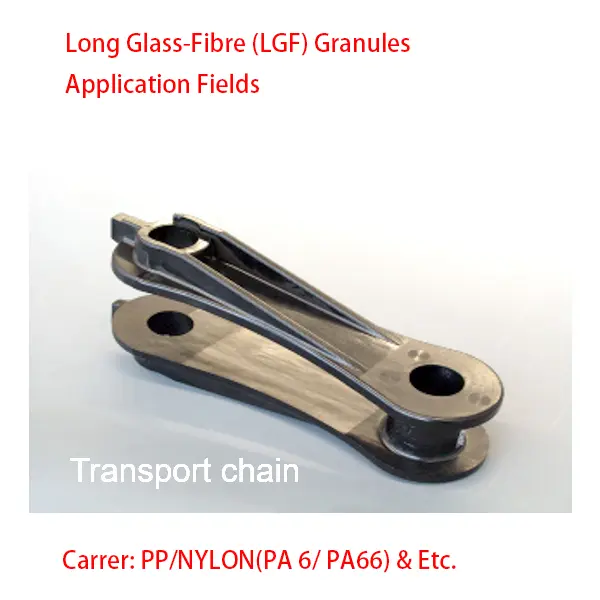
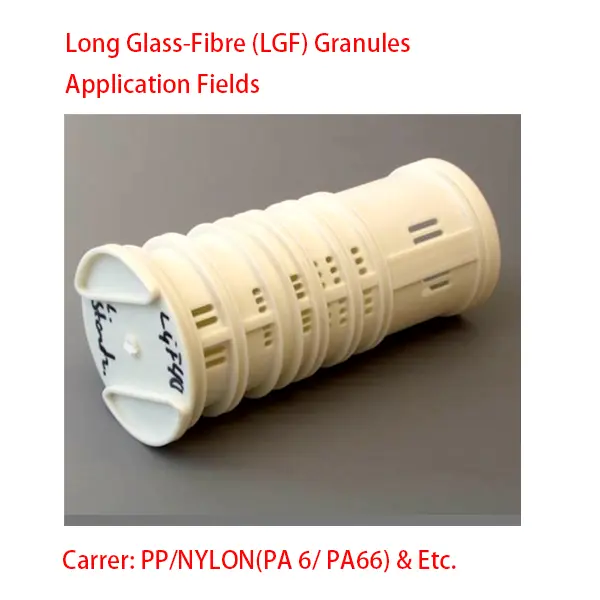
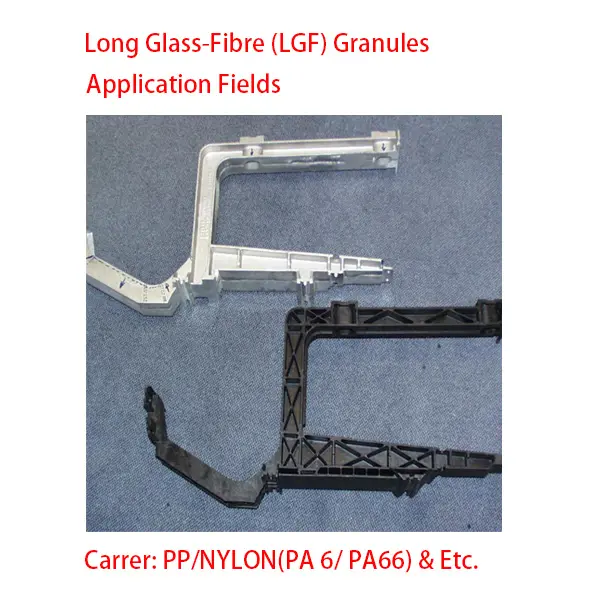
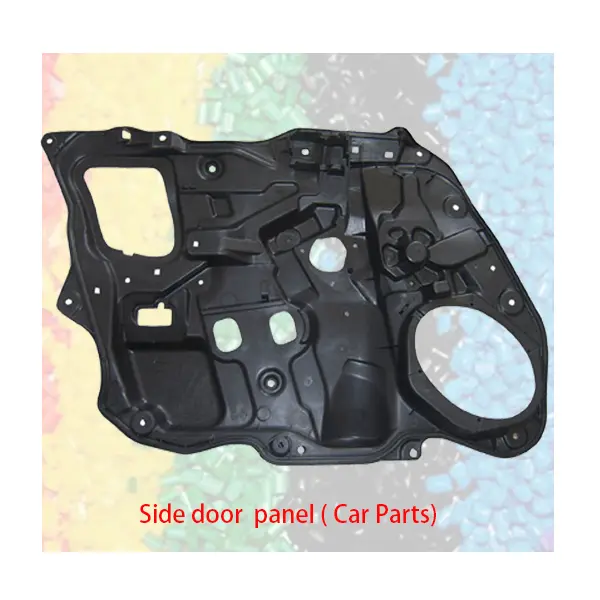
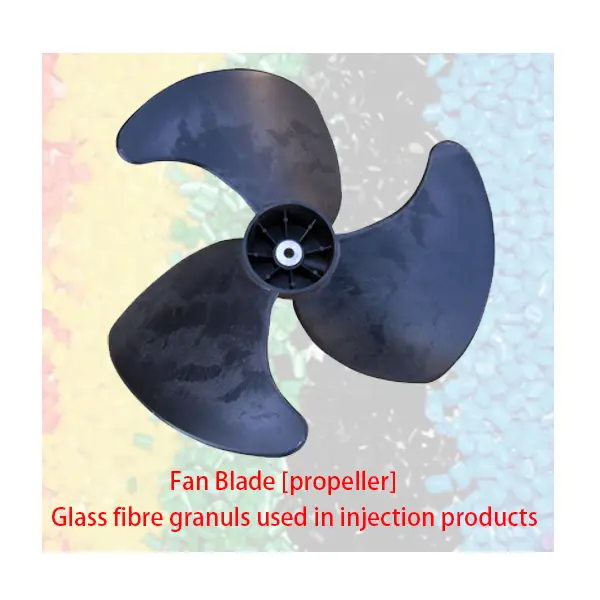
The GFRP granules can make different kinds of special products, such as car parts, washing machine parts, small kitchen electrical appliances, and complex industrial components requiring structural integrity and high chemical resistance.
Tracking our commitment to transparency, scale expansion, and consistent client verification.
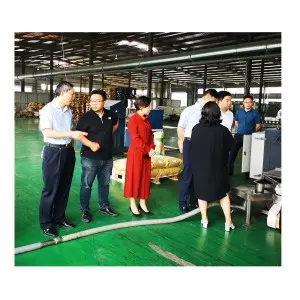
The clients visited our factory today, and conducted a professional and rigorous inspection for the PA6 and PA66 long GFRP (Glass-Fiber-Reinforced-Polymer) granules. Finally, they're highly satisfied by our products' quality and quality controlling process.
Our company has set a new machine line in the workshop and started running today! Everything is good, and output capacity has matched the request. This represents a substantial upgrade to our supply chain responsiveness.
Analyzing the performance of GFRP composite structures across various operating environments.
Seawalls, harbors, dry docks, and breakwaters undergo constant exposure to chloride ions. Steel rebar corrodes rapidly in these areas, causing concrete spalling and early structural failures. GFRP rebar provides a corrosion-free reinforcement solution that reduces ongoing maintenance costs and extends the design life of coastal structures to over a century.
In subway construction and deep utility tunneling, tunnel boring machines (TBMs) encounter difficulties when drilling through steel-reinforced concrete shafts. Installing "soft-eye" zones reinforced with fiberglass rebars allows the cutter head to pass through easily without damage, reducing downtime and streamlining subway system development.
Modern highway networks rely on toll collection gantries, traffic loops, and wireless vehicle weight sensors. The presence of conventional steel rebar creates electromagnetic interference that degrades system accuracy. Replacing steel with GFRP ensures smooth sensor operation, high structural strength, and resistance to winter de-icing chemicals.
Answering common questions regarding the properties, compliance, and application of GFRP rebar systems.
Explore our complete export catalog of engineered polymer granules and daily structural composite applications.
 Best Composite