 Best Composite
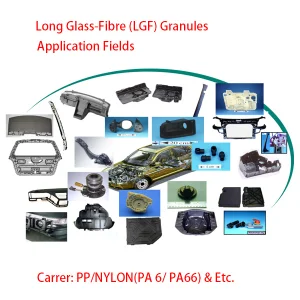
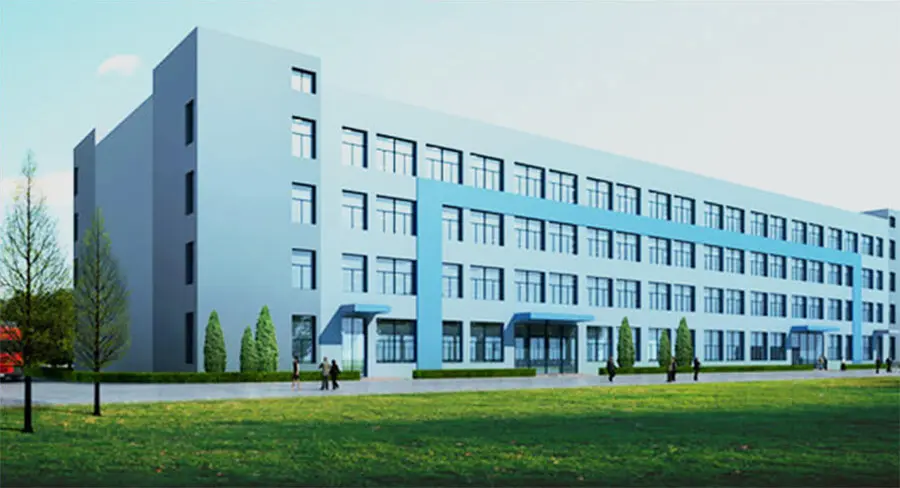
Jurong Best Composite Materials Co., Ltd. is strategically situated in the ancient town of Maoshan, Jiangsu Province, China. Positioned in the heart of the Yangtze River Delta Economic Zone, we benefit from unparalleled logistics connections, including the Jianning-Taicang Expressway, Zhenjiang Port, Nanjing Port, and Nanjing Lukou International Airport. This state-of-the-art infrastructure enables us to seamlessly export high-performance polymer solutions globally, including direct maritime shipping to West African hubs like Malabo and Bata in Equatorial Guinea.
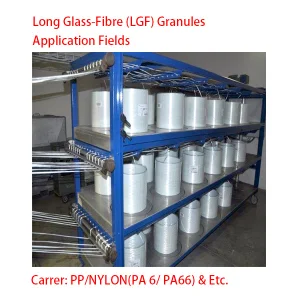
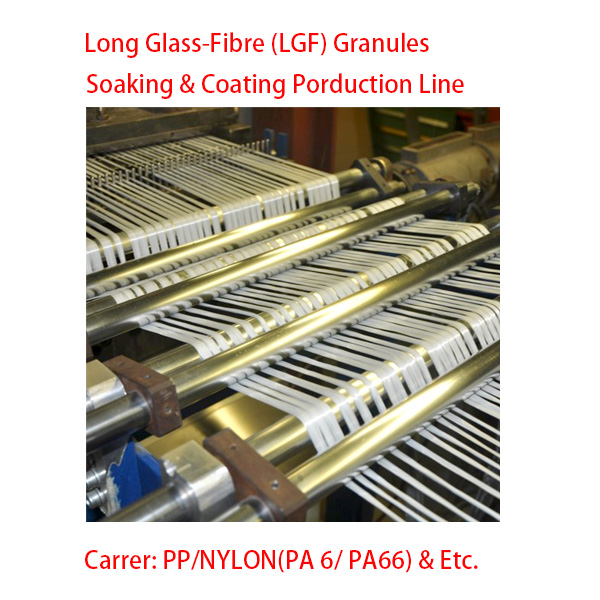
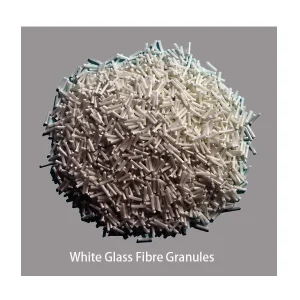
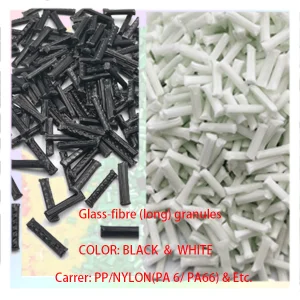
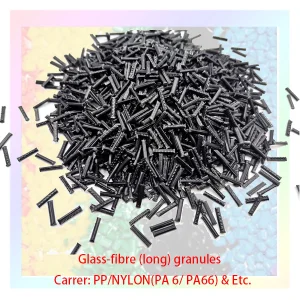
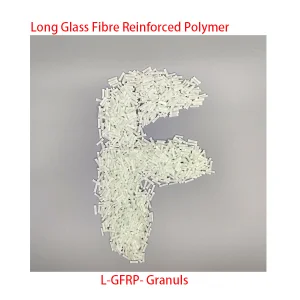
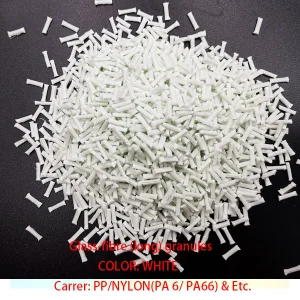
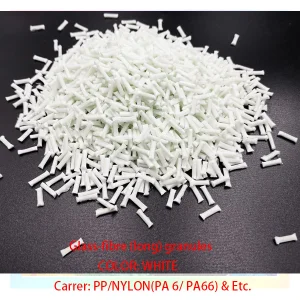
Our specialization centers on high-integrity Long Glass-Fiber Reinforced Polymer (LGF-GRP) composites. By utilizing advanced pultrusion manufacturing processes, we maintain the integrity of long glass fibers within the thermoplastic matrix, establishing a highly robust three-dimensional skeletal network in the molded parts. This creates products with exceptional dimensional stability, high impact resistance, and superb mechanical properties under thermal load, making them ideal replacements for metals in demanding offshore, energy, and infrastructure contexts.
As one of Central Africa's primary hydrocarbon hubs, Equatorial Guinea is shifting towards industrial diversification, maritime asset modernization, and sustainable infrastructure developments.
On Bioko Island (Malabo) and offshore operations, equipment is subjected to severe corrosion from seawater spray, extreme humidity, and high temperatures. Long Glass-Fiber Reinforced PPS and PA66 replace traditional steel brackets, valves, and cable trays, preventing structural failures and minimizing shutdown costs.
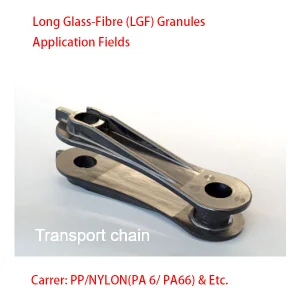
The Port of Bata and Luba Free Port handle heavy cargo distributions. Standard handling equipment requires lightweight, heavy-duty polymer components. Long Glass-Fiber Polypropylene (LGF-PP) offers high impact strength and low creep over long loading cycles, making it ideal for shipping crates, pallets, and forklift components.
With ongoing electrification programs throughout Rio Muni, insulating composite brackets, cross-arms, and underground conduit connectors are vital. Our CE Certified LGF-Polyamide granules guarantee high dielectric properties combined with robust structural capacity to prevent sagging and weathering.
The key differentiator of our materials lies in the preservation of the fiber length. While short glass fibers (typically 1-2mm) break easily during compound extrusion, our advanced pultrusion retains the fibers at 10-12mm length, establishing a highly integrated 3D skeletal network.
| Mechanical Property | Standard Thermoplastics | Short Glass-Fiber Reinforced (SGF) | Long Glass-Fiber Reinforced (LGF) | Advantage for Equatorial Guinea Projects |
|---|---|---|---|---|
| Tensile Strength (MPa) | 40 - 60 | 90 - 130 | 160 - 220 | Allows thin-walled designs, reducing raw material shipment costs. |
| Impact Strength (kJ/m²) | 5 - 15 | 20 - 45 | 65 - 110 | Prevents fracturing during heavy port handling and high mechanical shock loads. |
| Creep Resistance | Low (Deforms under load) | Moderate | High (Retains structure) | Long-term dimensional stability for structural oilfield supports. |
| Thermal Expansion (CLTE) | High (Unstable in tropics) | Moderate | Extremely Low (Near metal level) | Prevents deformation in outdoor systems under harsh solar radiation. |
| Hydrolysis Resistance | Varies | Poor interface degradation | Excellent Interface Retention | Resists saline and humid environments in Equatorial Guinea's coastal strip. |
*Data represents standardized testing profiles for Polypropylene (PP) and Polyamide 66 (PA66) base resins loaded at 40-50% glass fiber fractions.
Traditional marine alloys are subject to high galvanic corrosion in saline waters. Molded LGF-PA66 and LGF-PPS products serve as structural brackets, underwater sensor enclosures, and pipeline spacer systems. They offer robust resistance to marine biofouling and saline degradation, ensuring 20+ year operation cycles without intensive maintenance.
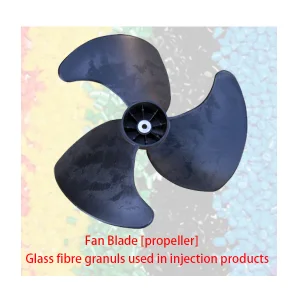
As logistics services develop around Bioko Island and mainland Bata, fleet maintenance becomes crucial. LGF-PA66 provides the high mechanical strength, chemical resistance, and fatigue limits necessary for engine mounts, cooling fans, air intake manifolds, and structural transmission housings, replacing die-cast aluminum with lighter alternatives.
With urbanization initiatives in Malabo II and Oyala (Ciudad de la Paz), building materials must withstand constant solar UV exposure and tropical downpours. Long glass-fiber reinforced PP and PBT composites provide the weatherability, creep-resistance, and high structural safety required for cladding brackets, window frames, and modular construction spacers.
We understand the regulatory framework and operational logistics of exporting materials to West Africa. Our trade team guarantees streamlined operations from China to final delivery.
We export our granules from prime ports like Shanghai and Ningbo-Zhoushan, offering reliable freight routing to Port of Malabo (Bioko Island) and Port of Bata (Rio Muni). We collaborate with global shipping lines (such as Maersk, MSC, and CMA CGM) to ensure cost-efficient sea routes.
The processing of Long Glass-Fiber Reinforced Granules requires specific configurations to maintain the long-fiber skeletal network in the final part. Our engineers support Equatorial Guinean manufacturers with tailored processing guidelines:
Low-shear, high-flow screw configurations are recommended to prevent fiber breakage.
Enlarged sprue gates minimize shear stress, ensuring even distribution of the fibers.
Proper desiccant drying prevents moisture absorption in humid equatorial regions.
Contact our engineering team for custom processing profiles.
Our commitment to continuous innovation is shown by our ongoing development of next-generation composite formulations designed for structural weight-saving and long lifecycle metrics.
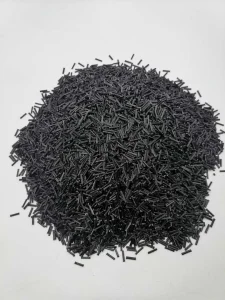
Read through our technical insights to understand the structural design principles, processing configurations, and logistics services.
Partner with Jurong Best Composite Materials Co., Ltd. for reliable material properties, certified production quality, and direct shipping to Equatorial Guinea.