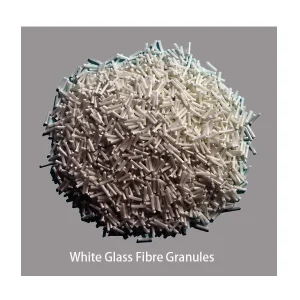
Selected high-performance composite solutions engineered for maximum durability, structural load-bearing capacity, and resilience in Namibia's harsh atmospheric conditions.
As the Southern African development block pivots toward modern infrastructure and sustainable mining practices, the materials baseline is shifting rapidly. The extreme arid environments of Namibia, combined with hyper-saline coastal corridors in Walvis Bay and Swakopmund, subject traditional steel and short-fiber plastics to destructive corrosion and quick ultraviolet (UV) degradation. The demand for lightweight, high-stiffness, and corrosion-free materials has propelled Long Glass-Fiber Reinforced Granules (LGFRP) into the focal point of local manufacturing strategies.
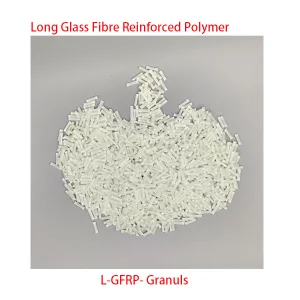
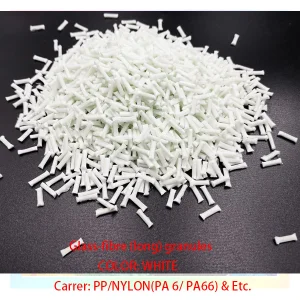
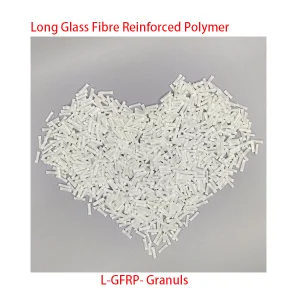
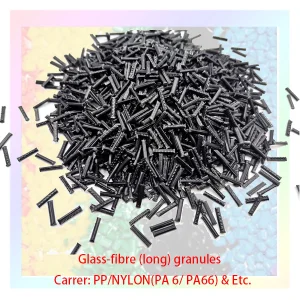
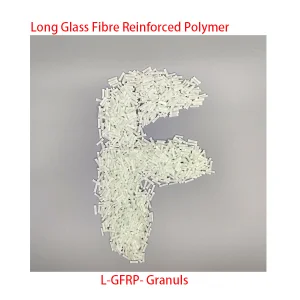
Unlike standard short glass-fiber composites, LGFRP incorporates fiber bundles ranging from 10mm to 25mm. When injection molded, these fibers overlap to create an internal skeleton. This spatial network yields superior creep resistance, high fatigue performance, and a dramatic drop in thermal expansion. For Namibian heavy industries like mining, mineral processing, and large-scale agricultural irrigation, this material acts as a direct, long-lasting replacement for metals, lowering operating costs and minimizing maintenance downtime.
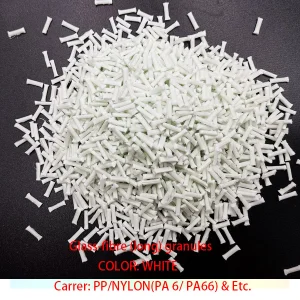
As a leading developer, Jurong Best Composite Materials Co., Ltd. bridge the gap between advanced Chinese continuous compounding lines and the specialized procurement needs of African enterprises, offering tailored matrices including Polypropylene (LGF-PP), Polyamide (LGF-PA6 / LGF-PA66), Thermoplastic Polyurethane (LGF-TPU), and Polybutylene Terephthalate (LGF-PBT).
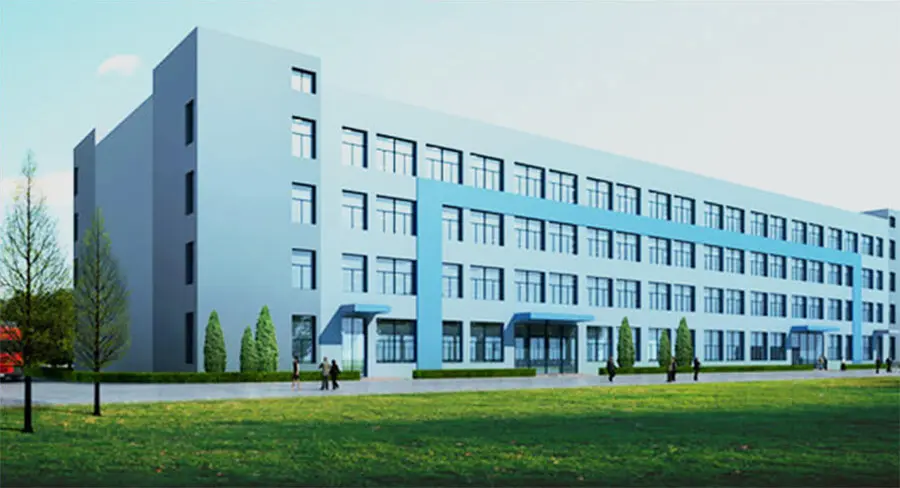
Located in the ancient town of Maoshan, Jurong City, Jiangsu Province, China. Benefiting from the Lower Yangtze River delta economic zone, with direct access to Lukou International Airport, Jiangning-Taicang Expressway, and deep-water ports in Nanjing and Zhenjiang.
A comparative look at why structural engineers specify LGFRP over standard engineered plastics for critical installations.
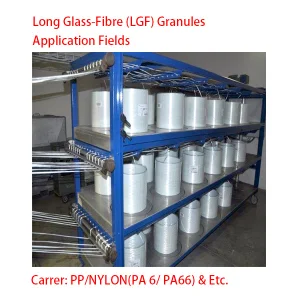
Our pellets are synthesized via advanced continuous pultrusion melt impregnation. Unlike shear-intensive compounding that chops glass fibers, this method keeps glass fibers long and aligned parallel within every granule.
LGFRP compounds minimize anisotropic shrinkage during injection molding. This significantly reduces part warpage, ensuring high dimensional accuracy for large-scale structural parts.
Continuous exposure to the desert sun creates high thermal cycles. LGF compounds retain their mechanical profile from sub-zero night climates up to high daytime heat peaks of 120°C.
| Mechanical Characteristic | Standard Polymer Compound | Short Glass-Fiber (SGF) (30%) | Long Glass-Fiber (LGF) (30% - 50%) | Direct Industrial Value (Namibia Context) |
|---|---|---|---|---|
| Tensile Strength (MPa) | 45 - 60 | 110 - 130 | 185 - 240 | High-load mine conveyor structures |
| Flexural Modulus (GPa) | 2.1 | 6.5 | 10.5 - 15.0 | Resistance to bending under load |
| Charpy Impact Strength (kJ/m²) | 5 - 8 | 10 - 15 | 28 - 45 | Impact survival in rough rock processing |
| Heat Deflection Temp (HDT @1.8MPa) | 65°C | 140°C | 160°C - 210°C | Maintains stiffness under scorching sun |
Addressing real engineering challenges under local industrial and geological environments.
Namibia's mineral wealth, including uranium at Rossing and Husab and coastal diamond deposits, requires machinery that can withstand harsh abrasives and corrosive dust. LGF-PA66 and LGF-TPU are used to manufacture wear plates, conveyor belt rollers, pump impellers, and valve fittings, outlasting traditional metals in highly abrasive dust environments.
Namibia has world-class solar irradiance. Solar tracking systems, bracket mounts, and structural frames must survive intense UV exposure and hot desert winds. LGF-PP and LGF-PBT compounds infused with UV stabilizers prevent UV degradation, reduce structural deflection, and eliminate the risk of galvanic corrosion.
At the ports of Walvis Bay and Lüderitz, saltwater corrosion degrades traditional steel and aluminum within months. Our LGF-PP composites are used in desalination piping, intake grids, and structural marine brackets, providing structural strength while remaining completely rust-proof.
Managing water resources is critical in Namibia. Irrigation valves, flow meters, and deep-well submersible pump housings molded with LGF-PA6 and LGF-PP handle high pressure-surges and chemical fertilizers without cracking or leaking over long lifetimes.
Combining world-class production capacity with rapid shipping and quality assurance.
Our state-of-the-art continuous pultrusion manufacturing lines pull glass fiber rovings through a specialized crosshead die. This wraps every fiber in polymer melt, achieving complete wet-out for uniform mechanical properties in every batch.
Located near Nanjing and Shanghai Ports, we secure competitive shipping routes directly to the Port of Walvis Bay, offering efficient delivery times, customs handling, and secure packaging to Southern African destinations.
Every production run is tested for ash content, density, tensile strength, and impact resistance. We provide full certificates of analysis (COA) and SGS compliance documentation with every container shipment.
Jurong Best Composite Materials Co., Ltd. is located in the ancient town of Maoshan, which has a history of over a thousand years. The town is part of Jurong City, Zhenjiang, Jiangsu Province. It is situated on the lower reaches of the Yangtze River, adjacent to Nanjing, and is close to Nanjing Lukou International Airport. The Jianning-Taicang Expressway (from Nanjing to Taicang) passes through the area, and the Jurong exit of the Shanghai-Nanjing Expressway connects to Zhenjiang Port and Nanjing Port. Benefiting from the radiation of the Yangtze River Delta Economic Zone, the transportation is very convenient.
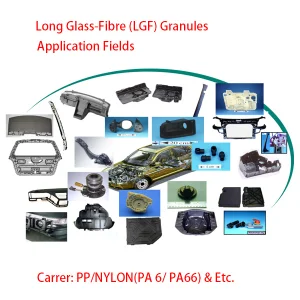
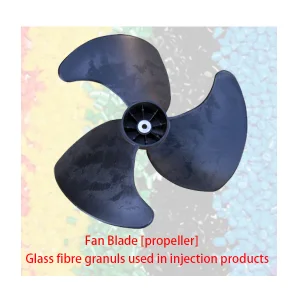
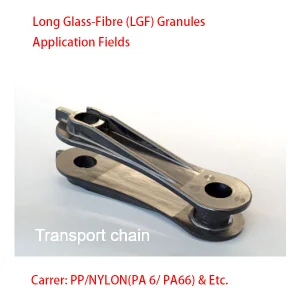
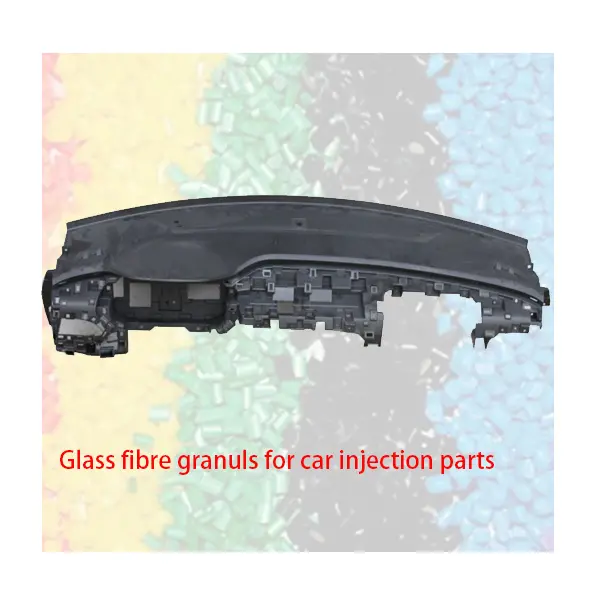
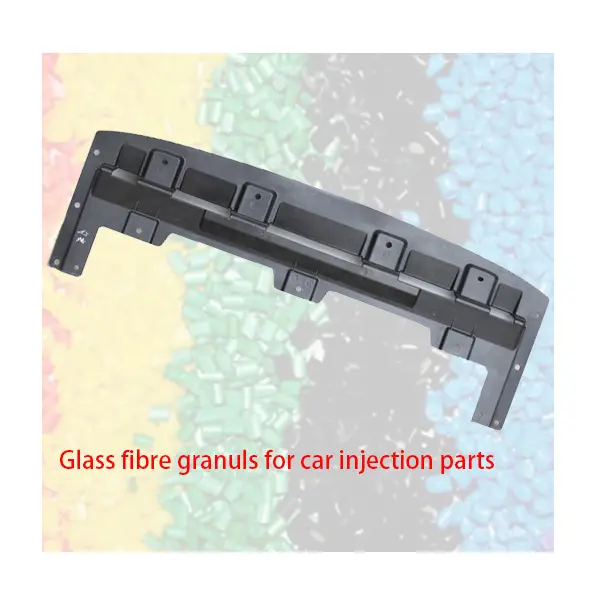
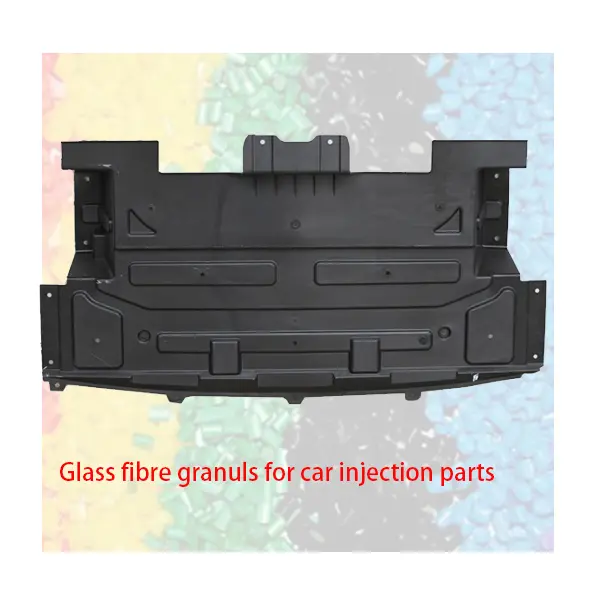
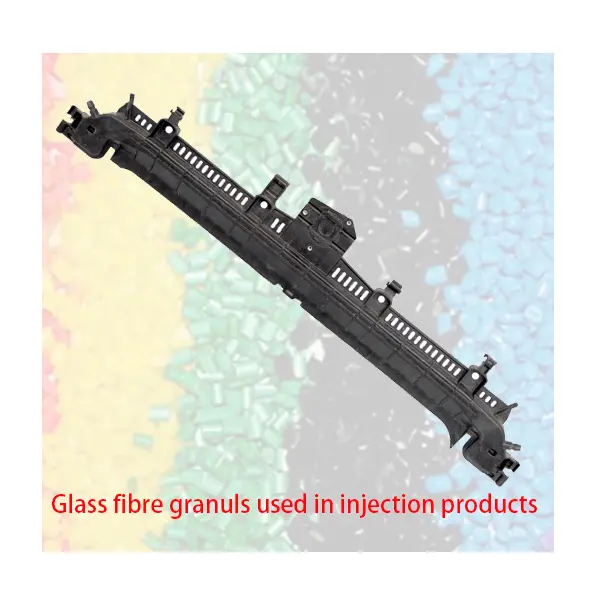
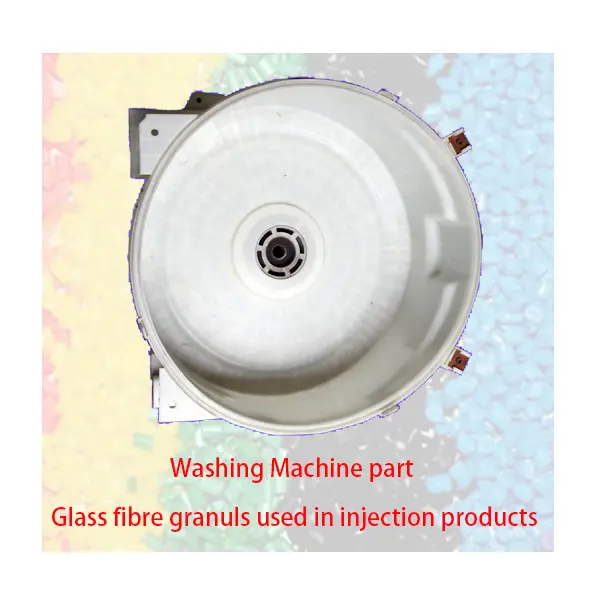
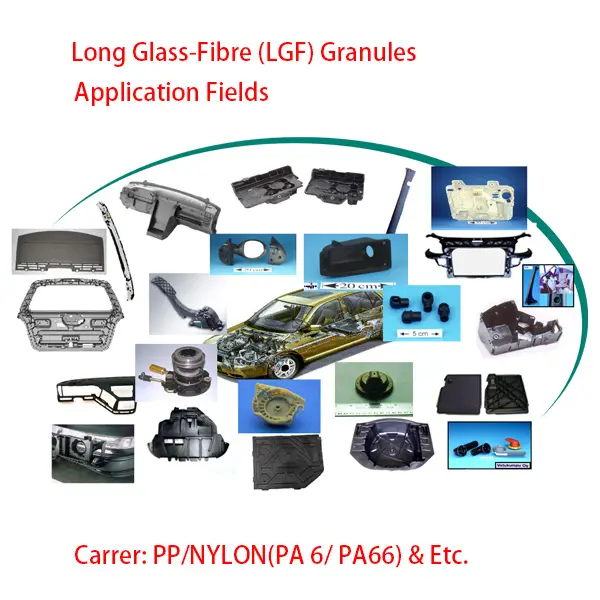
Our industrial granules are designed to manufacture a wide variety of specialized products. Key application fields include automotive parts, washing machine components, and small kitchen electrical appliances, where high stiffness, temperature resistance, and dimensional stability are paramount.
Operational updates showing our commitment to manufacturing precision and production capacity expansion.
International clients visited our factory for a professional and rigorous inspection of our PA6 and PA66 long GFRP (Glass-Fiber-Reinforced-Polymer) granules. The inspection verified our strict quality control processes, resulting in full customer satisfaction.
We have successfully commissioned a new continuous-pultrusion compounding line in our workshop. The line is fully operational, meeting our production targets and increasing our capacity to supply large-scale global export orders.
Technical answers to common questions about LGFRP performance, injection molding, and shipping to Southern Africa.
Explore our full range of long glass-fiber reinforced polymers, optimized for diverse industrial injection molding applications.
Get in touch with our engineering team for customized formulation designs, pricing lists, and fast shipping options to Namibia and Southern Africa.
Send Inquiry Now Best Composite