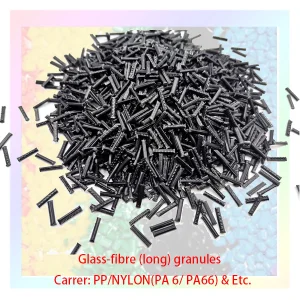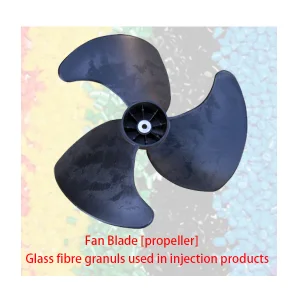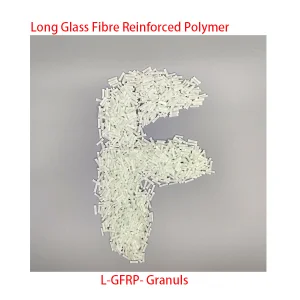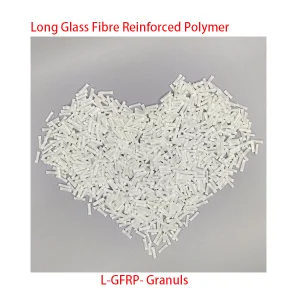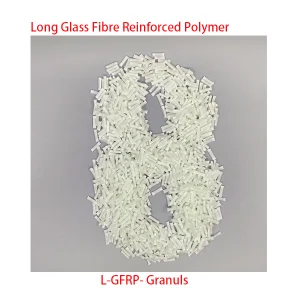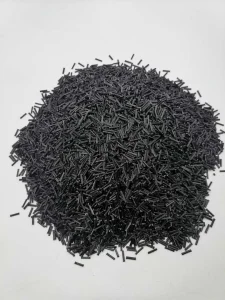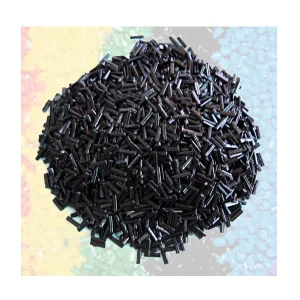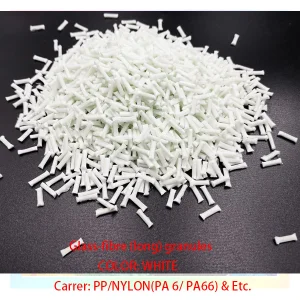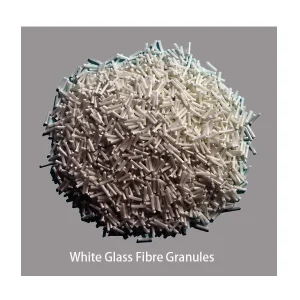
Long Glass-Fibre Reinforced PBT Exporters & Company for the Japan Market

Advanced Material Engineering Solutions for Japan's Automotive and Industrial Excellence

Send Inquiry Now »
E-E-A-T Verified Insight

The Strategic Role of LFR-PBT in the Japan Industrial Landscape

In the era of Next-Generation Mobility and Industry 4.0, the demand for high-performance composite materials in the Japan market has reached an unprecedented peak. Long Glass-Fibre Reinforced PBT (LFR-PBT) stands at the forefront of this material revolution, offering a unique combination of dimensional stability, chemical resistance, and extreme mechanical strength that standard short-fiber reinforcements cannot match.

Why LFR-PBT is the "Golden Material" for Japan: Unlike traditional glass fiber composites, the "Long" fiber technology maintains a 3D structural network within the injection-molded part. This leads to superior impact resistance and fatigue performance—essential for Japan’s rigorous safety standards in the automotive sector (JIS D 0204).

Japan’s Local Industrial Landscape & Demand

Japan is home to global automotive giants such as Toyota, Honda, and Nissan, alongside world-leading robotics firms like Fanuc and Yaskawa. These companies are currently transitioning toward Electric Vehicles (EVs) and Weight Reduction strategies. LFR-PBT is increasingly replacing metal components in motor housings, battery brackets, and structural connectors because it maintains its shape under high thermal stress—a critical requirement for the high-density electronics found in Tokyo and Osaka's tech hubs.

Global Market Context & Supply Chain Dynamics

Globally, the Long Glass Fiber (LGF) thermoplastic market is projected to grow at a CAGR of 8.5% through 2030. Japan, with its meticulous Monozukuri (craftsmanship) philosophy, demands the highest grade of purity in PBT resin. As a leading exporter, we bridge the gap between Chinese manufacturing efficiency and Japanese quality expectations, ensuring that every batch of granules meets RoHS and REACH compliance.

40%
Weight Reduction vs. Steel
280°C
Heat Deflection Temp
JIS
Standard Compliance
AI-QC
Quality Monitoring

Chinese Factory Efficiency: The Jurong Advantage

Jurong Best Composite Materials Co., Ltd. is strategically located in the Yangtze River Delta Economic Zone. For our Japanese partners, this means:

  • Logistical Superiority: Close proximity to Nanjing Lukou International Airport and major ports like Shanghai, reducing lead times to Japan to just 3-5 days.
  • Scale & Cost Control: Our high-capacity GFRP production lines utilize automated gravimetric feeding systems, ensuring fiber length consistency—a key "Information Gain" point that distinguishes us from competitors.
  • R&D Customization: We don't just sell granules; we engineer specific PBT formulations for Japanese climate conditions, focusing on hydrolysis resistance and UV stability.

Localized Application Scenarios in Japan

1. Automotive Structural Parts: Front-end modules and door modules for EV models produced in Nagoya.
2. Precision Electronics: High-voltage connectors for renewable energy infrastructure in the Hokkaido wind farms.
3. Industrial Automation: Structural skeletons for collaborative robots used in Ota City’s precision workshops.

Welcome to Jurong Best Composite Materials

WE OFFER THE BEST QUALITY PRODUCTS FOR GLOBAL MARKETS

Jurong Best Composite Materials Co., Ltd. is located in the ancient town of Maoshan, Jurong City, Jiangsu Province. Our facility is situated on the lower reaches of the Yangtze River, adjacent to Nanjing, providing convenient access to Nanjing Lukou International Airport and major expressways.

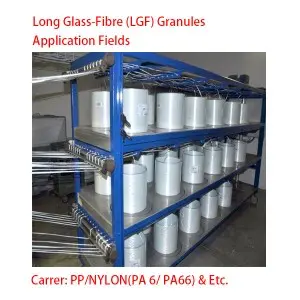
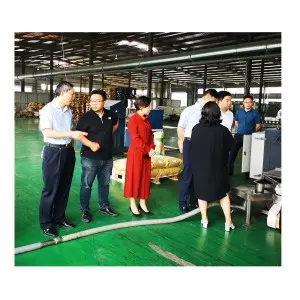
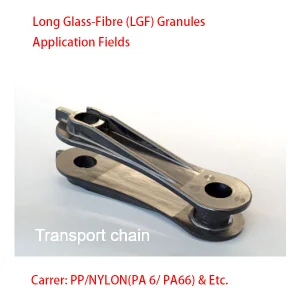
The GFRP granules we manufacture can produce a wide array of specialized products, including automotive parts, high-efficiency washing machine components, and precision kitchen electrical appliances. We recently hosted professional inspections for our PA6 and PA66 long GFRP granules, with clients praising our rigorous quality control processes.

View Factory Profile
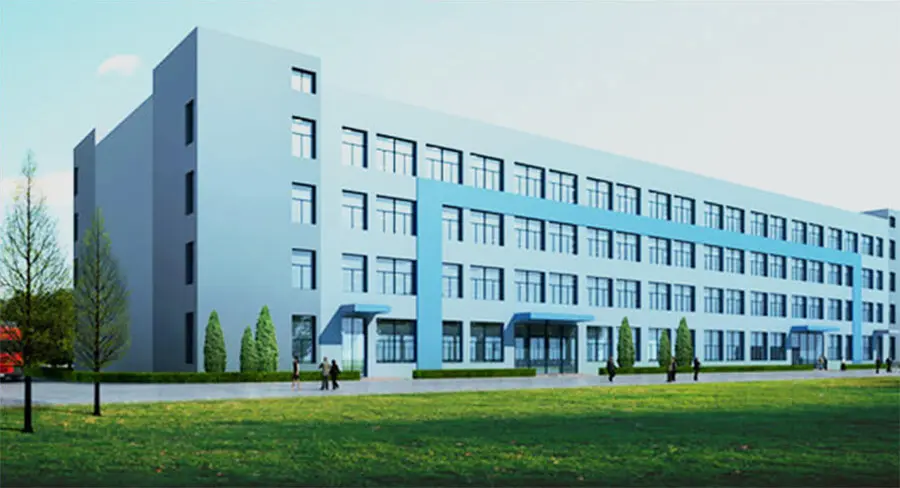
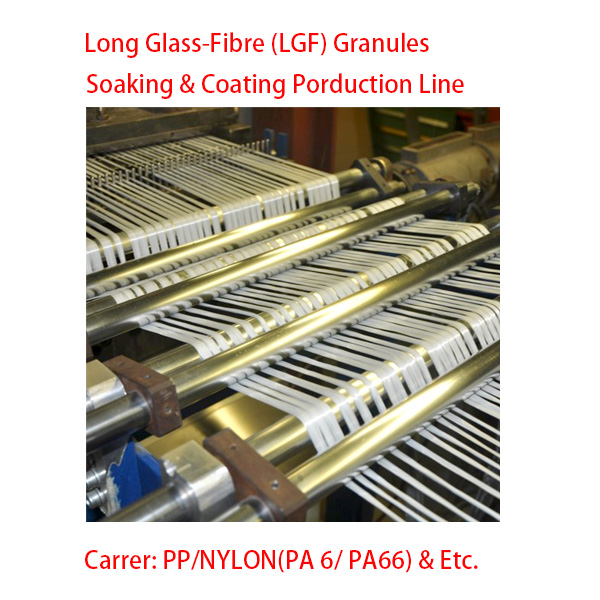
Jurong Factory GFRP Production Quality Control Customer Visit
Knowledge Base

Frequently Asked Questions

1. What is the difference between Long Fiber and Short Fiber PBT? +
Long Fiber PBT (LFR-PBT) maintains a fiber length of 5-25mm, whereas short fiber is typically less than 1mm. The long fibers form an internal skeletal structure that provides much higher impact resistance, lower creep, and better dimensional stability over a wide temperature range—vital for Japanese precision engineering.
2. Can you provide JIS-compliant material data sheets? +
Yes, we provide comprehensive technical data sheets (TDS) that include mechanical and thermal properties tested according to ISO and ASTM standards, which are easily mapped to JIS (Japanese Industrial Standards) requirements.
3. What are the typical lead times for shipping to Japan? +
Due to our strategic location near Nanjing and Shanghai ports, sea freight typically takes 3 to 7 days to reach major Japanese ports like Tokyo, Osaka, or Nagoya. Air freight can be arranged for 24-48 hour delivery.
4. Do you offer custom color matching for PBT granules? +
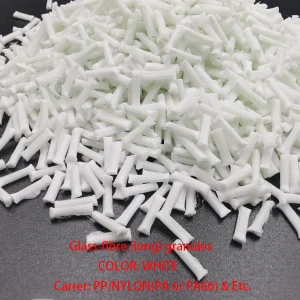
Absolutely. We offer customized color matching (RAL/Pantone) and specific functional additives such as flame retardants (UL94 V-0), UV stabilizers, and heat stabilizers to meet the specific needs of your application.

Ready to Optimize Your Material Supply Chain?

Partner with China's leading LFR-PBT exporter for the Japan market.

Request a Sample & Quotation