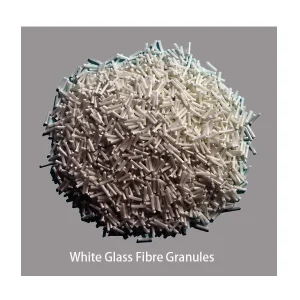
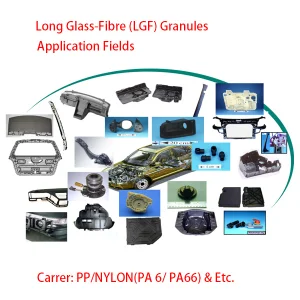
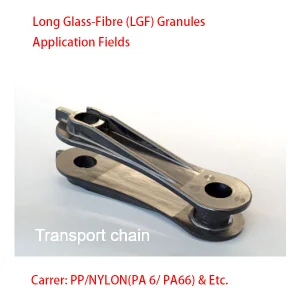
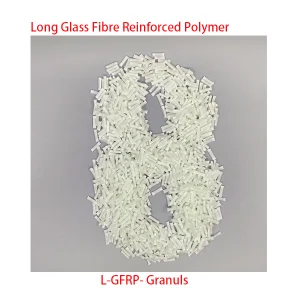
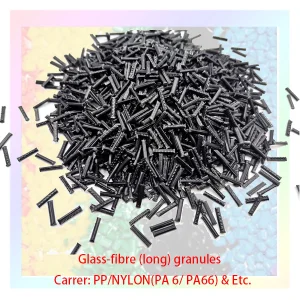
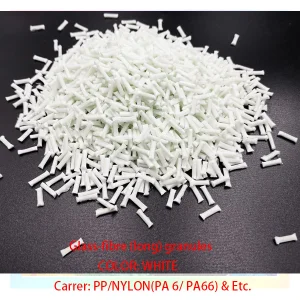
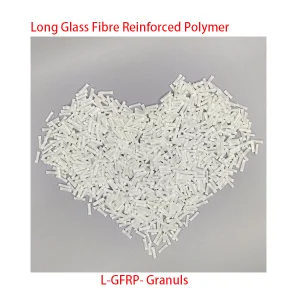
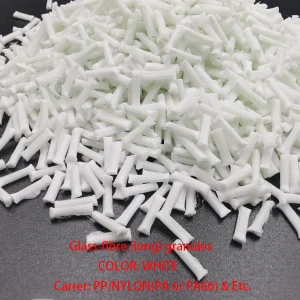
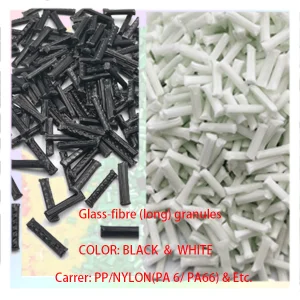
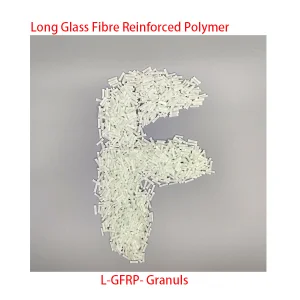
In the evolving landscape of the United States automotive, electrical, and infrastructure sectors, the demand for high-performance materials has shifted. **Long Glass-Fibre Reinforced PBT (LGF-PBT)** has emerged as a cornerstone solution. Unlike short-fiber composites, LGF-PBT offers superior impact resistance, dimensional stability, and retention of mechanical properties at elevated temperatures, making it the preferred choice for engineers looking to reduce weight while increasing component longevity.
The US market is currently witnessing a massive transition towards Electric Vehicle (EV) manufacturing and smart grid infrastructure. Our research indicates that LGF-PBT is critical in these sectors for:
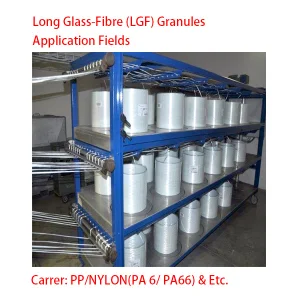
Our manufacturing facility leverages advanced pultrusion and compounding technology to ensure uniform fiber length and optimal bonding between the PBT matrix and glass fibers.
Located in the Yangtze River Delta, we benefit from world-class logistical infrastructure, ensuring that high-volume orders reach US ports with optimized lead times.
E-E-A-T principles guide our R&D. Every batch undergoes rigorous ASTM and ISO testing protocols, meeting the stringent quality benchmarks expected by North American manufacturers.
By streamlining our production lines and maintaining deep supply chain integration, we offer competitive pricing without compromising the engineering integrity of the PBT granules.
A: LGF-PBT forms an internal skeletal structure that provides significantly higher fatigue resistance, creep resistance, and impact toughness compared to standard short-fiber-reinforced PBT, vital for critical safety-related automotive parts.
A: We utilize automated, real-time quality control systems during the extrusion process. We also offer full technical documentation, including COA and TDS, ensuring compliance with US environmental and safety standards.
A: Absolutely. Our R&D team can customize fiber length (typically 10-12mm for pellets), glass content (from 20% to 50%), and additive packages (flame retardants, impact modifiers) to suit your specific engineering requirements.
 Best Composite