Best 28mm Glass Fiber Rebar Factories & Pricelist

Innovative Composite Engineering & Procurement Whitepaper for High-Performance Infrastructure Sourcing

Technical Deep-Dive: 28mm Glass Fiber Rebar (GFRP)

Analyzing the chemical composition, physical properties, and load-bearing parameters of heavy-duty composite reinforcement rods.

In modern structural and civil engineering, the deployment of 28mm Glass Fiber Reinforced Polymer (GFRP) rebar represents a paradigm shift away from traditional corrosion-prone black carbon steel. Designed for heavy-duty load paths, 28mm GFRP is manufactured utilizing an automated pultrusion process. High-density E-glass or ECR-glass fiber rovings are pulled through a bath of liquid vinylester, epoxy, or polyurethane resins, combined with specialized catalysts, and then cured under high-temperature dies to form a high-modulus, anisotropic reinforcing member.

Unlike steel, 28mm glass fiber rebar delivers complete electromagnetic neutrality, extreme chemical resistance, and high tensile capacity, making it the preferred choice for subterranean tunneling, marine retaining walls, bridge deck overpasses, and high-frequency medical MRI facility foundations.

Nominal Diameter 28 mm (equivalent to #9 imperial size)
Tensile Strength > 900 - 1100 MPa (Tested via ASTM D7205)
Modulus of Elasticity > 50 - 65 GPa (High-Modulus formulations)
Density Approx. 2.0 - 2.1 g/cm³ (1/4th the weight of structural steel)
Thermal Expansion Coefficient Longitudinal: 6 to 10 x 10⁻⁶/°C (highly compatible with concrete)
Fiber Mass Content > 75% to 83% (High-density roving formulation)
Property Metric 28mm Glass Fiber Rebar (GFRP) Traditional Grade 60 Carbon Steel 316 Stainless Steel Rebar
Tensile Strength (MPa) 1000 - 1100 (Unidirectional) 420 - 550 550 - 650
Elastic Modulus (GPa) 50 - 60 200 193
Corrosion Mechanism None (Completely Immune) Oxidization (Chloride/Sulfate expansion) Localized Pitting (Chloride environment)
Electrical / Magnetic Electrically non-conductive, non-magnetic Highly conductive, magnetic Conductive, weakly magnetic
Weight Density (kg/m³) ~2,100 ~7,850 ~8,000
Service Life Cycle 100+ Years (Zero Maintenance) 25 - 40 Years (Requires cathodic protection) 75+ Years (Extremely high capital expense)

Welcome to Jurong Best Composite Materials Co., Ltd.

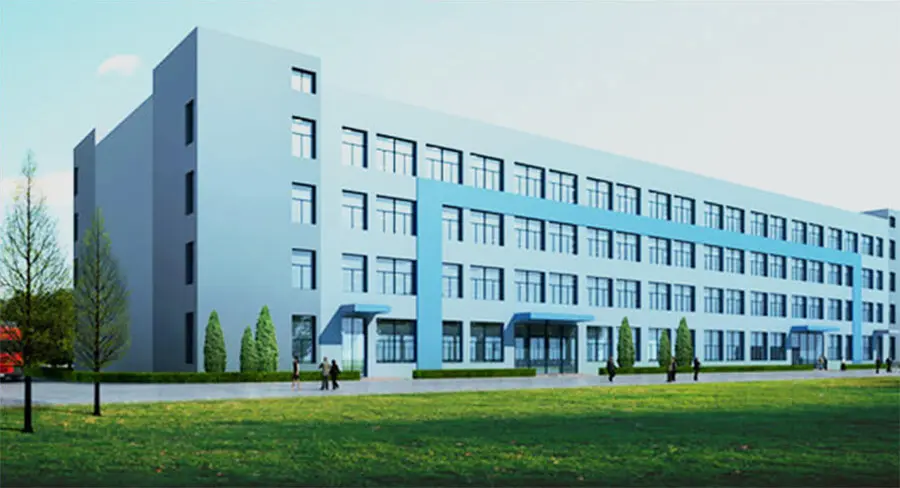
Jurong Best Composite Materials Co., Ltd. is strategically located in the ancient town of Maoshan, a historic region with over a thousand years of heritage. The town lies within Jurong City, Zhenjiang, Jiangsu Province, in the lower reaches of the Yangtze River. This prime location places our state-of-the-art production plant adjacent to Nanjing and in close proximity to Nanjing Lukou International Airport.

Logistical connectivity is a hallmark of our factory infrastructure. The Jianning-Taicang Expressway (Nanjing to Taicang) passes through the local territory, and the Jurong exit of the Shanghai-Nanjing Expressway provides seamless connections to Zhenjiang Port and Nanjing Port. Benefiting from the extensive industrial radiation of the Yangtze River Delta Economic Zone, our facility offers rapid shipping, container consolidation, and highly reliable transit paths for global B2B procurement networks.

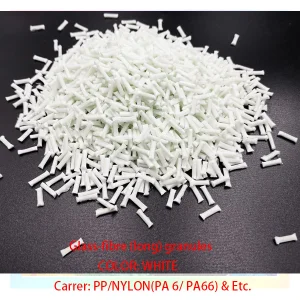
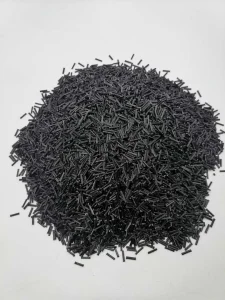
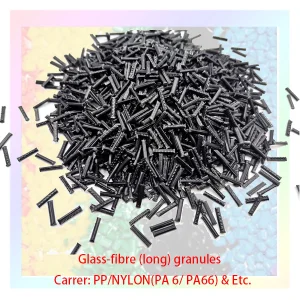
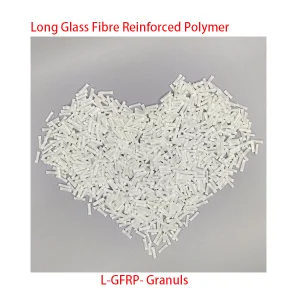
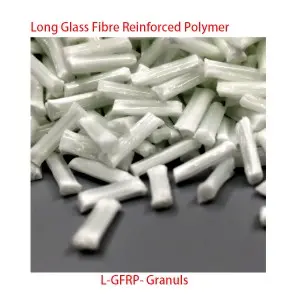
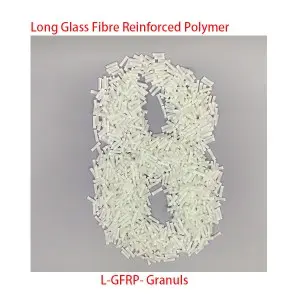
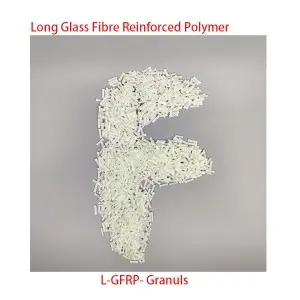
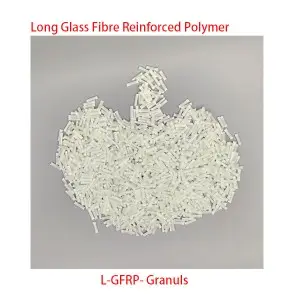
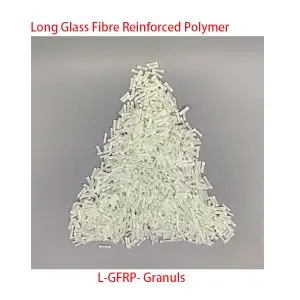
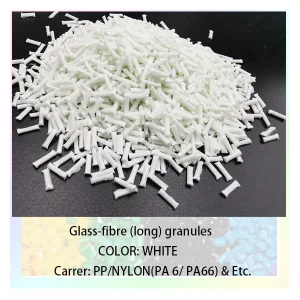
Our core manufacturing scope integrates advanced structural composites, encompassing not only structural GFRP rebars but also a wide range of long-glass-fiber reinforced thermoplastic granules, including PP-PA6-PA66-GFRP compounding systems. This comprehensive material synthesis capability ensures that we maintain deep technical control over fiber tensioning, wetting, and resin-system compatibility.

China's GFRP Supply Chain Advantages

How downstream integration, scale economies, and precision logistics translate into high-performance, cost-effective rebar sourcing.

Downstream Raw Material Synergies

By leveraging the raw material cluster of the Yangtze River Delta, our facility secures access to high-purity silane-treated glass fiber rovings and formulated vinylester resins at highly competitive base costs, mitigating volatile market spikes.

Advanced High-Speed Pultrusion

Our workshop features modern multi-line pultrusion machineries configured to handle 28mm heavy-profile curing continuously. Automated winding and precise sand-coating steps ensure batch-to-batch structural uniformity.

Unmatched Port Connectivity

Proximity to Zhenjiang Port, Nanjing Port, and major highway systems guarantees that heavy tonnage ocean freight containers of 28mm GFRP reach key global transport hubs without inland logistics delay.

Global Compliance & Localized Support

Ensuring cross-border certification, structural engineering clearance, and regional code alignment.

International Civil Standards

For high-load civil engineering, 28mm GFRP must pass rigorous load tests. Our facility manufactures composites conforming to standard design guides including ACI 440.1R-15 (American Concrete Institute), CAN/CSA S806 (Canadian Design and Construction of Building Components with Fibre-Reinforced Polymers), and European Eurocode 2 design principles.

Our long glass fiber composite ranges hold CE Certification, certifying that our polymer matrices meet the highest safety, environmental protection, and mechanical health criteria specified by the European Economic Area.

Localized Project Consultation

We work directly with structural engineers and contractors to custom-tailor physical parameters. This includes optimization of custom bend shapes (such as L-bars, U-bars, and stirrups) which must be pre-formed at our factory, as GFRP rebar cannot be bent or reshaped in the field once cured.

We provide full-process technical submittal packages containing raw resin certifications, glass content analysis, interlaminar shear strength test results, and glass transition temperature (Tg) verification reports.

Featured Composite & Polymer Granules

Our factory's highly requested long-fiber injection molding compounds and structural engineering formulations.

NYLON-PA6-PA66-GFRP-Granules-Long-Glass-Fiber

NYLON-PA6-PA66-GFRP-Granules-Long-Glass-Fiber-R...

PP-PA6-PA66-GFRP-Granules-Long-Glass-Fiber-Rein

PP-PA6-PA66-GFRP-Granules-Long-Glass-Fiber-Rein...

GFRP-PP-PA6-PA66-Granules-Long-Glass-Fiber-Rein

GFRP-PP-PA6-PA66-Granules-Long-Glass-Fiber-Rein...

PA6-Long-Glass-Fiber-Reinforced-Polymer-GFRP-Gr

PA6-Long-Glass-Fiber-Reinforced-Polymer-GFRP-Gr...

Long-Glass-Fiber-Reinforced-Polymer-GFRP-Granul

Long-Glass-Fiber-Reinforced-Polymer-GFRP-Granul...

Localized Applications of 28mm GFRP Rebar

From deep heavy civil engineering to downstream polymer parts, composites offer superior service limits.

Marine Infrastructure & Seawalls

Chlorides in ocean saltwater rapidly corrode steel rebar, leading to concrete spalling. 28mm GFRP provides high shear and tensile reinforcing in harbor structures, seawalls, breakwaters, and docks, extending lifespan beyond a century.

Tunneling Soft-Eyes & Shafts

In subway and deep underground utility tunnels, Tunnel Boring Machines (TBM) must cut through launch shafts. Replaces heavy steel rebars at the TBM soft-eye zone with 28mm GFRP rebars, allowing the boring head to drill straight through, saving weeks of labor.

Magnetic & Electrical Isolation

Used in high-voltage substation foundations, de-icing toll plazas, and diagnostic medical installations (such as MRI rooms) where magnetic fields or stray electrical currents interfere with instruments.

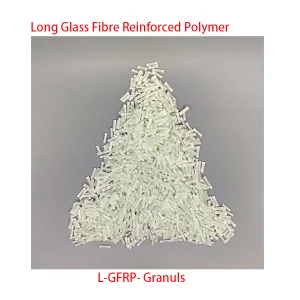
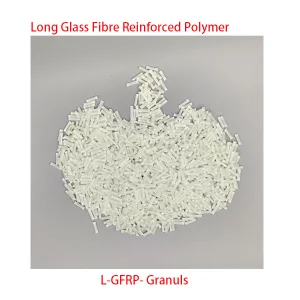
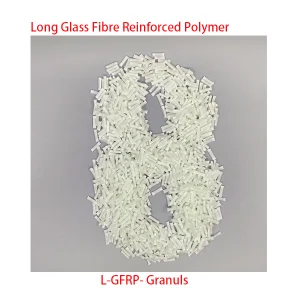
Long GFRP (Glass-Fiber-Reinforced-Polymer) Granules

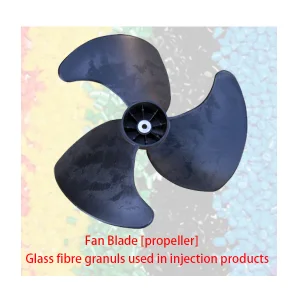
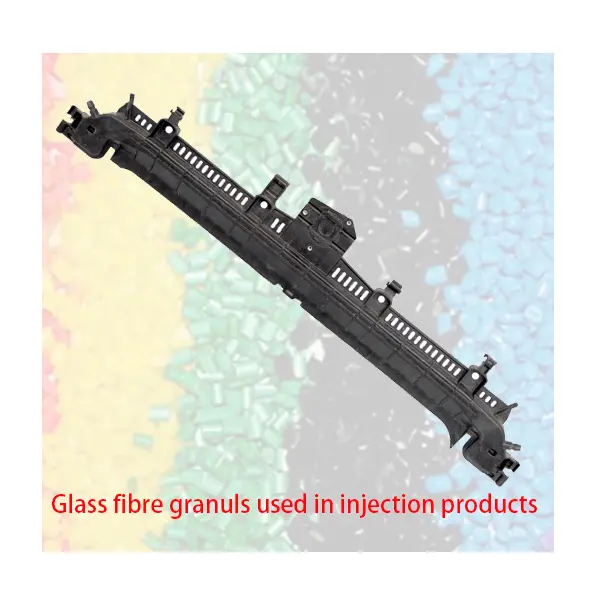
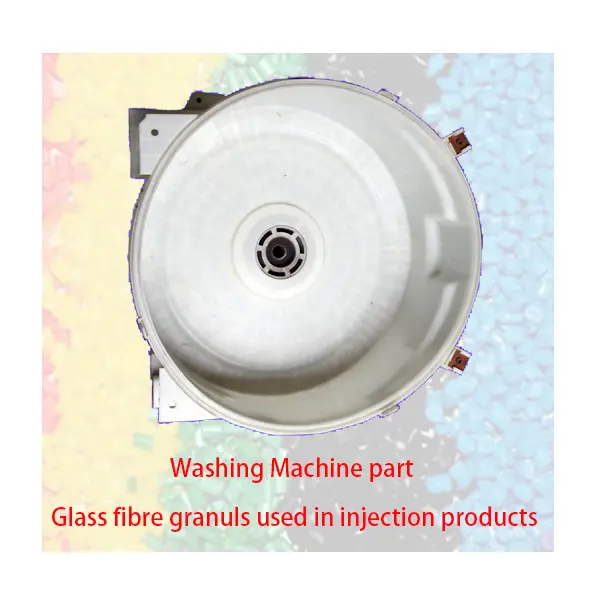
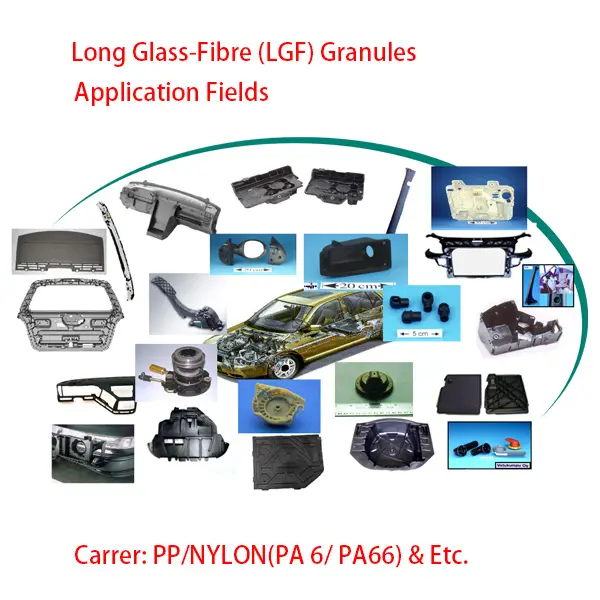
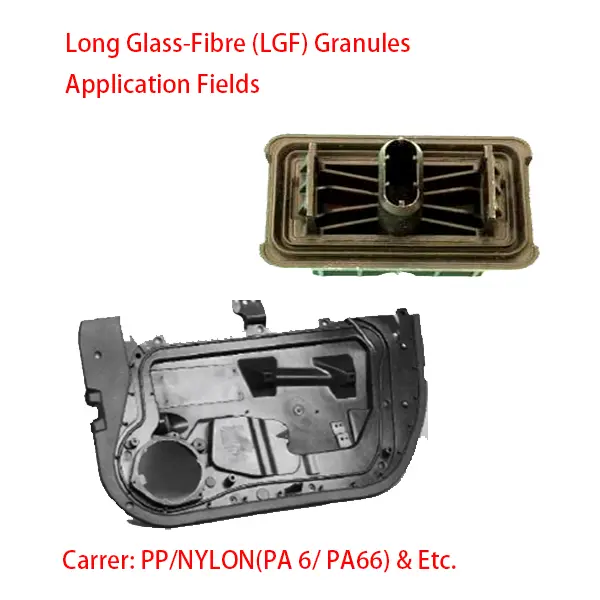
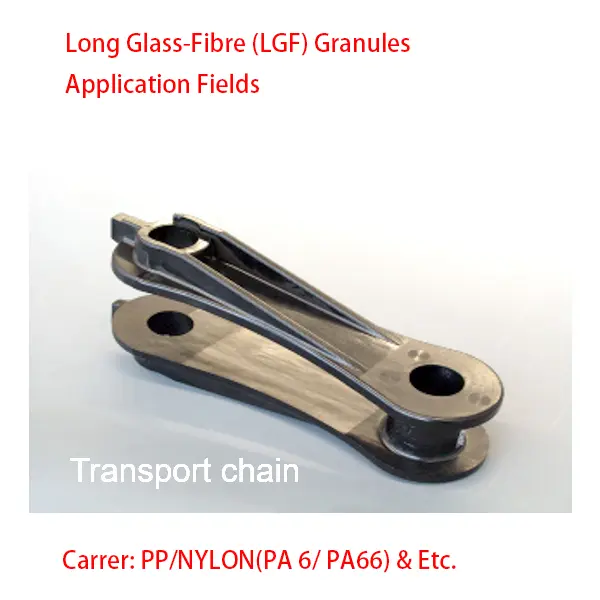
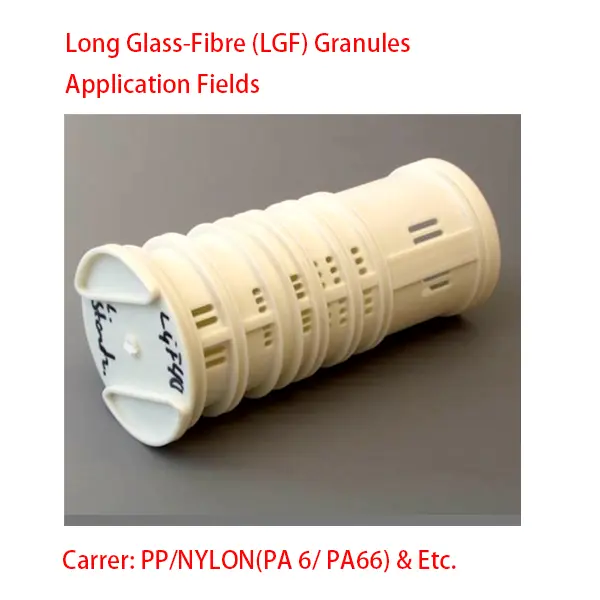
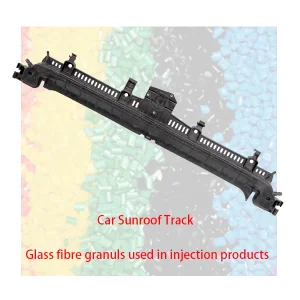
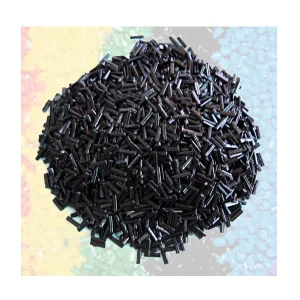
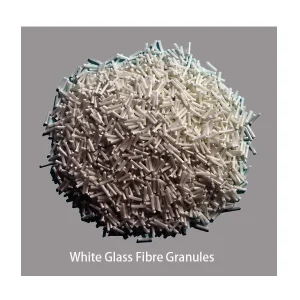
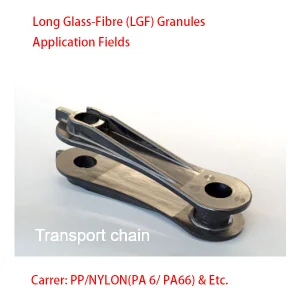
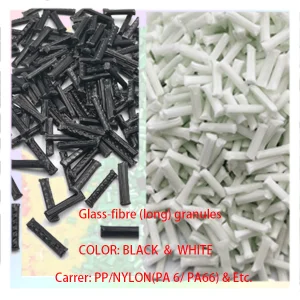
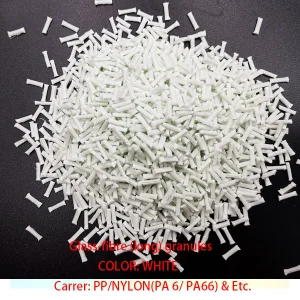
In addition to structural rebars, our high-density fiberglass technology is critical in the manufacturing of Long GFRP Granules. These highly engineered compounds are utilized in injection molding to fabricate specialized high-strength industrial and consumer items.

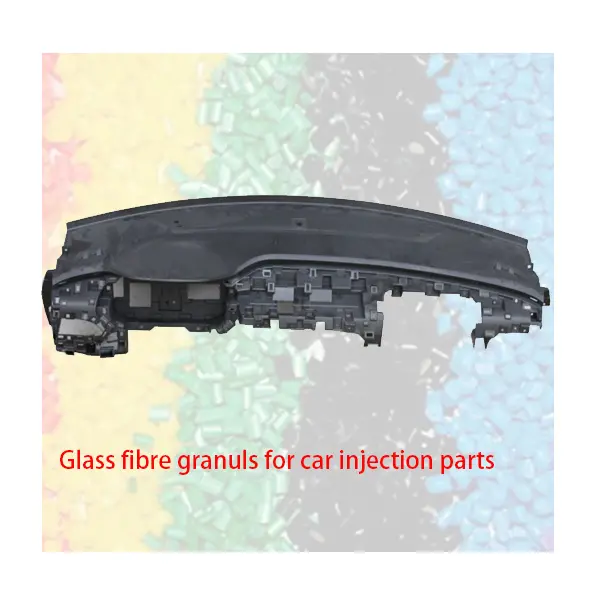
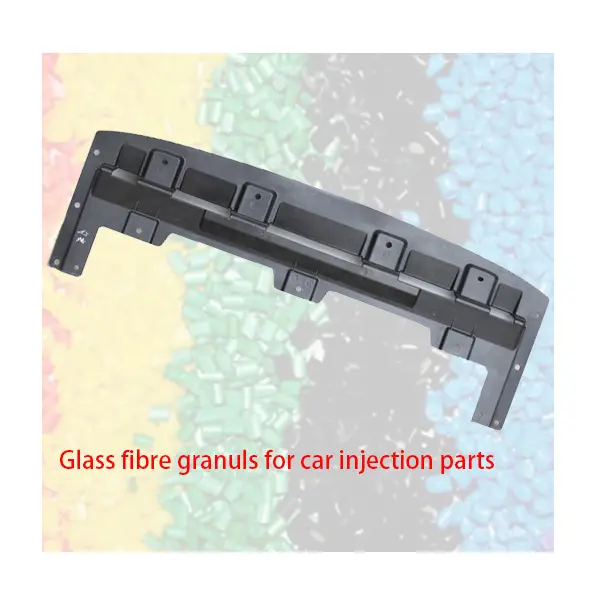
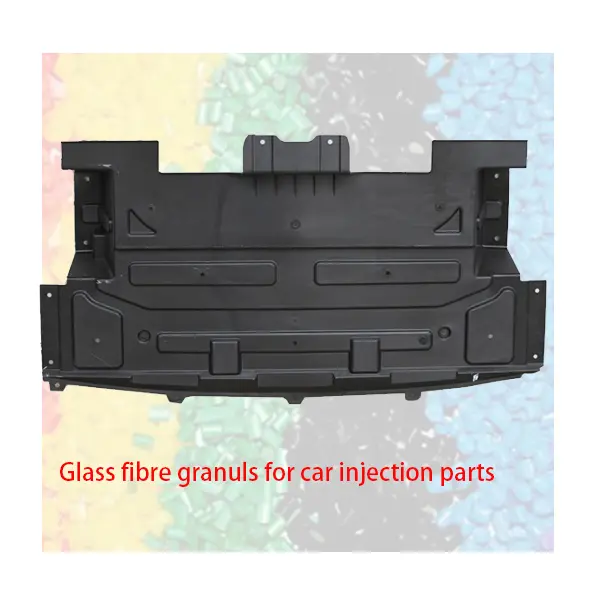
The GFRP granules can make different kinds of special products, such as car parts, washing machine parts, small kitchen electrical appliances and Etc. By selecting varying carrier resins like PA6, PA66, and PP, we supply structural compounders worldwide.

Car Parts Washing Machine Parts Small Kitchen Electrical Appliances
GFRP Part 1 GFRP Part 2 GFRP Part 3 GFRP Part 4 GFRP Part 5 GFRP Part 6 GFRP Part 7 GFRP Part 8 GFRP Part 9

Industrial Updates & Operations

Operational reports on plant audits, customer quality checks, and production capacity milestones.

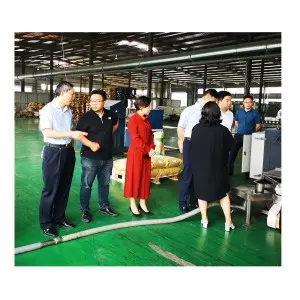
Quality Checking Visit

Customer Visited for Quality Audits

The clients visited our factory, conducting a professional and rigorous inspection for the PA6 and PA66 long GFRP (Glass-Fiber-Reinforced-Polymer) granules. The inspection involved structural evaluation, tensile verification, and glass fiber dispersion analysis. Finally, they expressed high satisfaction with our products' quality and internal quality control process.

Reported on: 2019-11-15
Quality checking audit by customer
Capacity Milestone

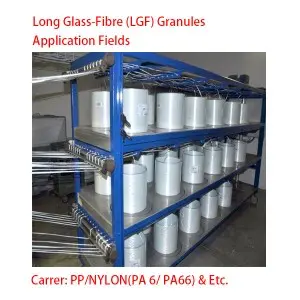
New GFRP Machine Line Installed & Operational

Our company has successfully integrated and commissioned a brand-new high-speed pultrusion and compound pelletizing line in the main workshop. The line has begun full-scale production. Mechanical systems are operating smoothly, with output capacity matching the rising demand from our overseas B2B infrastructure clients.

Reported on: 2019-11-09
New pultrusion machine line

28mm Glass Fiber Rebar Cost & Pricelist Breakdown

Understanding cost structures, raw material dynamics, and custom configurations that impact bulk unit rates.

Determining the precise cost for 28mm GFRP rebar involves evaluating several key technical and manufacturing variables. Unlike commodity steel, which is priced purely on spot tonnage, composite rebar pricing is calculated per meter or per linear foot, heavily driven by the following factors:

  • Resin Matrix Selection: Vinyl Ester resin formulations, which offer the highest acid and chloride resistance, command a premium over general-purpose polyester resins.
  • Glass Fiber Quality: ECR-Glass (corrosion resistant) rovings, essential for highly alkaline concrete environments, are priced higher than standard E-glass, but prevent long-term acid attack.
  • Surface Texturing Processes: Simple ribbed profiles are more economical than double-wound sand-coated profiles, though sand-coating provides superior concrete bonding strength.
  • Order Tonnage & Length Customization: Factory pultrusion lines run most efficiently when set to continuous operation. Minimum order quantities (MOQs) of 5,000 meters typically qualify for significant volume discounts.
Nominal Diameter (mm) Resin Type Surface Finish Type Estimated Base Price Range (FOB China) Recommended Application Standard
28 mm Polyester Resin Ribbed Thread Profile Inquire for custom quote Temporary retaining structures, soil nails
28 mm Vinylester Resin (Standard) Sand-Coated & Ribbed Inquire for custom quote Bridge decks, road pavements, light marine
28 mm High-Tg Vinylester (Premium) Helically Wrapped & Sand-Coated Inquire for custom quote Heavy marine seawalls, chemical plant floors
28 mm Epoxy / Polyurethane Matrix Fully Textured Ribbed Inquire for custom quote Subway shafts, electromagnetic isolation zones

Note: Exact quotes depend on delivery destination, custom length requirements, packaging standards, and raw material index price changes.

Frequently Asked Questions (FAQ)

Expert answers addressing the structural design, cost, handling, and sourcing of 28mm GFRP composites.

Can 28mm Glass Fiber Rebar be bent or altered on the construction site?

No. GFRP rebar is a thermoset material. Once the resin matrix cures under high temperatures at the factory, its shape is permanently fixed. Any attempts to bend it using standard steel benders on-site will cause irreversible micro-cracks and structural failure. All bends (such as elbows or stirrups) must be pre-engineered, specified in the design phase, and manufactured directly by the factory.

What is the life expectancy of concrete structures reinforced with 28mm GFRP?

GFRP reinforced structures are designed to last in excess of 100 years. Because the composite material does not rust, it prevents the tensile expansion pressure common in oxidized steel, which causes concrete to crack and spall. This makes it exceptionally durable in high-chloride marine walls and bridge decks.

How does the weight of 28mm glass fiber rebar compare to steel?

28mm GFRP rebar is approximately 1/4th the weight of equivalent steel rebar. For example, a 28mm steel bar weighs roughly 4.83 kg per meter, while the 28mm GFRP bar weighs only 1.2 kg per meter. This drastically reduces transit costs, speeds up handling and placement times on-site, and lowers labor risks.

Is the material sensitive to UV radiation during storage?

Yes. Prolonged exposure to direct UV rays can cause degradation of the resin matrix surface. We recommend that 28mm GFRP rebar bundles be stored under protective tarpaulins or indoors when on-site for more than 4 weeks prior to casting in concrete.

Does Jurong Best Composite Materials offer global shipping compliance?

Yes. Utilizing nearby Zhenjiang Port and Nanjing Port, we ship all over the world. Our materials are packed securely in bundles to prevent damage to the sand-coating or rib profiles during marine transport, ensuring they arrive at your construction site in pristine structural condition.

Subscribe to Our Technical Newsletter

For detailed inquiries about our 28mm Glass Fiber Rebar specs, current price guides, or factory compound testing reports, submit your email below. Our engineering desk will connect with you within 24 hours.