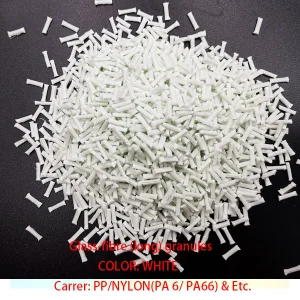
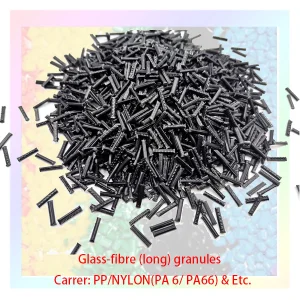
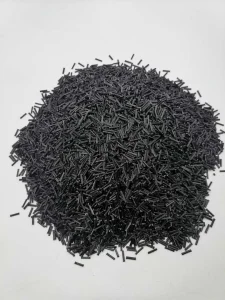
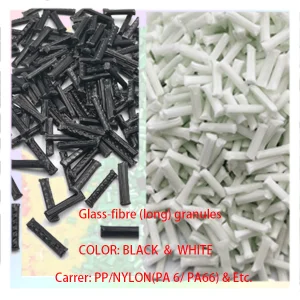
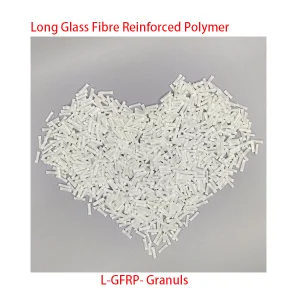
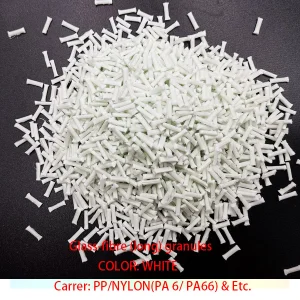
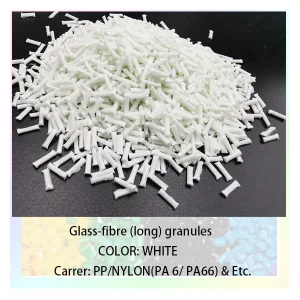
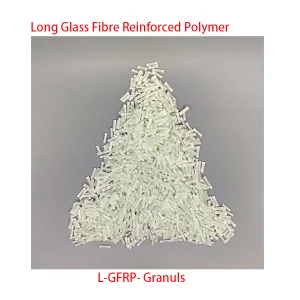
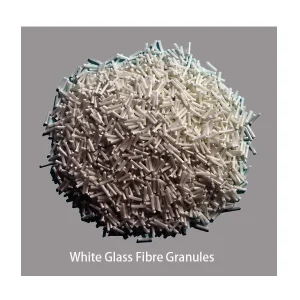
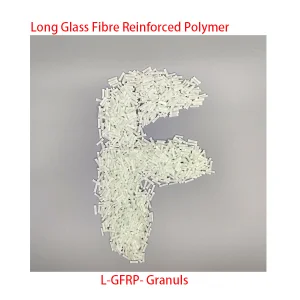
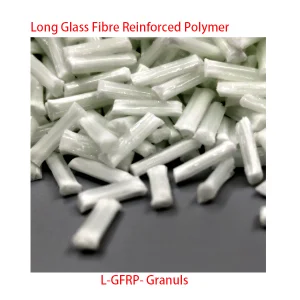
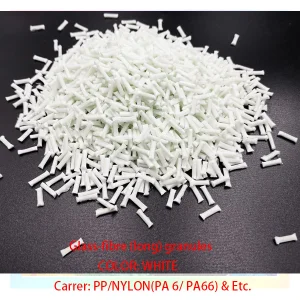
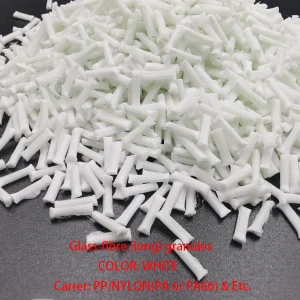
Technical Evolution: As global manufacturing pivots toward lightweight and high-strength components, the demand for "Carbon Fiber Specs" and "Long Glass Fiber Reinforced Polymers (GFRP)" has reached an inflection point. Engineering, Procurement, and Construction (EPC) firms are no longer just looking for price; they are seeking precision in fiber length, resin adhesion, and thermal stability—the core "specs" that define structural integrity.
Supply Chain Resilience: China's, specifically the Jiangsu region's, manufacturing ecosystem provides unparalleled efficiency. By integrating upstream chemical manufacturing with advanced composite compounding, factories like Jurong Best Composite Materials Co., Ltd. offer a level of resilience that mitigates global logistics volatility. Strategic sourcing in this region is backed by robust infrastructure and proximity to major shipping ports.
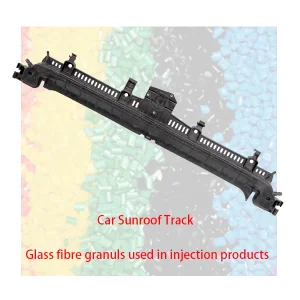
Local Application Scenarios: From automotive sunroof tracks (reducing vehicle weight to increase EV range) to kitchen electrical appliances (where heat resistance is paramount), LGF (Long Glass Fiber) and Carbon Fiber components are the unseen heroes of consumer durability.
Future Outlook: We anticipate a transition toward bio-based polymers reinforced with reclaimed carbon fibers, aligning with global ESG standards. Staying ahead of the curve requires constant monitoring of these technical specs.
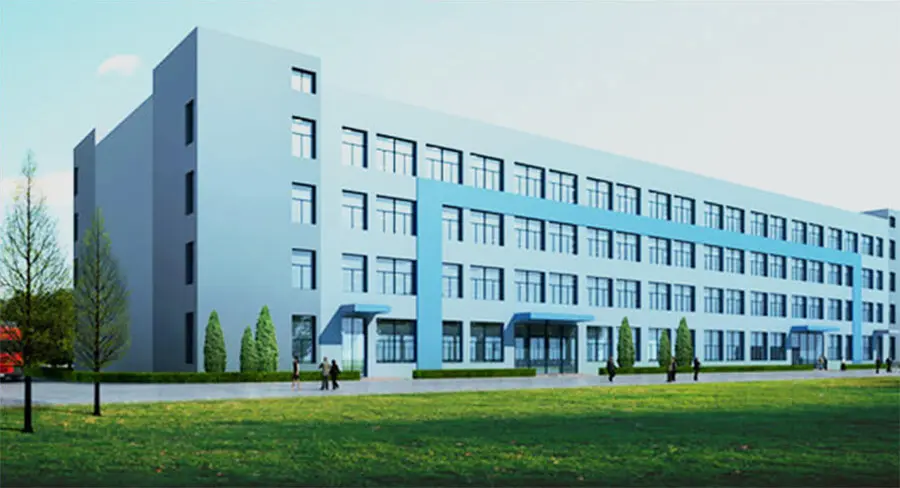
Jurong Best Composite Materials Co., Ltd. is strategically located in the ancient town of Maoshan, Jurong City, Jiangsu Province. Our location serves as a logistics hub, adjacent to the Yangtze River Delta Economic Zone, ensuring rapid fulfillment to both domestic and international markets via the Shanghai-Nanjing Expressway and local port accessibility.
We combine over a thousand years of cultural heritage with modern, high-tech manufacturing processes. Our commitment to R&D ensures that every batch of GFRP and composite material meets rigorous international standards.
A: LGF provides a significantly better strength-to-weight ratio and improved impact resistance because the fiber network creates an internal skeleton within the plastic matrix, preventing crack propagation.
A: Always request a technical data sheet (TDS) and a certificate of analysis (COA). Reputable manufacturers like us provide third-party validation (e.g., CE, ISO) to ensure material consistency.
 Best Composite