Explore our advanced engineered compound materials optimized for composite rebar production and structural reinforcing profiles.
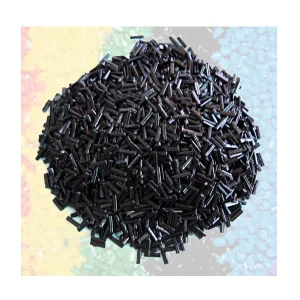
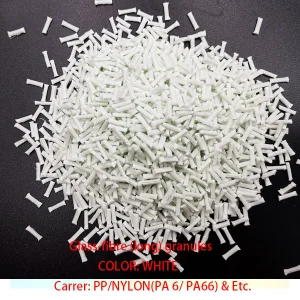
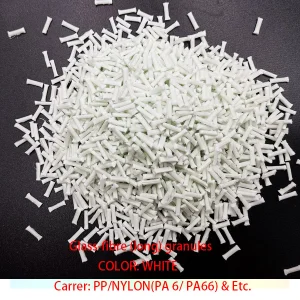
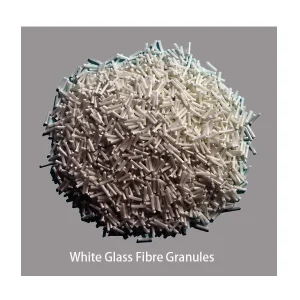
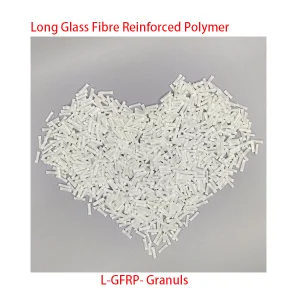
The global construction and civil engineering sectors are undergoing a profound materials science paradigm shift. Traditional structural steel reinforcement, although historically foundational, suffers from a fatal flaw: degradation via electrochemical oxidation (corrosion). The resultant concrete spalling and structural failures cost trillions of dollars globally in maintenance, rehabilitation, and premature replacement.
Composite Rebar—principally Glass Fiber Reinforced Polymer (GFRP) rebar—has emerged as the definitive engineering alternative. Characterized by high tensile-to-weight ratios, absolute corrosion resistance, and electromagnetic neutrality, GFRP composite materials are systematically replacing traditional steel rebar in aggressive coastal environments, heavy-traffic transit facilities, chemical processing plants, and MRI facility construction.
Understanding the microstructural synthesis of these composite rebars is critical for engineers and procurement directors looking to buy composite rebar and evaluate manufacturer quotes. At the center of this material chemistry are high-density thermoplastics and thermosetting resins compounded with long glass fibers (LGF), designed to withstand complex axial loading and harsh alkaline environments within concrete matrices.
For structural engineering designs compliant with ACI 440.1R and AASHTO design specifications, comparing material mechanical attributes is crucial for safety and lifespan calculation.
| Performance Characteristic | GFRP Composite Rebar | Epoxy-Coated Steel | Traditional Black Steel |
|---|---|---|---|
| Tensile Strength (MPa) | 600 - 1200+ (High Flexural Recovery) | 500 - 650 | 400 - 550 |
| Corrosion Resistance | Excellent (Absolute immunity to Cl- Ions) | Moderate (Fails if coating is nicked) | Poor (High oxidation rates) |
| Density / Weight (g/cm³) | Approx. 2.0 (75% lighter than steel) | Approx. 7.85 | Approx. 7.85 |
| Electromagnetic Conduct | Non-conductive / Non-magnetic | Highly conductive | Highly conductive |
| Thermal Conductivity | Extremely Low (Thermal Break properties) | High | High |
| Service Life Cycle | 100+ Years (Zero maintenance) | 20 - 40 Years | 15 - 30 Years |
From deep-sea ports in North America to smart transit systems in Europe, composite materials are redefining civil load-bearing profiles.
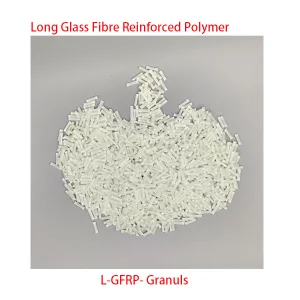
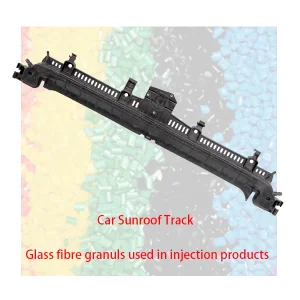
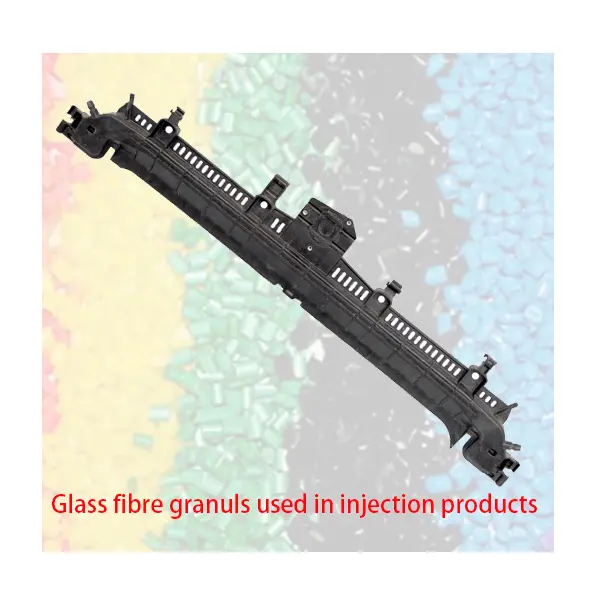
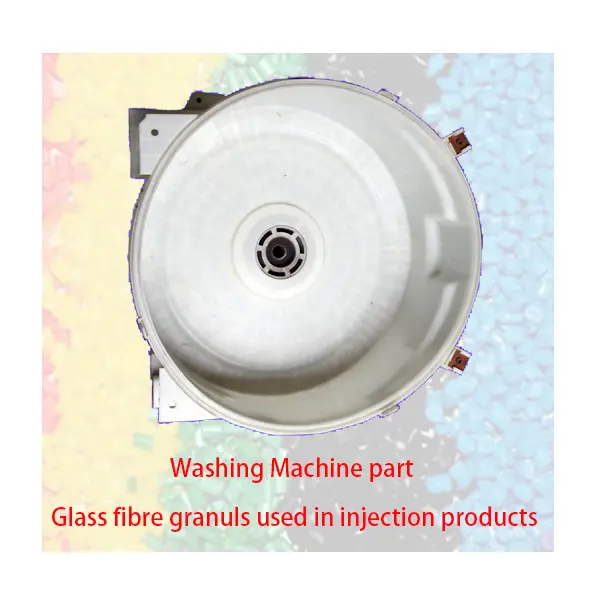
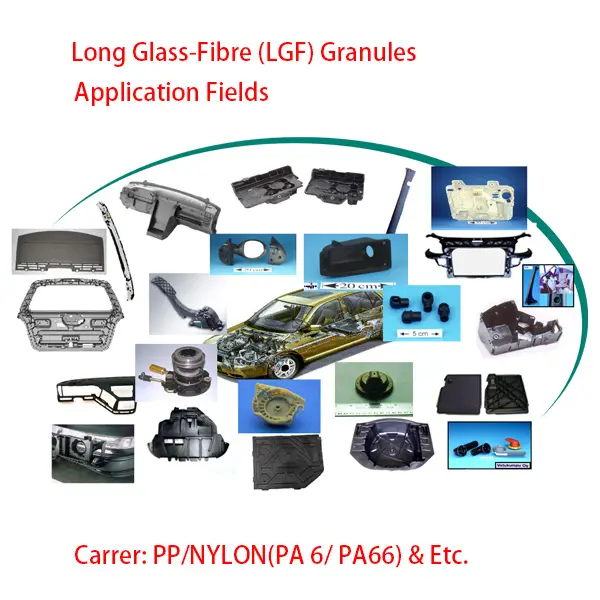
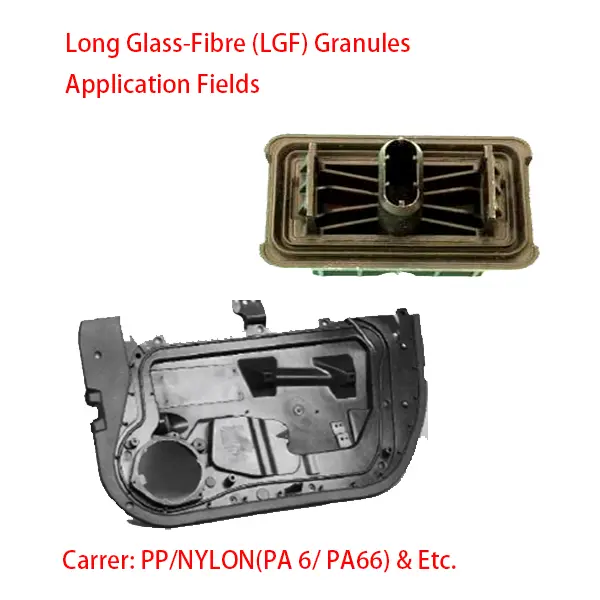
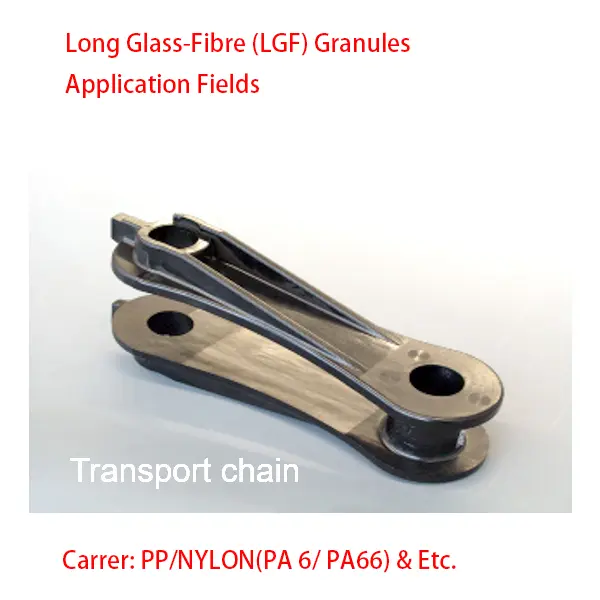
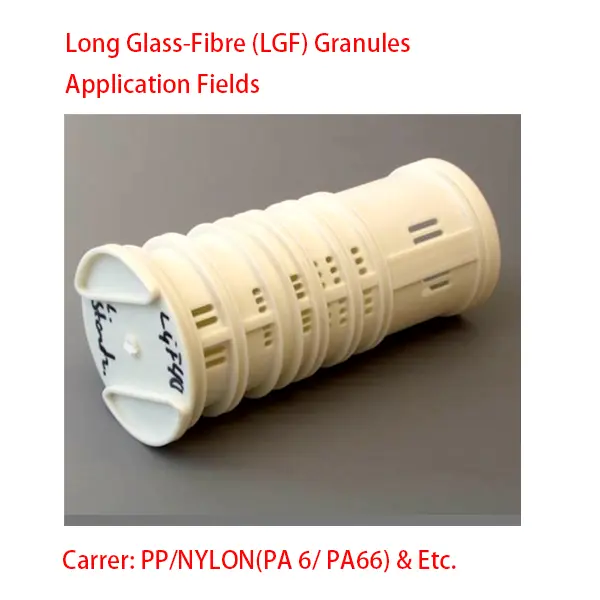
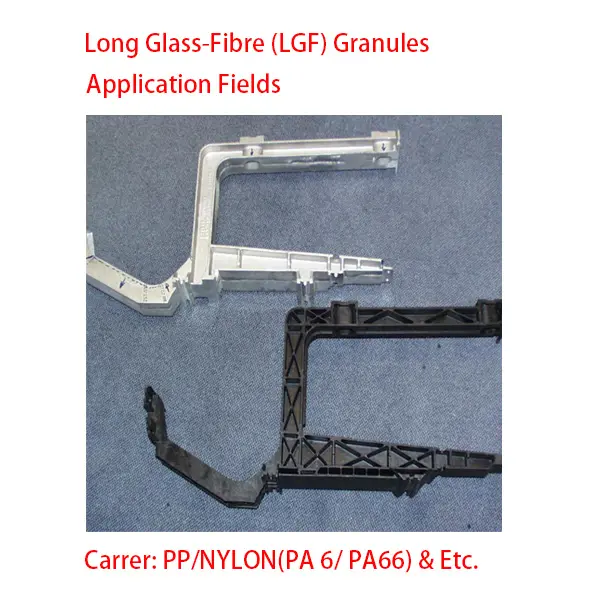
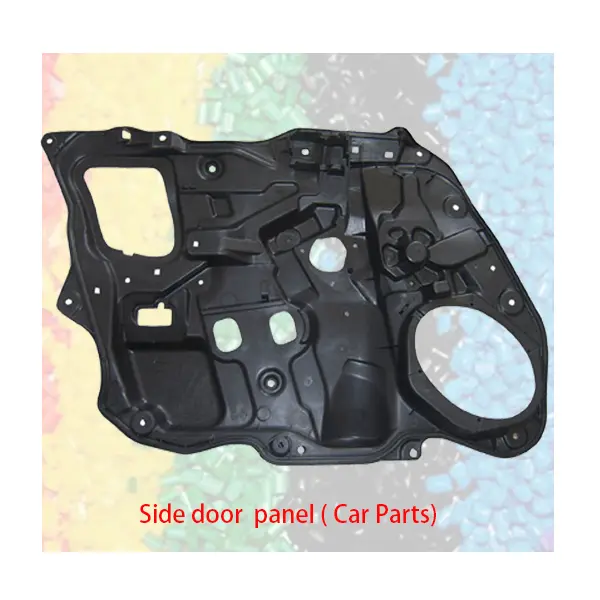
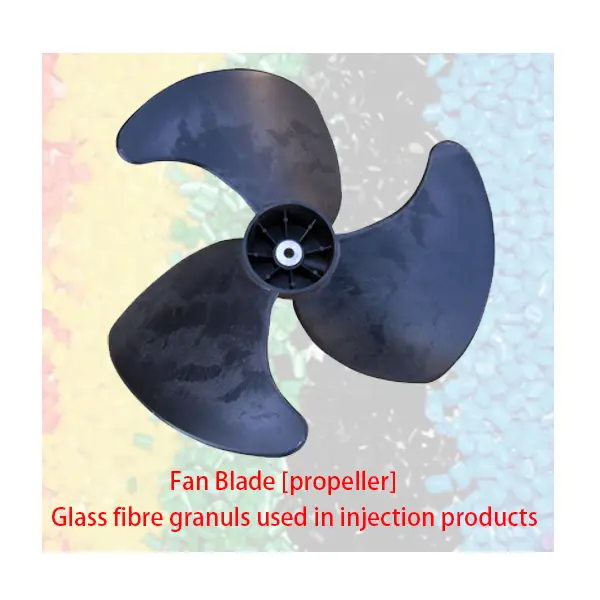
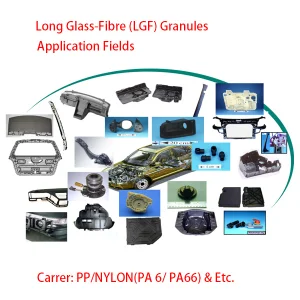
Composite materials manufactured by Jurong Best Composite Materials Co., Ltd. represent the foundational compounding feedstocks utilized by international pultruders and automotive part manufacturers. Our long glass fiber (LGF) reinforced granules (PP, PA6, PA66, PBT, PPS, TPU) deliver the high mechanical stiffness and tensile load transfer properties required for:
Decoupling quality metrics through advanced macromolecular compounding, high-ratio pultrusion and automated QA.
The manufacturing complexity of composite polymers lies in the structural alignment of the reinforcement fibers within the polymer matrix. When you buy composite rebar or procure raw GFRP compound materials, you are buying the technology that prevents fiber-matrix debonding under shear stress.
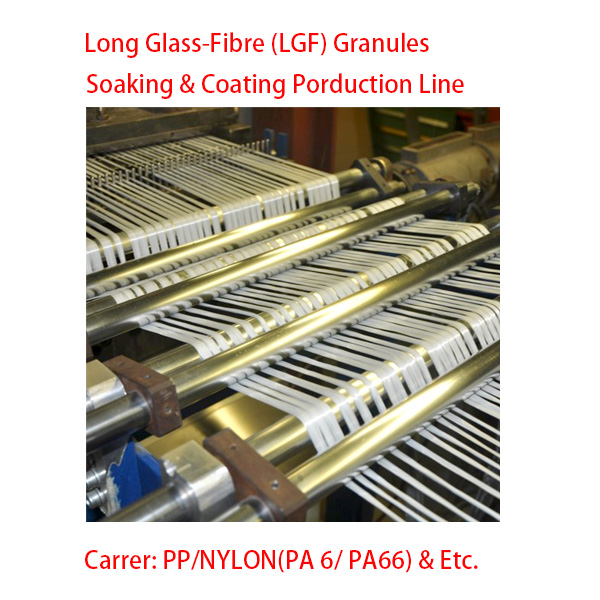
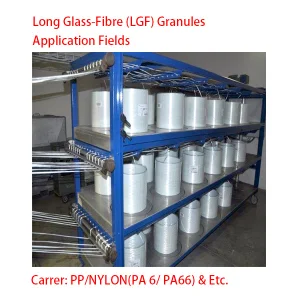
Long glass fiber rovings are continuously pulled through our proprietary cross-head dies, ensuring complete fiber wetting by base resins (PA6, PA66, PP) with optimal surface coupling agents.
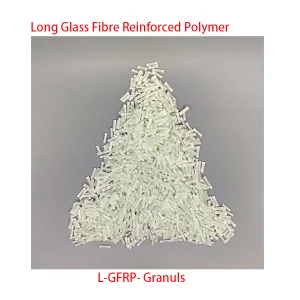
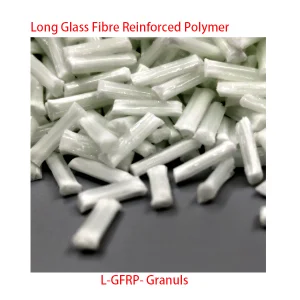
The extruded composite strands are cooled and chopped into 10–25mm granules. Preserving the long fiber length is critical for maximum structural load distribution in subsequent extrusion or molding.
Regular testing cycles verify fiber length distribution, mechanical tensile thresholds, heat deflection temperature (HDT), and alkaline-resistance indices under severe accelerated conditions.
Strategically dispatched via nearby deep-water ports (Zhenjiang/Nanjing Port) to worldwide composite rebar pultruders, industrial molders, and civil construction stakeholders.
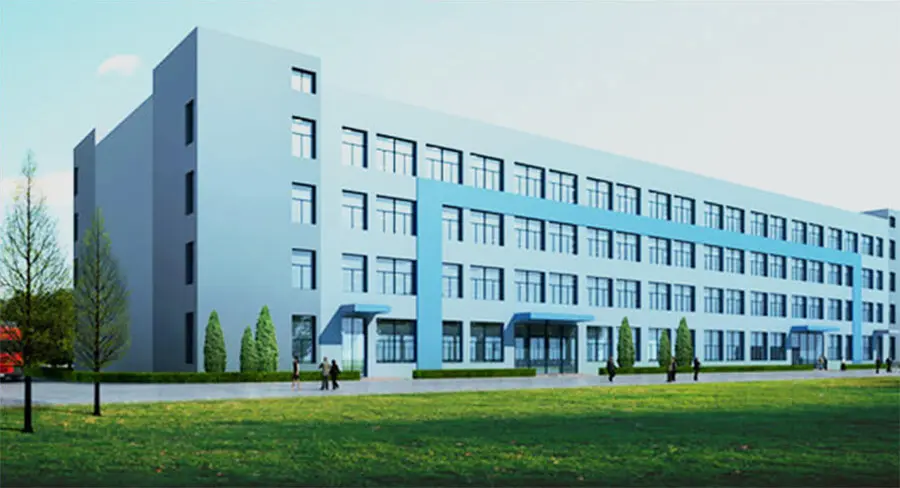
Strategically situated in the historical industrial hub of Maoshan, Jurong City, Jiangsu Province, Jurong Best Composite Materials Co., Ltd. operates at the center of the Yangtze River Delta Economic Zone. Our geographical position guarantees seamless global logistics integration: closely bordered by the Jianning-Taicang Expressway, the Shanghai-Nanjing Expressway, Nanjing Lukou International Airport, and major container shipping channels via Zhenjiang Port and Nanjing Port.
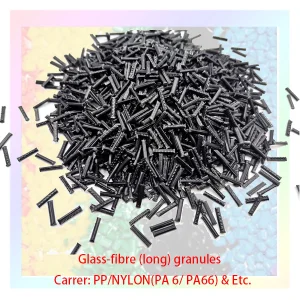
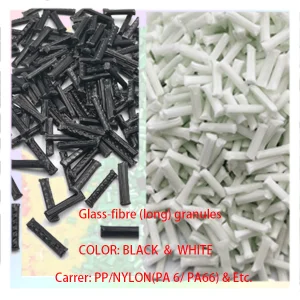
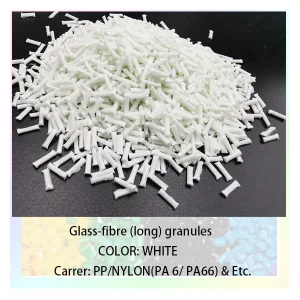
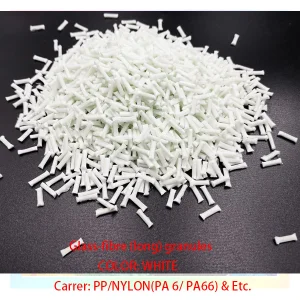
Our company specialized in developing and compounding high-performance Long GFRP (Glass-Fiber-Reinforced-Polymer) Granules. By engineering specific polymer bases (Polypropylene-PP, Polyamide 6/66-Nylon, Polyethylene-PE, PBT, PPS, and TPU) with custom concentration ratios of long glass fiber, we supply the raw material foundations for the next generation of civil structural rebars, aerospace compounds, automotive assemblies, and consumer goods.
Below are our premium-grade structural thermoplastic compounds manufactured to support deep-drawing, profile extrusion, and high-tensile injection molding applications:
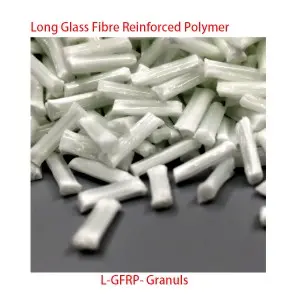
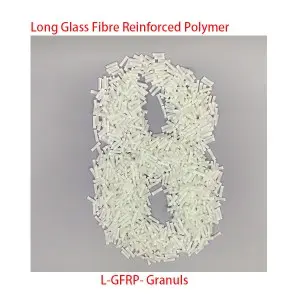
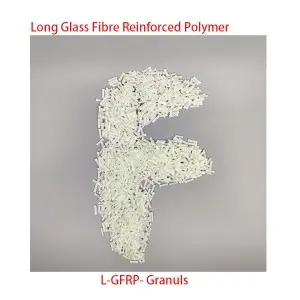
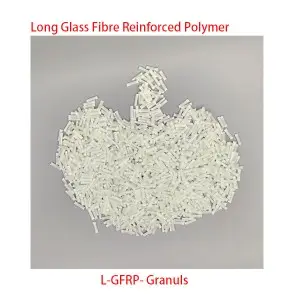
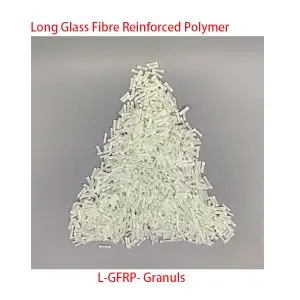
Continuous investment in modern compounding capacity and strict compliance testing verify physical and mechanical compound integrity.
Our commitment to quality control is evidenced by our production and testing operations. We routinely host international engineering delegations and chemical purchasers conducting on-site QA assessments for long-strand GFRP structural granules.
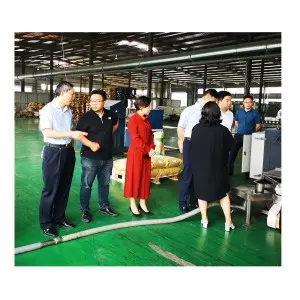
International clients performed rigorous inspections on our PA6 and PA66 long GFRP (Glass-Fiber-Reinforced-Polymer) granules. The testing confirmed optimal interfacial bonding strength and compliance with export quality requirements.
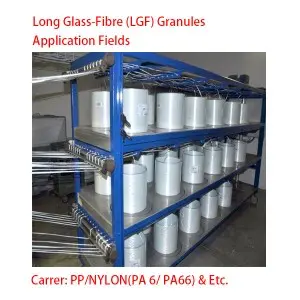
To meet surging global demand for GFRP composite feedstocks, we installed a new high-speed pultrusion pelletizing line. The line enhances output capacity and ensures strict consistency in glass fiber aspect ratios.
Addressing engineering, commercial, and logistical questions for international projects.
Epoxy coatings on steel rebar provide only temporary physical isolation. If the coating is scratched or damaged during transport, handling, or concrete pouring, local oxidation cells form, leading to rapid subsurface corrosion. Composite rebar (GFRP) is chemically inert and homogeneous. It contains no metal, meaning it cannot rust, even when exposed to severe seawater or acidic soils, ensuring concrete structures last well over 100 years.
Quotes for composite rebar are primarily determined by: (1) The type of thermoplastic or thermoset resin matrix used (e.g., PP, PA6, PA66, or PPS). (2) The fiber loading percentage (usually between 50% to 80% by weight). (3) The overall profile geometry. (4) Shipping logistics. Because GFRP is 75% lighter than steel, you can load up to four times the linear footage of rebar per container, which substantially reduces transport costs.
Yes, composite rebar is designed and installed in accordance with international consensus codes, including ACI 440.1R and ACI 440.11-22 (USA), AASHTO Bridge Design Specifications, and CAN/CSA S806 (Canada). These codes guide engineers on shear design, load-bearing limitations, and carbon emissions criteria.
Absolutely. Jurong Best Composite Materials Co., Ltd. excels at customizing polymer formulations. We adjust the fiber content (ranging from 20% to 70%), resin base (PP, PA6, PA66, PBT, PPS, TPU), and heat-stabilizing packages to match your specific injection molding or profile pultrusion manufacturing needs.
Thanks to our facility's proximity to the Jianning-Taicang Expressway and Shanghai-Nanjing network, we easily dispatch cargo to Nanjing Port or Zhenjiang Port within hours, and to Shanghai Port within one day. Standard export orders are fulfilled in 7 to 15 days, depending on custom compounding requirements.
A transparent look inside Jurong Best Composite Materials Co., Ltd. production assets, raw materials, and processing labs.
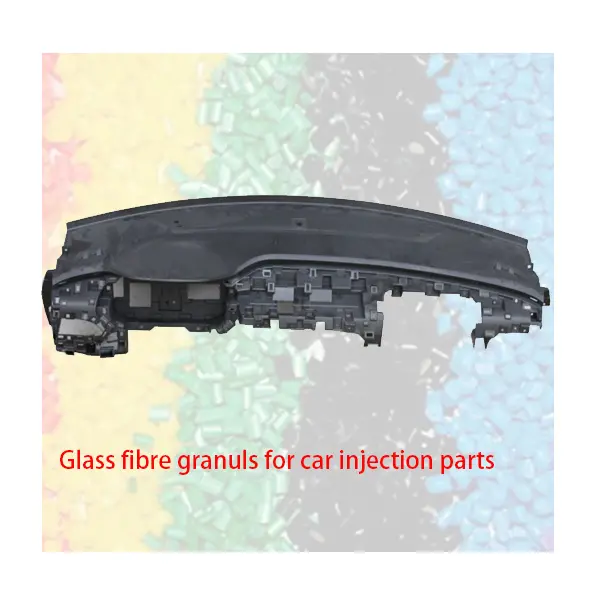
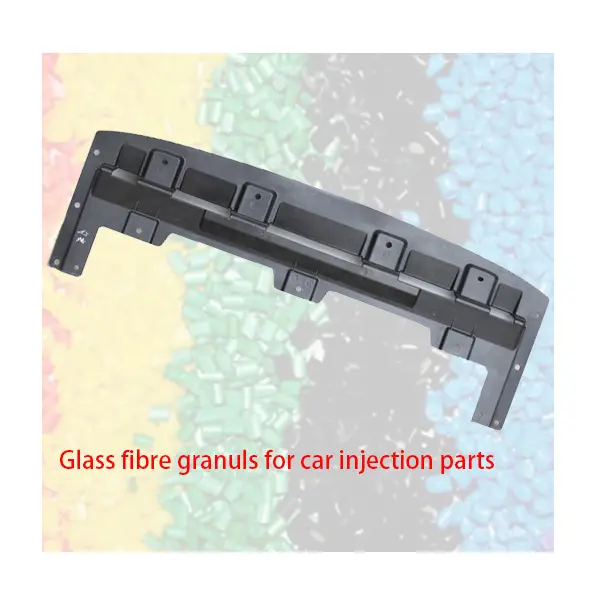
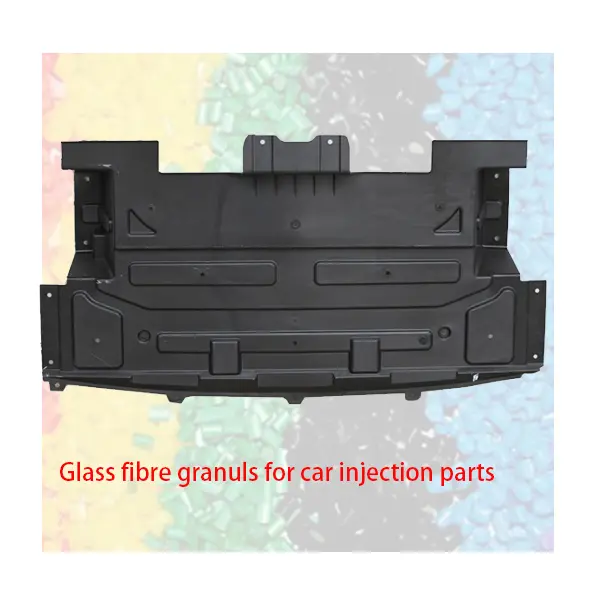
Complete your procurement spec sheets with our full range of reinforced polymer structural compounds.
 Best Composite