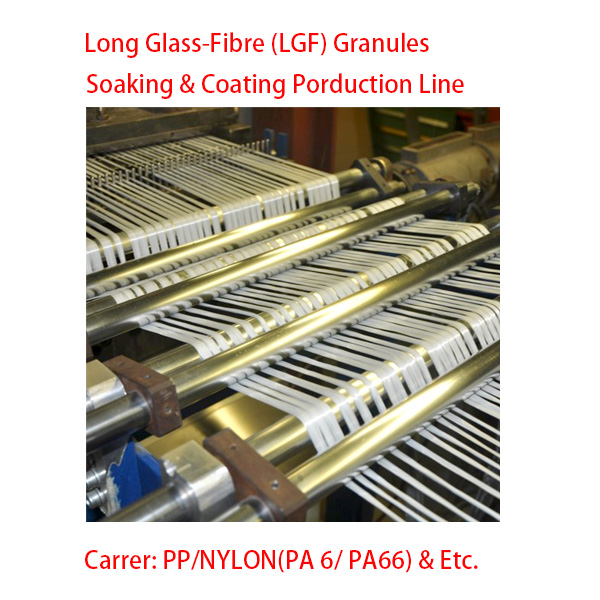
High-performance engineering polymers optimized with advanced fiber dispersion for critical structural applications.
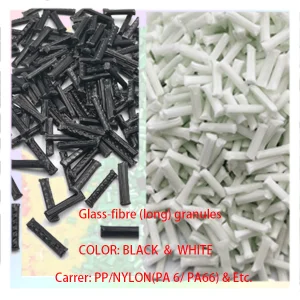
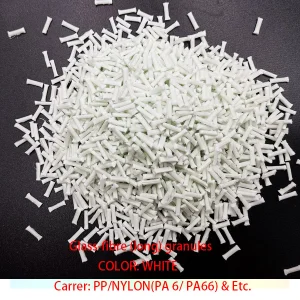
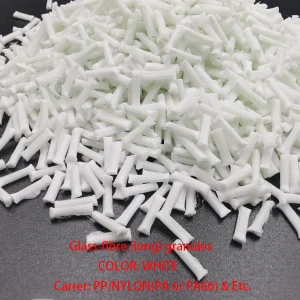
In modern structural engineering and industrial manufacturing, structural longevity is constantly compromised by electrochemical corrosion. Standard concrete steel reinforcing bars (rebars) degrade rapidly when exposed to chlorides, acids, and atmospheric moisture. This degradation costs the global infrastructure sector billions of dollars annually in premature maintenance and structural failures.
To combat this, the global industrial sector has shifted rapidly toward Fiberglass Reinforced Polymer (FRP) Rebar and Fiberglass Rods. These composite materials represent a significant shift in industrial material design. Formulated from high-performance resins and reinforced with continuous glass fibers, FRP composites exhibit complete electrochemical neutrality, rendering them immune to rust and corrosion.
The mechanical characteristics of the final FRP rebar or fiberglass rod depend heavily on the underlying polymer compound. The engineering plastic granules utilized in the pultrusion and extrusion processes define the material’s resistance limits.
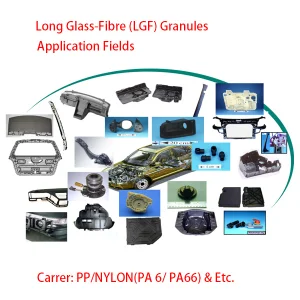
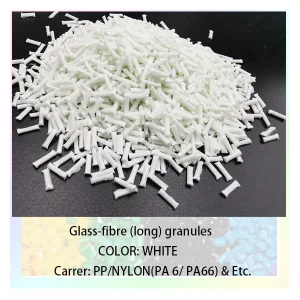
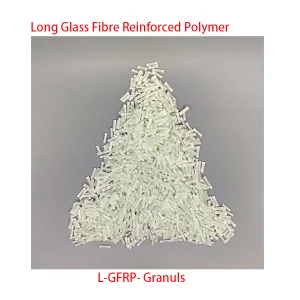
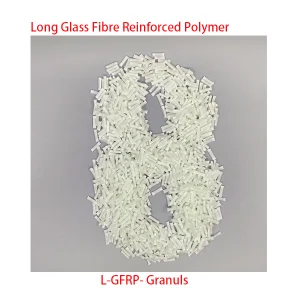
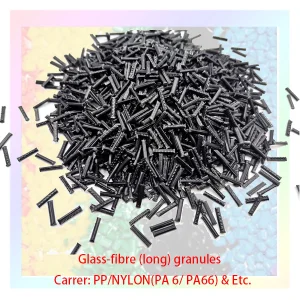
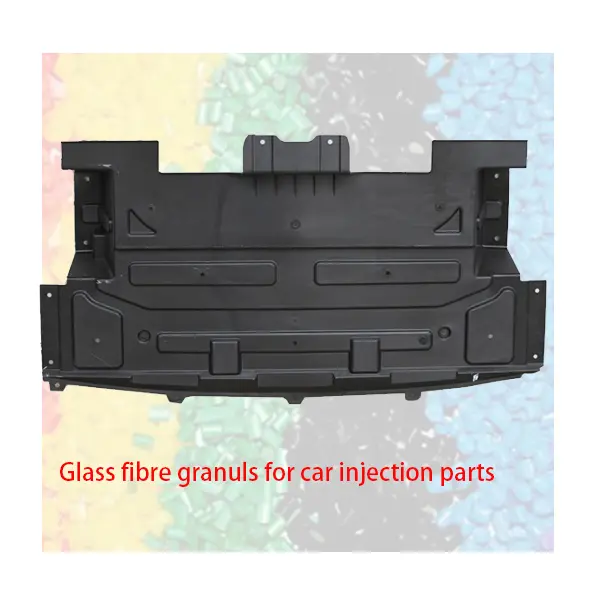
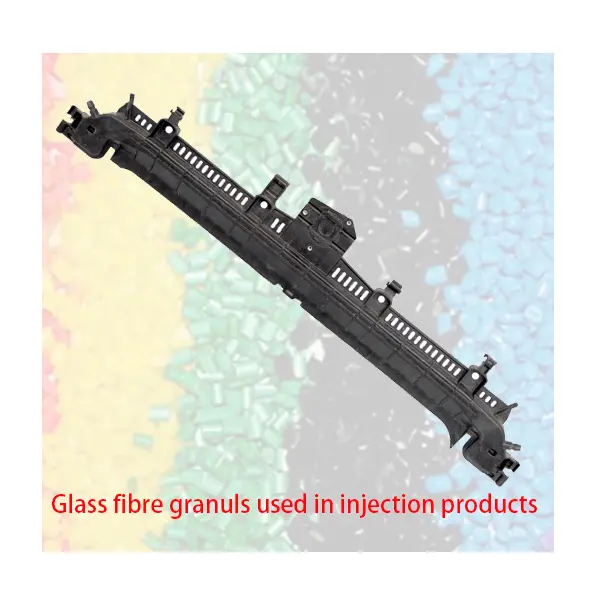
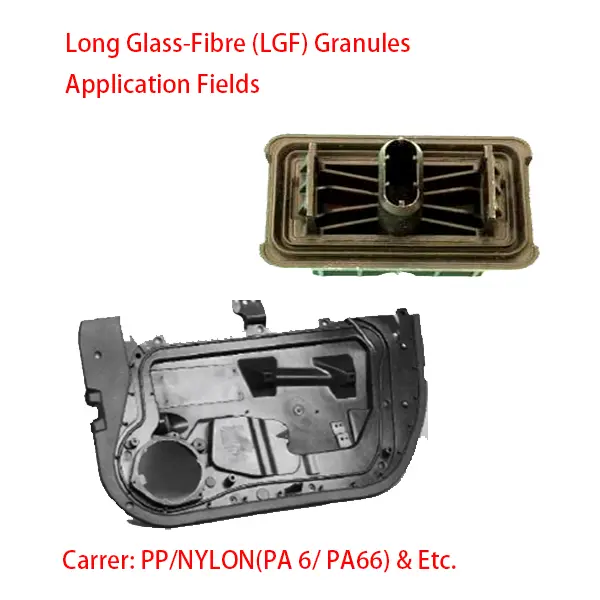
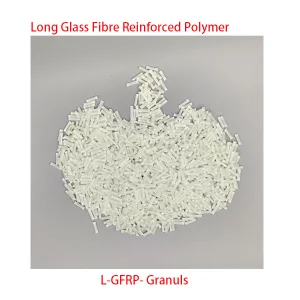
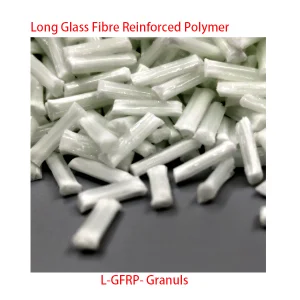
Conventional glass fiber plastics utilize short fibers (typically 1 to 2 mm in length). While these provide minor structural reinforcement, they lack the tensile integration required for heavy load-bearing structural tasks. Direct injection-molded automotive and structural parts demand Long Glass Fiber (LGF) reinforced composites (ranging from 10 to 12 mm or continuous configurations).
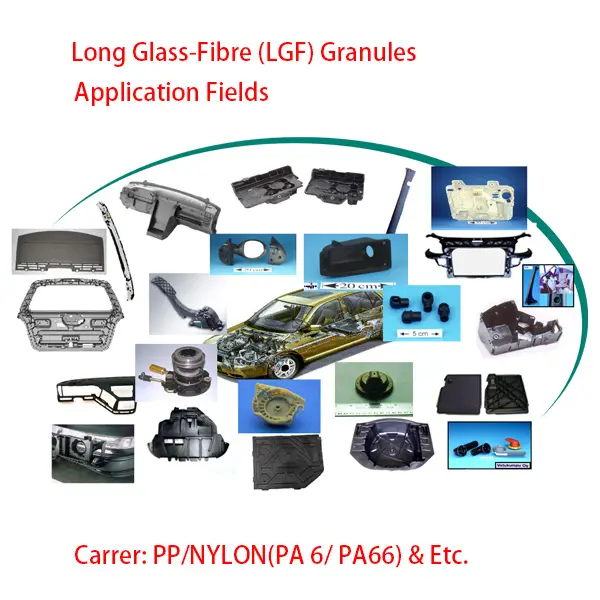
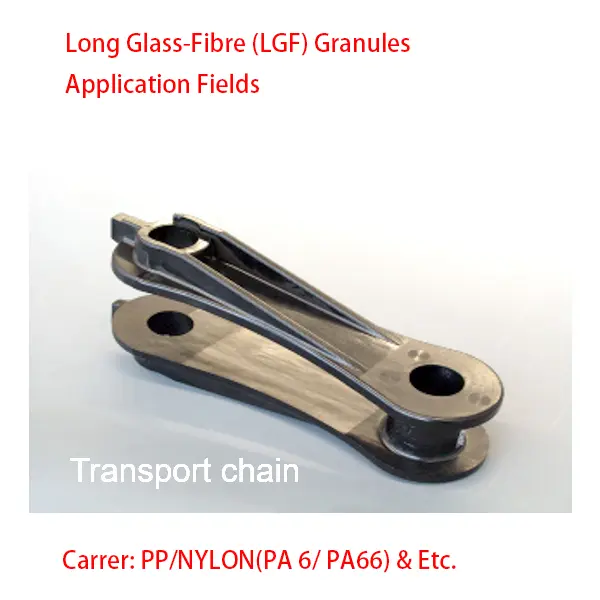
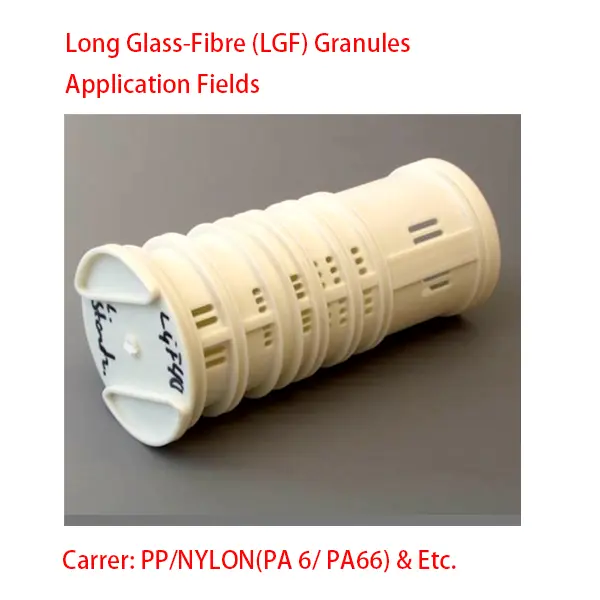
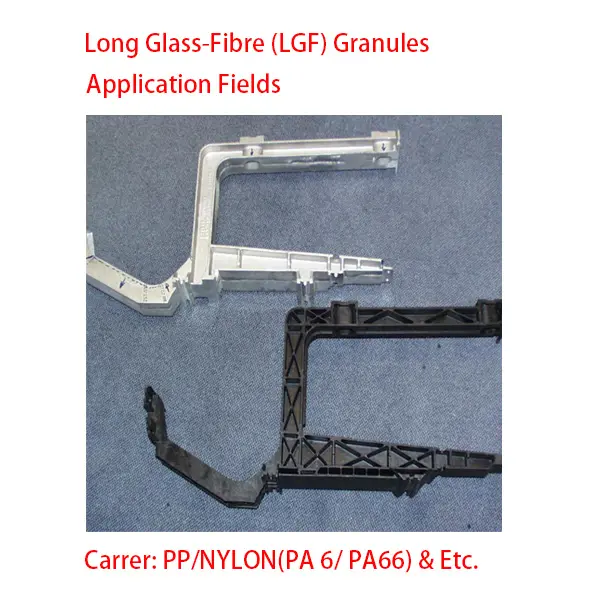
LGF-modified materials form an internal skeleton within the molded part, distributing stress across a wider area. As a result, matrixes using PA6, PA66, and PP LGF exhibit dramatically higher impact strength, dimensional stability, and temperature tolerance.
A quantitative comparison of physical properties illustrating why engineering design protocols increasingly mandate GFRP composites.
| Performance Parameter | GFRP Rebar / LGF Composite | Traditional Mild Steel | Direct Operational Benefit |
|---|---|---|---|
| Tensile Strength (MPa) | 600 - 1100 MPa | 450 - 550 MPa | Higher ultimate load capacity under tension |
| Density (g/cm³) | 1.9 - 2.1 | 7.85 | ~75% weight reduction, lowering shipping and handling costs |
| Corrosion Rate | 0.00 mm/year | 0.5 - 2.0 mm/year (saline) | Complete immunity to acids, bases, and salt ions |
| Electromagnetic Conductivity | Non-conductive | Highly conductive | Ideal for MRI rooms, rail transit, and electrical enclosures |
| Thermal Conductivity | 0.3 W/m·K | 46.0 W/m·K | Prevents thermal bridging in energy-efficient structures |
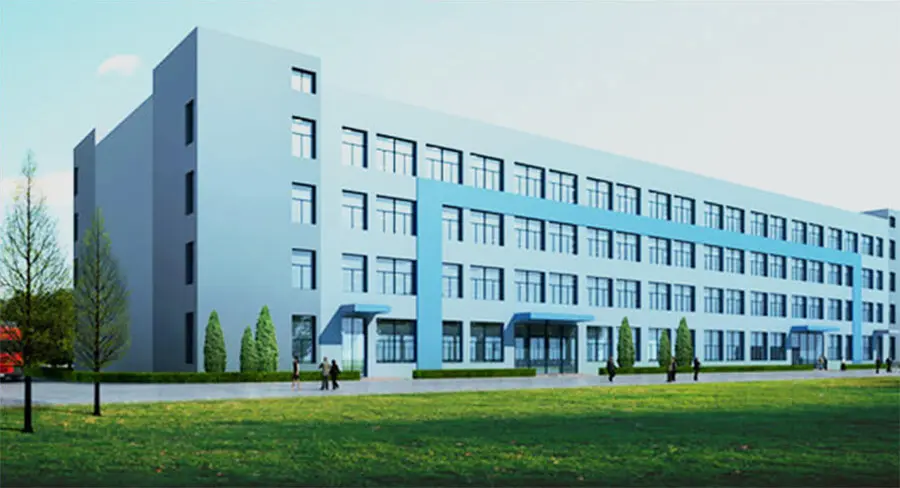
Jurong Best Composite Materials Co., Ltd. is located in the ancient town of Maoshan, which has a history of over a thousand years. The town is part of Jurong City, Zhenjiang, Jiangsu Province. It is situated on the lower reaches of the Yangtze River, adjacent to Nanjing, and is close to Nanjing Lukou International Airport. The Jianning-Taicang Expressway (from Nanjing to Taicang) passes through the area, and the Jurong exit of the Shanghai-Nanjing Expressway connects to Zhenjiang Port and Nanjing Port. Benefiting from the radiation of the Yangtze River Delta Economic Zone, the transportation is very convenient.
Our facility houses advanced manufacturing setups, optimized for processing engineering plastics and GFRP materials. As direct-to-factory suppliers, we maintain strict quality control mechanisms to verify fiber length distribution, polymer density, and mechanical properties across every batch.
Navigating the global procurement landscape requires balancing quality benchmarks with cost-efficiency. China's composite materials industry has developed highly integrated supply chain ecosystems that enable robust manufacturing scales.
At Jurong Best Composite Materials Co., Ltd., we combine geographical logistical advantages with advanced production lines to optimize customer operations:
Located near Nanjing Lukou International Airport, with expressways connecting to major deepwater ports in Zhenjiang and Shanghai, we minimize lead times and transit expenses.
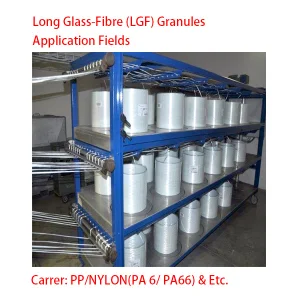
Our specialized long-glass-fiber compound lines integrate continuous glass fiber strands directly into molten polymer matrices with minimal fiber shearing, maximizing mechanical retention.
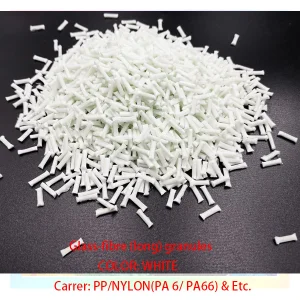
We engineer custom polymers using PA6, PA66, PP, TPU, and PBT matrices to meet specific B2B mechanical, thermal, and UV exposure specifications.
FRP and GFRP composite formulations serve diverse application requirements globally:
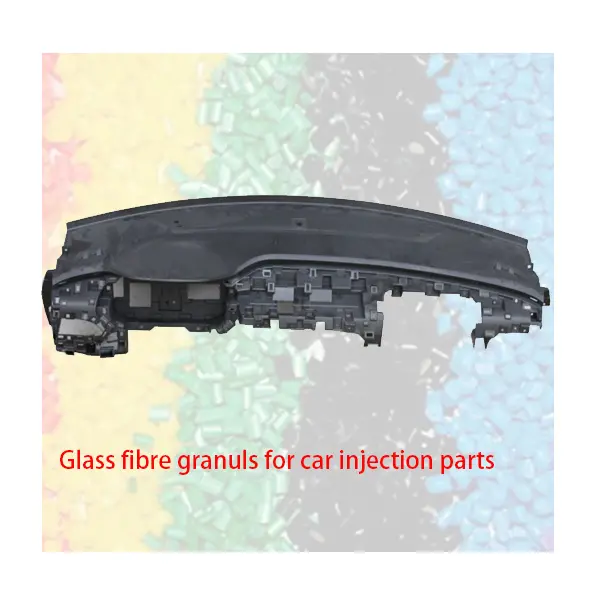
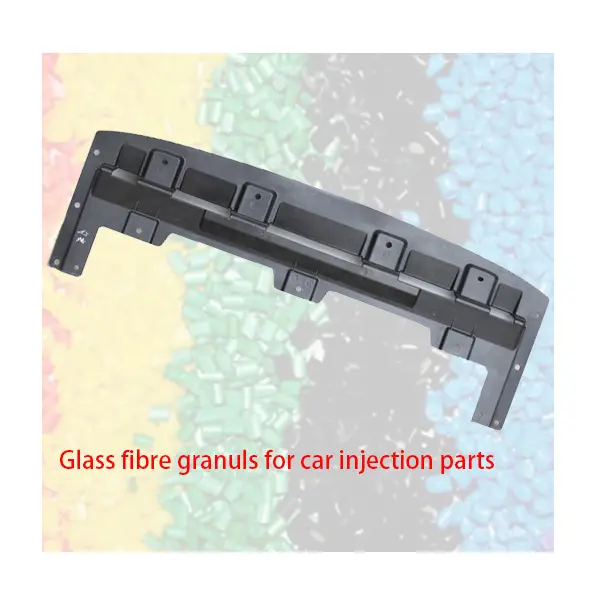
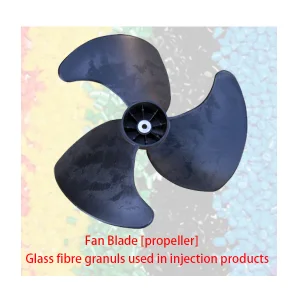
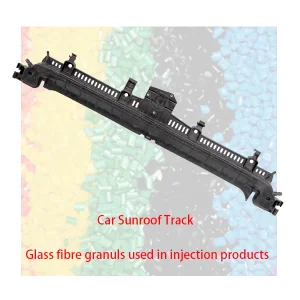
Automakers leverage PA6 and PA66 long-glass-fiber reinforced polymers to replace metal sub-assemblies. A common application is the GFRP car sunroof track. Utilizing LGF-PA6 reduces part weight while maintaining the structural stiffness required for smooth track operation under extreme temperature variances.
Concrete exposed to seawater degrades rapidly if reinforced with traditional steel. GFRP rebar provides a long-term solution for seawalls, bridge decks, and highway retaining walls, preventing structural failure due to salt oxidation.
MRI rooms, hospital foundations, electrical substations, and rail systems require reinforcing components that do not conduct electricity or interfere with magnetic fields. FRP rebars and rods provide structural support while remaining electromagnetically transparent.
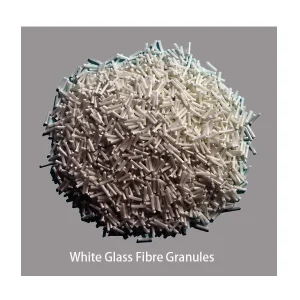
Industrial micro-imaging and standard formulations produced by our factory lines.
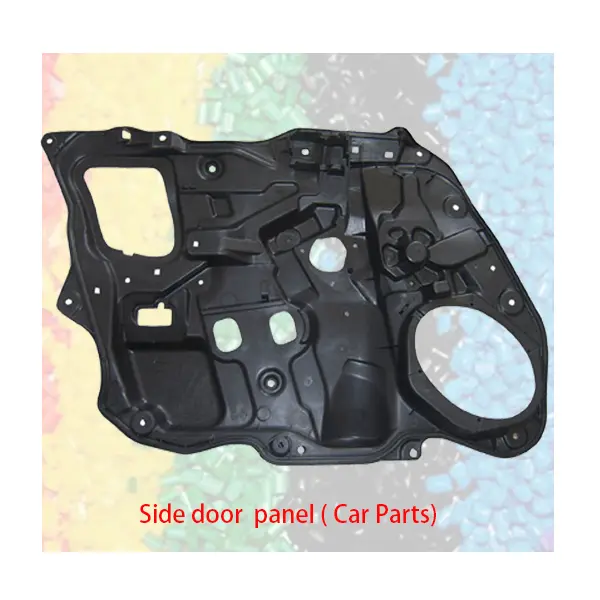
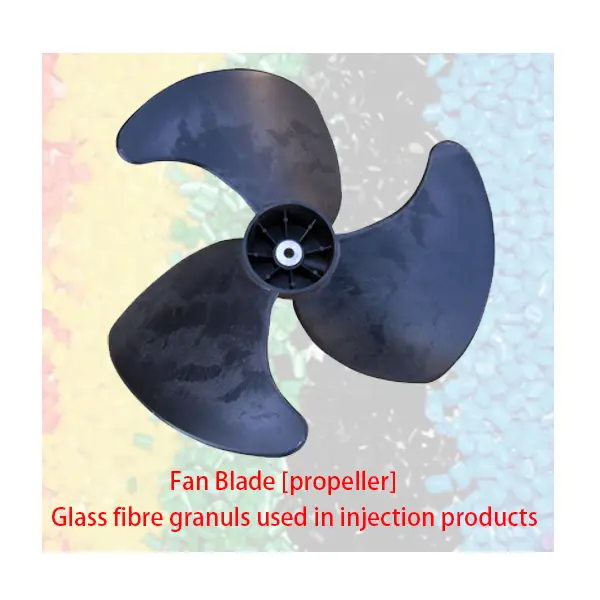
Transparency in action: tracking our client quality audits and capacity expansions.
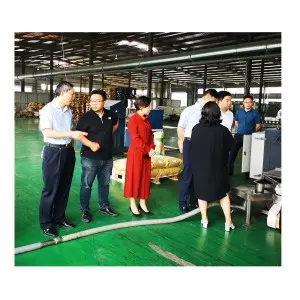
The clients visited our factory today, and conducted a professional and rigorous inspection for the PA6 and PA66 long GFRP (Glass-Fiber-Reinforced-Polymer) granules. They verified our quality control processes and raw material consistency, reported by Lu.
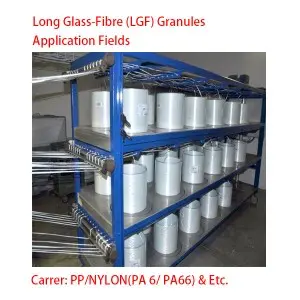
Our factory has commissioned a new compounding machine line. The line is operational and has met capacity and material consistency metrics.
Key information regarding composite specifications, material properties, and supply chain logistics.
GFRP offers complete corrosion resistance, saving on maintenance costs in harsh environments. At a quarter the weight of steel, it reduces transport and installation labor while offering higher tensile strength.
Long glass fibers (10-12mm) form an internal structural network during molding, enhancing impact absorption, tensile modulus, and dimensional stability compared to shorter alternatives.
Our quality control protocols monitor fiber length distribution, moisture content, and density throughout production. Clients regularly audit our facilities to verify these parameters.
Yes, we modify polymer bases including PA6, PA66, PP, PPS, TPU, and PBT to meet target values for UV resistance, impact strength, heat deflection, and chemical exposure.
Located in the Yangtze River Delta Economic Zone, our facility has direct access to the Shanghai-Nanjing Expressway, Nanjing Airport, and the deepwater ports of Zhenjiang and Shanghai for global shipping.
High-performance engineering granules engineered for manufacturing durable, wear-resistant structural components.
 Best Composite