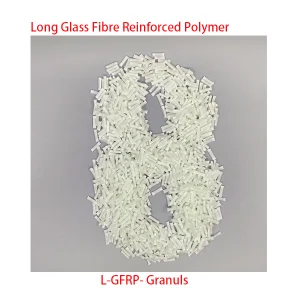
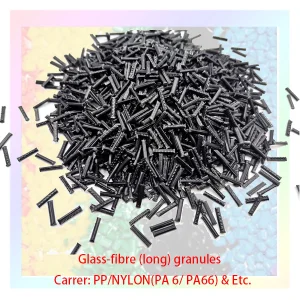
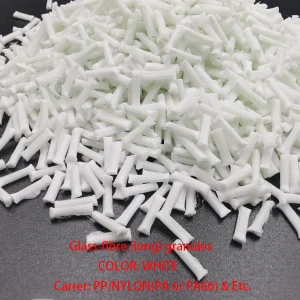
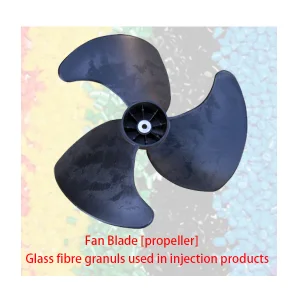
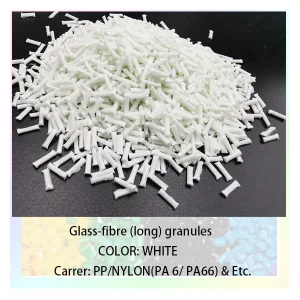
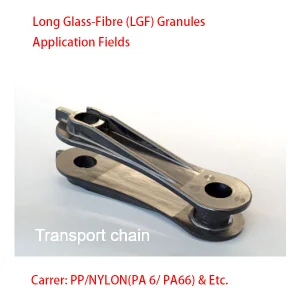
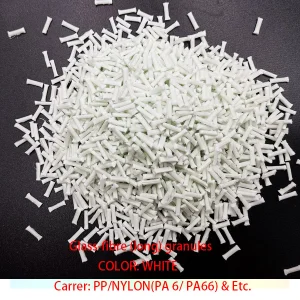
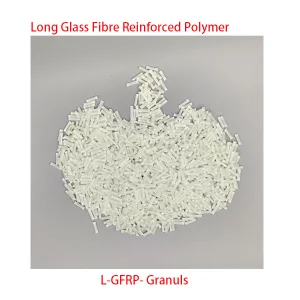
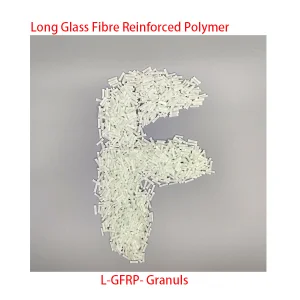
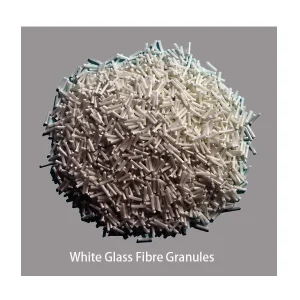
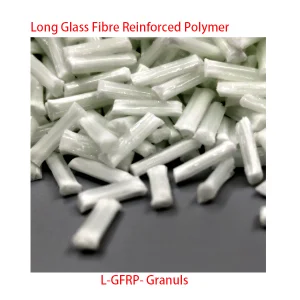
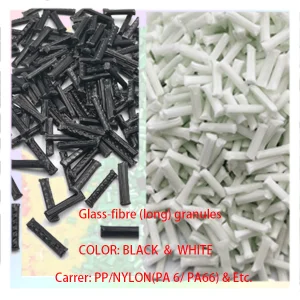
In the high-stakes world of automotive manufacturing, the transition from metal to high-performance thermoplastic composites is no longer a trend—it is a structural necessity. Jurong Best Composite Materials Co., Ltd. stands at the forefront of this evolution. Located in the strategic industrial hub of the Yangtze River Delta, our facility leverages over a decade of expertise in synthesizing Long Glass Fiber Reinforced Polymer (LGFRP) that meets the rigorous demands of Tier 1 and Tier 2 automotive exporters.
Unlike traditional short fiber reinforcements, our LGF materials maintain a high aspect ratio during the injection molding process. This creates an internal three-dimensional fiber skeleton that significantly enhances impact resistance, creep resistance, and dimensional stability across extreme temperature fluctuations. For global companies seeking to buy long glass fiber materials, understanding the "Information Gain" between LGF and standard composites is key to achieving vehicle lightweighting targets without compromising passenger safety.
Our LGF-PA6 and LGF-PA66 granules provide a tensile strength that rivals many die-cast metals, offering an ideal solution for engine brackets and structural modules.
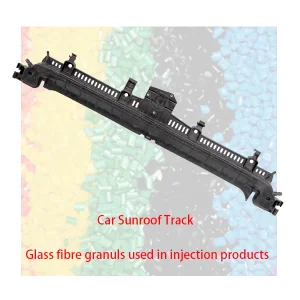
Designed for long-term durability, these materials resist deformation under constant stress, crucial for car sunroof tracks and door modules.
Achieve up to 40% weight savings compared to traditional steel components, directly contributing to improved fuel efficiency and EV range extension.
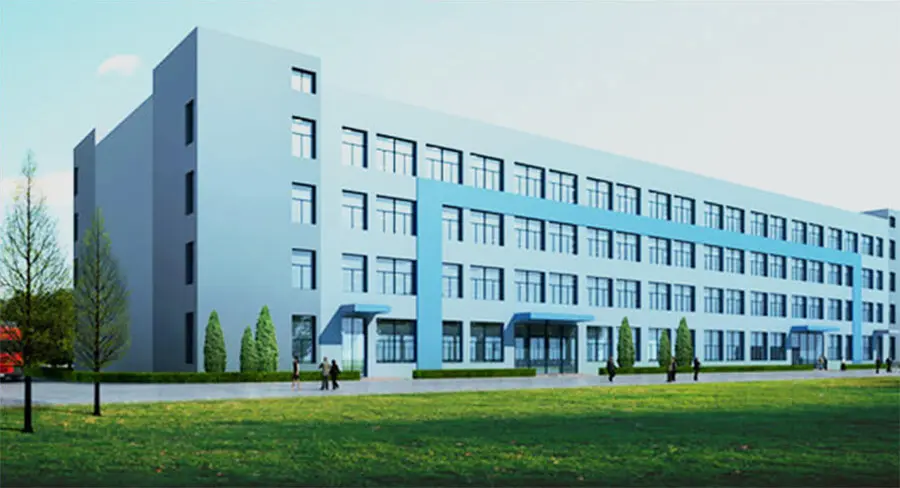
Buying materials from a China LGF factory involves more than just price comparison; it requires a partner who understands international compliance. Jurong Best Composite Materials ensures all products are RoHS and REACH compliant, meeting the environmental standards of the European and North American markets.
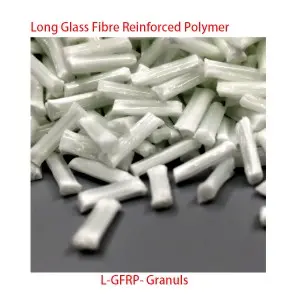
LGF-PA66 is utilized in engine covers, oil pans, and cooling system modules where heat resistance and vibrational damping are critical.
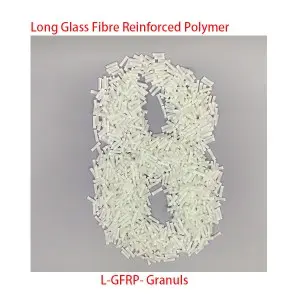
Used in instrument panel carriers, door modules, and sunroof tracks (GFRP-PA6) for high-dimensional stability and smooth surface finish.
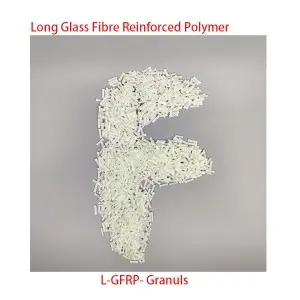
Long glass fiber reinforced materials provide the necessary flame retardancy and impact shielding required for modern electric vehicle battery housings.
The global automotive material market is shifting toward Circular Economy principles. As a leading exporter, Jurong Best is integrating sustainable practices in GFRP production. Key trends we are monitoring for our global partners include:
A: The primary difference lies in the fiber length after injection. LGF typically maintains a length of 5mm-25mm, whereas SGF is usually less than 1mm. This length difference allows LGF to form a reinforcing network that provides significantly higher impact strength and stiffness.
A: Yes. We specialize in compounding Long Glass Fiber with a variety of polymers including PP, PA6, PA66, PPA, PPS, TPU, and PE to meet specific thermal and chemical resistance needs.
A: Our facility uses state-of-the-art pultrusion lines. Each batch undergoes rigorous testing for tensile modulus, Charpy impact strength, and fiber content percentage. We welcome third-party inspections from global clients.
A: Located in the Yangtze River Delta, we have direct access to the Jianning-Taicang Expressway and are minutes away from major international shipping ports, ensuring reduced transit times and competitive freight costs for bulk exporters.
Join hundreds of global exporters who trust Jurong Best for high-performance Long Glass Fiber materials.
 Best Composite