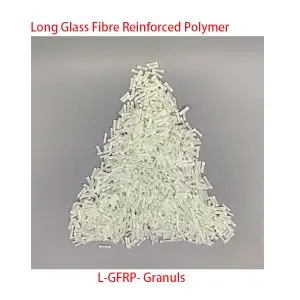
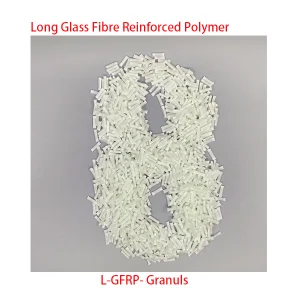
Explore our leading collection of high-density glass fiber reinforced polymer products engineered for high load-bearing structural integrity.
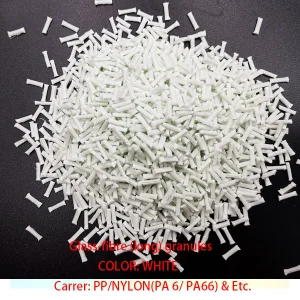
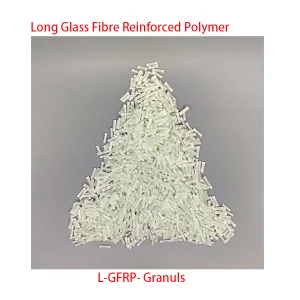
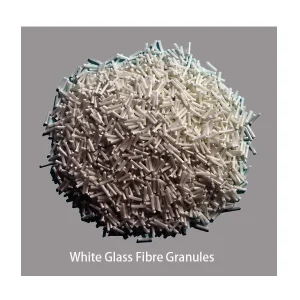
In the modern civil engineering landscape, structural degradation caused by the corrosion of traditional steel reinforcement poses a multi-billion dollar liability. Ocean-adjacent infrastructure, chemical containment units, toll roadways exposed to de-icing salts, and high-frequency light rail lines are constantly fighting material decomposition. As a result, the global commercial sector has witnessed a profound shift toward Composite Rebar (Fiber Reinforced Polymer / FRP).
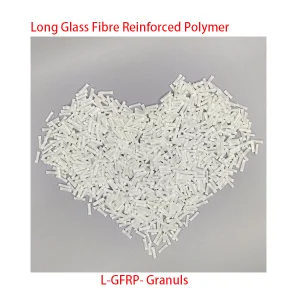
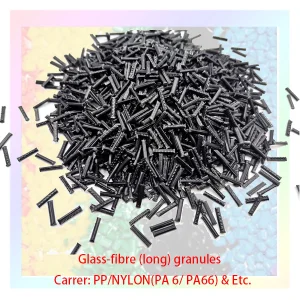
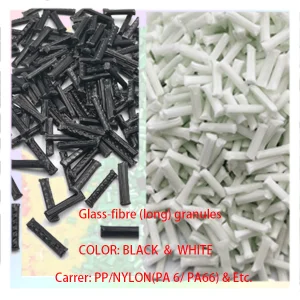
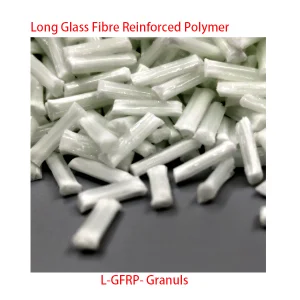
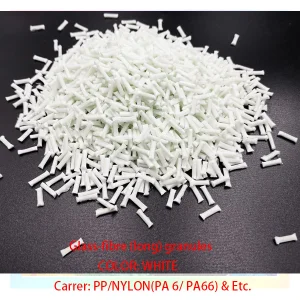
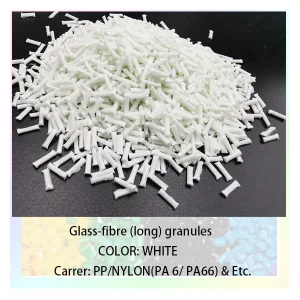
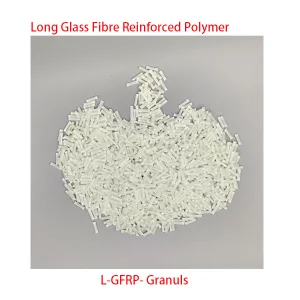
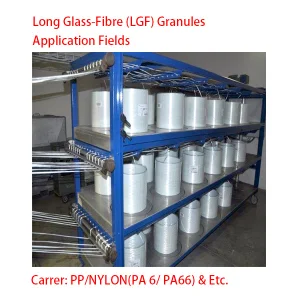
Historically regarded as a niche alternative, GFRP (Glass Fiber Reinforced Polymer) has transitioned into mainstream engineering specifications. The market size is projected to scale significantly over the next decade, propelled by public works directives focused on building sustainable, 100-year life-cycle structures. This paradigm shift relies on robust supply chains supplying high-purity polymer granules such as PA6, PA66, PP, and PPS reinforced with long glass fibers.
For engineering procurement departments and structural design companies, reliability is non-negotiable. Composite materials intended for concrete reinforcement must be compliant with European Union Construction Products Regulation (CPR) and bear the CE Certification Mark. This guarantees that the composites conform to Harmonized European standards (such as EN 1992-1-1 Eurocode 2) and undergo rigorous testing regarding tensile strength, Young's Modulus, interlaminar shear behavior, and long-term durability inside highly alkaline concrete environments.
A certified material ensures that during the pultrusion or injection process, the distribution of long glass fibers remains consistent, preventing internal voids and micro-delaminations. By securing CE certified granules, manufacturers of composite rebars ensure their end products meet ASTM D7957/D7957M and ACI 440 requirements, mitigating structural risks.
"CE certification serves as a validation of quality assurance, signifying that our raw polymer compounds and finalized composite mixtures maintain chemical stability when subjected to accelerated aging tests in highly concentrated alkaline concrete pore solutions."
The physical characteristics of GFRP granules are governed by their matrix polymer. Standard short-glass-fiber mixtures often suffer from brittle fracture patterns. In contrast, Long Glass Fiber Reinforced Polymer (LGFRP) creates a complex internal 3D structural network during processing, yielding superior tensile strength and fatigue life. Below is a comparative breakdown of key matrix materials utilized in composite applications:
Understanding the real-world deployment profile of Composite Rebars helps projects specify the right raw materials:
Marine Infrastructure
Chemical Storage
Rapid Tunneling
Electromagnetic Shielding
For instance, in tunneling projects, utilizing GFRP reinforcement in the tunnel shaft walls (soft-eyes) allows Tunnel Boring Machines (TBMs) to cut directly through concrete walls without tool destruction. In oceanic coastal engineering, replacing carbon steel with GFRP elements completely eliminates structural damage caused by salt penetration.
Procurement managers balancing project budgets require deep clarity regarding pricing strategies. The Composite Rebar & FRP Pricelist is highly dependent on:
Purchasing departments should execute Total Cost of Ownership (TCO) assessments. Traditional steel reinforcement may exhibit lower upfront purchasing price points, but when factoring in lifecycle maintenance, repair cycles, and cathodic protection installation, CE-certified GFRP composites generate double-digit savings over structural lifetimes.
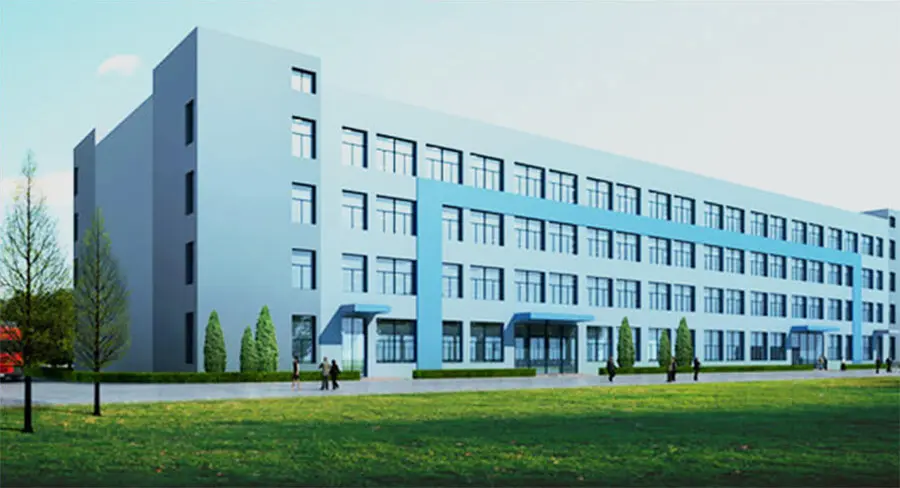
Jurong Best Composite Materials Co., Ltd. is located in the ancient town of Maoshan, which has a history of over a thousand years. The town is part of Jurong City, Zhenjiang, Jiangsu Province. It is situated on the lower reaches of the Yangtze River, adjacent to Nanjing, and is close to Nanjing Lukou International Airport.
The Jianning-Taicang Expressway (from Nanjing to Taicang) passes through the area, and the Jurong exit of the Shanghai-Nanjing Expressway connects to Zhenjiang Port and Nanjing Port. Benefiting from the radiation of the Yangtze River Delta Economic Zone, the transportation is very convenient.
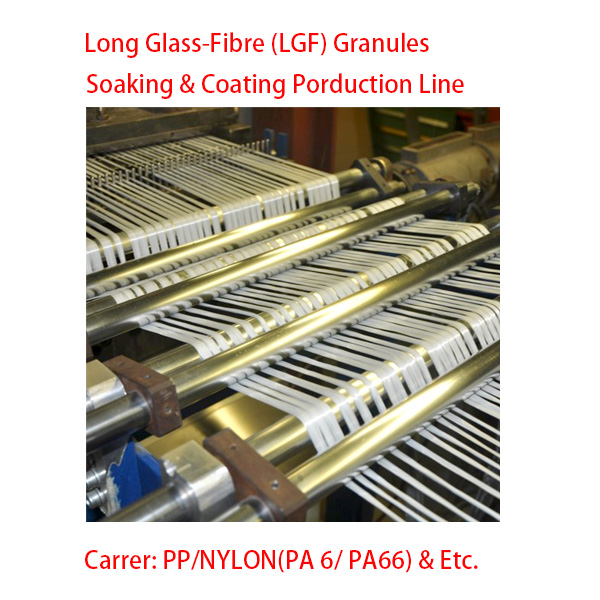
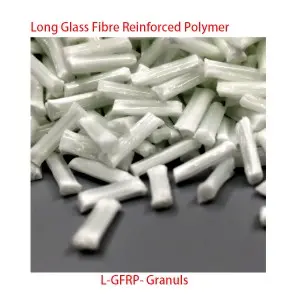
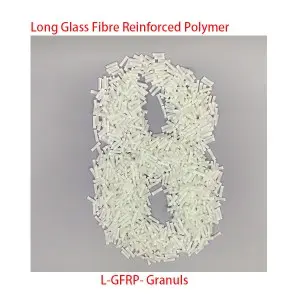
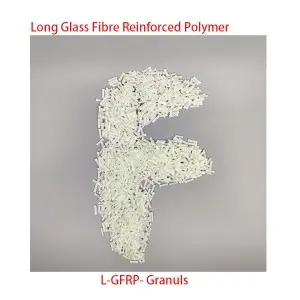
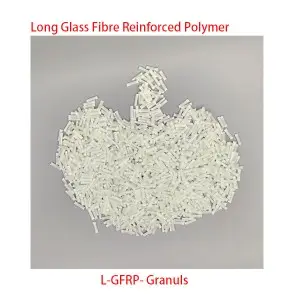
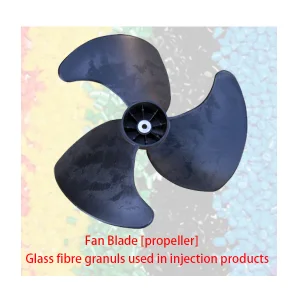
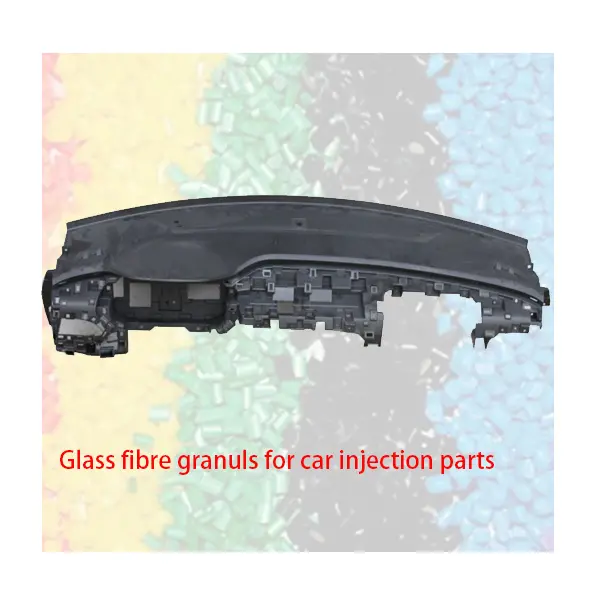
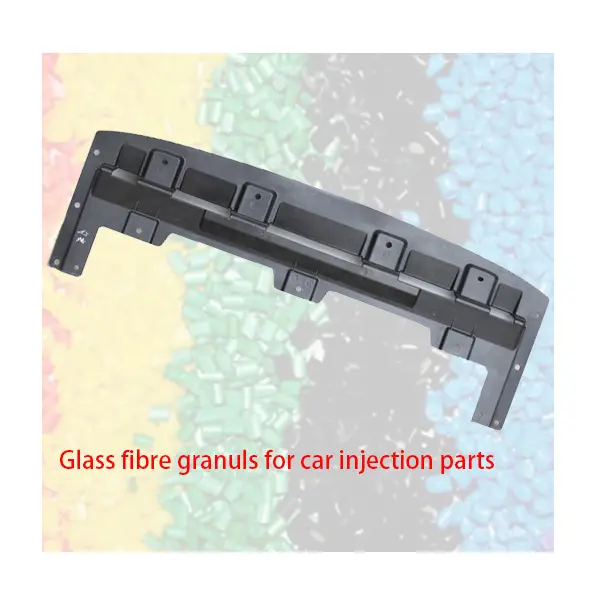
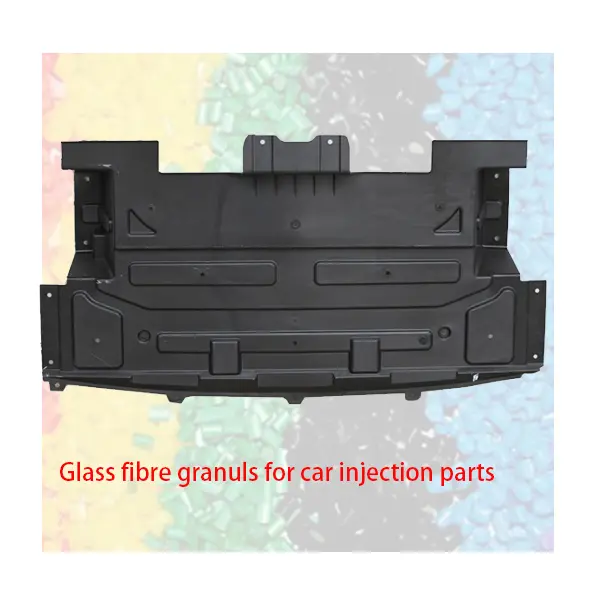
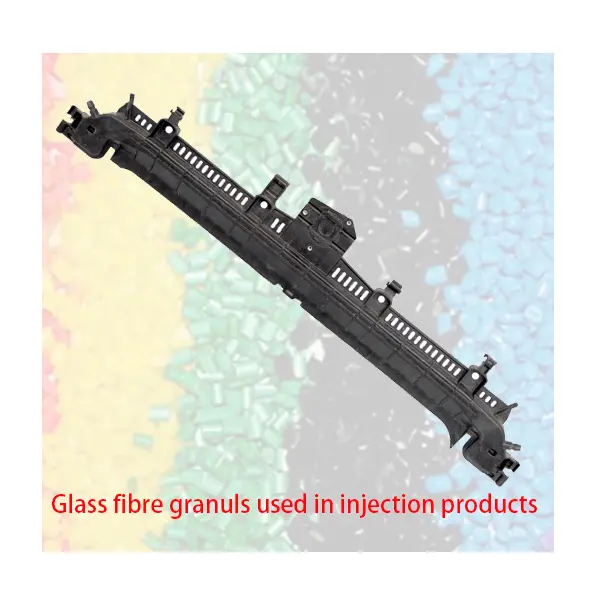
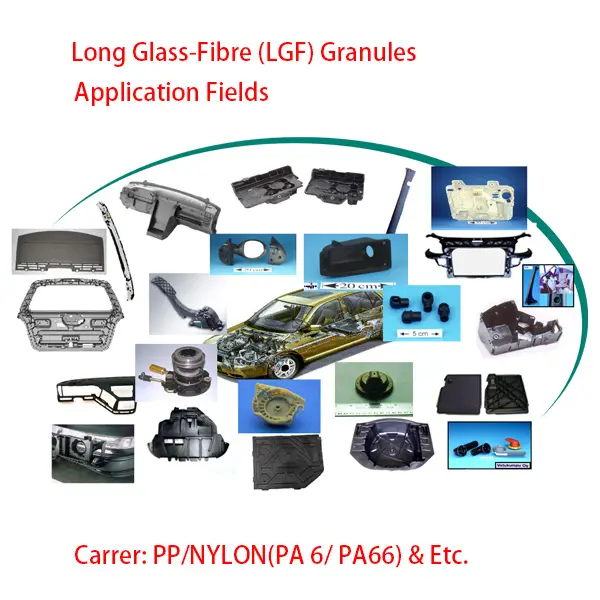
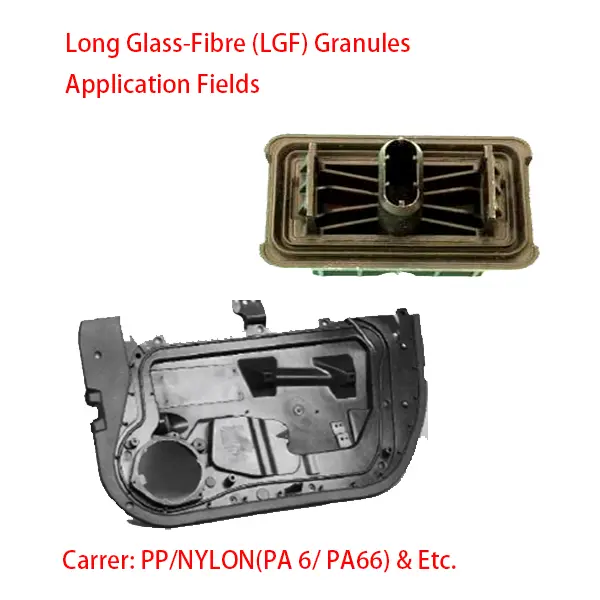
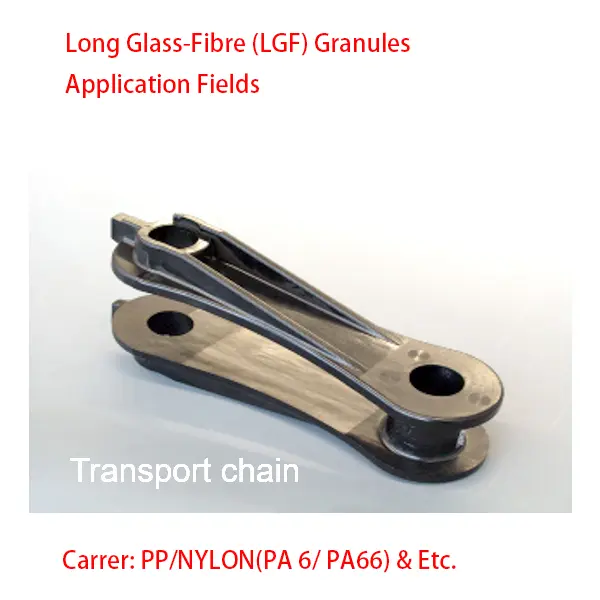
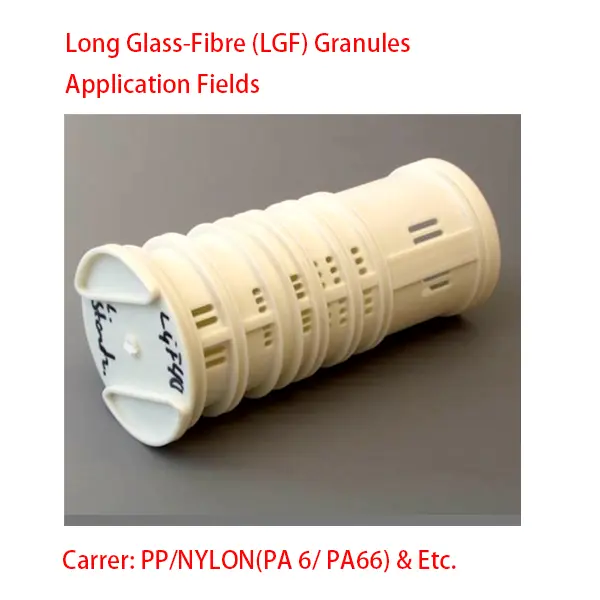
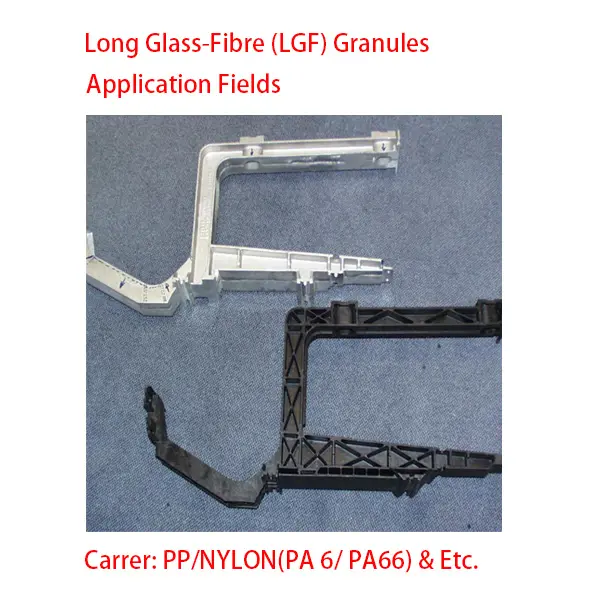
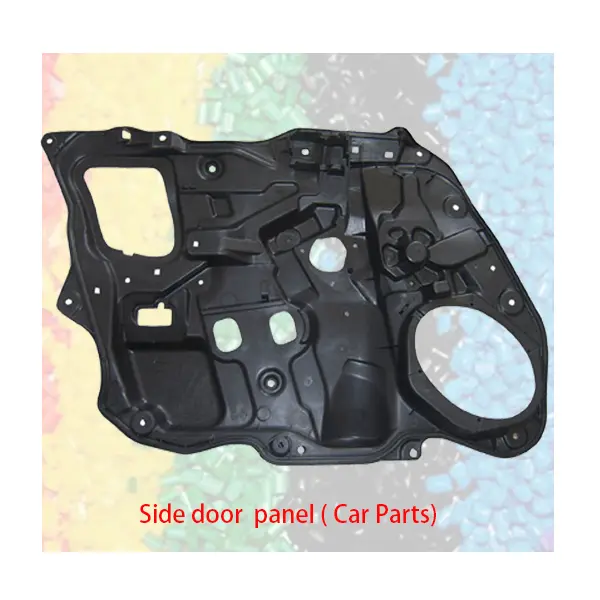
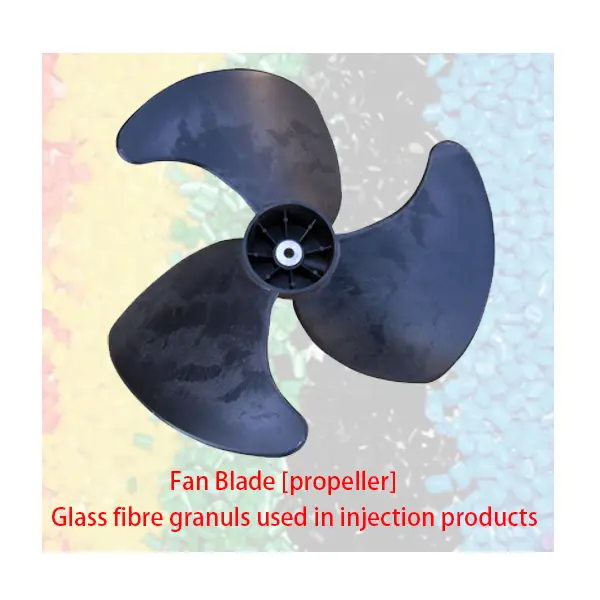
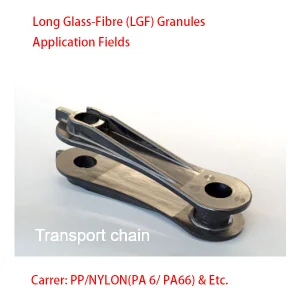
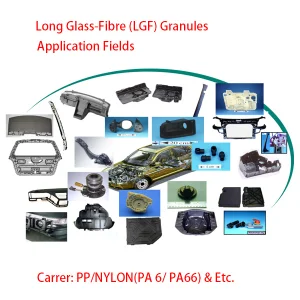
The GFRP granules can make different kinds of special products, such as car parts, washing machine parts, small kitchen electrical appliances and Etc.
LEARN MORE +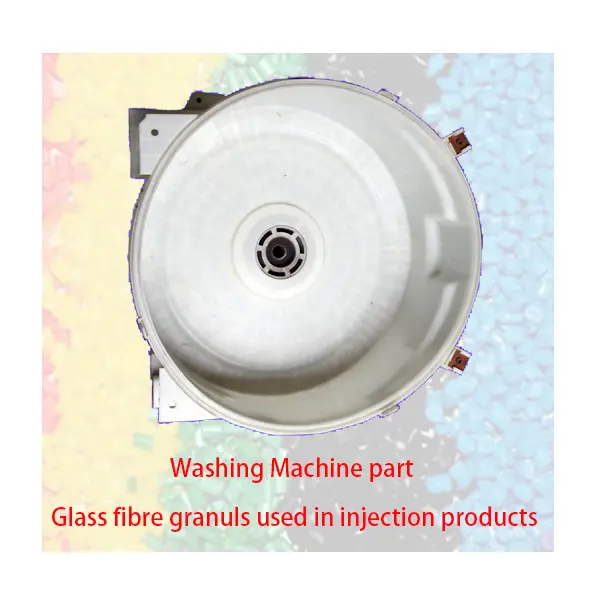
Stay updated with our manufacturing capacity advancements, product compliance audits, and global customer engagements.
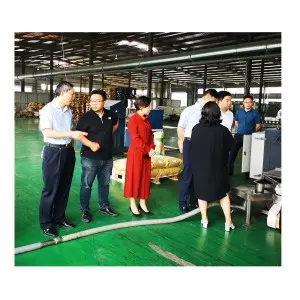
The clients visited our factory today, and have a Professional and rigorous inspection for the PA6 and PA66 long GFRP (Glass-Fiber-Reinforced-Polymer)granules. Finally, they’re satisfied by our products’ quality and quality controlling process. Reported by Lu. 2019-11-15.
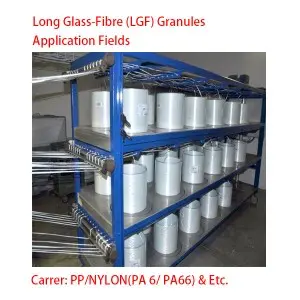
Our company has set a new machine line in the workshop and stat running today! Everything is good, output capacity has matched the request.
Find answers to critical engineering, pricing, and installation inquiries regarding Composite Rebar and GFRP granules.
Browse our technical selection of specialty long glass fiber reinforced polymer configurations for industrial and chemical infrastructure projects.
For inquiries about our products or pricelist, please leave your email below and we will get back to you within 24 hours.
 Best Composite