 Best Composite


The Future of Polymers in the Automotive Industry
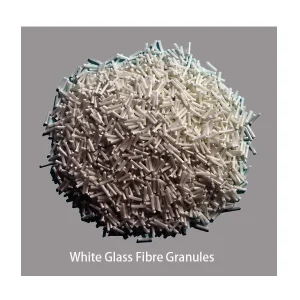
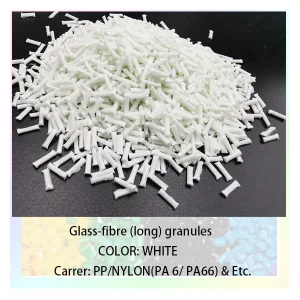
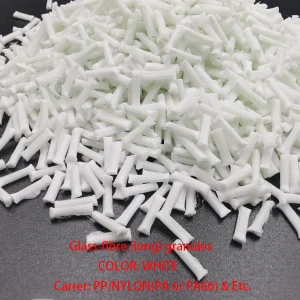
The automotive landscape is undergoing a paradigm shift, transitioning rapidly toward electrification and lightweighting. As fuel efficiency and range optimization become the primary metrics for OEMs, polymers—specifically Long Glass Fiber Reinforced Polymers (GFRP)—have emerged as the material of choice to replace traditional metals.
1. The Shift to Lightweight Engineering
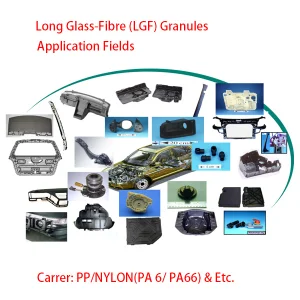
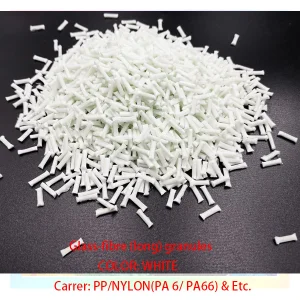
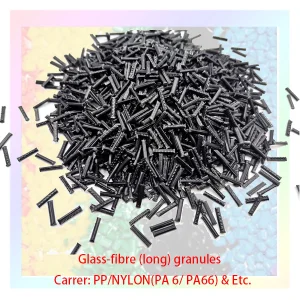
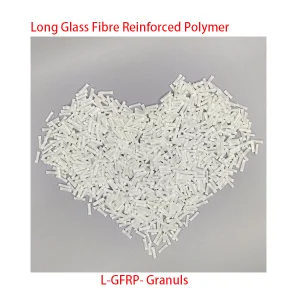
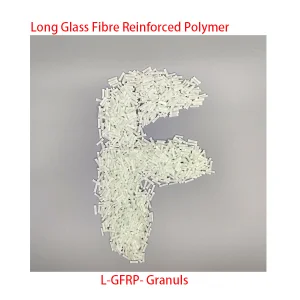
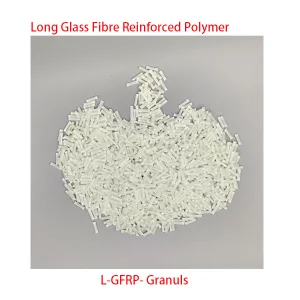
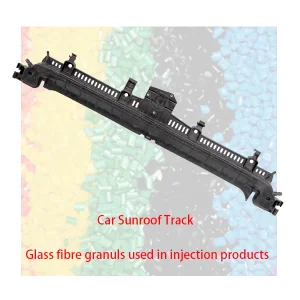
Modern vehicles require high-performance materials that offer strength-to-weight ratios comparable to steel but at a fraction of the mass. Our PA6, PA66, and PP reinforced granules enable the production of critical structural components, such as dashboard carriers, front-end modules, and battery housings. By integrating these advanced materials, manufacturers can achieve significant reductions in curb weight, directly impacting vehicle range and energy efficiency.
2. China Factory 4.0: Reshaping Supply Chain Resilience
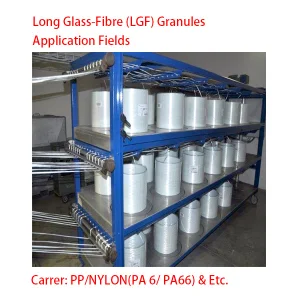
Situated in the heart of the Yangtze River Delta, our manufacturing facilities epitomize the "Industry 4.0" evolution. We have moved beyond traditional production to embrace smart manufacturing. By utilizing automated injection molding feedback loops and real-time quality monitoring, we ensure that every batch of GFRP granules meets stringent international tolerances. This level of automation provides our global partners with unprecedented supply chain resilience, mitigating risks associated with material inconsistency.
3. CE Certification and Global Compliance
Navigating the complex regulatory environment of the European automotive market is critical. Our products carry CE Certification, guaranteeing that they adhere to rigorous health, safety, and environmental protection standards. For exporters and manufacturers, this certification is not just a label; it is a passport to global markets, ensuring seamless integration into OEM supply chains without the threat of regulatory hurdles.