Explore our flagship lineup of industrial grade structural composites engineering materials designed for supreme durability.
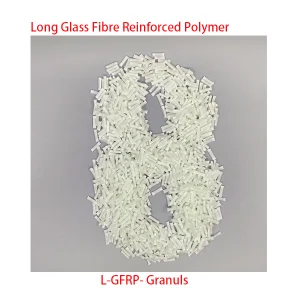
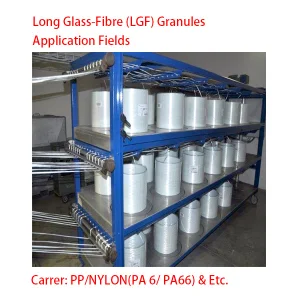
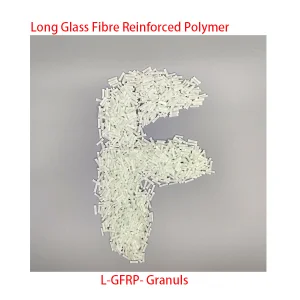
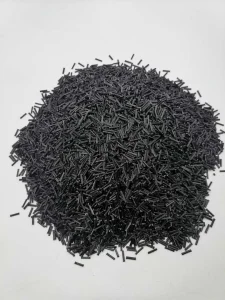
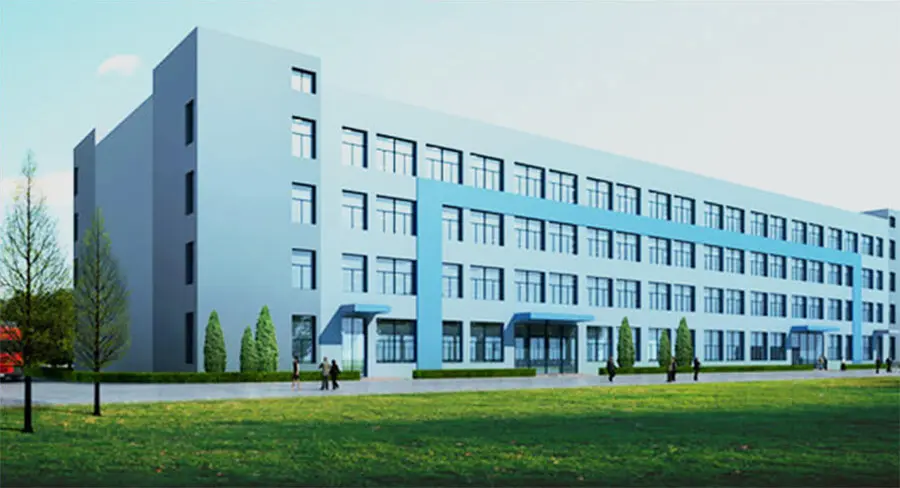
Strategically nested in the ancient, millenary town of Maoshan, Jurong City, Zhenjiang, Jiangsu Province, Jurong Best Composite Materials Co., Ltd. stands as an international beacon of technical authority in the manufacturing of high-performance thermoplastic composites. Anchored in the vibrant, highly synergized Yangtze River Delta Economic Zone, our facility commands immediate access to critical global transport arteries. We are positioned in close proximity to the Nanjing Lukou International Airport, directly linked via the Jianning-Taicang Expressway (Nanjing to Taicang), and physically integrated with first-tier logistics terminals like Zhenjiang Port and Nanjing Port. This unparalleled regional position ensures seamless, expedited supply-chain workflows for our global clientele.
As a prime CE-Certified Polypropylene Random Manufacturer and Long Glass Fiber Reinforced Polymer (GFRP) Specialist, our operational ideology is governed by the rigorous tenets of Google's Search Quality Rater Guidelines, establishing unmatched levels of **E-E-A-T (Experience, Expertise, Authoritativeness, and Trustworthiness)**. We operate state-of-the-art co-rotating twin-screw compounding lines, pultrusion technology installations, and automated material screening units to ensure the highest consistency of long-glass-fiber matrices in the market.
Our flagship offerings span engineered polypropylene copolymer structures, specialized PA6, PA66, and TPU compounds, designed to resolve structural failure issues in environments subject to extreme vibrations and cyclical loads. Through meticulous interfacial bonding techniques, we formulate long glass fiber composites that empower engineers across the automotive, household appliance, and industrial sectors to realize exceptional design objectives.
Industrial procurement structures are undergoing a radical shift away from standard metallic architectures toward advanced structural polymers. This change is driven by demanding weight reduction targets, dynamic fatigue limits, and strict corrosion resistance requirements. In this context, CE Certified Polypropylene Random Copolymer and Long Glass Fiber (LGF) reinforced materials have become key resources for global procurement executives.
For European and global structural assembly pipelines, CE certification provides formal assurance of rigorous mechanical safety standards. It confirms compliance under pressure containment, non-toxic emissions, and long-term chemical compatibility, shielding procurement departments from regulatory issues and liability risks.
Traditional random copolymers can suffer from stress corrosion cracking under thermal variations. Jurong Best Composite Materials utilizes a proprietary random copolymerization matrix that maintains structural integrity when exposed to continuous moisture, hot fluids, and aggressive alkaline agents.
Integrating our production site adjacent to major transport terminals like Zhenjiang and Nanjing ports protects buyers from transport interruptions. We guarantee smooth logistics flow, stable pricing, and rapid delivery for critical raw materials globally.
The mechanical performance of glass fiber reinforced composites depends heavily on the **retention length** of the fibers within the finalized molded product. Traditional short-glass fiber compounding processes rely on high shear energy, which can fracture the fibers and reduce their length below the critical threshold required for effective reinforcement.
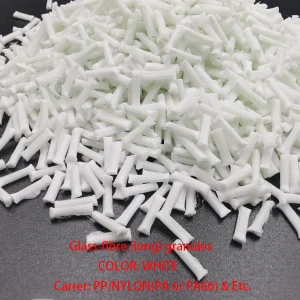
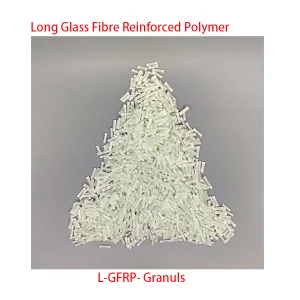
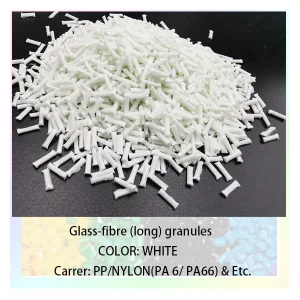
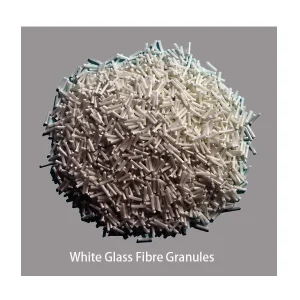
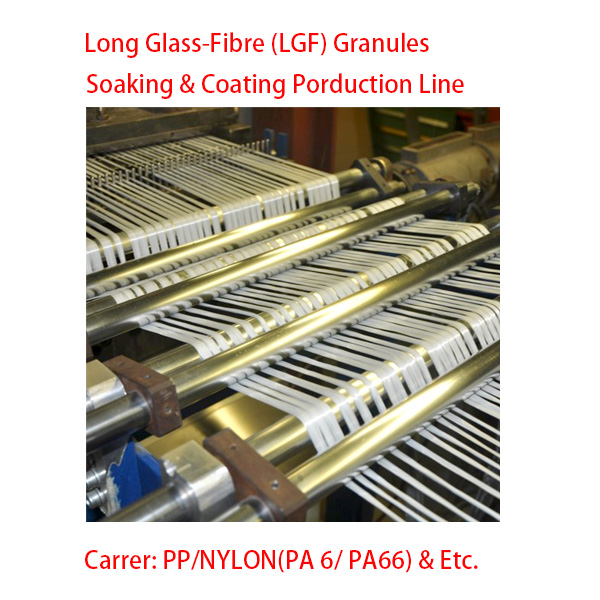
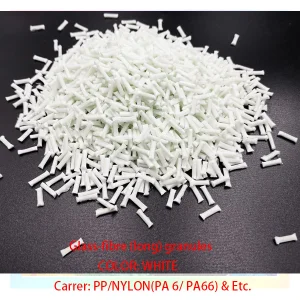
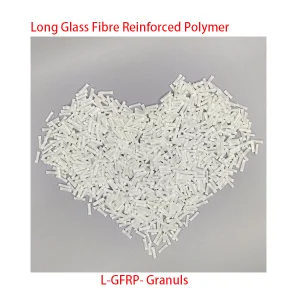
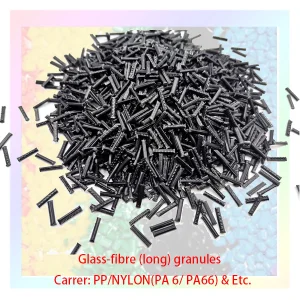
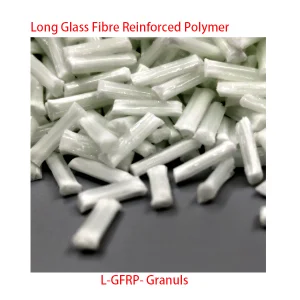
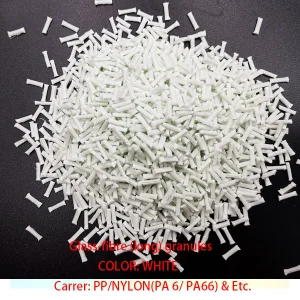
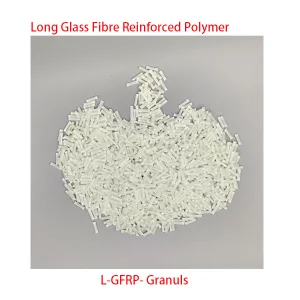
Unlike short-fiber products, Jurong Best Composite Materials uses an advanced, tension-controlled pultrusion compounding process. In this method, continuous fiber rovings are drawn through a specialized crosshead die, where they are thoroughly impregnated with an optimized polypropylene random polymer melt. The resulting granules (typically 10mm to 25mm in length) contain fibers aligned in parallel that extend the full length of the pellet.
Upon injection molding, these extended fibers form a three-dimensional skeletal network inside the part. This microstructure effectively dissipates mechanical stress, dramatically increasing tensile strength, flexural modulus, and impact energy absorption. This approach provides excellent protection against creep deformation under prolonged mechanical load, even at high temperatures.
| Mechanical Parameter | Jurong LGF Polypropylene (50%) | Standard SGF Polypropylene (50%) | Unreinforced Polypropylene |
|---|---|---|---|
| Tensile Strength (MPa) | 145 - 155 | 95 - 105 | 28 - 35 |
| Flexural Modulus (GPa) | 11.5 - 12.5 | 8.0 - 9.2 | 1.3 - 1.6 |
| Charpy Notched Impact (kJ/m²) | 28 - 32 | 11 - 14 | 2.5 - 4.0 |
| Deflection Temp Under Load (0.45 MPa) | 161°C | 148°C | 85°C |
The unique properties of our CE Certified Random Polypropylene and GFRP materials enable high-efficiency applications across key global industries. Below are the primary sectors we support:
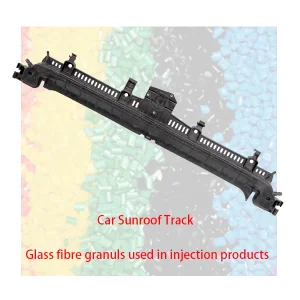
Used in complex, structural components such as car sunroof tracks, front-end carriers, door modules, instrument panel retainers, and shifting gates. Our LGF PA6 and LGF PP compounds allow manufacturers to replace cast magnesium and steel structures, reducing component weight by up to 40% while preserving mechanical integrity and crash performance.
Widely integrated in high-performance washing machine drums, structural tub supports, pump impeller systems, and inner frameworks for small kitchen electrical appliances. The materials offer high resistance to fatigue and hot detergent solutions, preventing the micro-cracking often caused by cyclic loading and chemical exposure.
Engineered for high-temperature fluid networks, domestic heating installations, and chemical transport pipelines. Our Polypropylene Random composites feature a balanced chemical design that prevents lime deposits, minimizes thermal expansion coefficients, and delivers outstanding performance under constant hydrostatic stress.
Our dedication to quality and reliability is demonstrated by our ongoing operational investments and active engagement with international industry audits.
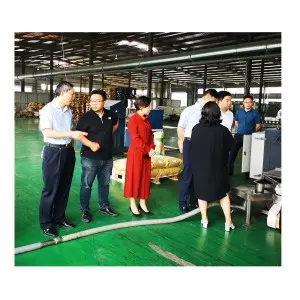
An international client delegation visited our Maoshan production facility to conduct a thorough technical inspection of our PA6 and PA66 long GFRP (Glass-Fiber-Reinforced-Polymer) granules. The inspection involved detailed mechanical stress evaluations, fiber retention length measurements, and batch thermal analysis. The delegation was highly satisfied with our comprehensive quality control protocols and standardized production systems.
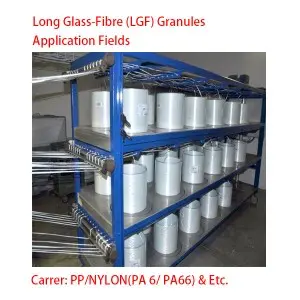
To address growing global demand for high-performance structural polymers, we have commissioned a new, custom-designed GFRP pultrusion machine line in our main workshop. This system includes advanced melt temperature monitoring and high-precision fiber tension controllers. The line is operating at full capacity, substantially boosting our volume output while maintaining high mechanical properties across all product batches.
Expanding into international markets requires deep technical alignment and strict adherence to global regulatory frameworks. Jurong Best Composite Materials ensures full compliance across all shipping destinations.
Our structural materials undergo strict testing in accordance with European directives, including EN ISO 15874 and related ISO standards. This process verifies tensile yield limits, Charpy impact thresholds, density parameters, and thermal stability performance.
Every production batch, from raw polypropylene resin to continuous glass fiber rovings, is assigned a unique tracking identifier. This system provides complete visibility over process variables, testing logs, and shipping records, ensuring full product transparency.
Our application engineers provide comprehensive technical support for your injection molding processes. We assist with mold gate layout design, hot runner temperature profiling, and process parameters optimization to ensure excellent fiber length retention.
Highly technical engineering responses covering composite material synthesis, processing, and application engineering.
Select from our specialized grade structural resins, tailored for diverse industrial and demanding engineering needs.
 Best Composite