Explore our highly specified long glass/aramid-reinforced compounds engineered for extreme structural performance.
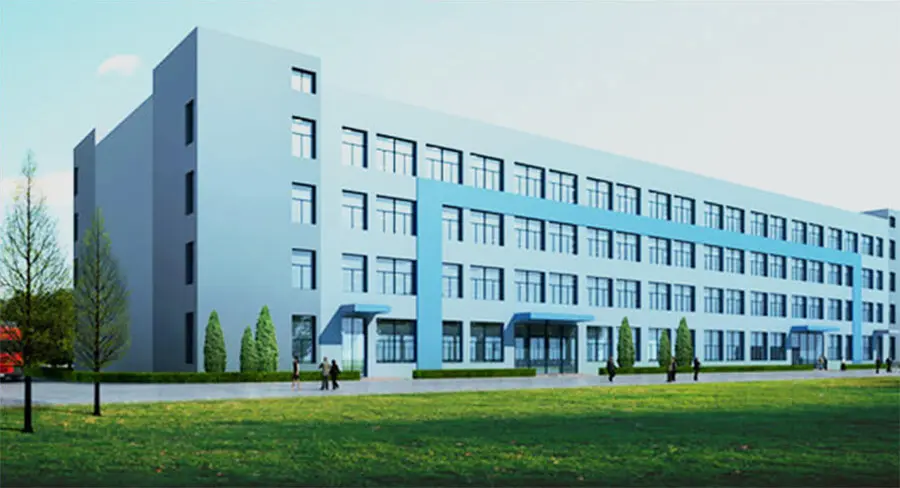
Jurong Best Composite Materials Co., Ltd. is located in the ancient town of Maoshan, which has a history of over a thousand years. The town is part of Jurong City, Zhenjiang, Jiangsu Province. It is situated on the lower reaches of the Yangtze River, adjacent to Nanjing, and is close to Nanjing Lukou International Airport.
The Jianning-Taicang Expressway (from Nanjing to Taicang) passes through the area, and the Jurong exit of the Shanghai-Nanjing Expressway connects to Zhenjiang Port and Nanjing Port. Benefiting from the radiation of the Yangtze River Delta Economic Zone, the transportation is very convenient.
As a premier developer of high-specification composite materials, we specialize in high-performance thermoplastic formulations and structural composite profiles, ensuring that key infrastructure components like Aramid Fiber Reinforced Polymer (AFRP) Rebar and Glass Fiber Reinforced Polymer (GFRP) composites meet strict ASTM and ACI international quality frameworks.
Understanding the material science, chemical structures, and physical benefits of high-performance composite reinforcing bars.
Aramid Fiber Reinforced Polymer (AFRP) is synthesized by drawing continuous aramid fibers (such as Kevlar or Twaron) through a resin bath (usually epoxy or vinyl ester) in a continuous pultrusion line. This composite matrix combines the high tensile properties of aromatic polyamides with the chemical protection of thermosetting polymers, yielding a reinforcing bar that cannot rust and has an excellent strength-to-weight ratio.
Unlike standard carbon fiber (CFRP) which can fail catastrophically under sudden impact, or glass fiber (GFRP) which has lower yield profiles, AFRP provides exceptional impact energy absorption and high resistance to dynamic fatigue. This properties profile is critical for seismic zones and heavy machinery foundations.
AFRP rebars do not conduct electricity and are completely non-magnetic. This feature is critical for modern structures housing sensitive equipment such as Magnetic Resonance Imaging (MRI) rooms, toll stations with radar frequency detection, electrical substations, and military radar research facilities.
SEO Insight & Information Gain: The true value of AFRP rebar lies not in the initial purchase price, but in the Life Cycle Cost Analysis (LCCA). By eliminating corrosion-induced concrete degradation, infrastructure built with composite rebar regularly demonstrates a zero-maintenance lifespan exceeding 100 years.
Technical comparison matrix outlining structural properties and suitability markers.
| Performance Parameter | Aramid Rebar (AFRP) | Glass Fiber Rebar (GFRP) | Carbon Fiber Rebar (CFRP) | Stainless Steel Rebar |
|---|---|---|---|---|
| Tensile Strength (MPa) | 1200 - 1600 | 600 - 1000 | 1600 - 2400 | 500 - 650 |
| Elastic Modulus (GPa) | 60 - 80 | 40 - 55 | 120 - 150 | 200 |
| Corrosion Resistance | Outstanding (Acid & Alkali Proof) | Excellent (Requires Vinyl Ester) | Inert | Moderate to High |
| Density (g/cm³) | 1.25 - 1.45 | 1.9 - 2.1 | 1.5 - 1.6 | 7.85 |
| Electromagnetic Status | Non-conductive, Non-magnetic | Non-conductive, Non-magnetic | Conductive | Conductive, Magnetic |
| Impact Resistance | Extremely High (Ductile failure) | Moderate (Brittle failure) | Low (Highly Brittle) | Very High |
How procurement managers optimize budgets while navigating standard engineering limitations.
Procuring cost-effective Aramid Fiber Reinforced Polymer Rebar requires understanding the global raw material supply chains. Aramid fibers are inherently more expensive to produce than basalt or glass fibers due to the complex liquid-crystalline polymer solution spinning processes. However, wholesale purchasers can minimize costs through bulk volume contracts, customized pultrusion runs, and choosing suppliers located in optimal logistics zones like Jiangsu Province, China.
Purchasing managers face several critical considerations when evaluating cheap aramid rebar:
Engineering scenarios where AFRP delivers unparalleled performance advantages.
Marine environments contain high concentrations of chloride ions that quickly break down protective steel passivation layers. AFRP rebar provides a rust-free reinforcement solution for marine concrete, preventing internal rust cracking and ensuring structural integrity.
Heavy de-icing salts used on winter bridge decks destroy steel reinforcement. Using AFRP rebar in bridge deck overlays prevents joint degradation. Additionally, its electromagnetic neutrality prevents interference with automatic toll-lane loops.
Medical diagnostics clinics require magnetic isolation zones to protect imaging quality. Non-magnetic AFRP rebar allows hospitals to design load-bearing structural slabs immediately beneath heavy MRI machinery without creating signal artifacts.
The development pathway for high-performance composite reinforcing systems over the next decade.
As green initiatives continue to drive global building codes, composite reinforcements are adapting to include biosourced resins and recyclable thermoplastic matrices. Future technological roadmaps focus on:
Combining glass fiber cores (providing cost benefits) with exterior layers of aramid fibers (delivering high tensile strength and chemical resistance) to optimize structural properties and reduce product costs.
Transitioning from thermoset resins to advanced thermoplastic composites, enabling structural rebar to be heated and bent in localized distribution warehouses, resolving a key field installation challenge.
Integrating carbon strands or fiber optic sensors within the aramid core during pultrusion. This creates "smart rebars" capable of sending strain and stress data directly to structural monitoring systems throughout the building's lifecycle.
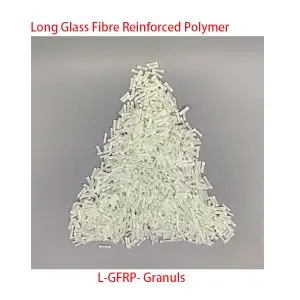
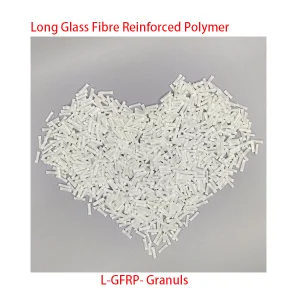
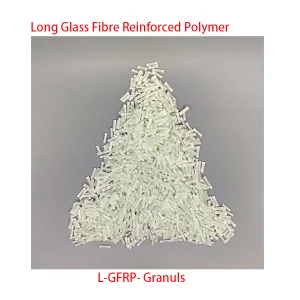
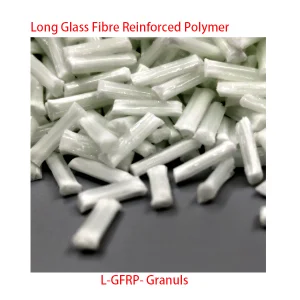
Examine our highly rated long glass-fiber reinforced polymers and advanced injection-molding pellets.
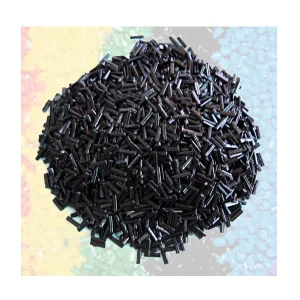
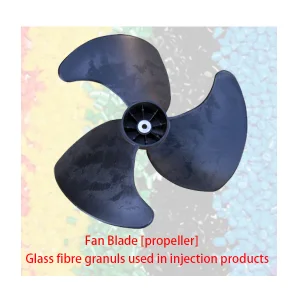
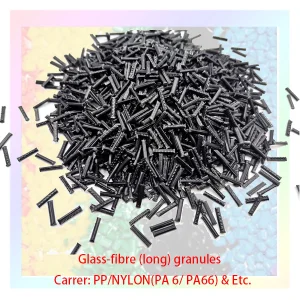
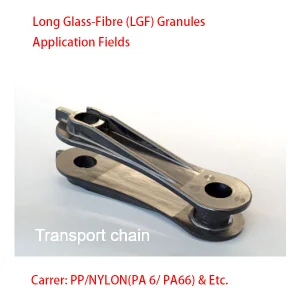
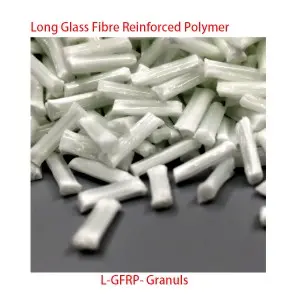
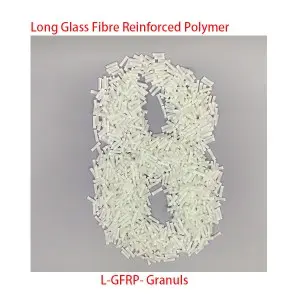
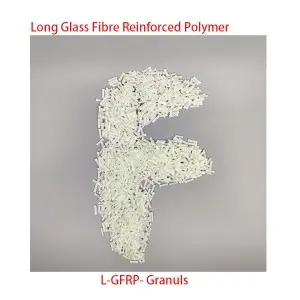
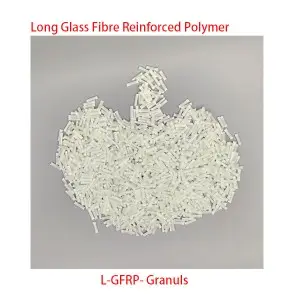
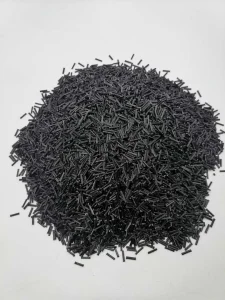
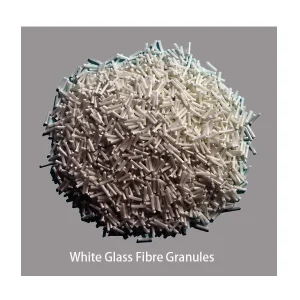
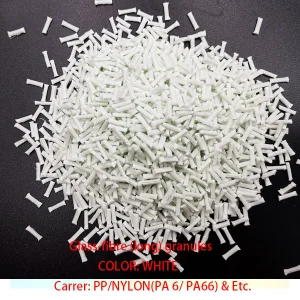
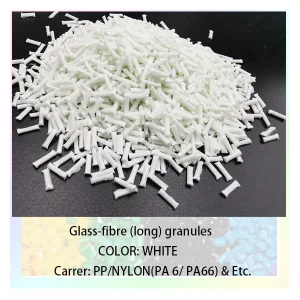
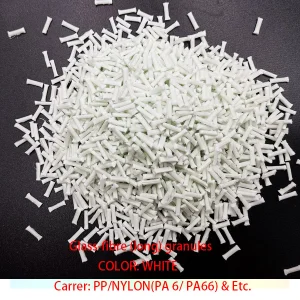
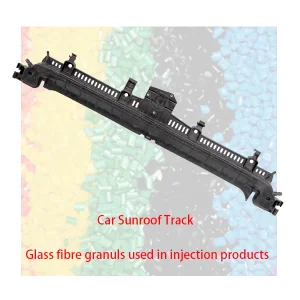
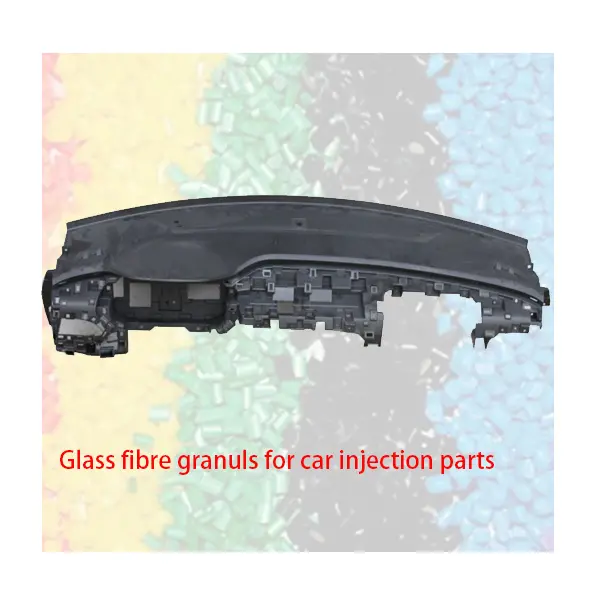
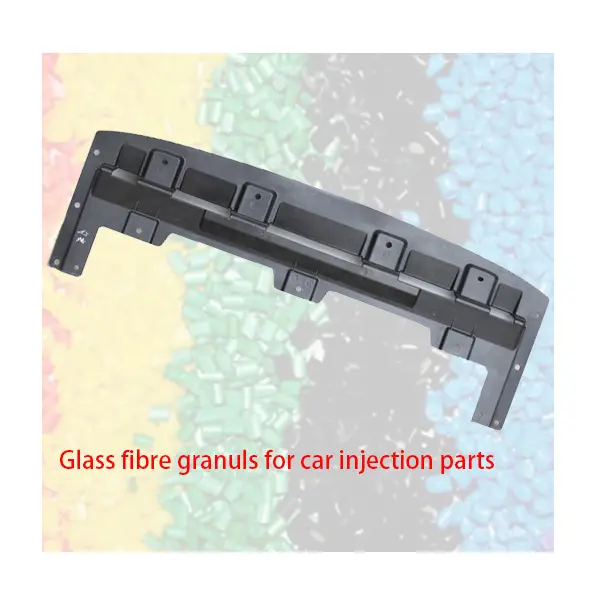
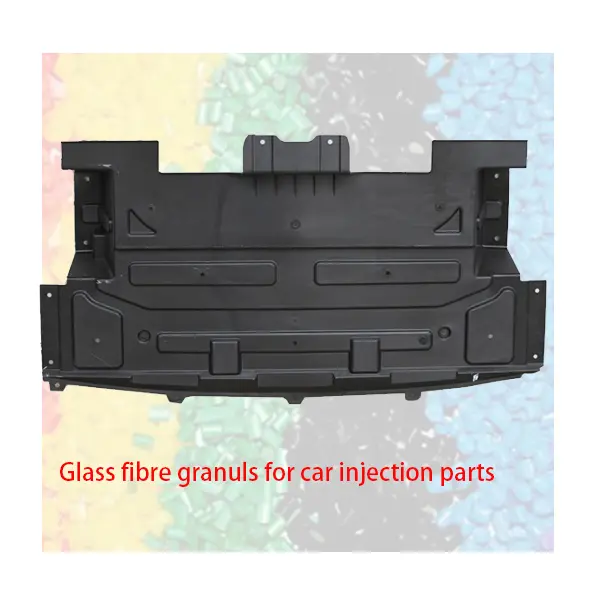
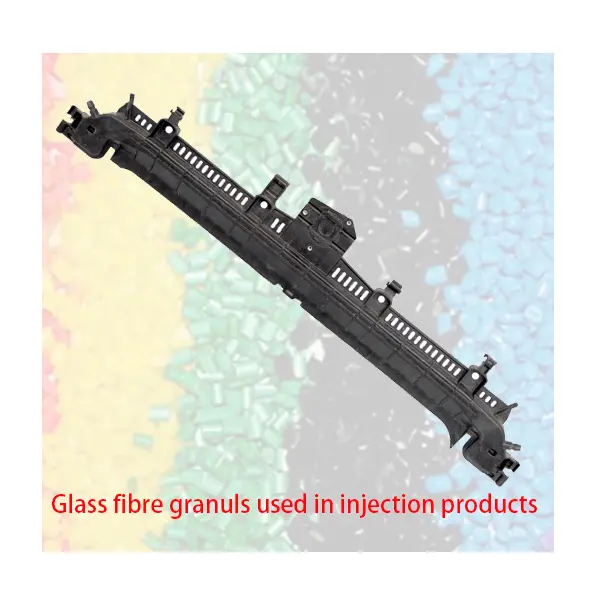
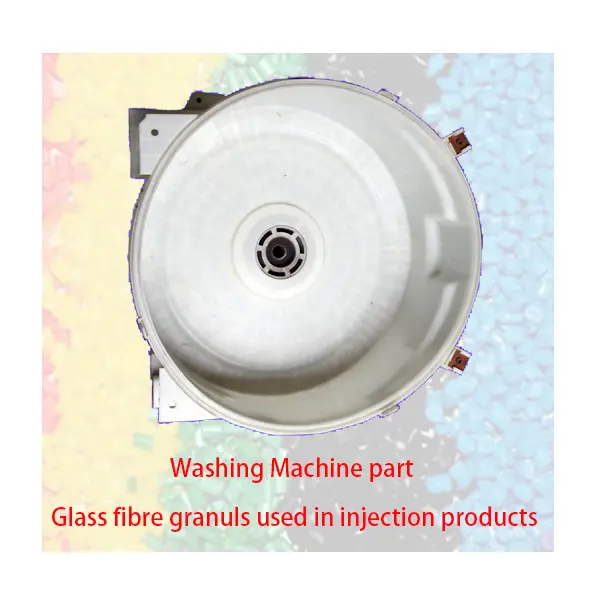
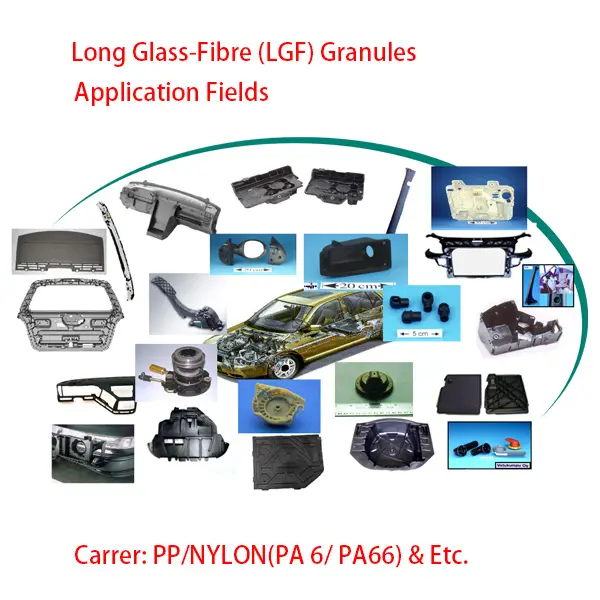
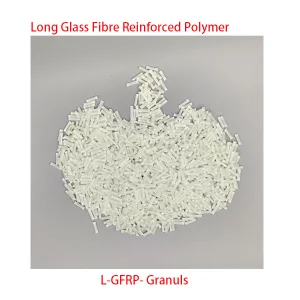
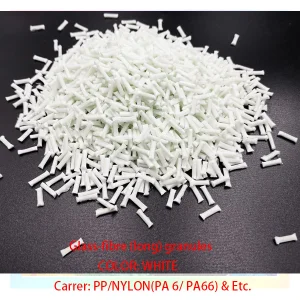
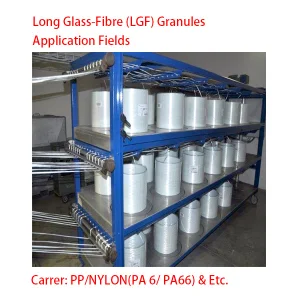
The GFRP granules can make different kinds of special products, such as car parts, washing machine parts, small kitchen electrical appliances, and more. Our long-fiber injection compounds provide optimal dimensional stability, high heat distortion temperatures, and increased impact resistance compared to standard short-fiber alternatives.
LEARN MORE +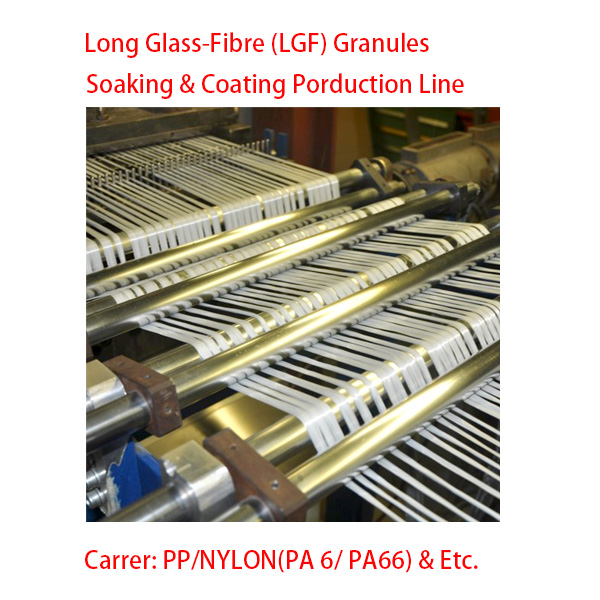
Ensuring your structures meet rigid regional safety guidelines and regulatory demands.
Deploying Aramid Fiber Reinforced Polymer rebar in structural designs requires adhering to international guidelines. Concrete structures reinforced with FRP bars must be calculated to resist bending, shear, and compressive loads according to standardized frameworks. Our materials comply with:
By partnering with accredited materials exporters, buyers receive full batch traceability, mill test reports (MTR), tensile testing certificates, and chemical matrix validation documentation.
See how we maintain quality control standards and expand production capacity.
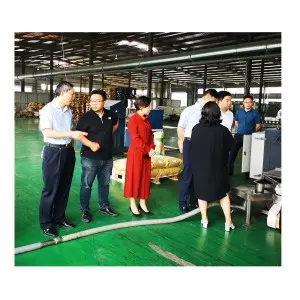
The clients visited our factory today, and had a professional and rigorous inspection for the PA6 and PA66 long GFRP (Glass-Fiber-Reinforced-Polymer) granules. They were satisfied with our production quality control procedures.
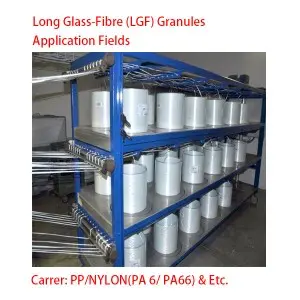
Our company has set up a new machine line in the workshop. The systems are running smoothly, matching the required output capacity for our global partners.
Answering structural, chemical, and procurement queries from civil engineers and purchasing managers.
For inquiries about our composite products, custom runs, or to request a price list, share your email with us. We will respond within 24 hours.
Subscribe NowBrowse additional long-fiber reinforcing polymers and specialized structural compounds.
 Best Composite