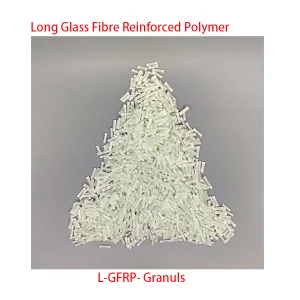
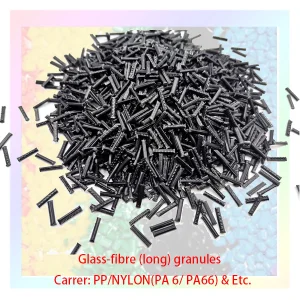
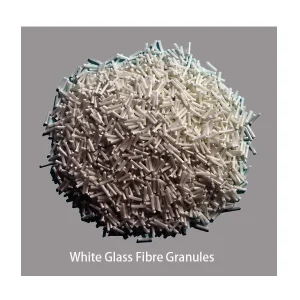
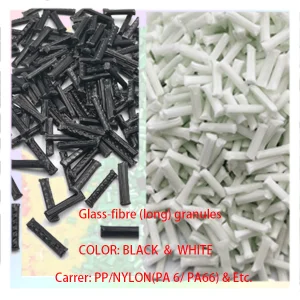
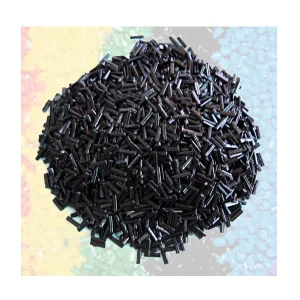
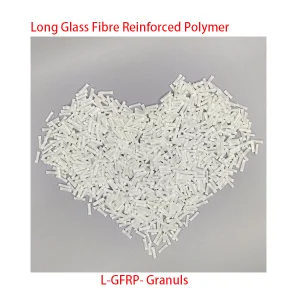
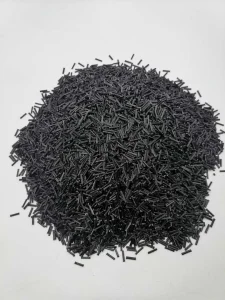
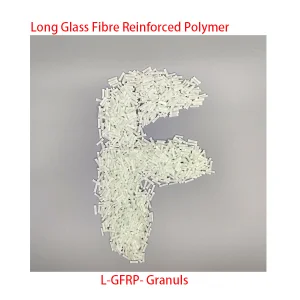
In the contemporary landscape of polymer engineering, the quest for "Cheap Glass Fiber PP" is often misinterpreted as a search for low quality. In reality, it represents a sophisticated drive for value engineering. As global industries—most notably automotive, aerospace, and electronics—shift towards decarbonization and efficiency, Long Glass Fiber Reinforced Polypropylene (LGFPP) has emerged as the definitive material for lightweighting.
The global market for thermoplastic composites is witnessing a paradigm shift. Unlike traditional metal components, LGFPP offers a superior strength-to-weight ratio, allowing manufacturers to reduce total vehicle weight, thereby improving fuel efficiency and extending the range of Electric Vehicles (EVs). Our manufacturing philosophy focuses on the integration of high-performance glass fibers within a polypropylene matrix, ensuring that while the cost remains competitive ("cheap" in terms of optimized production), the mechanical properties—tensile strength, impact resistance, and creep modulus—meet rigorous industrial standards.
Situated in the heart of the Yangtze River Delta, our facility embodies the principles of "China 4.0." This isn't just about output; it's about intelligent manufacturing. By leveraging IoT-enabled production lines and automated quality control, we have eliminated the redundancies that drive up costs. Our geographic advantage—proximal to the Jurong and Nanjing logistics hubs—ensures that we provide not only cost-effective materials but also a resilient supply chain capable of meeting the volatility of global procurement demands.
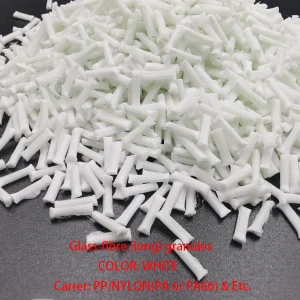
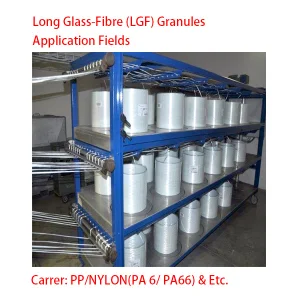
Why do industry leaders choose GFRP/LGFPP? It’s not merely a commodity; it’s a solution to structural failure. The incorporation of long glass fibers (typically 10-25mm) creates a fiber skeleton within the plastic matrix. This prevents crack propagation and provides thermal stability up to temperatures that would warp traditional plastics.
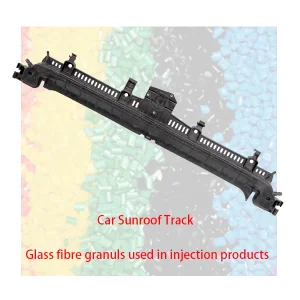
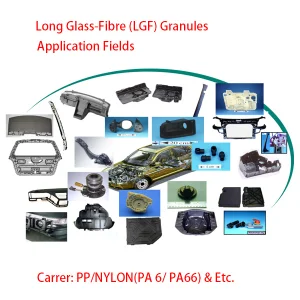
Sunroof tracks, front-end modules, and dashboard carriers benefit from the fatigue resistance of LGFPP.
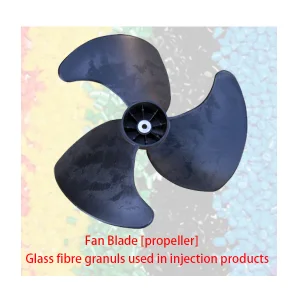
Washing machine parts and pump housings require the chemical resistance and structural integrity our PP composites provide.
Low dielectric constant and high insulation properties make it perfect for electrical connectors and housings.
We facilitate global trade, ensuring seamless documentation, quality checks, and logistics from our factory to your floor.
A: Our "cheap" pricing is the result of vertical integration and economies of scale at our Jurong facility. By optimizing production cycles and reducing logistics bottlenecks through our location near the Yangtze River, we pass efficiency savings directly to our clients. We never compromise on raw material purity or fiber length integrity.
A: Absolutely. Our R&D team specializes in tailoring glass fiber content (from 20% to 60%) and additives (UV stabilizers, flame retardants, color masterbatches) to match your specific application requirements.
A: Leveraging our strategic position near major ports in Zhenjiang and Nanjing, we ensure rapid dispatch. Standard orders are processed and shipped within 14-21 days, depending on custom formulations and order volume.
 Best Composite